About Ras Mohammed
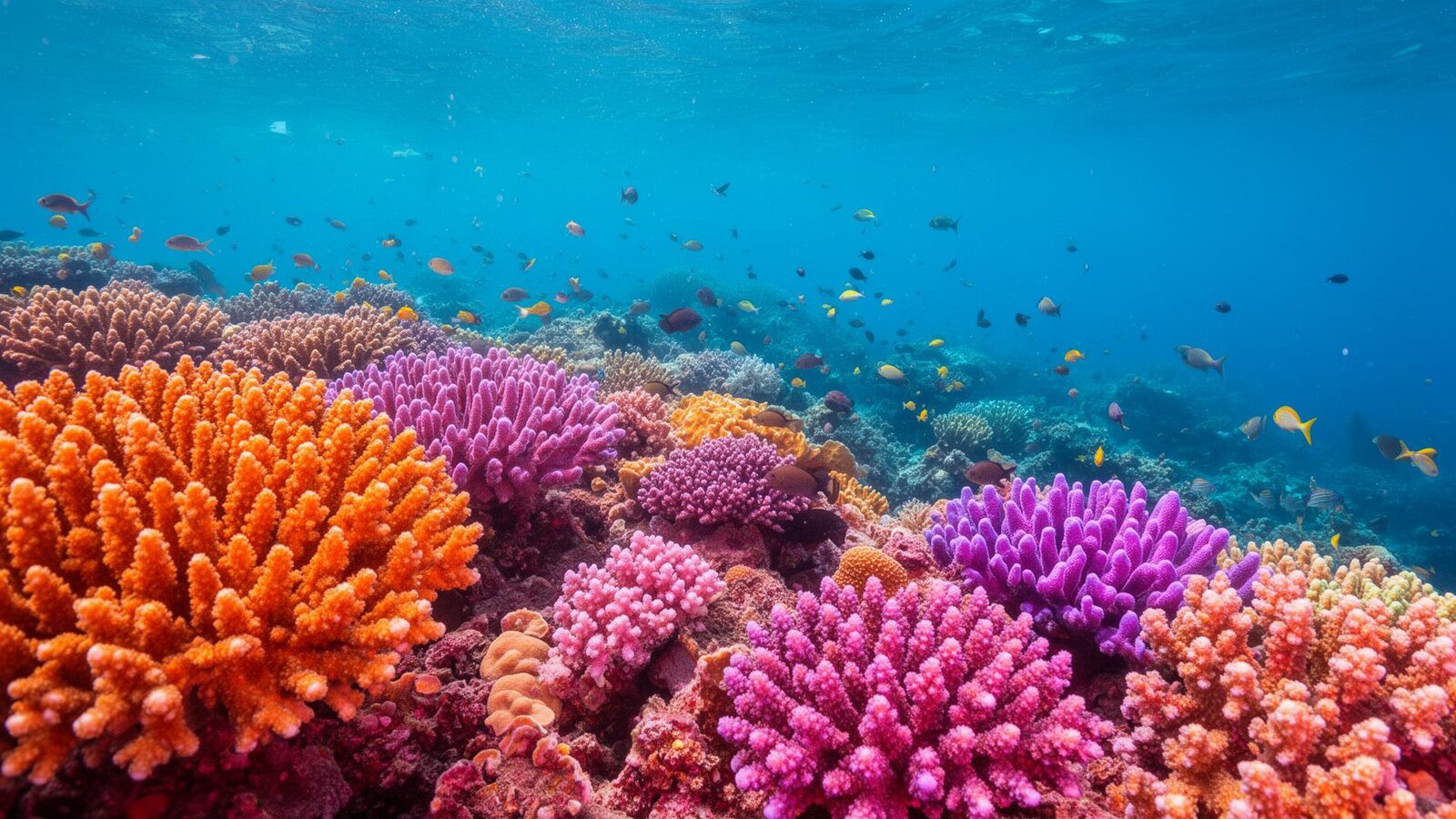
Ras Mohammed National Park, located at the southern tip of the Sinai Peninsula, is Egypt's oldest and most well-preserved national park, renowned for its exceptional biodiversity and dramatic underwater topography. Where the Gulf of Suez and the Gulf of Aqaba meet, a nutrient-rich convergence zone supports an extraordinary density of marine life, making it a world-class diving destination. The park's underwater landscape features spectacular fringing coral reefs, sheer vertical walls plunging to over 700 meters, and unique submerged pinnacles. These deep drop-offs are adorned with dense soft coral growth, showcasing vibrant oranges, purples, and reds, often illuminated by swarms of anthias. The exceptional health of the reef is a testament to the park's strict protection and enforcement. Divers can expect to encounter a wide array of reef and pelagic species, from schooling barracuda and jacks to Napoleon wrasse, and seasonal sightings of hammerhead sharks, grey reef sharks, and occasional oceanic whitetips. The constant water movement not only feeds the corals but also attracts larger marine animals, creating dynamic and thrilling dive experiences. Visibility is consistently excellent, often ranging from 25 to 40 meters, with water temperatures comfortable for diving year-round. Most dives within Ras Mohammed are conducted as drifts, capitalizing on the prevailing currents that bring nutrients and pelagic action. Popular sites like Shark Reef and Yolanda Reef offer a combination of breathtaking walls, abundant fish life, and the quirky spectacle of a cargo wreck. Divers typically access these sites via day boats from Sharm El Sheikh or as part of liveaboard itineraries, enjoying two-dive or full-day excursions.
Highlights
Season calendar
Dive site facts: Ras Mohammed
- Depth
- 5–40 m+
- Typical dive
- 15–30 m, 50–60 min
- Current
- Variable, can be strong
- Visibility
- 25–40 m
- Water temperature
- 21–30°C
- Entry
- Liveaboard / Day boat
- Level
- Intermediate and Advanced
- Dive type
- Wall, drift, wreck, pelagic
- Night dive
- Not permitted
- Region / port
- Sharm El Sheikh, Red Sea
- Coordinates
- 27.7333, 34.2667
Conditions & Currents
Currents at Ras Mohammed are highly variable and can range from mild to strong, especially at sites like Shark Reef, where the convergence of the two gulfs creates significant water movement. Stronger currents often coincide with incoming tides, which is also when pelagic species are more commonly observed. Divers should be comfortable with drift diving techniques, as many sites are best explored by letting the current carry you along the reef. Surface conditions can occasionally be choppy, particularly in winter months due to northerly winds, which may affect access to certain offshore sites. Visibility generally remains excellent, typically 25-40 meters, with occasional temporary reductions in shallow areas during spring plankton blooms. Thermoclines are less common outside of summer months, offering consistent water temperatures throughout the dive profile.
Marine life & sighting chances

Grey Reef Shark
Year-round · occasional
Hammerhead Shark
June-August, September-November (deeper) · occasional
Napoleon Wrasse
Year-round · common
Barracuda
Year-round · common
Jackfish
Year-round · common
Anthias
Year-round · common
Lionfish
Year-round · common
Moray Eel
Year-round · common
Clownfish
Year-round · common
Whale Shark
March-August · rare
Oceanic Whitetip Shark
September-November · occasionalDive profile & how the dive runs
A typical dive at Ras Mohammed often begins at Shark Reef, entering at the northern end for a drift along its western wall. You descend to depths between 15-30 meters, observing the sheer wall adorned with vibrant soft corals and keeping an eye on the blue for pelagics like grey reef sharks. The current dictates your pace, gently carrying you south. The dive then progresses across a saddle area connecting to Yolanda Reef. Here, you can explore the scattered cargo from the MV Yolanda wreck, including bathtubs and toilets, at depths around 18-25 meters. The dive concludes in the shallower sections of Yolanda Reef, providing ample time for a safety stop amidst rich coral gardens before surfacing.
Underwater photography
Ras Mohammed offers exceptional opportunities for both wide-angle and macro photography. Wide-angle lenses are ideal for capturing the dramatic wallscapes of Shark Reef, the vast schools of barracuda and jacks, and the quirky sight of the Yolanda wreck's scattered cargo. Pay attention to the strong currents, as they can make stable shots challenging; consider shooting with the current to minimize movement. For macro subjects, the extensive soft coral coverage reveals numerous smaller reef inhabitants, and Anemone City is a prime spot for clownfish. Use strobes to bring out the true colors of the corals and fish, especially on deeper wall sections. Good buoyancy control is crucial to avoid damaging the pristine corals and to maintain position in current.
Combine with nearby dive sites
- SS Thistlegorm
A legendary WWII wreck, often combined in liveaboard itineraries from Sharm El Sheikh.
- Tiran Island
Known for its four distinct reefs and potential for hammerhead sightings, a short boat ride from Sharm.
- The Dunraven
An 1876 Victorian-era wreck offering atmospheric dives with coral-encrusted hulls.
- Eel Garden
A protected reef garden, ideal for relaxed dives and observing garden eels.
- The Canyon
Famous for its unique geological formations and vibrant reef life.
Getting there & logistics
Access to Ras Mohammed National Park is primarily from Sharm El Sheikh, a major hub for Red Sea diving. International flights arrive at Sharm El Sheikh International Airport (SSH). Divers typically join day boats for full-day excursions to the park, or integrate it into longer liveaboard itineraries exploring the northern Red Sea. Liveaboards often depart from Sharm El Sheikh or Hurghada. A full-day trip usually includes two dives and lunch onboard. National park fees apply and are typically collected separately by dive operators. Itineraries frequently combine Ras Mohammed with other northern sites like Tiran Island and the SS Thistlegorm.
Safety & environment
Diving at Ras Mohammed requires adherence to national park regulations, which include no anchoring, no fish feeding, and no taking anything from the marine environment. The nearest recompression chamber is located in Sharm El Sheikh. Divers should ensure their travel insurance explicitly covers scuba diving, including emergency evacuation and recompression treatment. Given the potential for strong currents at certain sites, divers should be comfortable with drift diving and possess advanced certification or relevant experience. Always dive with a reputable operator and follow your dive guide's instructions, especially regarding entry and exit procedures in current.
Who it suits — and who it doesn't
Suited for
- Advanced Open Water divers
- Divers comfortable with currents
- Underwater photographers
- Pelagic enthusiasts
- Wreck divers interested in unique cargo
Less suited for
- Beginner Open Water divers without current experience
- Divers seeking purely macro-focused sites
- Those sensitive to boat travel in potentially choppy conditions
- Divers who prefer stationary dives without drift
FAQ
Ras Mohammed FAQ
What makes Ras Mohammed special for diving?
What kind of marine life can I expect to see?
Is Ras Mohammed suitable for beginner divers?
How do I get to Ras Mohammed National Park for diving?
What is the best time of year to visit for diving?
Why dive Ras Mohammed from a liveaboard?
Ras Mohammed is one of Egypt's signature dive sites. A liveaboard sleeps you on the water and puts you in the water for three to four guided dives per day, including dawn and night dives that day-boat operators rarely offer. You skip the daily commute back to port and reach quieter, less-crowded sites in the same region on a single trip.
Below are the liveaboards that include Ras Mohammed on their Egypt itineraries.
Liveaboards diving Ras Mohammed
These liveaboards may visit Ras Mohammed on selected itineraries — the exact dive sites depend on departure, weather and conditions.

DUNE Longara
Egypt

JP Marine
Egypt

Snefro Pearl
Egypt

Snefro Love
Egypt

Sindalahs
Egypt

Hammerhead II
Egypt

Blue Liveaboard
Egypt

Odyssey
Egypt

Discovery I
Egypt

Star Jet
Egypt

SS Serena Dreams
Egypt

Amelie
Egypt
Dive sites similar to Ras Mohammed
Carless Reef
Egypt
Carless Reef is a renowned advanced dive site near Hurghada, notable for its two prominent coral pinnacles that rise from a sandy bottom at 30 meters.
- Suitable for
- Advanced
- Current
- Strong
- Access
- Dayboat
- Depth
- 15–40 m
- Theme
- Reef / Drift
The Lara is the remnant of a 137-meter cargo vessel that became stranded on the northern edge of Jackson Reef in 1982. Initially, the ship rested intact on the reef, but it was…
- Suitable for
- Advanced
- Current
- Strong
- Access
- Liveaboard only
- Depth
- 45–55 m
- Theme
- Wreck
Gordon Reef
Egypt
Gordon Reef is the southernmost of the four prominent coral formations situated in the narrow Straits of Tiran, which separate the Gulf of Aqaba from the main Red Sea.
- Suitable for
- Intermediate
- Current
- Moderate
- Access
- Liveaboard only
- Depth
- 2–300 m
- Theme
- Reef
Far Garden
Egypt
Far Garden is a prominent dive site located in Sharm El Sheikh, serving as the northern headland of the adjacent Middle Garden site.
- Suitable for
- Beginner
- Current
- Moderate
- Access
- Shore / dayboat
- Depth
- 1–45 m
- Theme
- Reef / Drift
Tobia Arbaa
Egypt
Tobia Arbaa, also widely recognized as the "Seven Pillars," is a highly regarded dive site situated in Egypt, easily accessible via a short speedboat ride from Safaga or Soma Bay.
- Suitable for
- Beginner
- Current
- Mild
- Access
- Liveaboard or dayboat
- Depth
- 10–16 m
- Theme
- Reef
Alexandria
Egypt
Alexandria offers a truly unique diving experience in Egypt, differing significantly from the vibrant coral reefs of the Red Sea.
- Suitable for
- Beginner
- Current
- Moderate
- Access
- Liveaboard or dayboat
- Depth
- 5–8 m
- Theme
- Reef