About Tiran Island
Tiran Island, strategically located in the Strait of Tiran, serves as a gateway between the Red Sea and the Gulf of Aqaba. While the island itself is off-limits due to military restrictions, its surrounding waters are home to four world-renowned coral reefs—Jackson, Gordon, Thomas, and Woodhouse—each presenting a unique underwater landscape. These reefs are fed by strong, nutrient-rich currents, fostering an extraordinary biodiversity that includes extensive coral formations and a wide array of pelagic species. Depths vary significantly across the dive sites, from shallow sandy plateaus at Gordon Reef suitable for snorkelers to deep canyons at Thomas Reef that reach up to 90 meters, catering to technical divers. Woodhouse Reef boasts impressive soft coral walls, while Jackson Reef is celebrated for its dramatic drop-offs and consistent pelagic sightings. The consistent exceptional visibility, often exceeding 25 meters, and warm water temperatures year-round make it a premier destination for underwater photography. The marine ecosystem is exceptionally rich, with frequent sightings of reef sharks, turtles, and schooling fish. During specific seasons, divers can encounter larger pelagics such as hammerhead sharks, mantas, and even whale sharks. The dynamic currents, while challenging for beginners in some areas, are precisely what attract and sustain this vibrant marine life, making Tiran an exhilarating experience for divers of all levels with appropriate guidance. Diving around Tiran is primarily conducted from day boats departing from Sharm El Sheikh, with most itineraries offering full-day excursions to explore multiple reefs. The proximity to Sharm El Sheikh allows for convenient access, balancing accessibility with the pristine, remote feel of its underwater environment.
Highlights
Jackson Reef's dramatic drop-offsThomas Reef's deep canyon archesAbundant pelagic fish encountersVibrant soft and hard coral gardensLouilla and Lara shipwrecksExceptional year-round visibilityGreen turtle and reef shark sightingsStrong, nutrient-rich currents
Season calendar
Best months to dive here
Jan
Feb
Mar
Apr
May
Jun
Jul
Aug
Sep
Oct
Nov
Dec
Excellent
Good
Dive site facts: Tiran Island
- Depth
- 3–90 m
- Typical dive
- 15–30 m, 50–60 min
- Current
- Moderate to strong, variable
- Visibility
- 25–40 m
- Water temperature
- 22–30°C
- Entry
- Tender / drift
- Level
- Open Water with current experience to Technical
- Dive type
- Reef, drift, wall, wreck, pelagic
- Region / port
- Sharm El Sheikh, Red Sea
- Coordinates
- 27.9833, 34.45
Conditions & Currents
The Straits of Tiran are renowned for their strong and often unpredictable currents, a direct result of the narrow passages funneling water between the Red Sea and the Gulf of Aqaba. These currents can change direction suddenly, particularly at sites like Thomas Reef, necessitating careful dive planning and often requiring drift diving techniques. While Woodhouse Reef generally experiences gentler currents, Jackson Reef can have highly variable conditions, especially at its northern end. Divers should be prepared for varying current strengths on different reefs and even within a single dive site. Visibility remains very good year-round, typically between 25-30 meters, even with active currents. These strong currents, while challenging, are crucial for bringing nutrients to the extensive coral formations and attracting the rich pelagic life for which Tiran is famous. Divers with experienc
Marine life & sighting chances

White Tip Reef Shark
common
Grey Reef Shark
common
Green Turtle
common
Clownfish
common
Butterflyfish
common
Giant Moray
common
Pufferfish
common
Nudibranch
occasional
Hammerhead Shark
Summer · occasional
Giant Tuna
occasional
Eagle Ray
occasional
Manta Ray
Summer · occasional
Barracuda
common
Trevallies
commonDive profile & how the dive runs
A typical dive at Tiran Island often begins with a tender drop, especially at sites like Jackson Reef or Thomas Reef, due to strong currents. Divers usually descend along the reef wall, exploring the vibrant soft corals and looking for pelagic action in the blue. At Gordon Reef, the dive might start on a shallow sandy plateau before transitioning to a vertical wall. For Woodhouse Reef, a drift dive along its narrow, long shape allows for exploration of both coral walls and frequent encounters with pelagic fish. Turn points are often dictated by current direction and air consumption, ensuring divers maintain a safe reserve. Safety stops are typically performed in shallower, calmer sections of the reef, or as a blue water stop, before surfacing for tender pick-up.
Underwater photography
Tiran Island offers phenomenal opportunities for both wide-angle and macro photography. For wide-angle shots, the dramatic reef walls, extensive coral gardens, and passing pelagics like hammerheads and mantas (especially during summer) are excellent subjects; a fisheye or wide-angle rectilinear lens will capture the grandeur. The exceptional visibility, often reaching 30 meters, means natural light can be effectively utilized in shallower areas, but strobes are crucial for bringing out the true colors of the corals and marine life at depth. For macro enthusiasts, the diverse soft corals at Woodhouse and Thomas Reefs, along with sheltered sections of Gordon Reef, hide nudibranchs, clownfish, and various small reef inhabitants. Strong currents can be a challenge for stability, so good buoyancy control is paramount to avoid damaging delicate corals and to compose steady shots. Be mindful of your fins and position, especially in tighter spaces.
Combine with nearby dive sites
- Ras Mohammed
Often combined in North Red Sea itineraries
- SS Thistlegorm
A historic wreck dive, frequently visited alongside Tiran
- Shaab Abu Nuhas (Carnatic)
Renowned for its accessible wreck dives
- Blue Hole Dahab
Famous for its deep geological feature
- The Canyon
A popular dive site near Dahab with unique topography
Getting there & logistics
Most diving trips to Tiran Island originate from Sharm El Sheikh, a major hub in the Sinai Peninsula. Divers typically fly into Sharm El Sheikh International Airport (SSH), which receives direct flights from numerous European cities. Excursions to Tiran are usually full-day boat trips lasting 45-90 minutes each way, depending on the boat type. Operators offer packages ranging from single-day dives to multi-day itineraries that might combine Tiran with other nearby sites like Ras Mohammed. Liveaboards operating in the Northern Red Sea often include Tiran in their routes, providing comprehensive access to its various reefs. While there are typically no specific park fees mentioned for Tiran itself, general Red Sea diving permits may be part of the package costs. It is advisable to choose reputable operators who prioritize safety and have experienced guides familiar with the strong currents.
Safety & environment
Diving at Tiran Island requires a good level of physical fitness and appropriate dive experience due to the strong and unpredictable currents. All divers should carry valid dive insurance that covers emergency medical treatment and evacuation. The nearest recompression chamber is located in Sharm El Sheikh, which is also the primary point for any medical emergencies or evacuations. Divers must strictly adhere to their guide's instructions, especially regarding entry points, drift techniques, and managing currents. It is crucial to monitor air consumption carefully, particularly during drift dives where ascent points might differ from initial entry. Never attempt to dive in conditions beyond your training or comfort level. Tiran Island itself is off-limits due to military restrictions and reported unexploded landmines, so going ashore is strictly prohibited.
Who it suits — and who it doesn't
Suited for
- Experienced divers comfortable with strong currents
- Advanced Open Water divers seeking pelagic encounters
- Underwater photographers looking for vibrant reef and big animal subjects
- Deep divers interested in exploring canyons and deeper reef sections
- Divers seeking diverse reef and wreck experiences
Less suited for
- Beginner divers without current experience
- Divers prone to seasickness on longer boat rides
- Those looking for purely calm, sheltered dive sites
- Divers with limited physical fitness
- Individuals sensitive to potentially crowded dive sites during peak season
FAQ
Tiran Island FAQ
What makes Tiran Island unique for diving?
Tiran Island's unique position in the Strait of Tiran creates a funnel for strong, nutrient-rich currents, which in turn fosters an incredibly diverse marine ecosystem. The area features four distinct reefs—Gordon, Thomas, Woodhouse, and Jackson—each offering unique topography from sandy plateaus to deep canyons and dramatic walls, attracting both vibrant reef life and significant pelagic species.
Are there any wrecks around Tiran Island?
Yes, Tiran Island is home to a couple of notable wrecks. Gordon Reef features the 'Louilla wreck,' which ran aground in the early 1990s, with parts visible above the water. Jackson Reef is also marked by the 'Lara wreck,' a metal frame visible at the surface, with the main section resting at around 70 meters depth.
What kind of marine life can I expect to see?
Divers at Tiran Island can expect to encounter a wide variety of marine life. Common sightings include green turtles, white tip and grey reef sharks, clownfish, butterflyfish, giant morays, and pufferfish. The strong currents also attract pelagic species such as hammerhead sharks, giant tunas, eagle rays, and mantas, especially during the summer months.
How strong are the currents at Tiran Island?
Currents at Tiran Island can be moderate to very strong and often unpredictable, particularly at sites like Thomas Reef and Jackson Reef. These currents are a defining feature of the diving here, bringing nutrients that support abundant marine life. Divers should be comfortable with drift diving and have experience in current to fully enjoy these sites safely.
What is the visibility like at Tiran Island?
Visibility at Tiran Island is consistently excellent throughout the year, typically ranging from 25 to 40 meters. The absence of river discharge and minimal coastal development contribute to the remarkable clarity of the water, making it a fantastic destination for underwater photography and enjoying the vast coral landscapes.
Is Tiran Island suitable for beginner divers?
While some areas like the sandy plateau at Gordon Reef are accessible to all levels, the strong and unpredictable currents at many of Tiran's dive sites make it more suitable for experienced divers. Open Water divers with previous current experience may manage, but Advanced Open Water certification and comfort with drift diving are highly recommended to fully appreciate the area safely.
Why dive Tiran Island from a liveaboard?
Tiran Island is one of Egypt's signature dive sites. A liveaboard sleeps you on the water and puts you in the water for three to four guided dives per day, including dawn and night dives that day-boat operators rarely offer. You skip the daily commute back to port and reach quieter, less-crowded sites in the same region on a single trip.
Below are the liveaboards that include Tiran Island on their Egypt itineraries.
Liveaboards diving Tiran Island
These liveaboards may visit Tiran Island on selected itineraries — the exact dive sites depend on departure, weather and conditions.
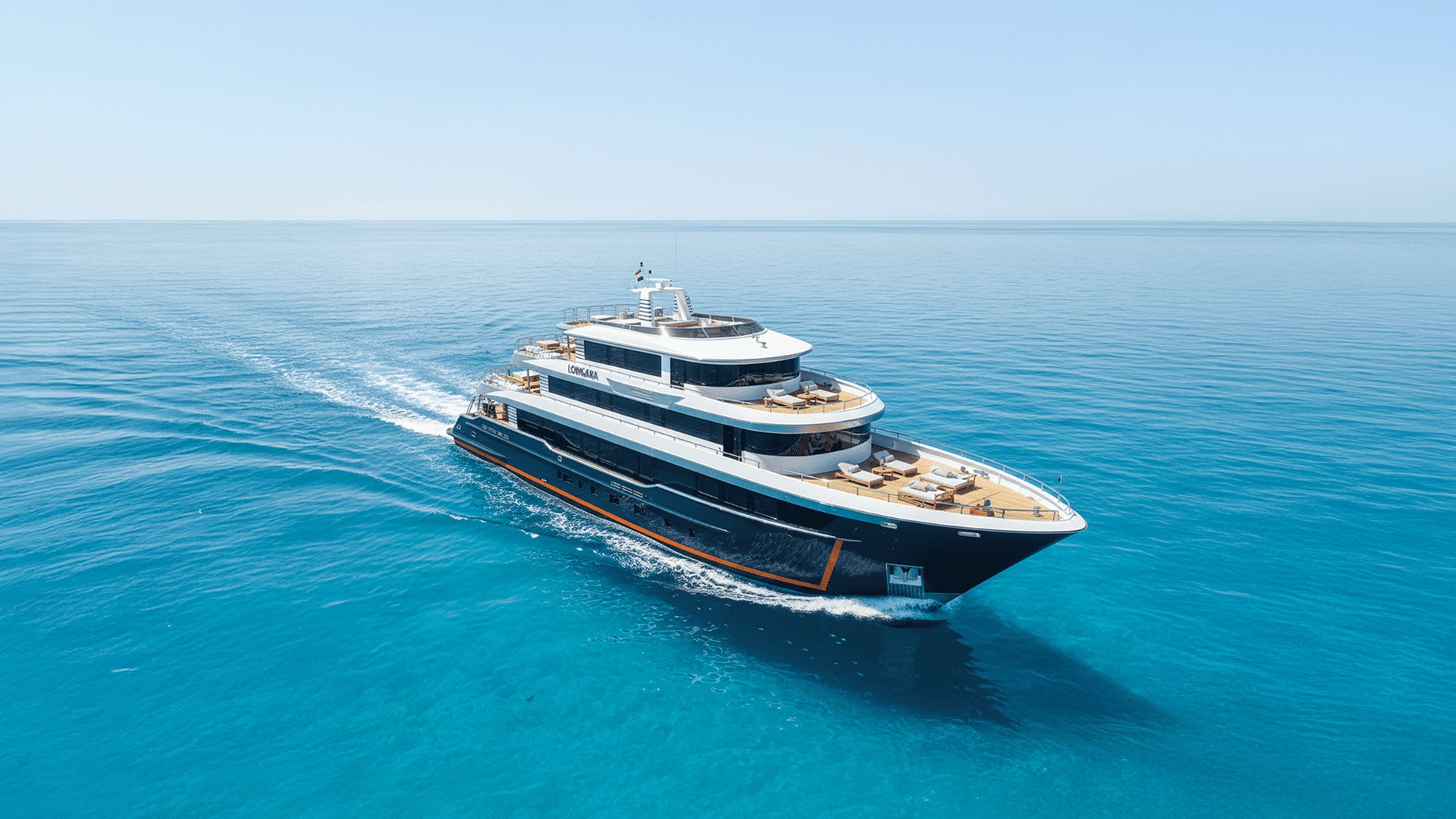
DUNE Longara
Egypt
30 guests
$149/day
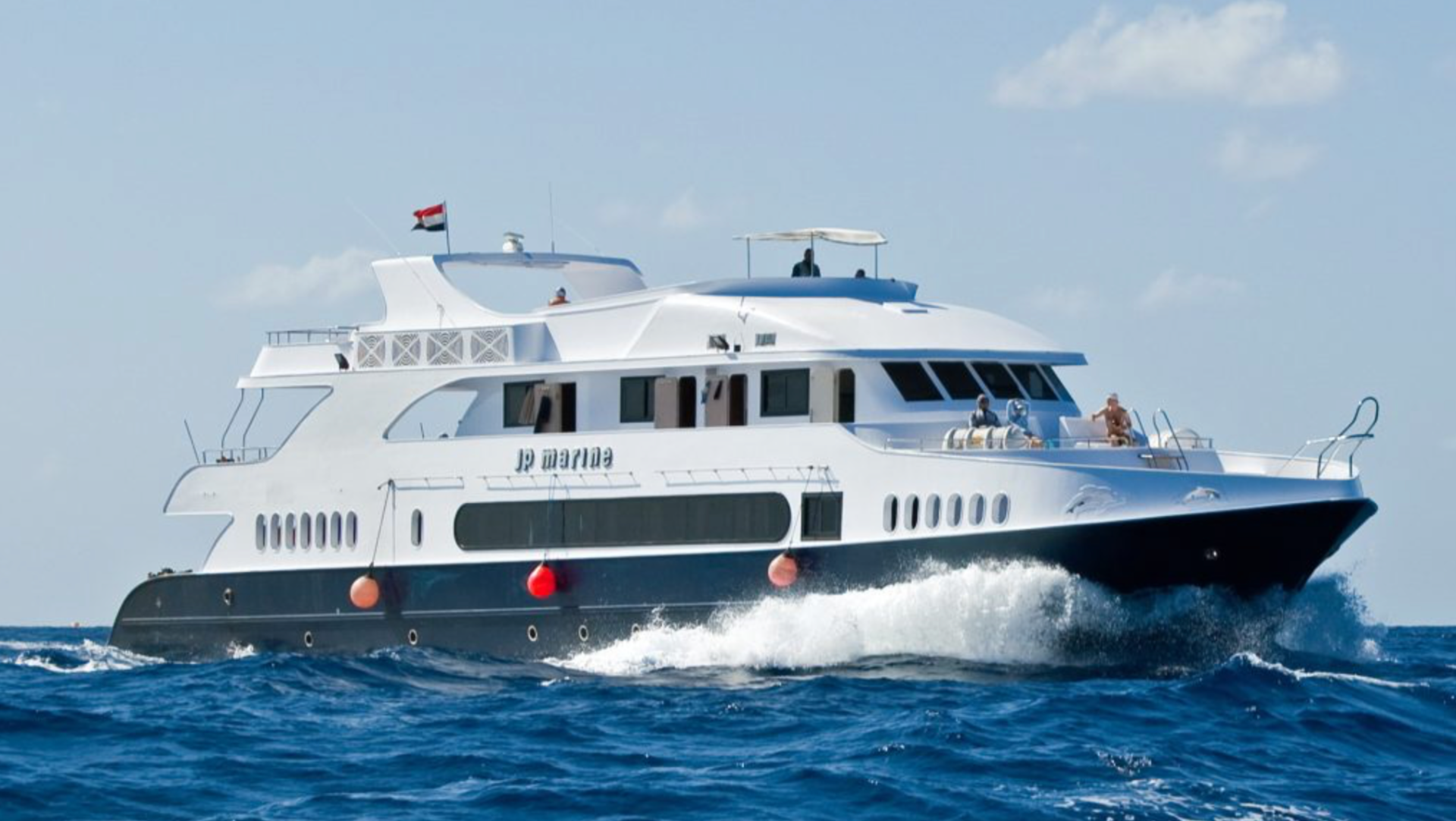
JP Marine
Egypt
28 guests
$108/day
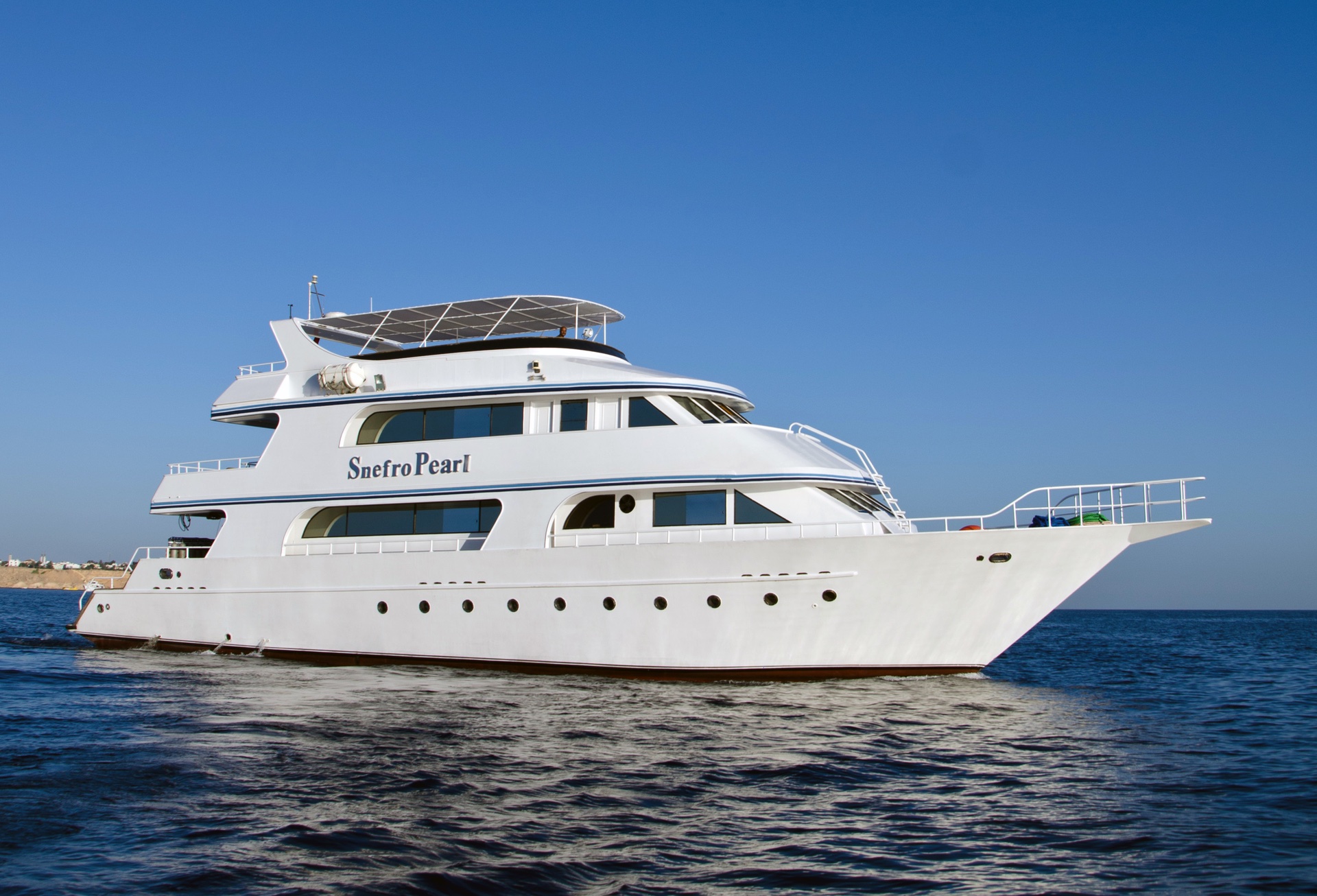
Snefro Pearl
Egypt
12 guests
$150/day
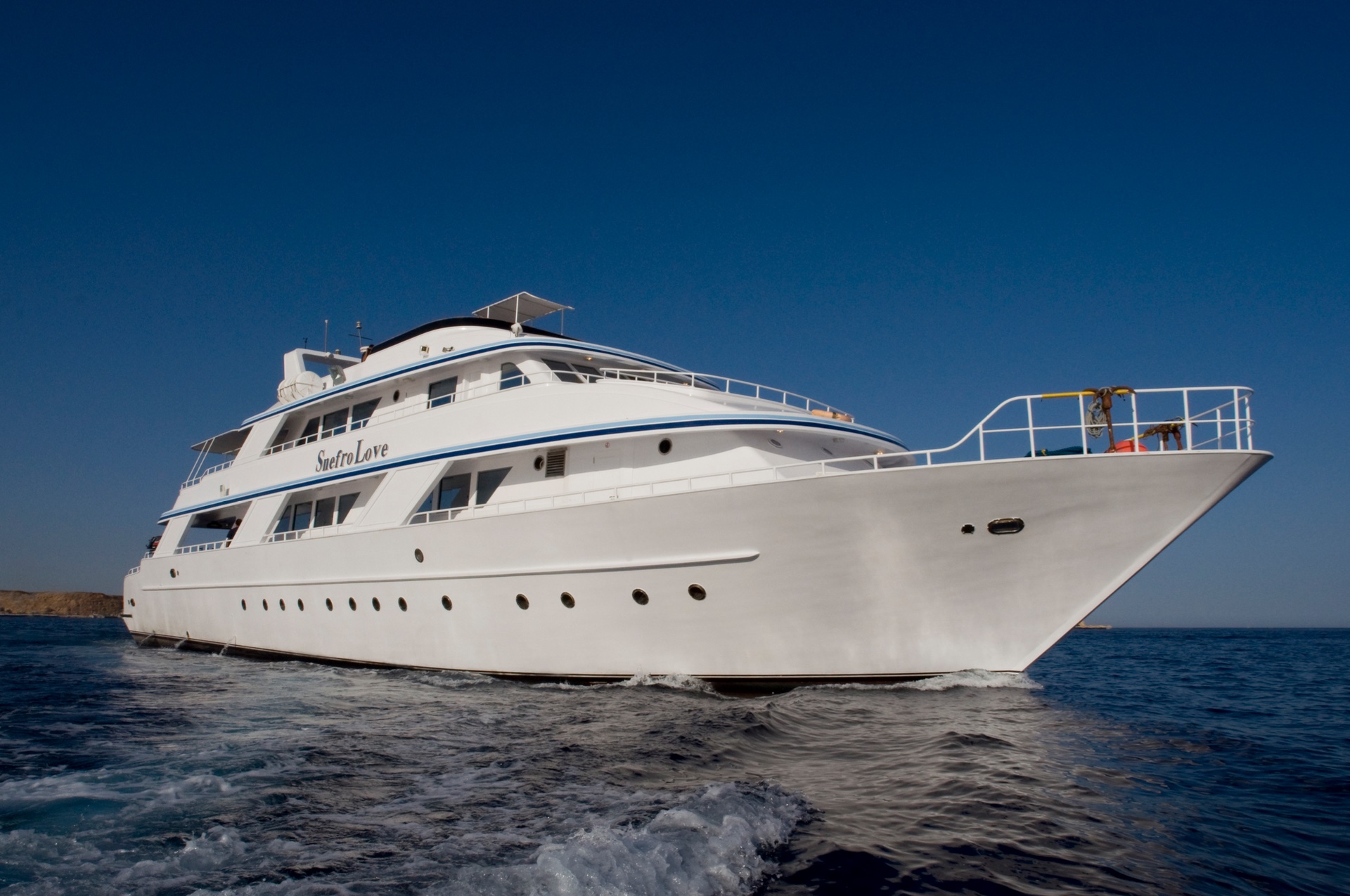
Snefro Love
Egypt
20 guests
$154/day
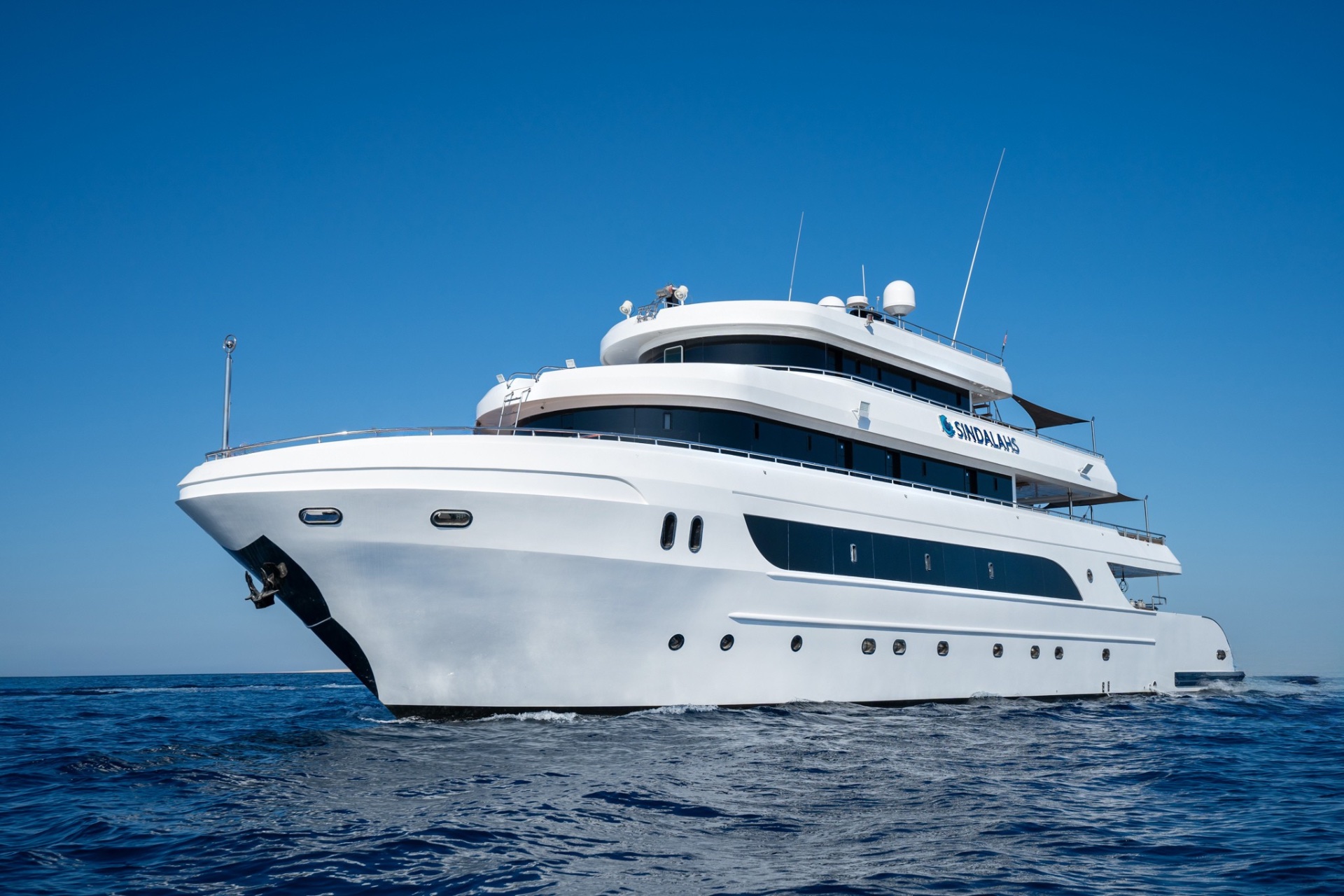
Sindalahs
Egypt
26 guests38 m
$155/day
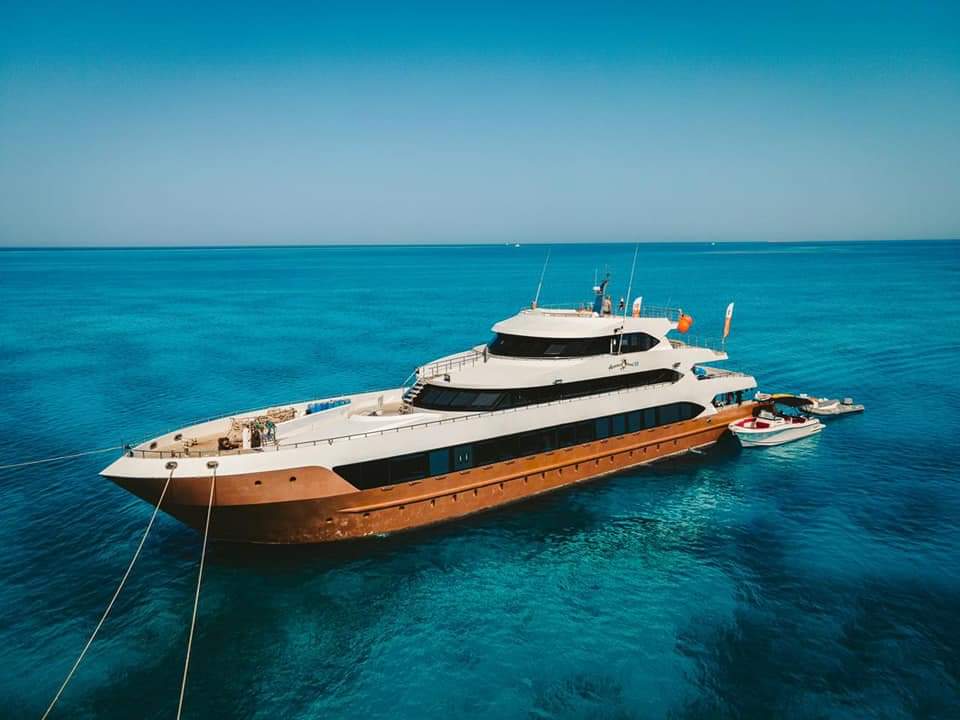
Hammerhead II
Egypt
20 guests
$171/day
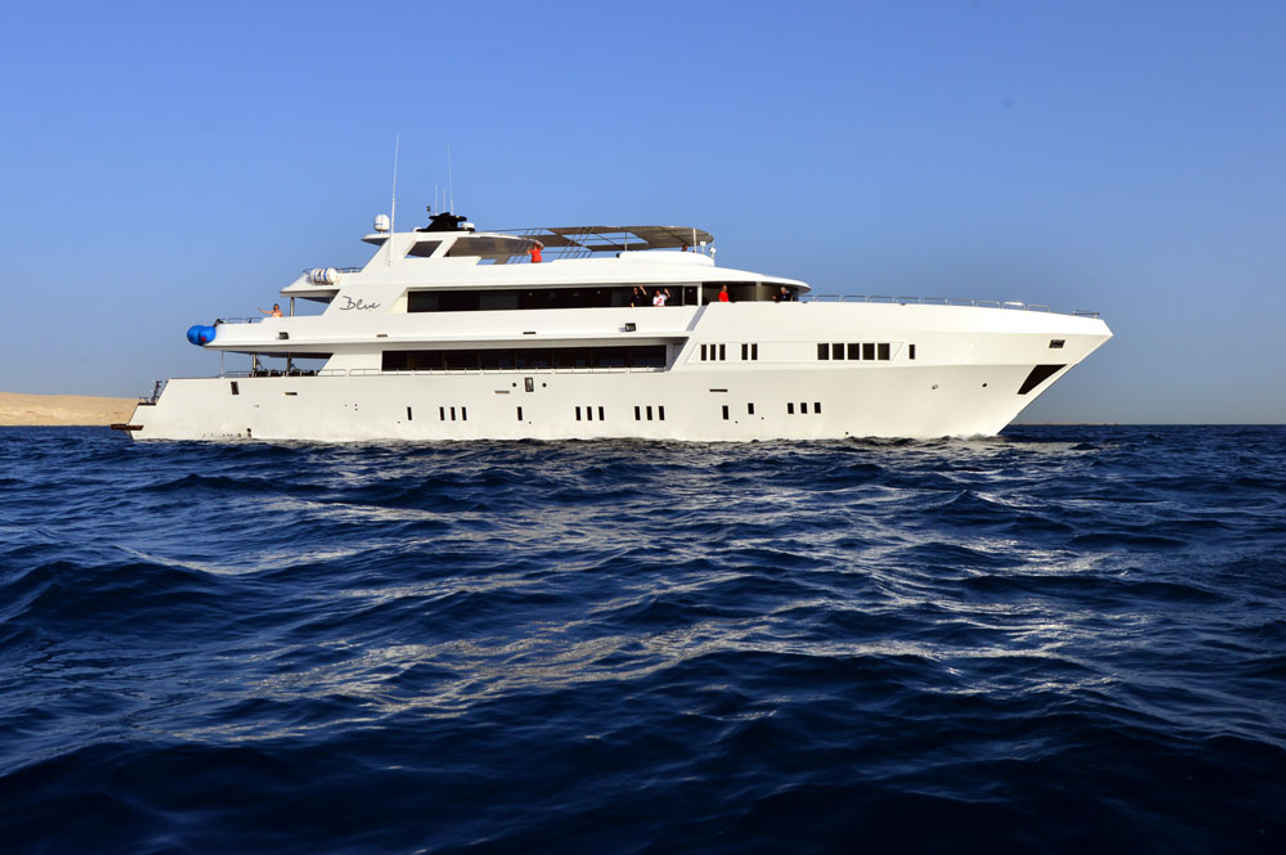
Blue Liveaboard
Egypt
24 guests43 m
$171/day
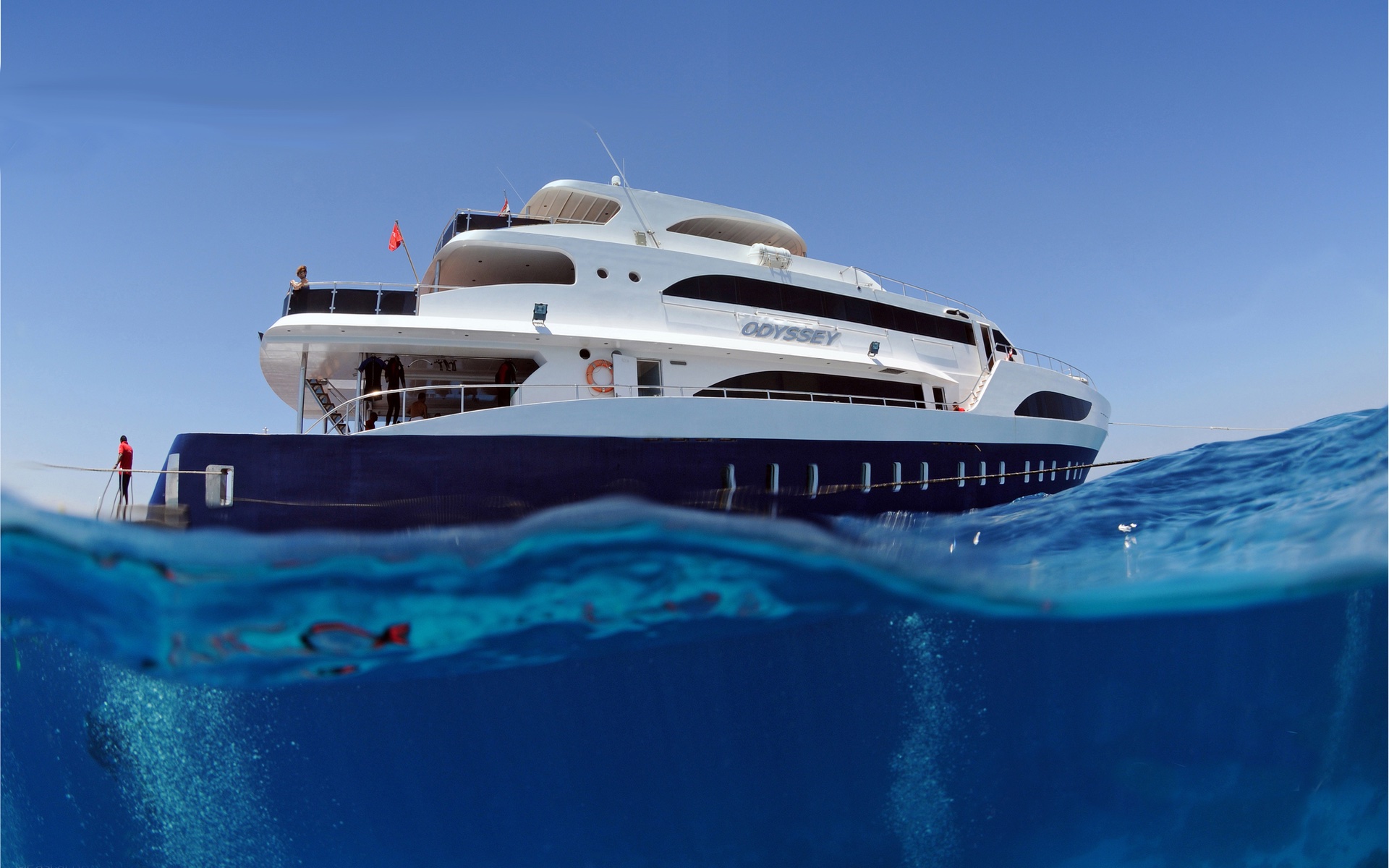
Odyssey
Egypt
26 guests40 m
$184/day
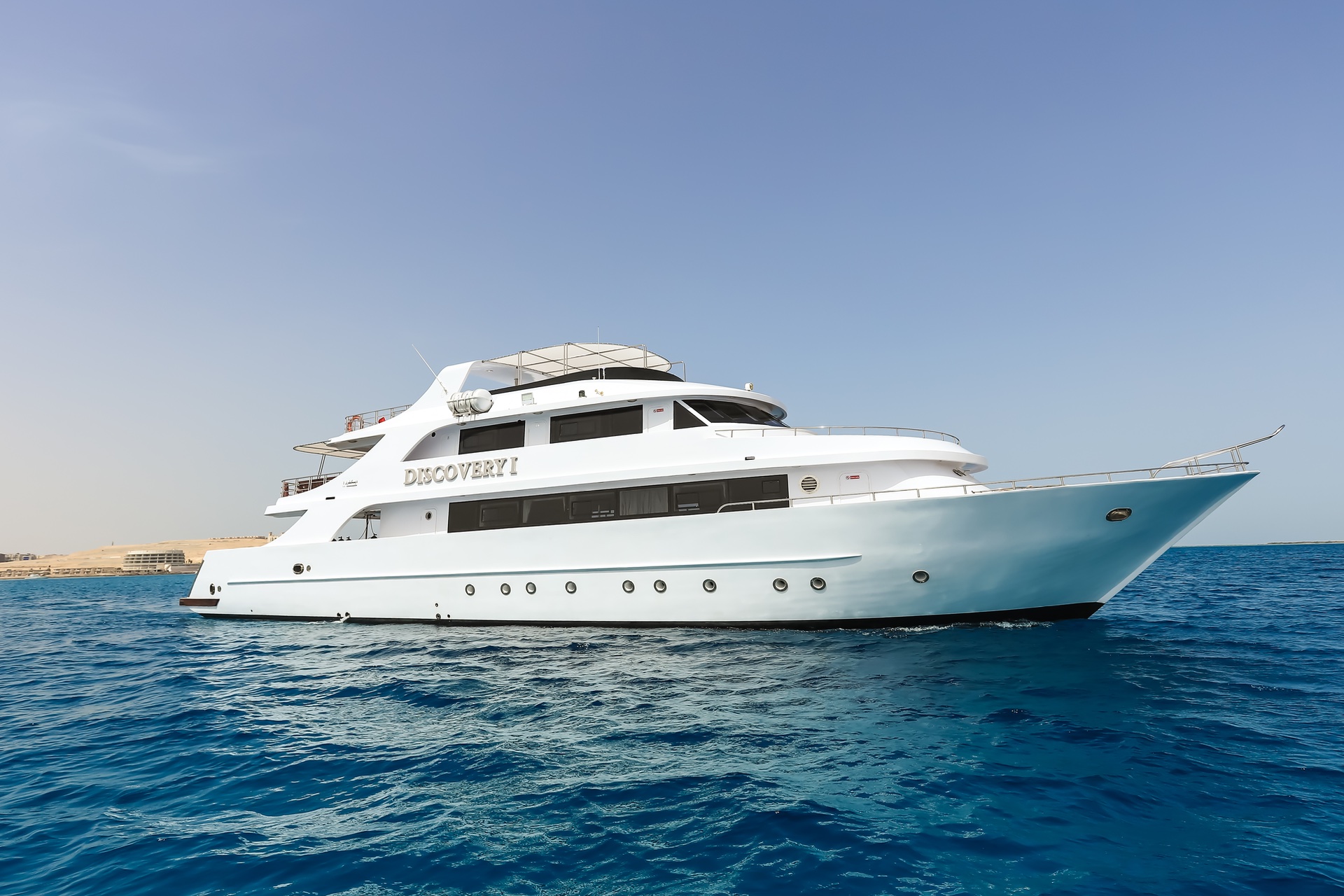
Discovery I
Egypt
20 guests
$103/day
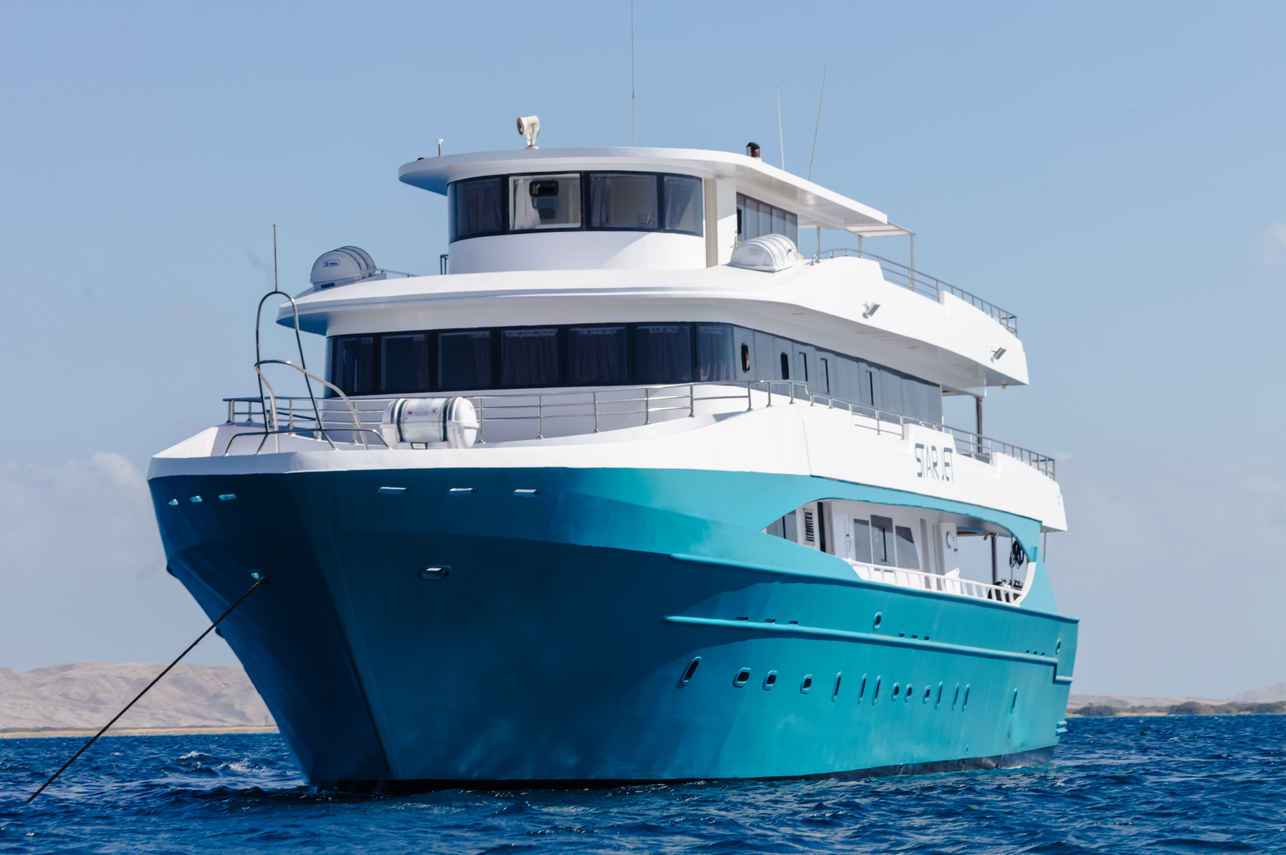
Star Jet
Egypt
28 guests35 m
$145/day
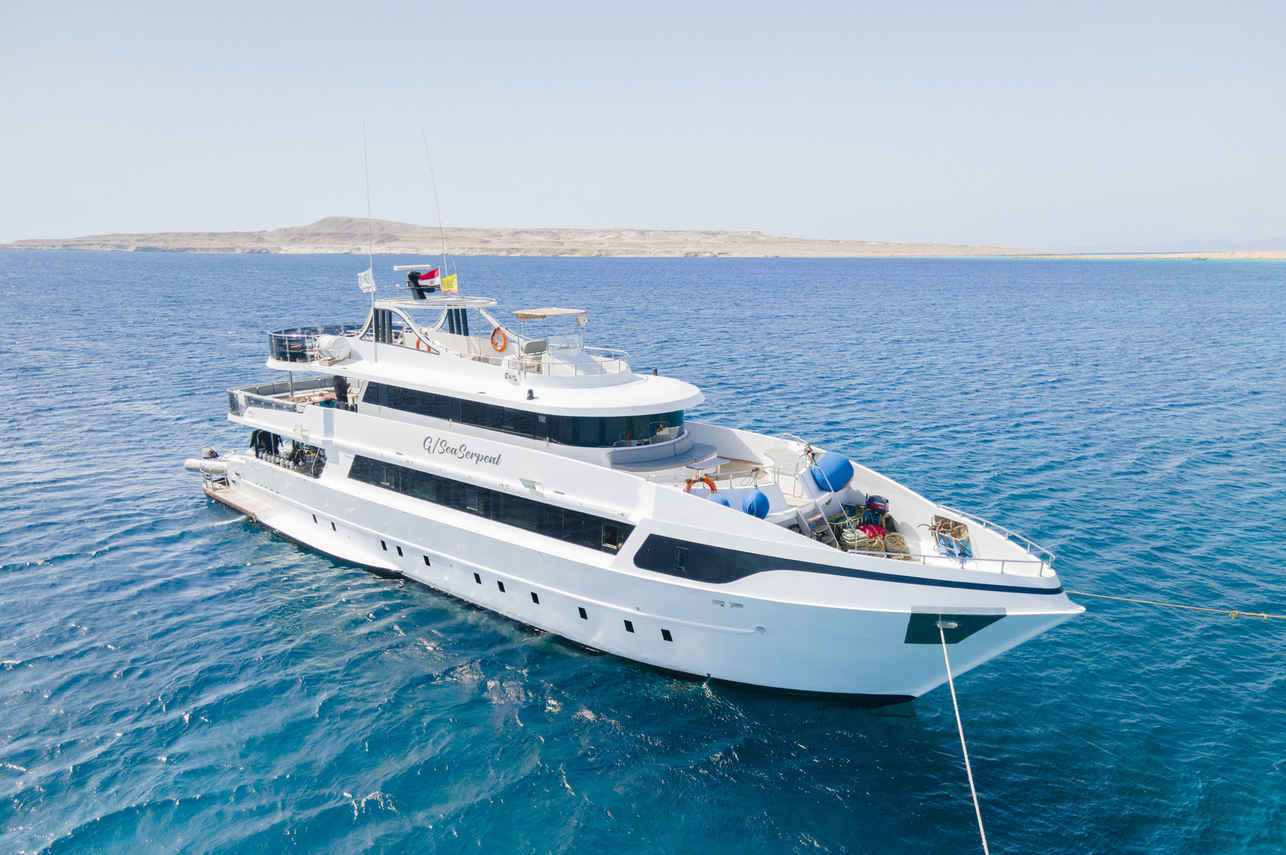
SS Serena Dreams
Egypt
18 guests33 m
$168/day
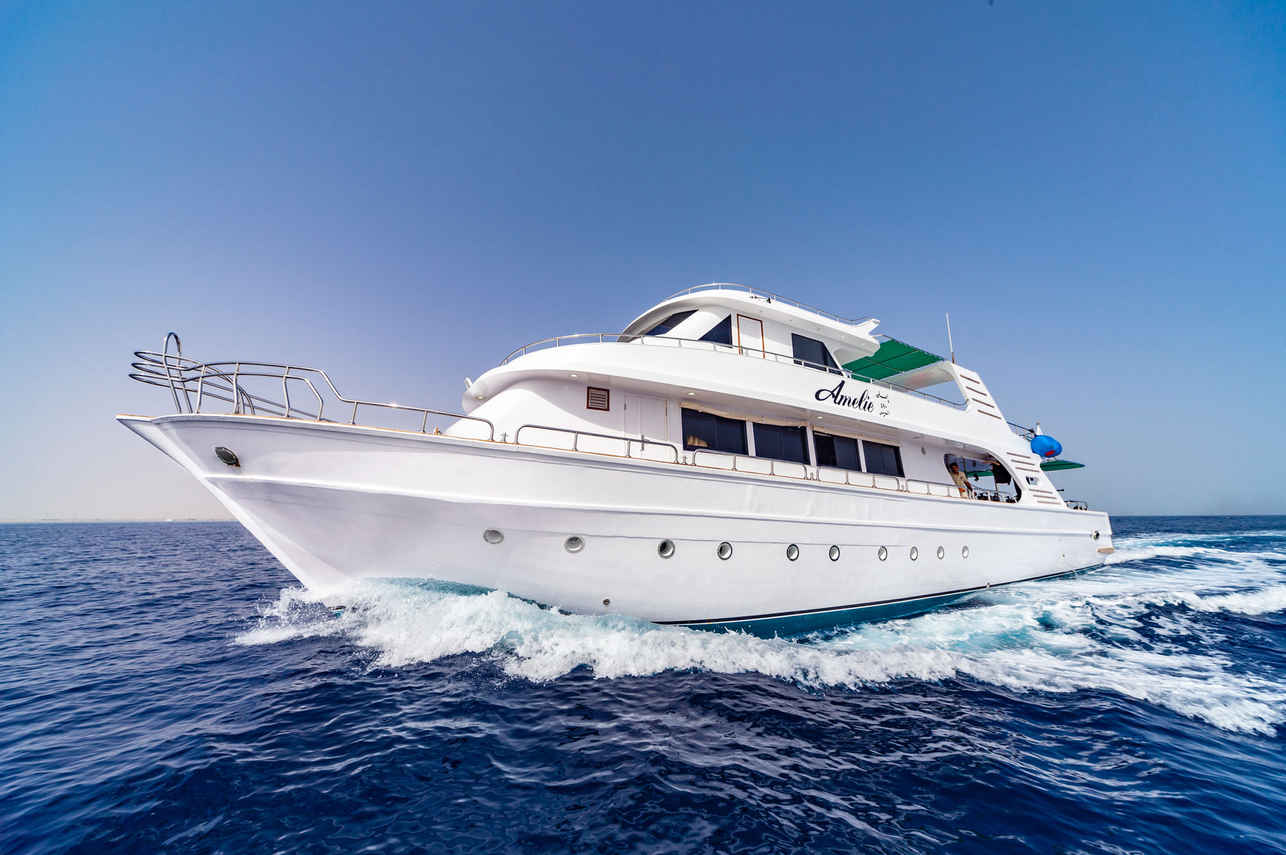
Amelie
Egypt
12 guests23 m
$115/day
Dive sites similar to Tiran Island
Same character, same waters — six more sites divers love for the exact same reasons.Compare seasons, access and liveaboard routes — then pick the site that fits your trip best.
© Esri — Maxar, Earthstar, GIS
Carless Reef
Egypt
Carless Reef is a renowned advanced dive site near Hurghada, notable for its two prominent coral pinnacles that rise from a sandy bottom at 30 meters.
- Suitable for
- Advanced
- Current
- Strong
- Access
- Dayboat
- Depth
- 15–40 m
- Theme
- Reef / Drift
© Esri — Maxar, Earthstar, GIS
Cape Rouge
Djibouti
Cape Rouge is a notable dive site in Djibouti, known for its pristine underwater environment where the Red Sea meets the Indian Ocean.
- Suitable for
- Advanced
- Current
- Mild
- Access
- Liveaboard or dayboat
- Depth
- 15–40 m
- Theme
- Reef
© Esri — Maxar, Earthstar, GIS
Farasan Islands
Saudi Arabia
The Farasan Islands, situated in the southern Red Sea off the coast of Jazan, represent Saudi Arabia's premier destination for biodiverse diving.
- Suitable for
- Advanced
- Current
- Strong
- Access
- Liveaboard only
- Depth
- 10–40 m
- Theme
- Wall / Reef
© Esri — Maxar, Earthstar, GIS
Gota Soraya
Egypt
Gota Soraya stands out as one of the Red Sea's premier wall dives, located in the southern region near the Sudanese border.
- Suitable for
- Advanced
- Current
- Moderate
- Access
- Liveaboard only
- Depth
- ≤ 20 m
- Theme
- Wall
© Esri — Maxar, Earthstar, GIS
Umm Kharalim
Egypt
Umm Kharalim, also known as St. John's Caves, is a distinctive dive site nestled within the remote St. John's reef system in the southern Red Sea, close to Egypt's border with Sudan.
- Suitable for
- Advanced
- Current
- Strong
- Access
- Liveaboard only
- Depth
- 3–15 m
- Theme
- Cave & cavern
© Esri — Maxar, Earthstar, GIS
Marsa Abu Dabab
Egypt
Marsa Abu Dabab is a distinctive, horseshoe-shaped bay located on Egypt's southern Red Sea coast, approximately 35 kilometers north of Marsa Alam town.
- Suitable for
- Beginner
- Current
- Moderate
- Access
- Shore / dayboat
- Depth
- 2–20 m
- Theme
- Reef