About Shaab Abu Nuhas (Carnatic)
The Carnatic, a British mail steamer that met its fate on the Abu Nuhas reef in 1869, offers a captivating dive into maritime history. As the oldest accessible wreck in the Red Sea, its wooden hull has long since disintegrated, leaving behind an elegant skeleton of iron ribs that stand like a gothic cathedral underwater. Every beam of this 90-meter vessel is now covered in brilliant soft corals, creating a vivid tapestry of marine life. Lying on its port side at a maximum depth of 26 meters, the Carnatic's bow reaches up to 12 meters, making it suitable for a range of divers. The wreck's exposed framework and abundant entry points allow for easy penetration, revealing the holds, the four-cylinder steam engine, and boilers. This site is particularly known for its dense clouds of glassfish that fill the interior spaces, guarded by redmouth groupers. The Carnatic is part of the infamous 'Ships' Graveyard' at Shaab Abu Nuhas, a submerged reef notorious for claiming vessels due to its hidden location in a busy shipping lane. The consistent warm waters and moderate currents typical of the Red Sea make this a comfortable and rewarding dive. Its rich history and biological transformation ensure a unique experience for wreck enthusiasts and marine life observers alike.
Highlights
Oldest Red Sea wreck (1869)Iron ribs structureAbundant soft coralsGlassfish cloudsFour-cylinder steam enginePropeller and rudderHistoric cargo remnants
Season calendar
Best months to dive here
Jan
Feb
Mar
Apr
May
Jun
Jul
Aug
Sep
Oct
Nov
Dec
Excellent
Good
Mar – May & Sep – Nov (Peak)
Best conditions with 30m+ visibility, comfortable water temps 24–28°C. Hammerhead sharks at Brothers, thresher sharks at Elphinstone.
Jun – Aug & Dec – Feb (Shoulder)
Jun–Aug: hot topside but warm water, good for southern routes. Dec–Feb: cooler water (21–23°C) attracts oceanic whitetips at Elphinstone. Still excellent visibility.
Dive site facts: Shaab Abu Nuhas (Carnatic)
- Depth
- 12–26 m
- Current
- Moderate
- Visibility
- 20–40 m
- Water temperature
- 21–30°C
- Entry
- Zodiac / liveaboard
- Level
- Open Water Diver
- Dive type
- Wreck, coral reef
- Night dive
- Possible
- Region / port
- Northern Red Sea, Hurghada
- Coordinates
- 27.585, 33.92
Conditions & Currents
Currents at Abu Nuhas, where the Carnatic lies, can be moderate, especially where currents from the Suez Canal meet. While generally manageable, divers should be aware that conditions can be challenging, a factor contributing to the reef's notoriety as a 'Ships' Graveyard'. Most dive operators utilize motorized tenders for drop-offs and pick-ups, allowing liveaboards to anchor in more sheltered areas. Visibility typically ranges from 20 to 40 meters, but can occasionally reduce to 20-25 meters during spring plankton blooms. Water temperatures remain warm year-round, ranging from 21-30°C, with minimal thermoclines.
Marine life & sighting chances

Glassfish
common
Redmouth Grouper
common
Moray Eel
occasional
Lionfish
occasional
Barracuda
occasional
Reef Fish
common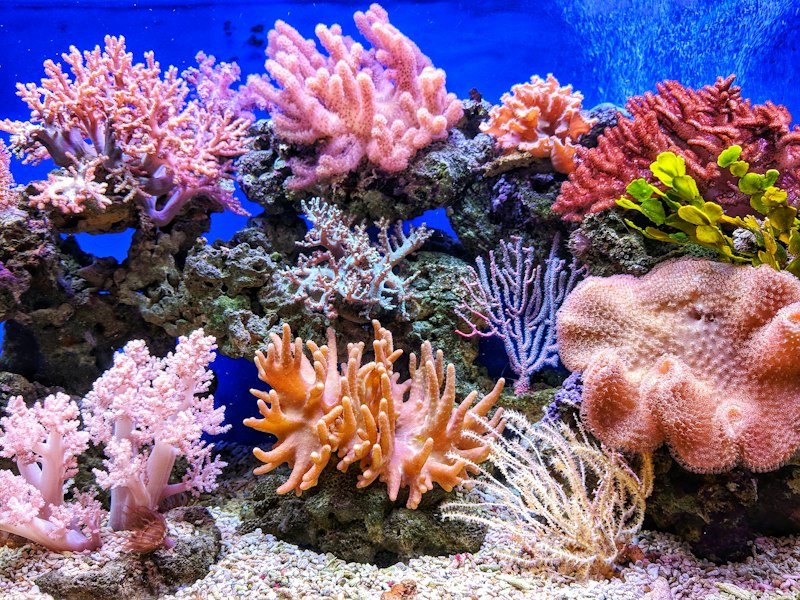
Soft Corals
common
Anemones
occasionalDive profile & how the dive runs
Your dive at the Carnatic typically begins with a zodiac drop, positioning you above the wreck. Descend along the wreck, which lies parallel to the reef. Start by exploring the stern, heading towards the intact three-bladed propeller and rudder at 22 meters. Move forward along the port side, observing the curved structures and lifeboat davits, which are heavily encrusted with marine life. Enter the stern section to find three deck levels, often filled with glassfish and redmouth groupers. Continue to the after mast, then return to the bottom of the wreck to locate the prop shaft tunnel and shaft. A swim-through provides access to the crankshaft, flywheel, and the remains of the boilers. The center section is collapsed but offers numerous compartments. Progress to the bow section, where you can still find remnants of her cargo, anchor capstan, and chains. The dive concludes by ascending along the iconic upright beak of the bow for your safety stop.
Underwater photography
The Carnatic is a superb subject for underwater photography, particularly for wide-angle shots due to its skeletal iron ribs resembling a cathedral. A wide-angle lens will capture the grandeur of the wreck and the profuse soft coral growth. For interior shots, especially of the glassfish swarms within the holds, external strobes or video lights are highly recommended to illuminate the subjects and minimize backscatter, as ambient light can be limited. Patience is key when trying to capture the elusive redmouth groupers guarding the glassfish. Maintain excellent buoyancy control to avoid disturbing the delicate corals and silt on the wreck, ensuring clear shots and preserving the site. Early morning dives often provide the best light penetration for dramatic effects.
Combine with nearby dive sites
- Abu Nuhas
A reef known as the 'Ships' Graveyard' featuring multiple wrecks including Giannis D, Kimon M, and Chrisoula K.
- SS Thistlegorm
A legendary WWII British cargo ship wreck, filled with historical artifacts and vehicles.
- Giannis D
One of the most popular wrecks at Abu Nuhas, known for its intact stern and engine room penetration.
- Rosalie Moller
A deeper shipwreck accessible from Northern Red Sea liveaboard itineraries.
- Ras Mohammed
A national park offering vibrant coral reefs and diverse marine life.
- The Dunraven
Another historical wreck in the northern Red Sea, featuring a steamship with abundant marine growth.
Getting there & logistics
Diving the Carnatic is primarily done via liveaboard itineraries that traverse the Northern Red Sea, often departing from Hurghada or Sharm el-Sheikh. These trips typically last several days, offering multiple dives daily. The closest international airport to Hurghada is Hurghada International Airport (HRG), while Sharm el-Sheikh International Airport (SSH) serves as the gateway for trips departing from there. Liveaboards provide the most convenient access to remote sites like Abu Nuhas. Ensure your liveaboard package includes any necessary park fees or permits, although these are usually handled by the operator. The Carnatic is frequently combined with other wrecks of Shaab Abu Nuhas and other famous Northern Red Sea sites like the SS Thistlegorm and Ras Mohammed National Park.
Safety & environment
For diving in the Red Sea, comprehensive dive insurance covering emergency medical treatment and evacuation is highly recommended. The nearest recompression chambers are located in Hurghada and Sharm el-Sheikh, but evacuation from remote sites like Abu Nuhas can be complex and time-consuming, necessitating careful dive planning. Always dive within your certified limits and adhere to your dive computer's no-decompression limits, especially when exploring wreck interiors. Excellent buoyancy control is crucial to prevent entanglement in the wreck or disturbing delicate corals and silt. Always dive with a qualified guide, particularly for penetration dives, and carry a torch to navigate darker sections of the wreck. Be mindful of potential currents and always follow your dive guide's instructions for entry and exit.
Who it suits, and who it doesn't
Suited for
- Open Water divers with good buoyancy
- Wreck diving enthusiasts
- Underwater photographers
- History buffs
- Divers seeking vibrant soft corals
Less suited for
- Absolute beginner divers (due to potential currents and wreck environment)
- Divers uncomfortable with overhead environments (for interior exploration)
- Those who prefer purely pelagic encounters
- Divers prone to seasickness (as the site can have some surface motion)
FAQ
Shaab Abu Nuhas (Carnatic) FAQ
What is the history of the Carnatic wreck?
The Carnatic was a British mail steamship that sank in 1869 after striking the Abu Nuhas reef. It was carrying passengers, mail, and cargo including fine wines and blank coins for the Indian mint from Suez to Bombay. Despite initial belief that the ship was sound, it eventually broke apart and sank, making it the oldest diveable wreck in the Red Sea.
What marine life can be seen on the Carnatic?
The Carnatic is heavily colonized by soft corals, transforming its iron ribs into a vibrant reef. Divers frequently encounter dense schools of glassfish inhabiting the wreck's interior, often guarded by redmouth groupers. Other common sightings include various reef fish, moray eels, and lionfish around the wreck structure.
What is the typical depth and visibility at the Carnatic?
The Carnatic wreck lies on its port side, with its deepest point at 26 meters and the bow rising to 12 meters. Visibility is generally excellent, ranging from 20 to 40 meters. However, it can occasionally reduce to 20-25 meters during spring plankton blooms, which can add to the atmospheric feel of the wreck.
Is the Carnatic suitable for Open Water divers?
Yes, the Carnatic is suitable for Open Water certified divers due to its relatively shallow depth and good ambient light. While some sections allow for easy penetration, divers should possess good buoyancy control and be comfortable with wreck environments. Specialized wreck diving training is recommended for more extensive interior exploration.
How is the Carnatic typically accessed for diving?
The Carnatic is predominantly accessed via liveaboard trips operating in the Northern Red Sea. Liveaboards typically depart from Hurghada or Sharm el-Sheikh and incorporate Abu Nuhas into multi-day itineraries. Divers are usually transferred to the dive site by zodiac for direct entry onto the wreck.
Why dive Shaab Abu Nuhas (Carnatic) from a liveaboard?
Shaab Abu Nuhas (Carnatic) is one of Egypt's signature dive sites. A liveaboard sleeps you on the water and puts you in the water for three to four guided dives per day, including dawn and night dives that day-boat operators rarely offer. You skip the daily commute back to port and reach quieter, less-crowded sites in the same region on a single trip.
Below are the liveaboards that include Shaab Abu Nuhas (Carnatic) on their Egypt itineraries.
Liveaboards diving Shaab Abu Nuhas (Carnatic)
These liveaboards may visit Shaab Abu Nuhas (Carnatic) on selected itineraries, the exact dive sites depend on departure, weather and conditions.

DUNE Longara
Egypt
30 guests

JP Marine
Egypt
28 guests

Snefro Pearl
Egypt
12 guests

Snefro Love
Egypt
20 guests

Sindalahs
Egypt
26 guests38 m

Hammerhead II
Egypt
20 guests

Blue Liveaboard
Egypt
24 guests43 m

Odyssey
Egypt
26 guests40 m

Discovery I
Egypt
20 guests

SS Serena Dreams
Egypt
18 guests33 m

Blue Pearl
Egypt
20 guests36 m

Alsuraya
Egypt
24 guests37 m
Dive sites similar to Shaab Abu Nuhas (Carnatic)
Same character, same waters, six more sites divers love for the exact same reasons.Compare seasons, access and liveaboard routes, then pick the site that fits your trip best.
© EsriMaxar, Earthstar, GIS
Abu Dabbab
Egypt
Abu Dabbab stands out as one of the Red Sea's most celebrated dive destinations, particularly notable for being a rare location where divers can encounter the endangered dugong.
- Suitable for
- Beginner
- Current
- Strong
- Access
- Shore / dayboat
- Depth
- 3–20 m
- Theme
- Reef
© EsriMaxar, Earthstar, GIS
Abu Galawa
Saudi Arabia
Abu Galawa is a prominent dive site within Saudi Arabia's Red Sea, specifically located among the Seven Sisters reefs near Yanbu.
- Suitable for
- Intermediate
- Current
- Strong
- Access
- Liveaboard or dayboat
- Depth
- 5–40 m
- Theme
- Reef / Wall
© EsriMaxar, Earthstar, GIS
Abu Galawa Kebir
Egypt
Abu Galawa Kebir is a premier dive site located in the southern Red Sea, situated on the northwestern edge of the extensive Fury Shoal reef system.
- Suitable for
- Beginner
- Current
- Strong
- Access
- Liveaboard or dayboat
- Depth
- 3–18 m
- Theme
- Wreck
Abu Nuhas, often called the "ship's graveyard" of the Red Sea, is a triangular coral reef situated at the northern edge of the Strait of Gubal.
- Suitable for
- Beginner
- Current
- Strong
- Access
- Liveaboard or dayboat
- Depth
- 4–24 m
- Theme
- Wreck
The Aida is a prominent wreck dive site located in the Egyptian Red Sea, frequently visited on liveaboard itineraries that traverse the central region between the northern and southern dive sites.
- Suitable for
- Advanced
- Current
- Strong
- Access
- Liveaboard only
- Depth
- 25–65 m
- Theme
- Wreck / Drift
© EsriMaxar, Earthstar, GIS
Al Lith Mangrove Reef
Saudi Arabia
Al Lith Mangrove Reef, located approximately 210 km south of Jeddah, serves as the primary launch point for exploring the renowned Farasan Banks.
- Suitable for
- Beginner
- Current
- Strong
- Access
- Shore / dayboat
- Depth
- 3–15 m
- Theme
- Reef / Wall