About Rosalie Moller
The Rosalie Moller is a historic cargo ship wreck located in the northern Red Sea, often visited alongside its more famous sister ship, the SS Thistlegorm. Bombed and sunk by German air attacks in October 1941 while carrying coal, she now rests upright on a sandy seabed, providing a dramatic underwater spectacle. This site is renowned for its historical significance and the fascinating interaction between the wreck and the marine ecosystem it supports. While the deepest point of the wreck is at 55 meters, the main deck is accessible around 35 meters, and the mast reaches up to 18 meters, allowing various depth explorations. Unlike the Thistlegorm, much of the cargo was removed, though divers can still observe significant structural elements like the huge rudder, propeller, and the ship's funnel. The wreck's hard and soft corals attract a diverse array of fish, making it a vibrant artificial reef. The Rosalie Moller is best experienced by advanced divers due to its depth and potential for currents. Visibility can vary, sometimes limited by silt, but it generally offers good conditions for exploring its historical features and abundant marine life. Many divers choose liveaboards to fully appreciate this site, often combining it with other notable wrecks and reefs in the northern Red Sea.
Highlights
Historic WWII cargo ship wreckSister ship to SS ThistlegormDeep dive for experienced diversAbundant hard and soft coral growthLarge rudder and propeller visibleDiverse pelagic and reef fishAccessible holds and bridge
Season calendar
Best months to dive here
Jan
Feb
Mar
Apr
May
Jun
Jul
Aug
Sep
Oct
Nov
Dec
Good
Dive site facts: Rosalie Moller
- Depth
- 18–55 m
- Typical dive
- 35–55 m
- Current
- Light to strong
- Visibility
- 10–20 m
- Water temperature
- 23–29 °C (73–84 °F)
- Entry
- Tender / Negative entry
- Level
- Advanced Divers
- Dive type
- Wreck, Deep
- Night dive
- Possible
- Region / port
- Northern Red Sea / Hurghada, Sharm El Sheikh
- Coordinates
- 27.8, 33.8833
Conditions & Currents
Currents at the Rosalie Moller are generally gentle, yet occasional strong currents can occur, especially closer to the surface. Divers should be prepared for varying conditions, as strong currents can affect visibility, which typically ranges from 10 to 20 meters due to potential siltation. Entry is usually via tender, and negative entry might be necessary if surface conditions are choppy or currents are present. Due to the depth of the wreck, careful bottom time monitoring and gas planning are crucial for all divers. Surface conditions are generally good for pick-up, even if currents necessitate a drift dive.
Marine life & sighting chances
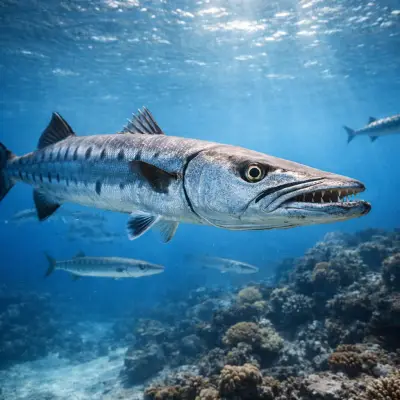
Barracudas
occasional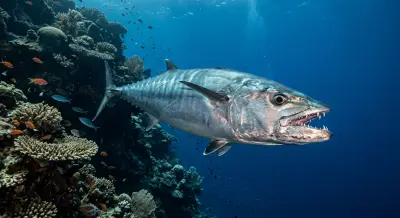
Tunas
occasional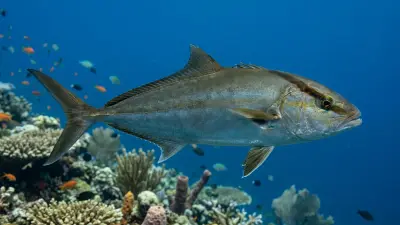
Jacks
occasional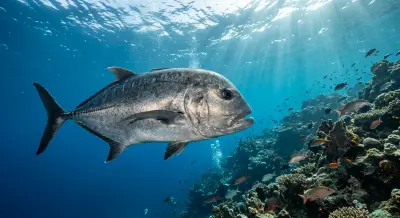
Trevallies
occasional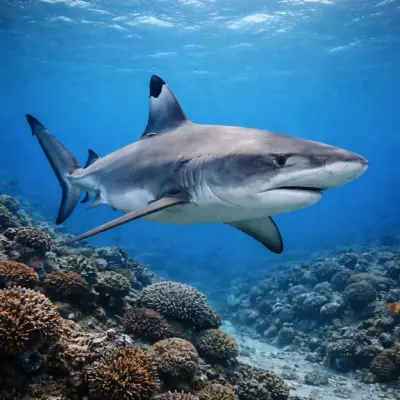
Reef Sharks
occasional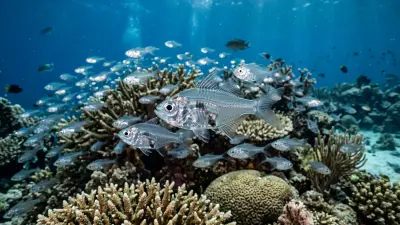
Glassfishes
common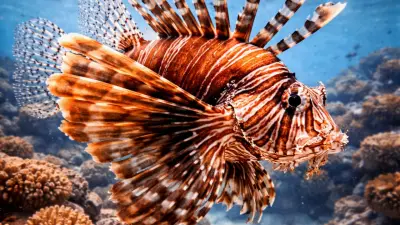
Lionfishes
February–September · common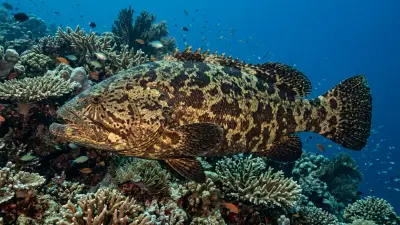
Groupers
common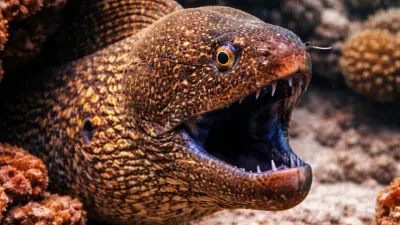
Moray Eel
May–July · occasional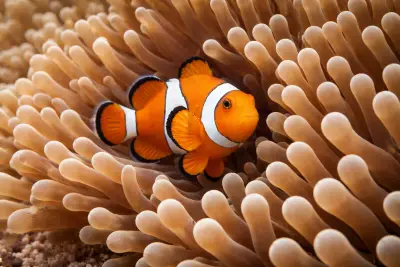
Clownfish
May–July · occasional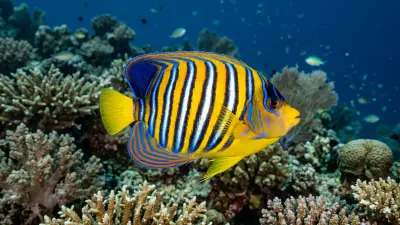
Angelfish
May–June · rare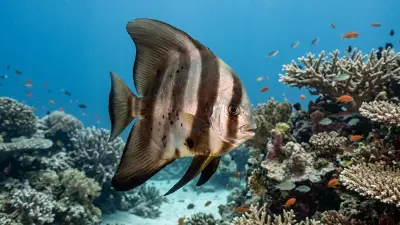
Batfish
occasional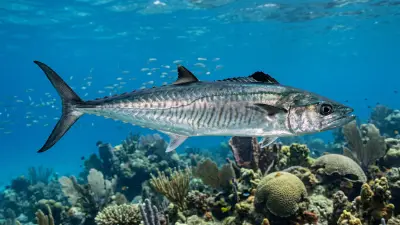
Mackerel
occasionalDive profile & how the dive runs
Diving the Rosalie Moller typically begins with a descent to the mast, which starts at 18 meters. From there, you can explore the main deck at 35 meters. A common route involves moving along the main deck, observing the handrails and any remaining features, then descending deeper to the stern to see the massive rudder and propeller at 55 meters. Penetration into the holds and bridge is possible for appropriately qualified divers, though the interior contains fewer artifacts than some other wrecks. After exploring the deeper sections, ascend gradually back along the wreck’s superstructure towards the mast. The safety stop is usually conducted in the clear water above the wreck, keeping an eye on boat traffic and currents.
Underwater photography
The Rosalie Moller offers fantastic opportunities for wreck photography, especially with its extensive coral growth and schooling fish. Wide-angle lenses are essential to capture the grandeur of the 108-meter-long ship and its key features like the propeller and funnel. For close-ups of the corals and reef fish inhabiting the wreck, a macro lens can be rewarding. Given the depth and varying visibility, strobes or powerful video lights are recommended to bring out the true colors and detail. Maintain excellent buoyancy control to avoid stirring up silt and to protect the delicate corals that have grown on the wreck. Be mindful of other divers, especially in the more accessible penetration points, to allow everyone a chance to capture their shots.
Combine with nearby dive sites
- SS Thistlegorm
Another iconic WWII wreck, often visited on the same liveaboard itineraries.
- Abu Nuhas
Known as the 'ship graveyard' with multiple wrecks, including the Giannis D and Carnatic.
- Ras Mohammed
A national park with vibrant reefs and walls, including Shark Reef and Yolanda Reef.
- Tiran Island
Offers impressive reef systems with strong currents, attracting pelagic species.
Getting there & logistics
Access to the Rosalie Moller is primarily via liveaboard trips departing from Hurghada or Sharm El Sheikh, as it is a significant distance offshore. While day trips are theoretically possible from these ports, they involve a long 3-hour journey each way, making liveaboards the preferred option for a more relaxed and comprehensive experience. Liveaboards exploring the northern Red Sea typically include the Rosalie Moller alongside other famous wrecks like the SS Thistlegorm and the Abu Nuhas wrecks. Many itineraries are 7-night trips, combining wreck diving with reef exploration. There are no specific park fees directly for the Rosalie Moller, but liveaboard costs include all necessary permits and port fees.
Safety & environment
Diving the Rosalie Moller demands advanced diving skills due to its depth and potential for currents. Divers should carry appropriate certifications and ensure their equipment is well-maintained for deep dives. The nearest recompression chambers are located in Hurghada and Sharm El Sheikh. In case of an emergency, evacuation procedures involve transporting the diver by boat to the nearest port for further medical assistance. Comprehensive dive insurance covering medical emergencies and evacuation is mandatory. Adhere strictly to your dive plan, monitor your no-decompression limits, and ascend slowly. Penetration dives should only be attempted by divers with specialized training and equipment, and never alone. Always dive with a reputable liveaboard operator and follow your dive guide's instructions.
Who it suits — and who it doesn't
Suited for
- Advanced Open Water divers
- Wreck diving enthusiasts
- Deep diving specialists
- Liveaboard adventurers
- Photographers with wide-angle setups
Less suited for
- Beginner divers
- Open Water certified divers
- Divers with limited deep diving experience
- Those prone to narcosis
- Divers uncomfortable with potential currents
FAQ
Rosalie Moller FAQ
What is the Rosalie Moller?
The Rosalie Moller is a British cargo ship that was sunk in October 1941 during World War II by German air raids. She was carrying a cargo of coal and is often referred to as the sister ship to the more famous SS Thistlegorm. The wreck now lies upright on the seabed in the northern Red Sea, serving as a popular and challenging dive site.
How deep is the Rosalie Moller wreck?
The Rosalie Moller rests on a sandy seabed at a depth of 55 meters. The main deck of the wreck is found at approximately 35 meters, while the highest point, the mast, reaches up to about 18 meters below the surface. This depth profile makes it an advanced dive requiring appropriate training and experience.
What kind of marine life can I expect to see at the Rosalie Moller?
The wreck has become an artificial reef, attracting a variety of marine life. You can often spot large pelagic fish such as barracudas, tunas, jacks, and trevallies patrolling the wreck. Closer to the structure, glassfish, lionfish, and groupers are common, along with occasional moray eels and reef sharks. The hard and soft corals growing on the hull also provide shelter for smaller reef species.
Is the Rosalie Moller suitable for all divers?
No, the Rosalie Moller is primarily suitable for advanced divers due to its depth and potential for strong currents. Divers should have experience with deep dives and wreck diving. Technical diving equipment can be used for longer bottom times. Beginners or those with limited deep diving experience are not recommended to dive this site.
How do I get to the Rosalie Moller?
The most common and recommended way to reach the Rosalie Moller is via a liveaboard trip. These typically depart from Hurghada or Sharm El Sheikh. While day trips are theoretically possible, the significant travel time (around 3 hours each way) makes liveaboards a more practical choice for exploring this site, often combined with other Red Sea wrecks and reefs.
What are the typical visibility and water temperatures at the Rosalie Moller?
Visibility at the Rosalie Moller can range from 10 to 20 meters, occasionally lower due to silt, but can also be outstanding. Water temperatures vary by season, generally between 21-24°C (70-75°F) in winter and 26-29°C (79-84°F) in summer. A 3-5mm wetsuit is typically sufficient, depending on personal comfort and dive duration.
Why dive Rosalie Moller from a liveaboard?
Rosalie Moller is one of Egypt's signature dive sites. A liveaboard sleeps you on the water and puts you in the water for three to four guided dives per day, including dawn and night dives that day-boat operators rarely offer. You skip the daily commute back to port and reach quieter, less-crowded sites in the same region on a single trip.
Below are the liveaboards that include Rosalie Moller on their Egypt itineraries.
Liveaboards diving Rosalie Moller
These liveaboards may visit Rosalie Moller on selected itineraries — the exact dive sites depend on departure, weather and conditions.
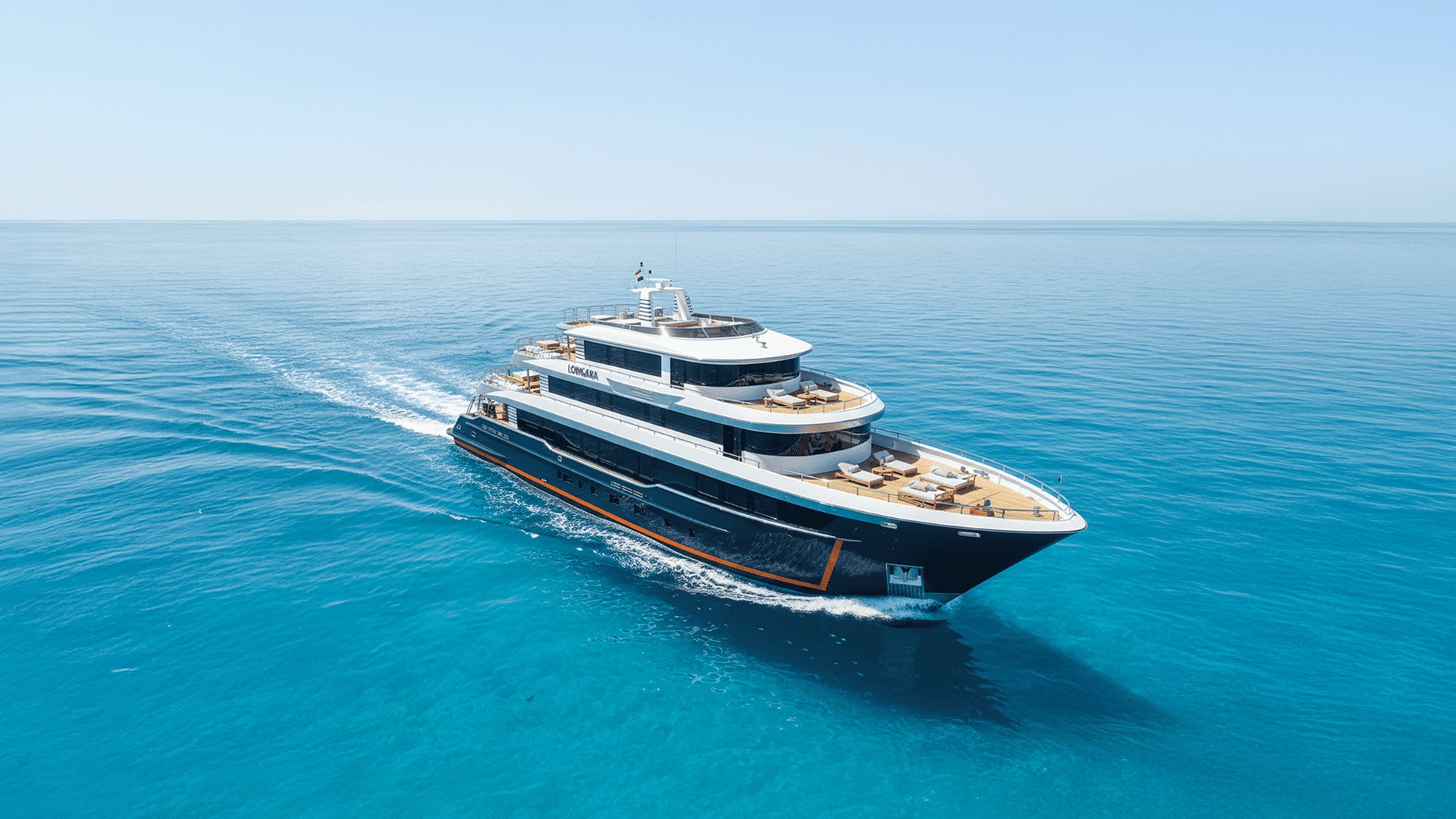
DUNE Longara
Egypt
30 guests
$150/day
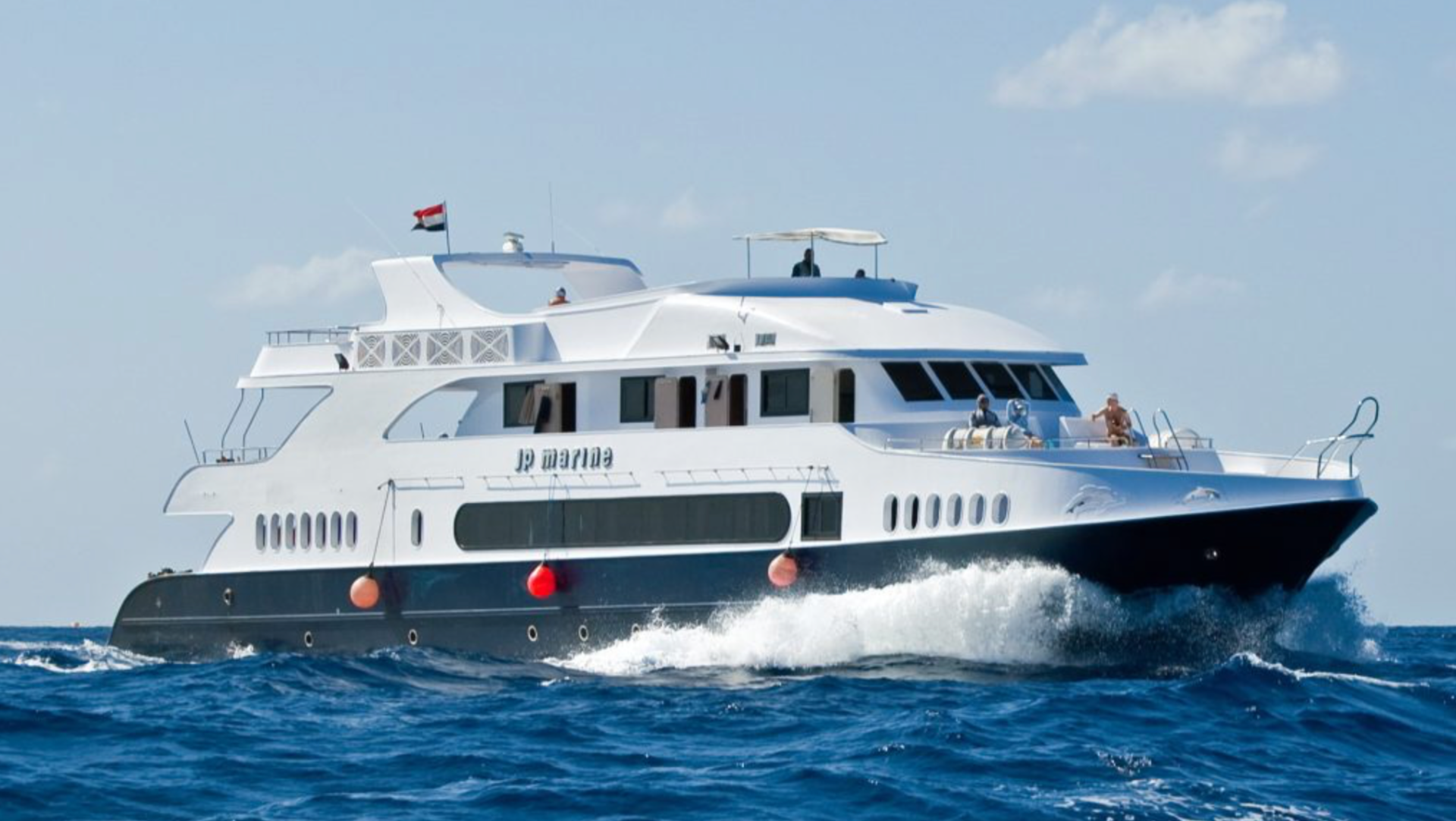
JP Marine
Egypt
28 guests
$109/day
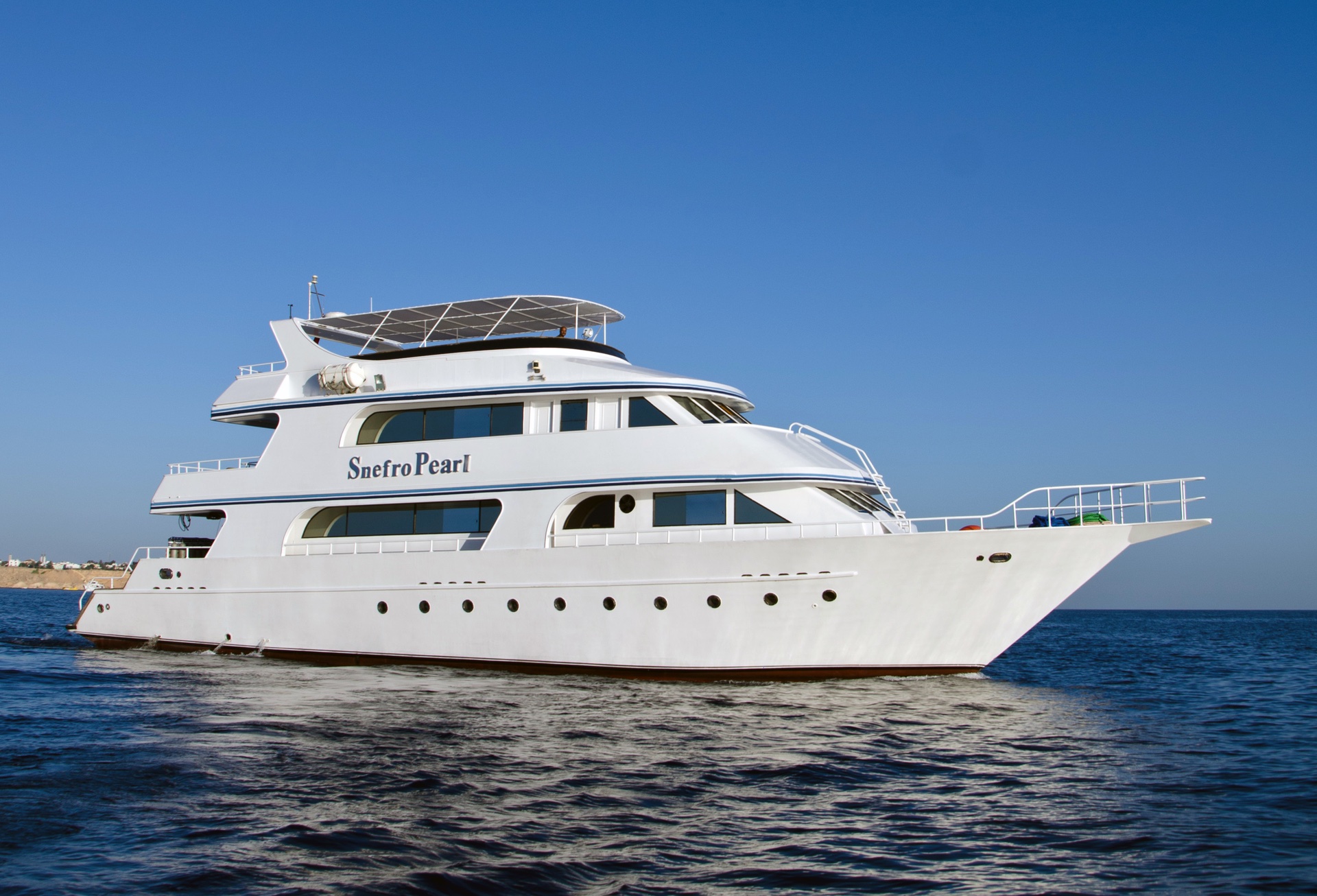
Snefro Pearl
Egypt
12 guests
$150/day
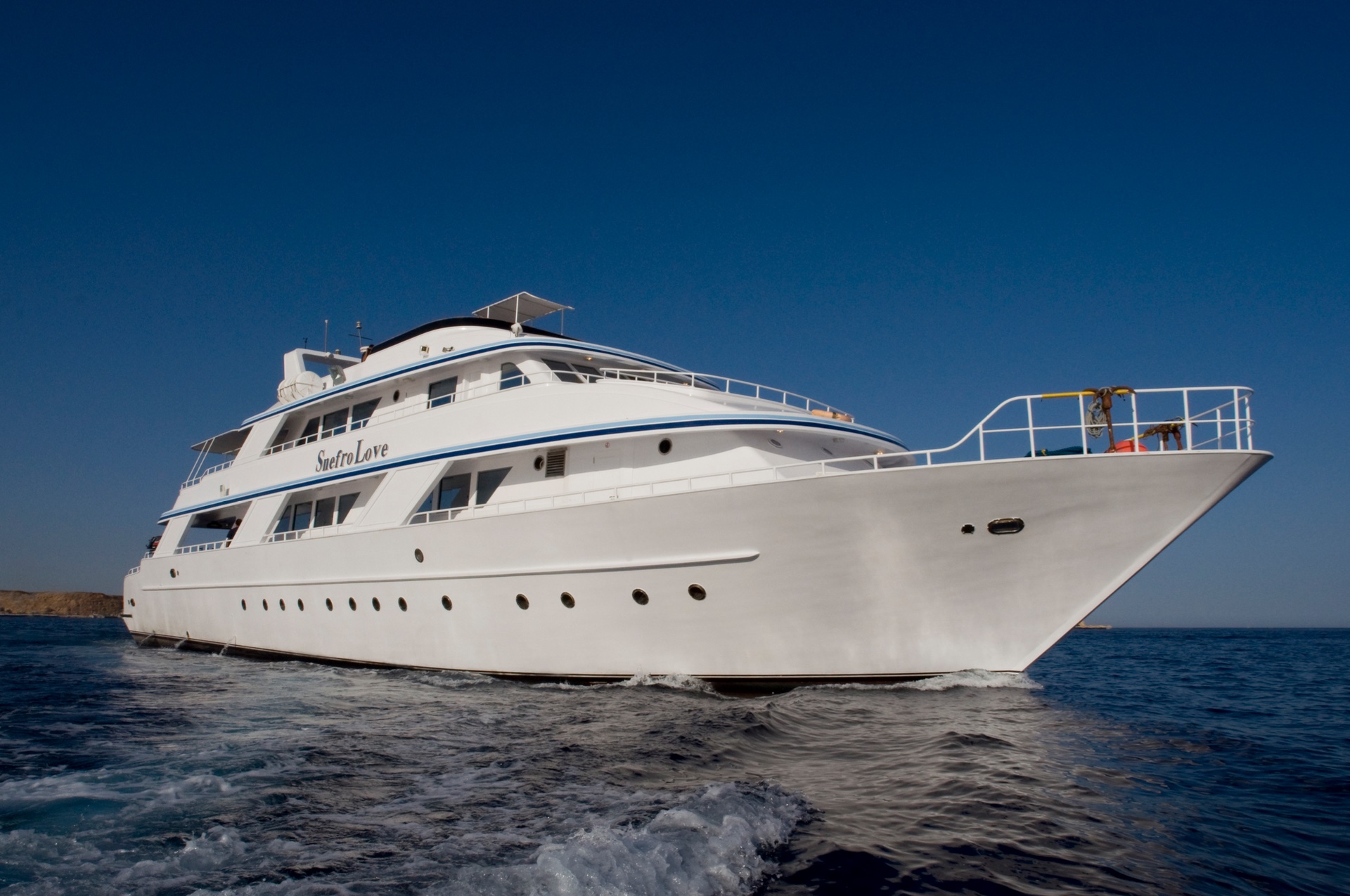
Snefro Love
Egypt
20 guests
$154/day
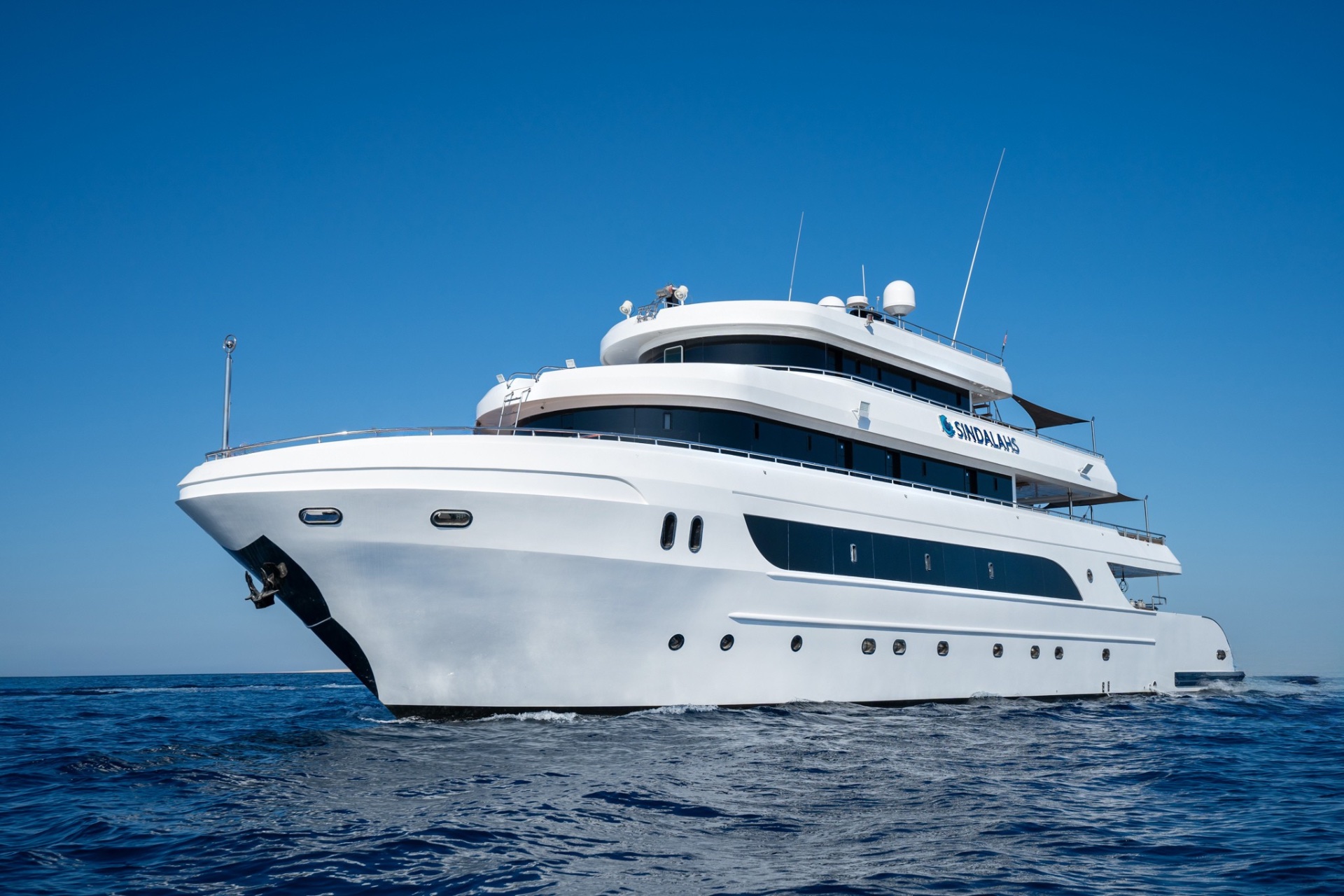
Sindalahs
Egypt
26 guests38 m
$155/day
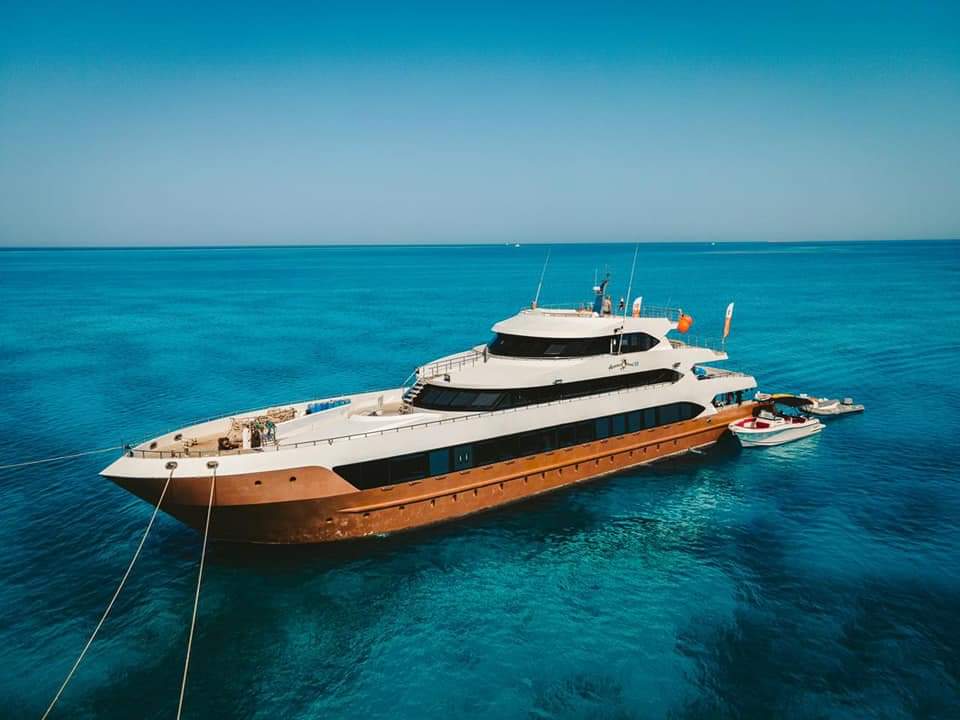
Hammerhead II
Egypt
20 guests
$173/day
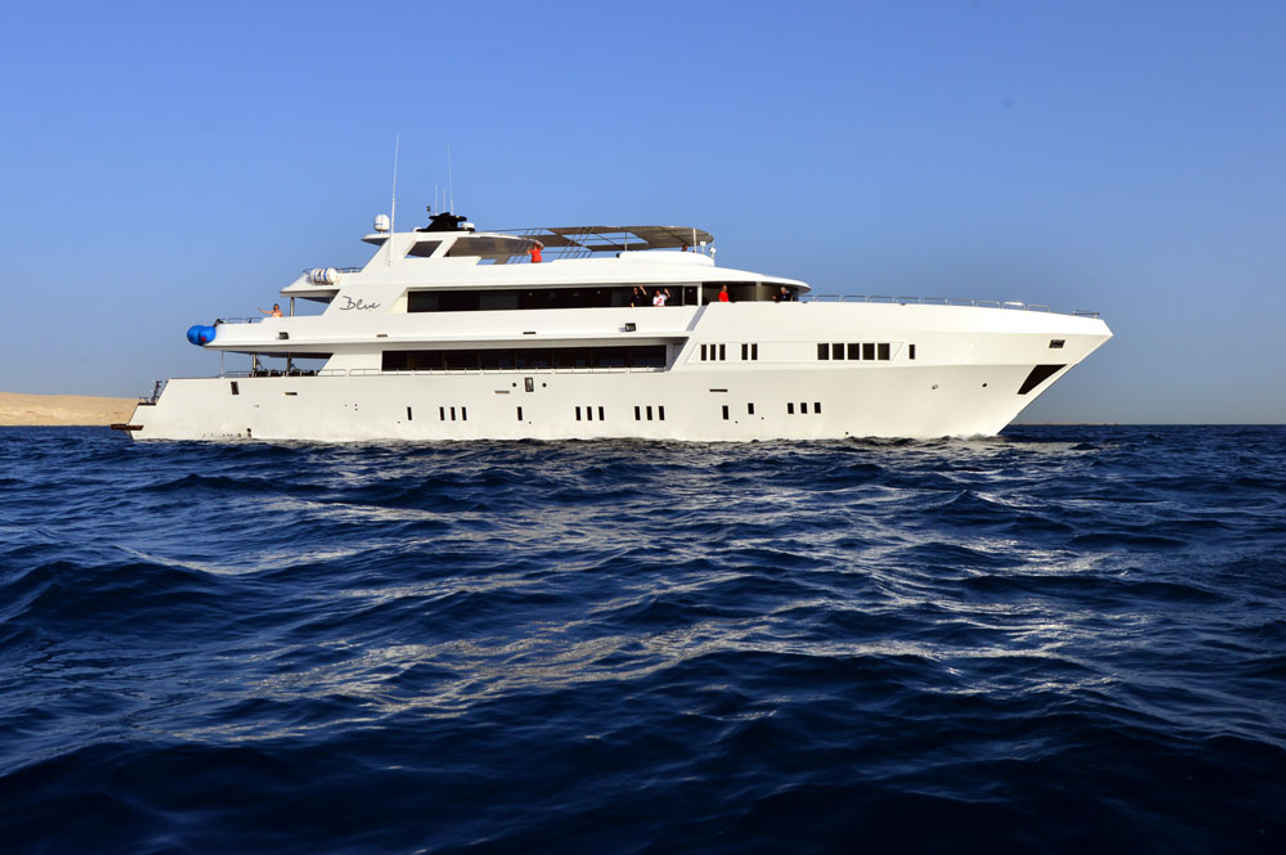
Blue Liveaboard
Egypt
24 guests43 m
$173/day
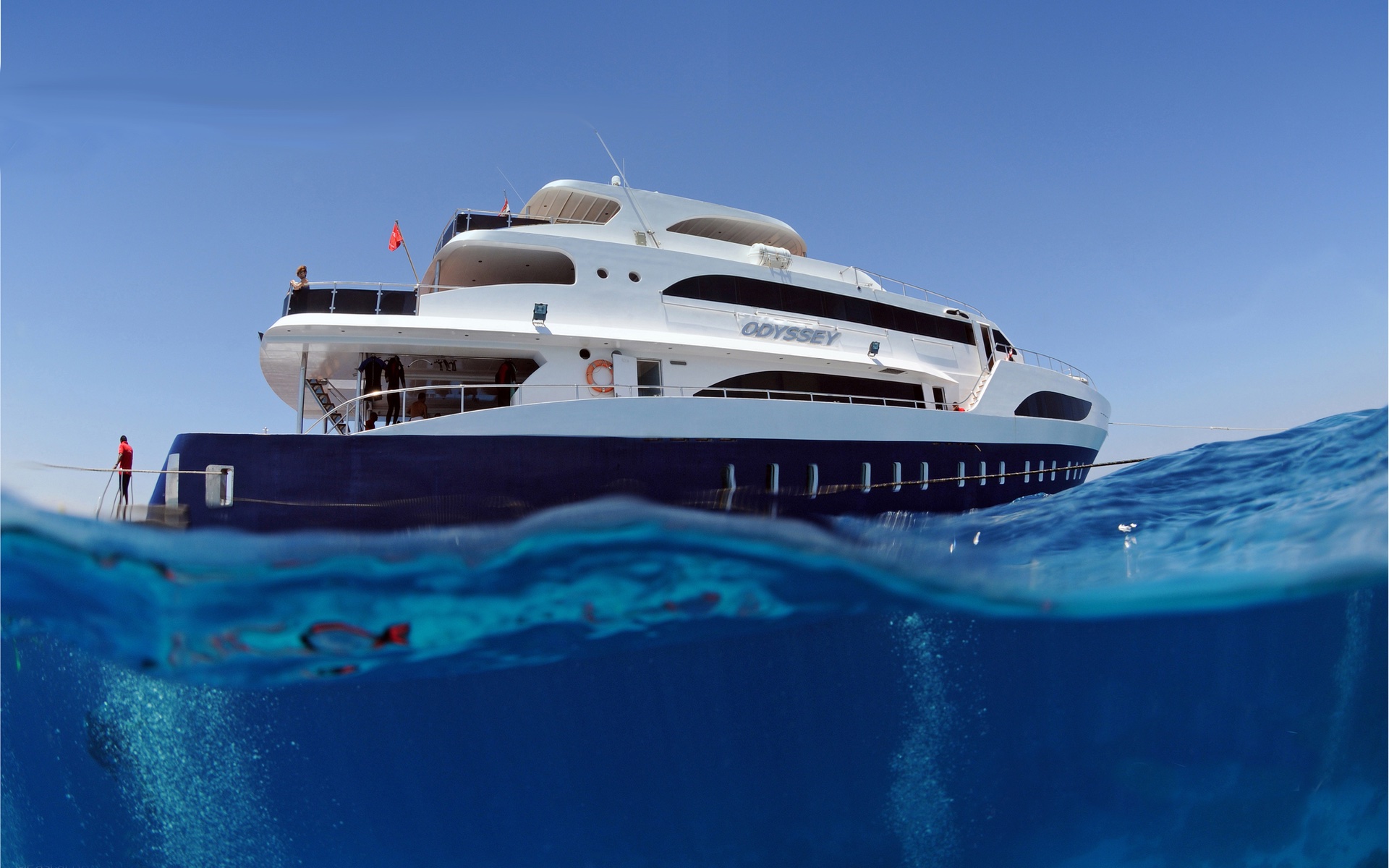
Odyssey
Egypt
26 guests40 m
$185/day
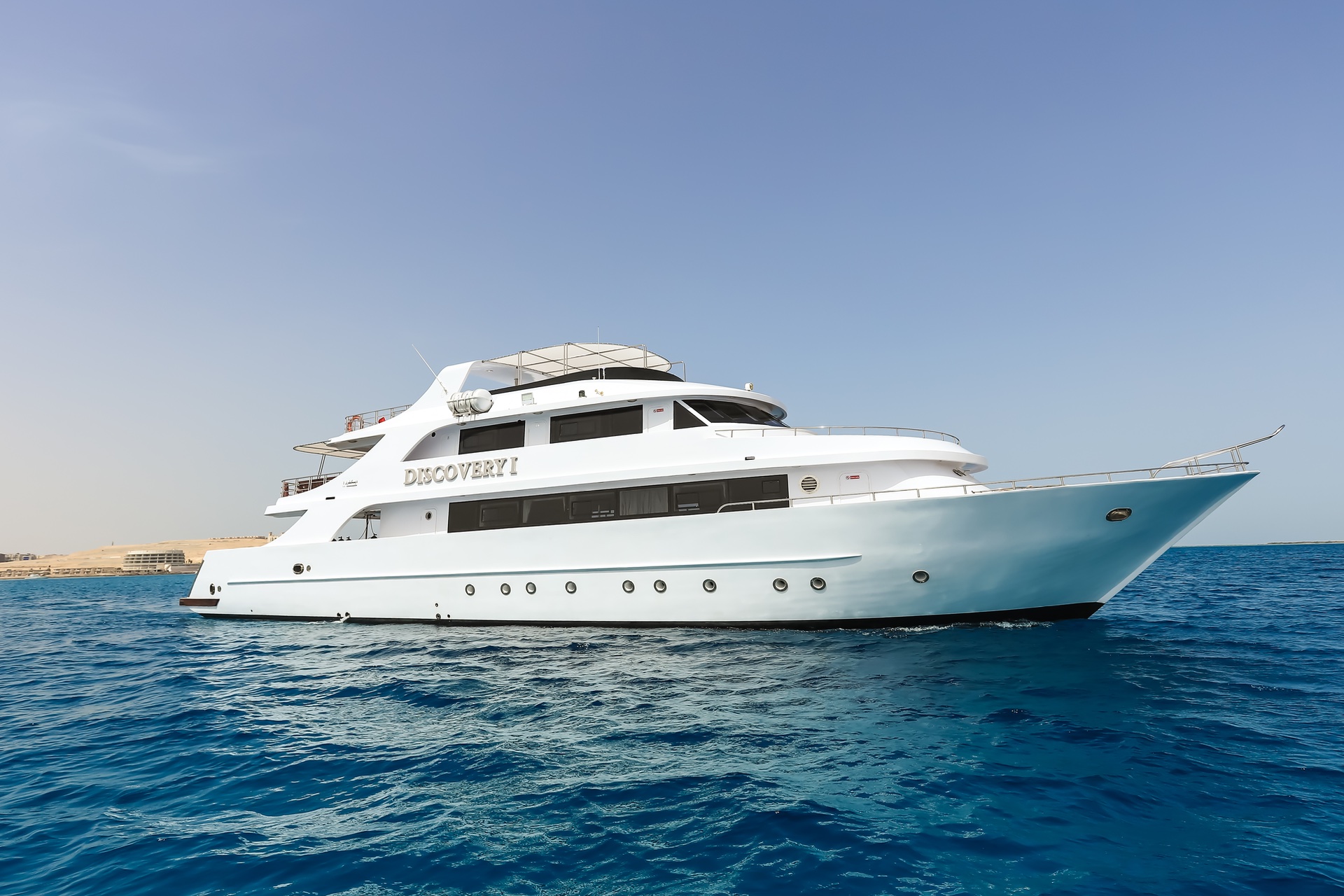
Discovery I
Egypt
20 guests
$104/day
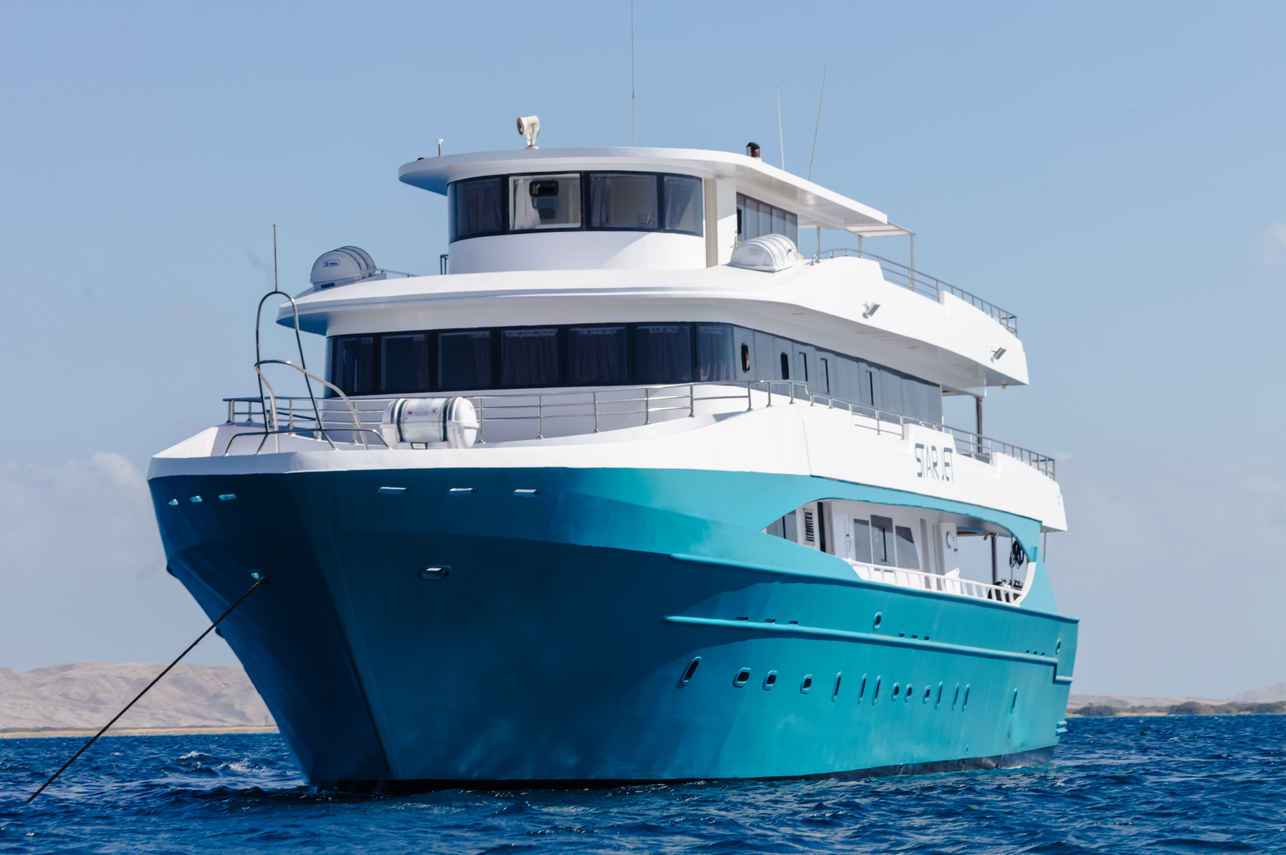
Star Jet
Egypt
28 guests35 m
$145/day
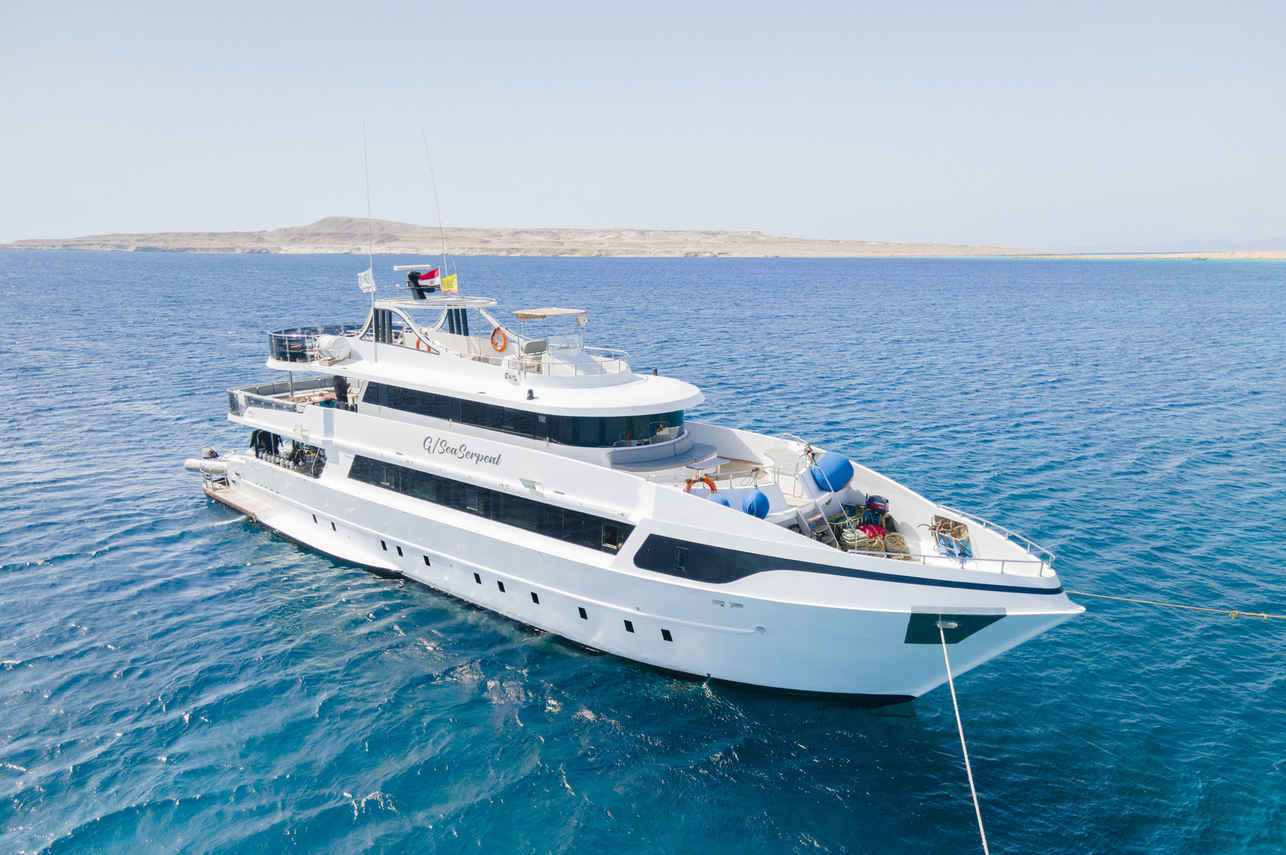
SS Serena Dreams
Egypt
18 guests33 m
$159/day
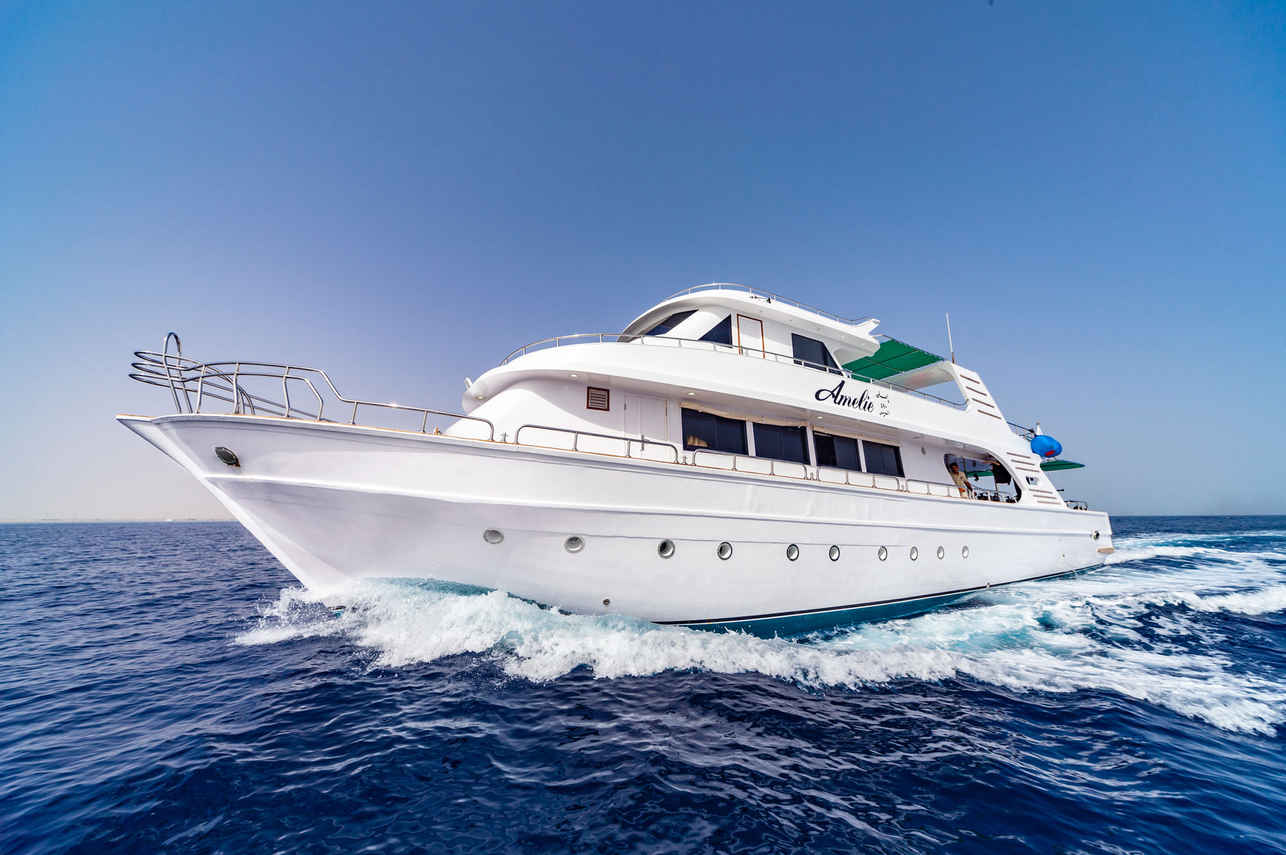
Amelie
Egypt
12 guests23 m
$115/day
Dive sites similar to Rosalie Moller
Same character, same waters — six more sites divers love for the exact same reasons.Compare seasons, access and liveaboard routes — then pick the site that fits your trip best.
The Lara is the remnant of a 137-meter cargo vessel that became stranded on the northern edge of Jackson Reef in 1982. Initially, the ship rested intact on the reef, but it was…
- Suitable for
- Advanced
- Current
- Strong
- Access
- Liveaboard only
- Depth
- 45–55 m
- Theme
- Wreck
© Esri — Maxar, Earthstar, GIS
Big Brother
Egypt
Big Brother Island, a prominent pinnacle in the southern Red Sea, rises from significant depths approximately 60 miles off the Egyptian coast near El-Quseir.
- Suitable for
- Advanced
- Current
- Strong
- Access
- Liveaboard only
- Depth
- 8–85 m
- Theme
- Drift / Wreck
© Esri — Maxar, Earthstar, GIS
Mohamed Hasabella
Egypt
The Mohamed Hasabella is the wreck of a fishing boat located in the waters off Hurghada, Egypt.
- Suitable for
- Advanced
- Current
- Moderate
- Access
- Dayboat
- Depth
- 25–33 m
- Theme
- Wreck
© Esri — Maxar, Earthstar, GIS
The Khanka, often called the “Russian Wreck,” is believed to be a Russian spy ship, specifically a MOMA (Project 861M) Class vessel with an “SSV” (Sudno Svyazyy, or communications vessel) designation on its hull.
- Suitable for
- Intermediate
- Current
- Moderate
- Access
- Liveaboard only
- Depth
- ≤ 24 m
- Theme
- Wreck
© Esri — Maxar, Earthstar, GIS
SS Thistlegorm
Egypt
The SS Thistlegorm is one of the world's most renowned shipwrecks, a British cargo vessel sunk during World War II. It lies in the Strait of Gubal, a narrow passage connecting the…
- Suitable for
- Advanced
- Current
- Strong
- Access
- Liveaboard or dayboat
- Depth
- 18–30 m
- Theme
- Wreck
The Giannis D, a Greek cargo ship, sank in April 1983 after running aground on the northwestern corner of Sha'ab Abu Nuhas, a prominent reef known as the "ship graveyard" in the Strait of Gubal.
- Suitable for
- Advanced
- Current
- Moderate
- Access
- Liveaboard or dayboat
- Depth
- 6–27 m
- Theme
- Wreck / Reef