About The Lara
The Lara is the remnant of a 137-meter cargo vessel that became stranded on the northern edge of Jackson Reef in 1982. Initially, the ship rested intact on the reef, but it was later salvaged in the mid-1990s, causing large sections to sink. Today, its ghostly remains lie against the reef, just west of the exposed parts, marking a site considered one of the Red Sea's most challenging and exclusive wreck dives. Diving the Lara typically begins by descending near the surface wreckage. Divers follow the reef contour to the left, reaching approximately 45 meters where the deeper sections of the wreck begin to emerge. The mast and what were likely workshop areas are visible at 48 meters. With bulkheads removed during salvage operations, some sections allow for penetration. The wreck lies on its starboard side, with the stern and a large, intact propeller found around 55 meters. Other parts of the superstructure are scattered at even greater depths. While specific marine life directly on the wreck isn't detailed, Jackson Reef itself, where the Lara rests, is known for its healthy hard and soft corals, including large gorgonian fans, sea whips, and vibrant red anemones. The nutrient-rich currents often attract pelagic species such as barracuda, oceanic whitetip, and grey reef sharks. During the summer months, from June to September, schooling scalloped hammerhead sharks are frequently observed in the northern area of Jackson Reef, and whale sharks have also been sighted. This dive is highly dependent on weather conditions due to its exposed location on Jackson Reef's northern side. It is considered an advanced, deep wreck dive, often requiring extended range or technical diving certifications. Many divers find completing this challenging dive to be a significant accomplishment, experiencing a site few others have witnessed.
Highlights
137-meter cargo ship remainsLarge intact propeller at 55mDeep wreck penetration opportunitiesExposed northern Jackson Reef locationFrequent pelagic shark sightingsScalloped hammerhead shark schools
Best Season
The summer months, particularly June through September, offer the best chances to encounter schooling scalloped hammerhead sharks in the northern area of Jackson Reef, where the Lara wreck is located. Visibility is also excellent during this period, typically ranging from 20 meters and often exceeding 30 meters.
Dive site facts: The Lara
- Depth
- 45–55 m
- Current
- Strong
- Entry
- Liveaboard only
- Level
- Advanced
- Dive type
- Wreck, Wreck
- Region / port
- Egypt
- Coordinates
- 27.9396° N, 34.3890° E
Conditions & Currents
The Lara wreck is situated on Jackson Reef, which experiences consistent currents, typically flowing from south to north towards the Gulf of Aqaba. The site is highly exposed to weather conditions, especially on its northern side, which can make diving challenging and weather-dependent. Divers often execute drift dives along the reef's steep walls, utilizing the current. Entry usually involves a live boat drop, with the expectation of strong currents, particularly near the easternmost point of the reef. Due to the depth of the wreck (starting around 45 meters with the stern at 55 meters and other sections deeper), and the potential for strong currents and exposed conditions, this dive is recommended for experienced and technical divers. Gas planning must account for deep depths and potential extended bottom times, and divers should be prepared for varying visibility, which is generally good but can fluctuate.
Why dive The Lara from a liveaboard?
The Lara is one of Egypt's signature dive sites. A liveaboard sleeps you on the water and puts you in the water for three to four guided dives per day, including dawn and night dives that day-boat operators rarely offer. You skip the daily commute back to port and reach quieter, less-crowded sites in the same region on a single trip.
Below are the liveaboards that include The Lara on their Egypt itineraries.
Liveaboards diving The Lara
These liveaboards may visit The Lara on selected itineraries — the exact dive sites depend on departure, weather and conditions.
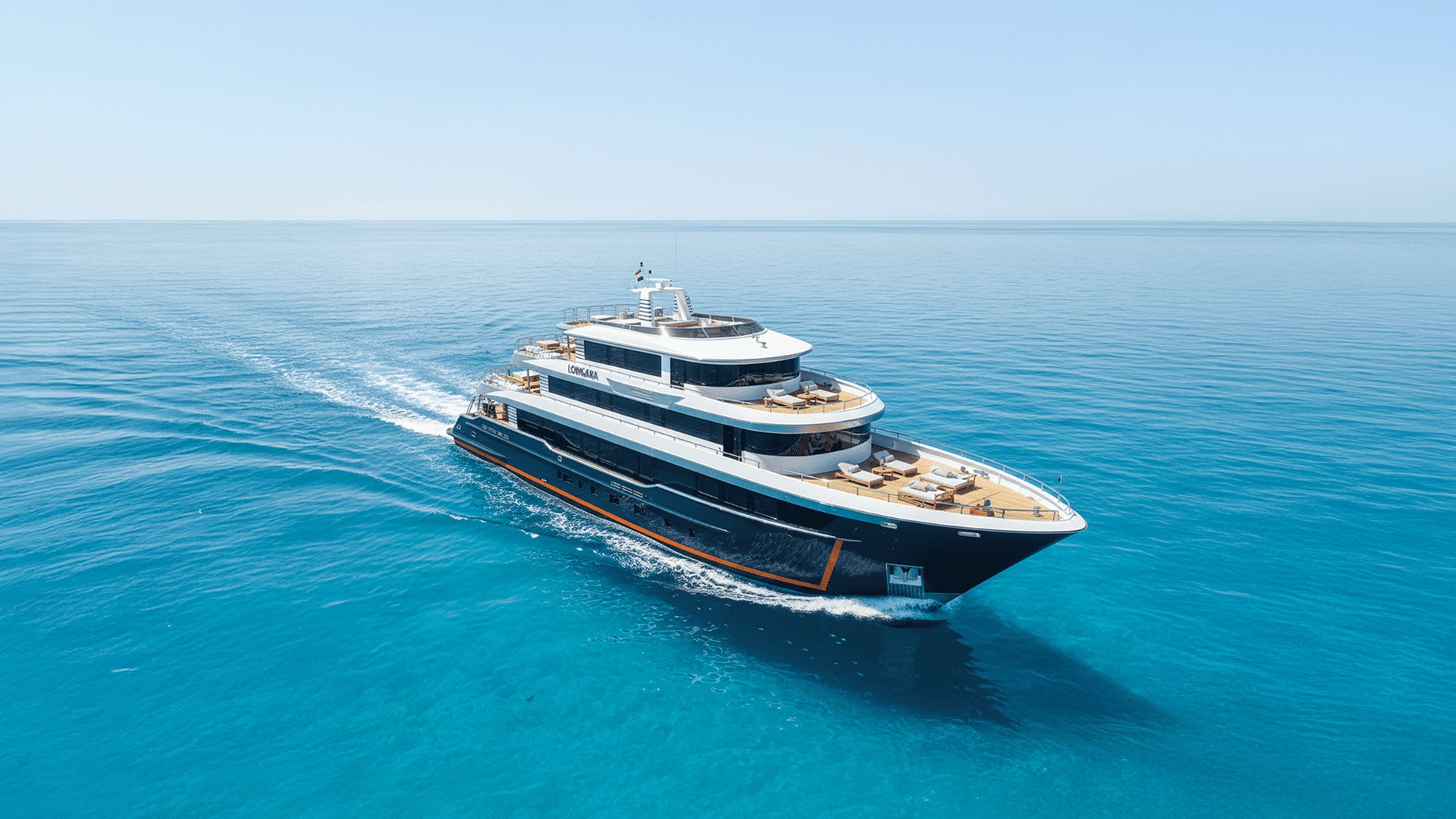
DUNE Longara
Egypt
30 guests
$150/day
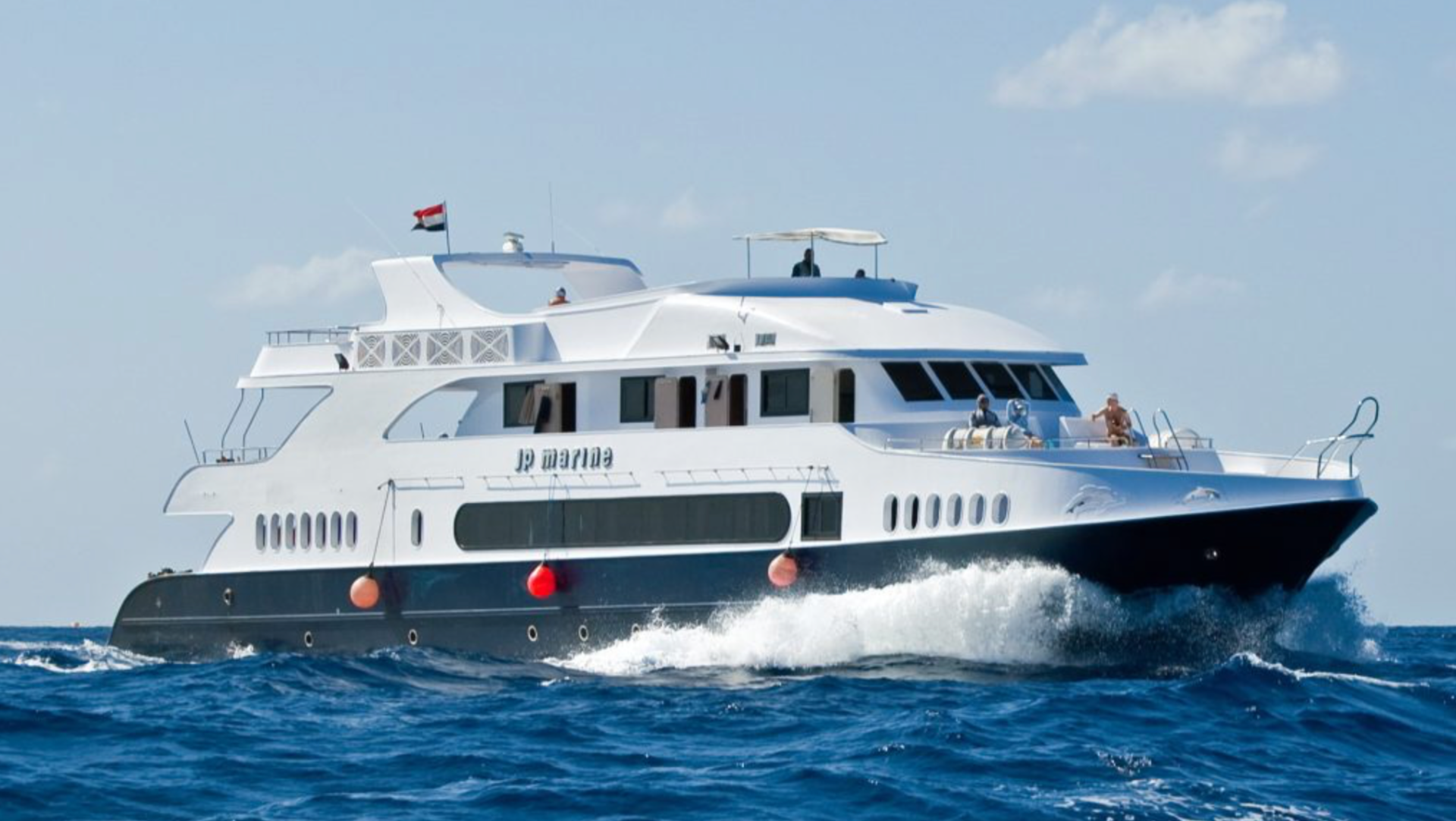
JP Marine
Egypt
28 guests
$109/day
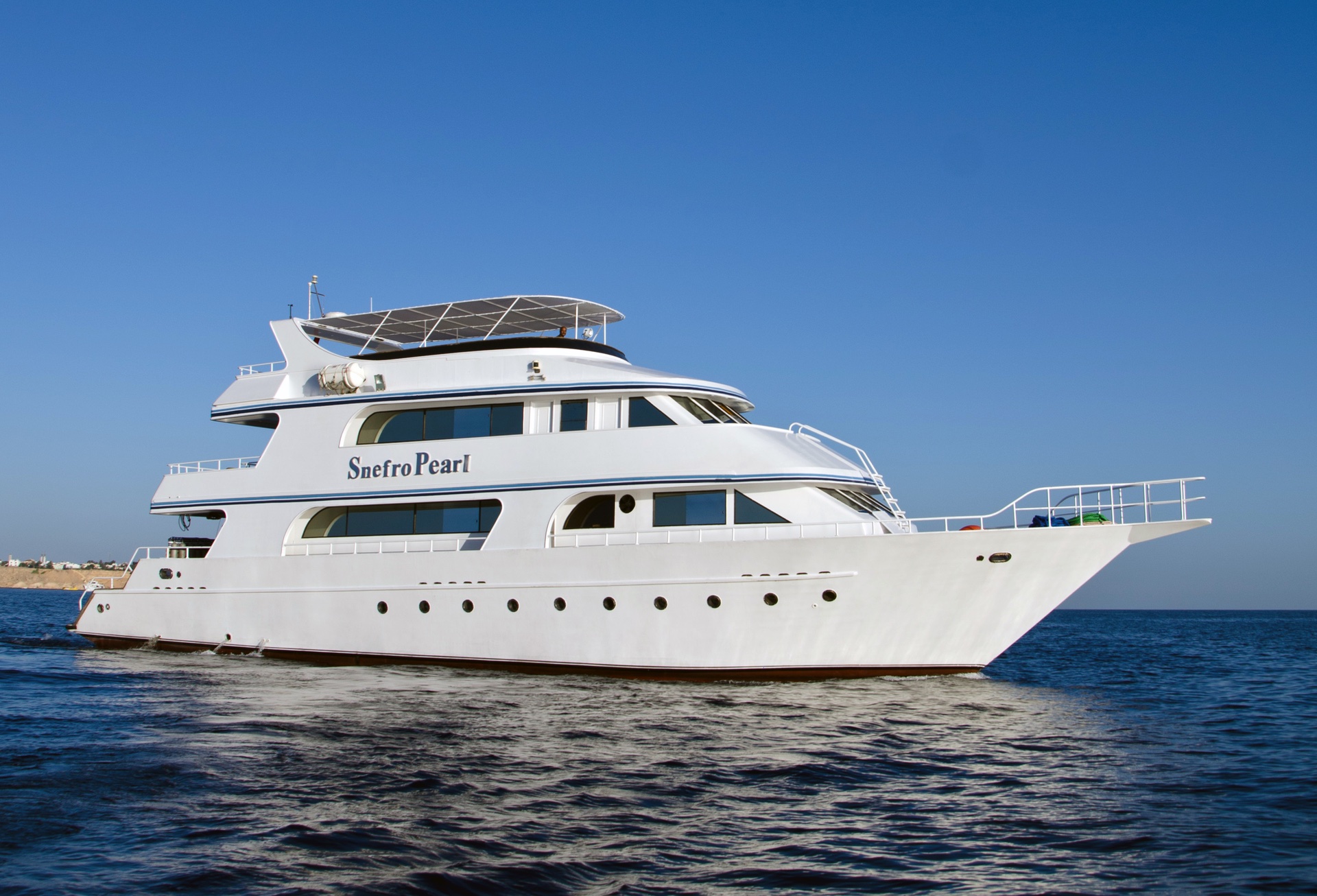
Snefro Pearl
Egypt
12 guests
$150/day
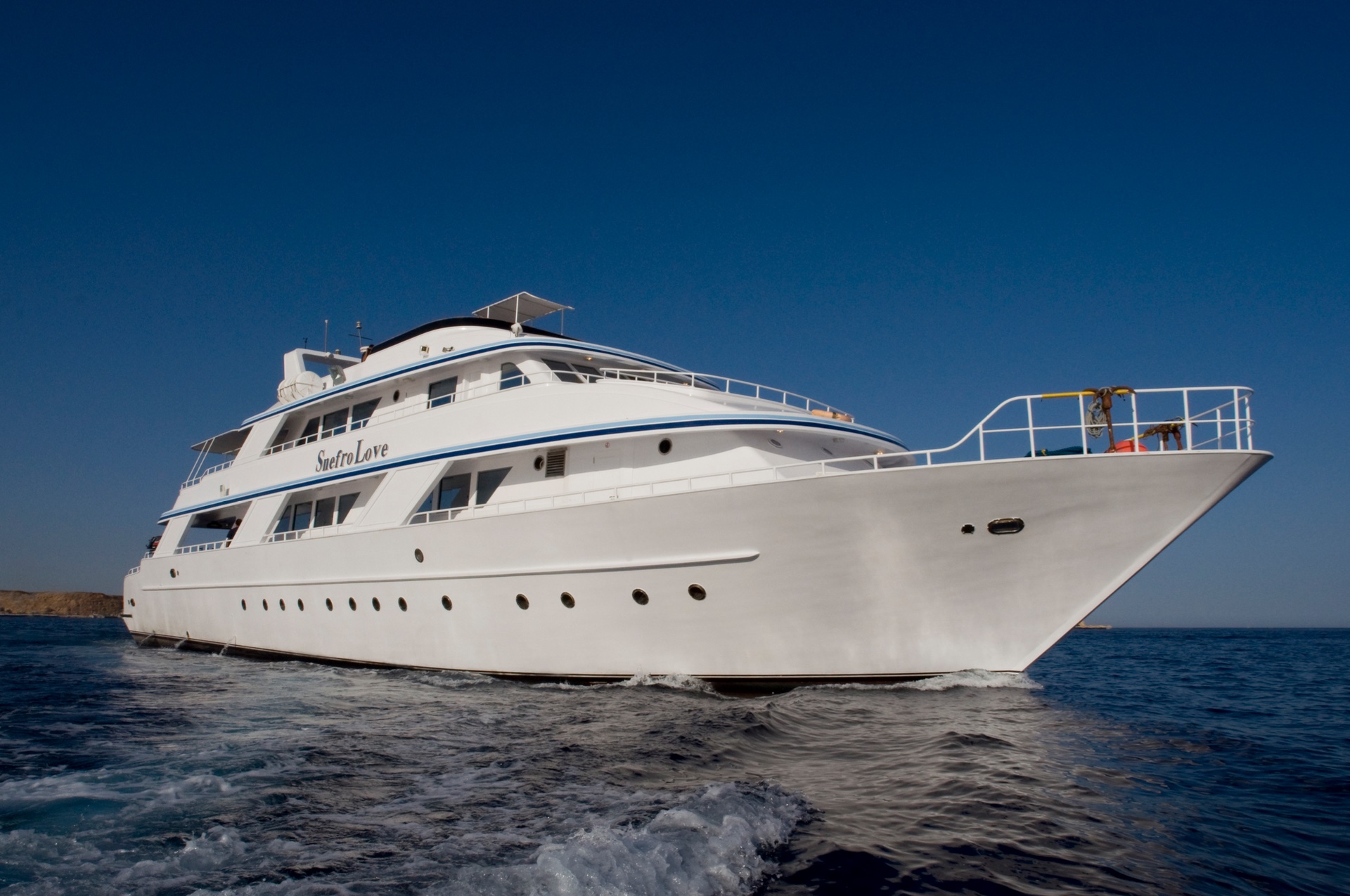
Snefro Love
Egypt
20 guests
$154/day
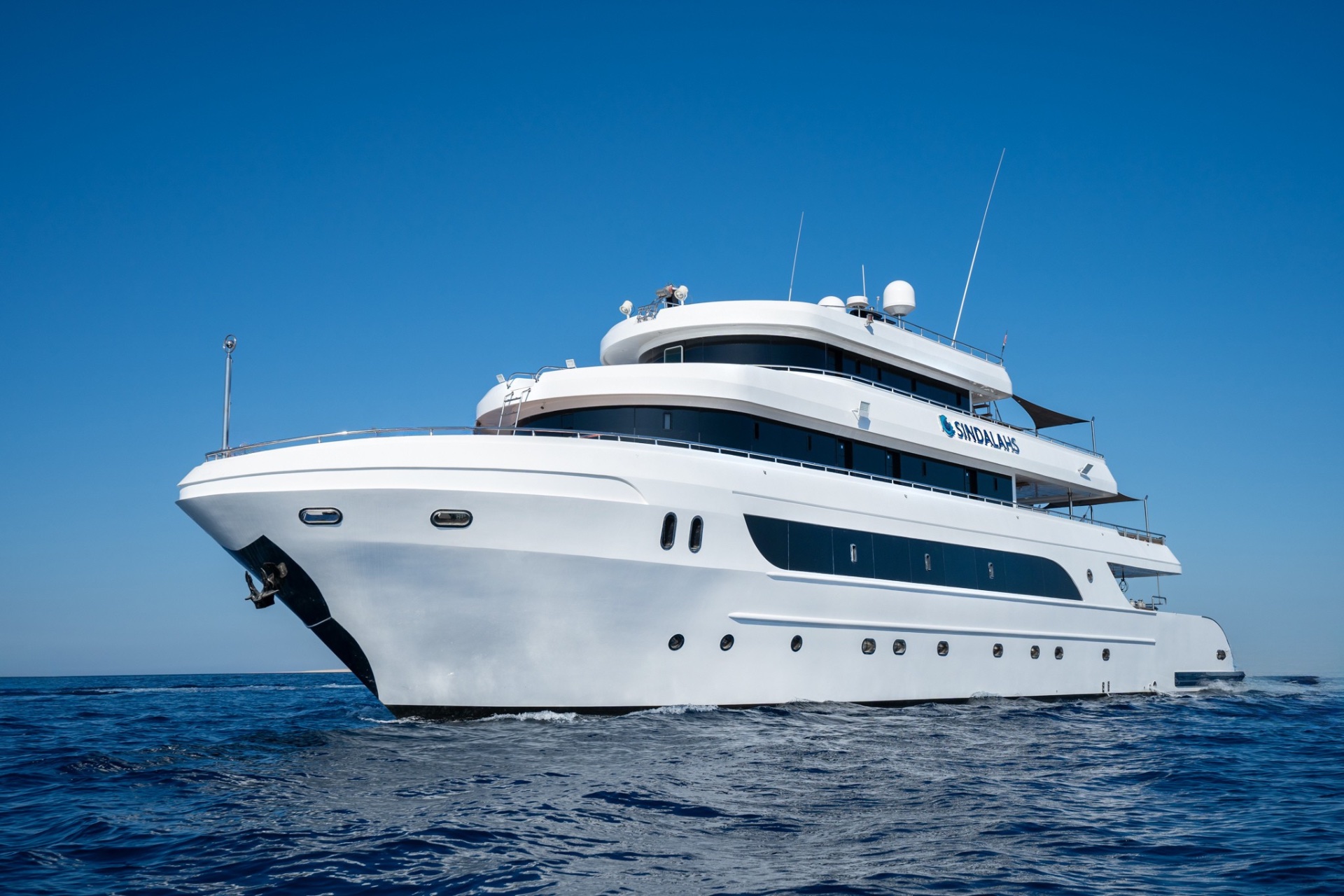
Sindalahs
Egypt
26 guests38 m
$155/day
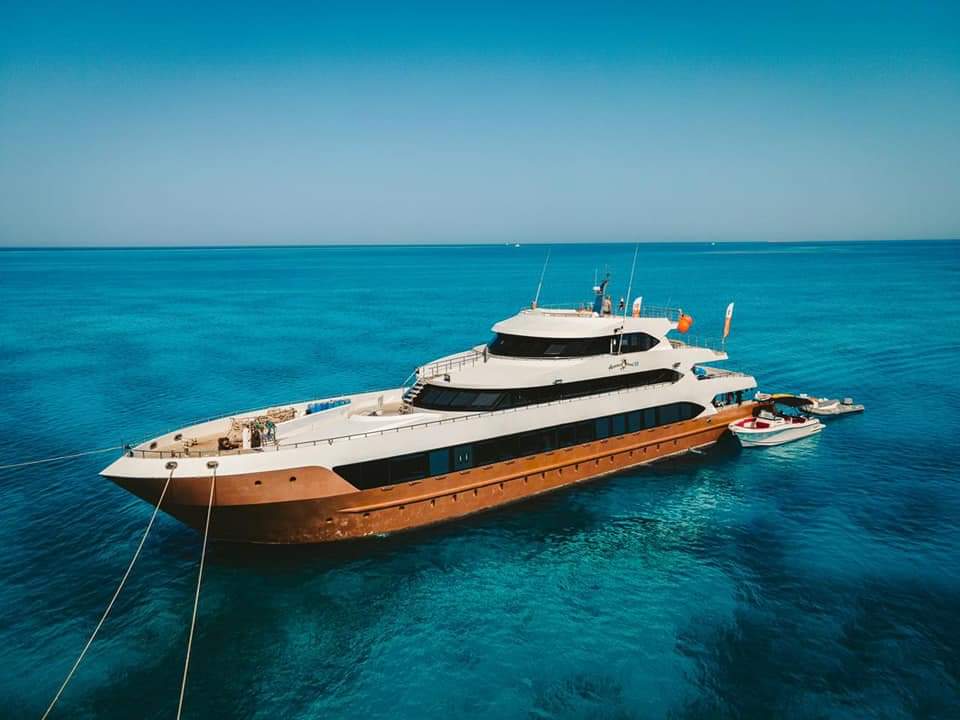
Hammerhead II
Egypt
20 guests
$172/day
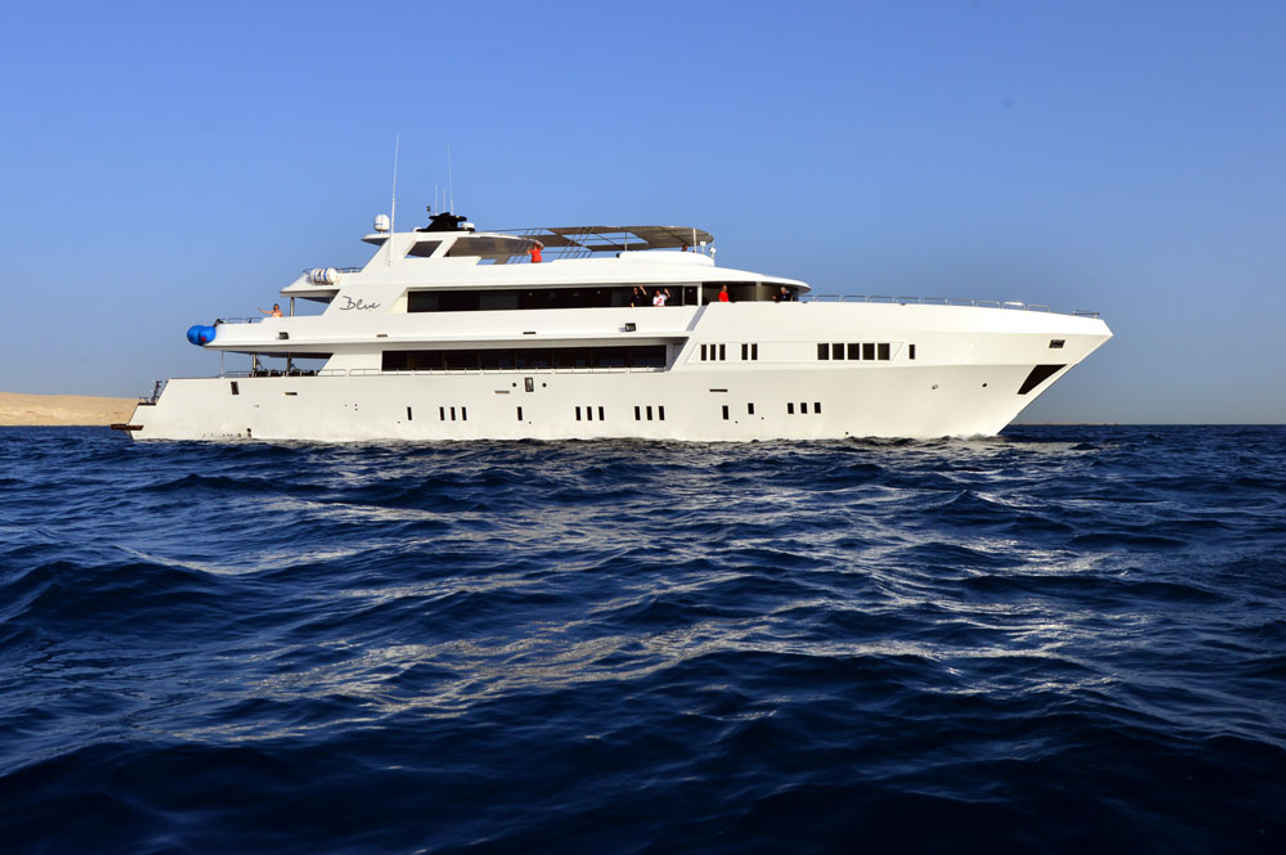
Blue Liveaboard
Egypt
24 guests43 m
$172/day
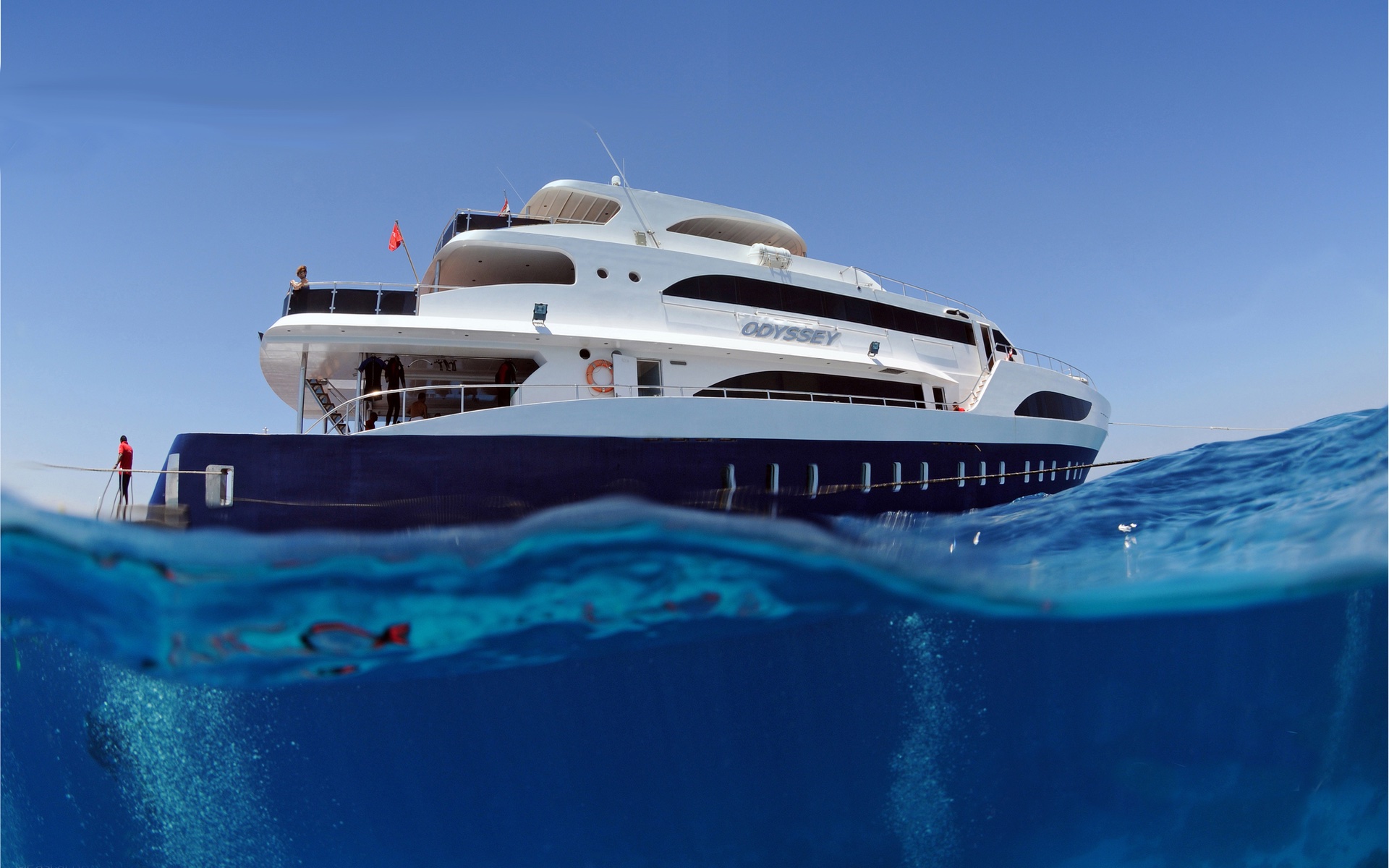
Odyssey
Egypt
26 guests40 m
$185/day
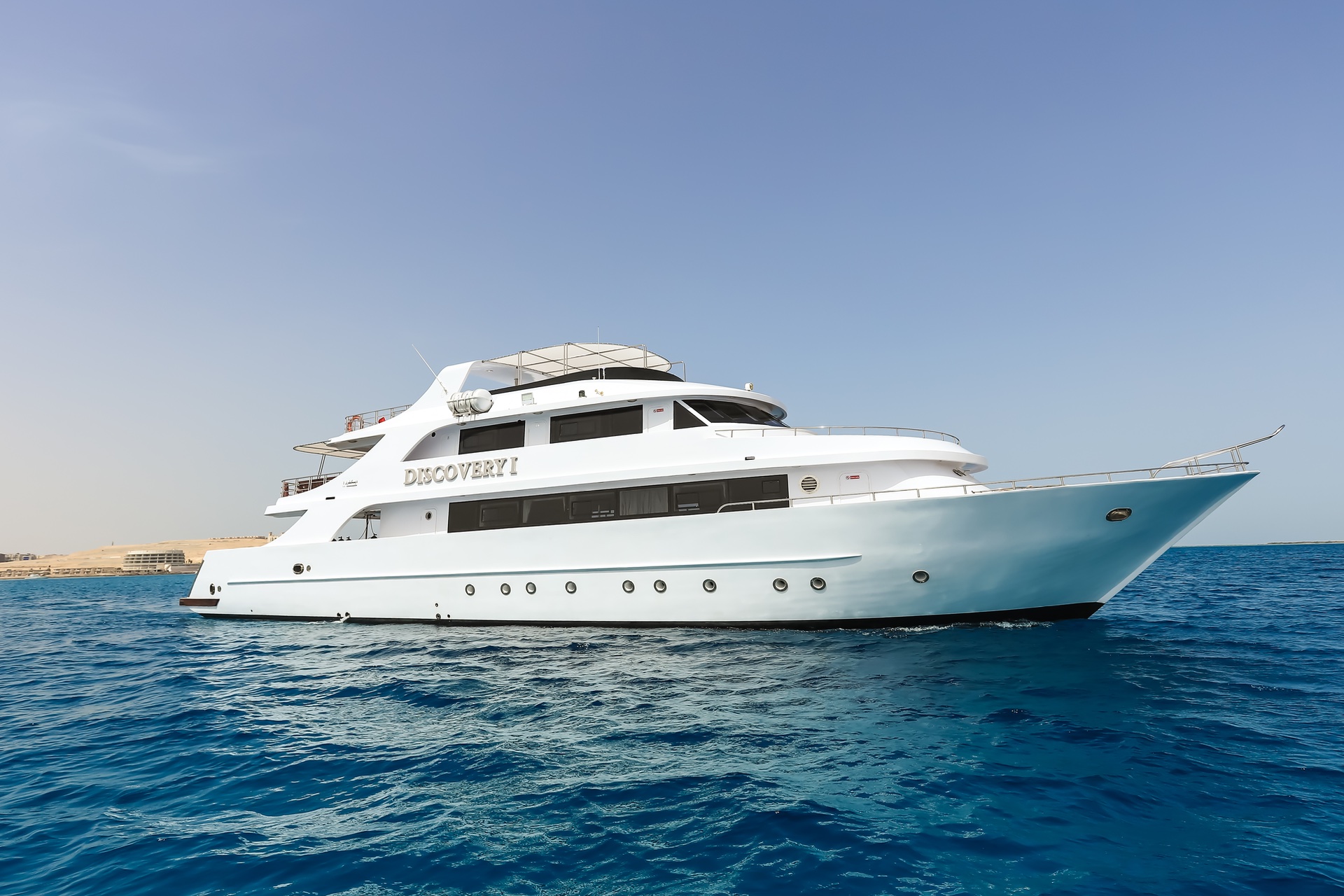
Discovery I
Egypt
20 guests
$104/day
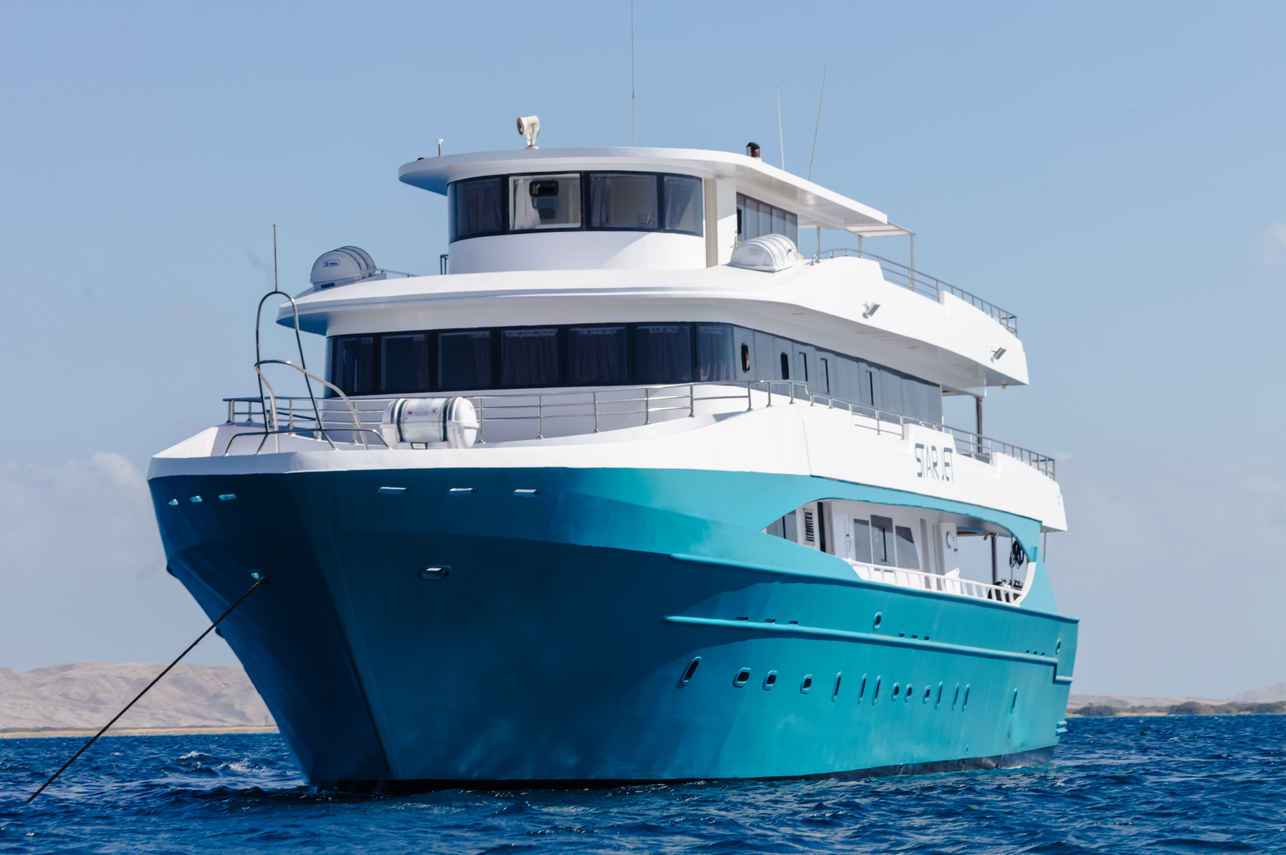
Star Jet
Egypt
28 guests35 m
$145/day
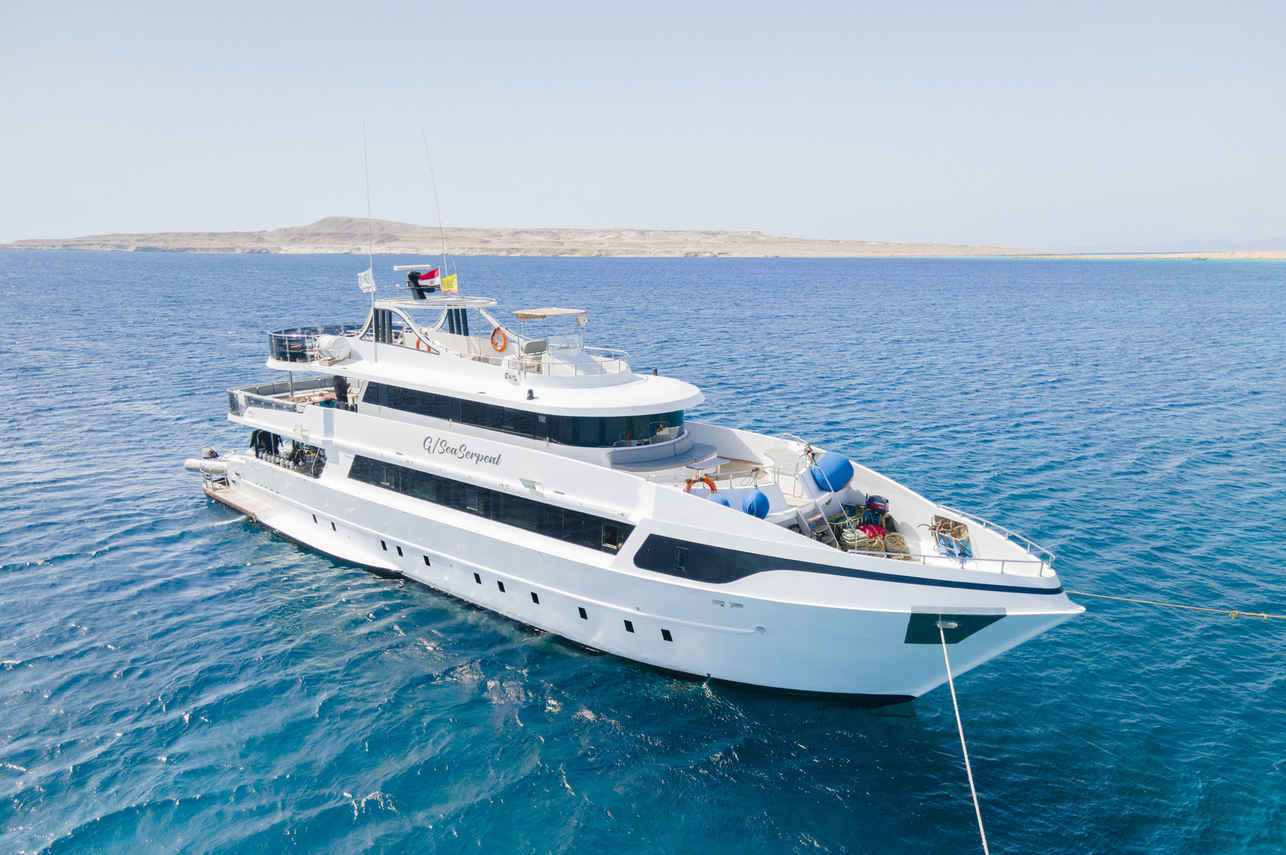
SS Serena Dreams
Egypt
18 guests33 m
$159/day
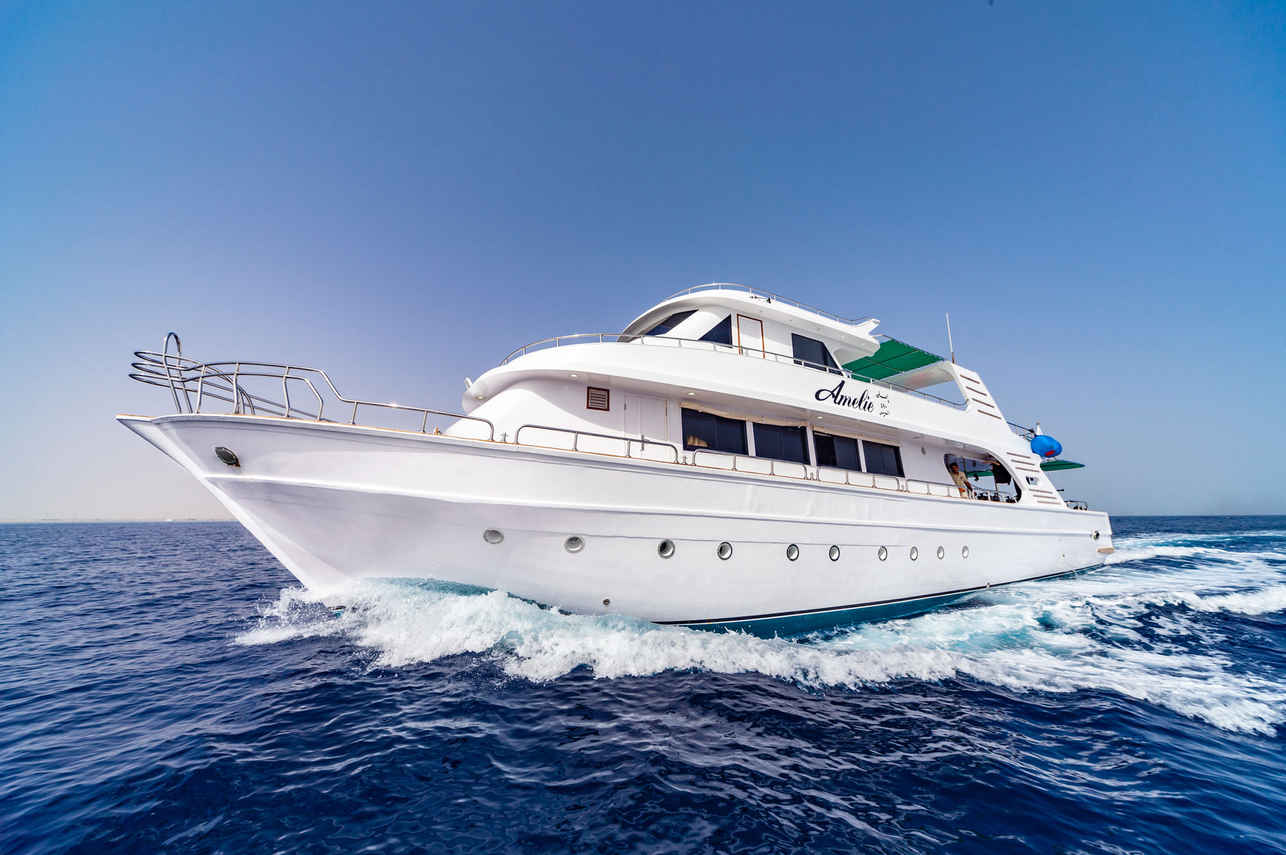
Amelie
Egypt
12 guests23 m
$115/day
Dive sites similar to The Lara
Same character, same waters — six more sites divers love for the exact same reasons.Compare seasons, access and liveaboard routes — then pick the site that fits your trip best.
© Esri — Maxar, Earthstar, GIS
Big Brother
Egypt
Big Brother Island, a prominent pinnacle in the southern Red Sea, rises from significant depths approximately 60 miles off the Egyptian coast near El-Quseir.
- Suitable for
- Advanced
- Current
- Strong
- Access
- Liveaboard only
- Depth
- 8–85 m
- Theme
- Drift / Wreck
© Esri — Maxar, Earthstar, GIS
SS Thistlegorm
Egypt
The SS Thistlegorm is one of the world's most renowned shipwrecks, a British cargo vessel sunk during World War II. It lies in the Strait of Gubal, a narrow passage connecting the…
- Suitable for
- Advanced
- Current
- Strong
- Access
- Liveaboard or dayboat
- Depth
- 18–30 m
- Theme
- Wreck
The Giannis D, a Greek cargo ship, sank in April 1983 after running aground on the northwestern corner of Sha'ab Abu Nuhas, a prominent reef known as the "ship graveyard" in the Strait of Gubal.
- Suitable for
- Advanced
- Current
- Moderate
- Access
- Liveaboard or dayboat
- Depth
- 6–27 m
- Theme
- Wreck / Reef
© Esri — Maxar, Earthstar, GIS
Mohamed Hasabella
Egypt
The Mohamed Hasabella is the wreck of a fishing boat located in the waters off Hurghada, Egypt.
- Suitable for
- Advanced
- Current
- Moderate
- Access
- Dayboat
- Depth
- 25–33 m
- Theme
- Wreck
© Esri — Maxar, Earthstar, GIS
The Khanka, often called the “Russian Wreck,” is believed to be a Russian spy ship, specifically a MOMA (Project 861M) Class vessel with an “SSV” (Sudno Svyazyy, or communications vessel) designation on its hull.
- Suitable for
- Intermediate
- Current
- Moderate
- Access
- Liveaboard only
- Depth
- ≤ 24 m
- Theme
- Wreck