About El Mina
El Mina, also known as the Miniya, is a prominent military wreck and a celebrated dive site located off the coast of Hurghada in Egypt’s Red Sea. This Egyptian minesweeper sank during military conflict and now rests on the seabed, transforming into a vibrant artificial reef. The wreck offers an engaging environment with its coral-covered metal structures, providing excellent photographic opportunities for divers seeking to explore underwater history. Divers can enjoy excellent visibility around the wreck, which enhances the experience of encountering its thriving marine ecosystems. Over time, El Mina has become home to a diverse array of marine life. Its coral-encrusted remnants attract schools of fish, lionfish, and moray eels, which have made the wreck their habitat. The prevailing conditions, particularly good visibility, allow divers to observe these species effectively against the backdrop of the historic military vessel. The rich biodiversity found around El Mina makes it a fascinating site for observation. Accessibility to El Mina is straightforward via boat from Hurghada. While specific depth ranges for this site aren't detailed, Red Sea wreck diving generally encompasses various depths, with some wrecks beginning in shallower waters. Although specific current information for El Mina isn't available, general Red Sea conditions can vary, with some dive sites experiencing strong currents. Divers should be aware that participation in this type of itinerary, particularly with exposed sites and potential depths or currents, may require PADI Open Water Diver certification or equivalent, with a minimum of 30 logged dives.
Highlights
Cargo WreckSoft CoralsGroupersGlassfish
Season calendar
Best months to dive here
Jan
Feb
Mar
Apr
May
Jun
Jul
Aug
Sep
Oct
Nov
Dec
Excellent
Good
Dive site facts: El Mina
- Depth
- 25–32 m
- Typical dive
- 30–40 min
- Current
- Mild to occasional moderate
- Visibility
- 10–20 m
- Entry
- Tender / buoy line descent
- Level
- Advanced Open Water (AOWD)
- Dive type
- Wreck
- Region / port
- Hurghada
- Coordinates
- 27.2167, 33.8833
Conditions & Currents
Currents at the El Mina are generally mild, but can occasionally pick up from the north, particularly at the surface. Divers should be prepared for potential surface currents upon entry, utilizing a current rope from the boat to the descent line. The wreck itself offers natural shelter, and guides will direct groups to the lee side if currents strengthen. The site's depth makes bottom time the primary constraint for divers, and a thermocline with cooler water near the sand can be expected. Visibility, typically 10-20 meters, is lower than offshore sites due to proximity to the harbor and sediment, necessitating a dive light for exploring internal areas and overhangs.
Marine life & sighting chances

Glassfish
common
Lionfish
common
Giant Moray
occasional
Grouper
occasional
Jackfish
occasional
Nudibranch
occasional
Scorpionfish
occasional
Crocodile Fish
occasional
Black Urchin
common
Cleaner Shrimp
commonDive profile & how the dive runs
The standard dive at El Mina begins with a giant stride entry, followed by a descent hand-over-hand down a permanent buoy line attached to the stern, reaching the deepest point at 32 meters. Here, you'll explore the intact propellers, rudder, and anti-aircraft gun mounts on the aft deck. From the stern, the route progresses along the uppermost (starboard) side of the hull, working shallower. You'll reach the bridge superstructure around 28 meters, where glassfish often swarm. Continuing forward, the highlight is the dramatic blast hole on the starboard bow at 25 meters, offering a glimpse inside without requiring full penetration. The anchor flukes on the seabed near the bow are also worth observing. The ascent typically follows the buoy line back to the surface, incorporating a three-minute safety stop at 5 meters. The dive usually lasts 30-40 minutes due to depth constraints.
Underwater photography
To best capture the El Mina wreck, a wide-angle lens is ideal for showcasing the ship's scale and its impressive features like the intact propellers and the dramatic blast hole. Given the typical 10-20 meter visibility and the wreck's depth, a strong dive light is essential for illuminating internal compartments, overhangs, and the vibrant marine life sheltering within. This also helps to bring out the colors that are lost at depth. Pay particular attention to the glassfish swarms in sheltered areas and the lionfish patiently hunting. For macro enthusiasts, nudibranchs, scorpionfish, and cleaner shrimp can be found by carefully examining the wreck's surfaces. Be mindful of potential backscatter in lower visibility conditions and consider using strobes with diffusers to enhance clarity and color in your shots. Buoyancy control is paramount to avoid disturbing the sandy seabed and creating excessive silt.
Combine with nearby dive sites
- Balena Wreck
A shallow Norwegian transport boat wreck (max 9m), suitable for OWD, with abundant macro life.
- Mohamed Hasabella
A fishing boat wreck located a few minutes from El Mina, often combined in a single dive by experienced divers.
- El Fanadir
A reef dive suitable for all levels, offering diverse marine life along its wall.
- Umm Gamar
An intermediate to advanced reef dive featuring caves and a plateau with frequent pelagic sightings.
Getting there & logistics
For diving the El Mina, international flights typically arrive at Hurghada International Airport (HRG), which is conveniently located for access to the marina. Most dive operators in Hurghada offer daily boat trips to the wreck, with travel time usually around 20-25 minutes from the harbor. These are commonly day trips, often including two dives and lunch on board. There are no specific permits or fees mentioned for diving El Mina beyond standard dive package costs. Liveaboards operating out of Hurghada might include the El Mina in their itineraries, especially for wreck-focused trips. When planning, consider combining it with other local Hurghada dive sites rather than far-off offshore reefs due to its proximity to the harbor.
Safety & environment
Diving the El Mina requires an Advanced Open Water certification due to its depth, with the shallowest point at 25 meters and the stern at 32 meters. Strong buoyancy control is crucial to avoid contact with the wreck and stirring up silt, especially given the typically lower visibility. Sharp metal edges from the blast hole and other damaged sections necessitate caution; gloves are recommended. While recreational penetration is generally limited to peeking into the blast hole, actual entry into the wreck requires specialized wreck diving training. Divers should always carry a dive light, even during daylight dives, to illuminate darker sections and observe marine life within compartments. The nearest recompression chamber is located in Hurghada. It is highly advisable to have comprehensive dive insurance that covers emergency medical treatment and evacuation, as incidents requiring recompression or medical attention would be handled through local facilities and international assistance.
Who it suits — and who it doesn't
Suited for
- Advanced Open Water divers
- Wreck diving enthusiasts
- Divers comfortable with deeper profiles
- Photographers with strong dive lights
- Divers seeking historical sites
Less suited for
- Open Water divers
- Divers uncomfortable with lower visibility
- Those who prefer extensive coral reefs
- Divers without good air management
- Beginner photographers
FAQ
El Mina FAQ
What is the history behind the El Mina wreck?
The El Mina was a T43-class Egyptian minesweeper built in the Soviet Union. It was sunk in 1970 by Israeli aircraft during the War of Attrition, a period of conflict following the Six-Day War. The visible blast hole on its starboard bow is a direct result of this attack.
What is the depth range for diving the El Mina?
The El Mina wreck rests on its port side, with the shallowest part of the hull (the uppermost starboard side) at 25 meters. The deepest sections, particularly the stern, reach 32 meters. This depth profile makes it suitable for Advanced Open Water certified divers.
What kind of marine life can I expect to see on the El Mina?
While not heavily covered in coral, the El Mina has become an artificial reef. You can commonly observe swarms of glassfish, lionfish, and occasional large groupers or giant morays. Nudibranchs, scorpionfish, and crocodile fish are also found upon closer inspection.
Is penetration into the El Mina wreck possible?
Recreational divers can peer into the blast hole on the starboard bow to see sheltering marine life. However, actual penetration deeper into the wreck is not recommended without specialized wreck diving training and equipment. The wreck has sharp, twisted metal edges.
What are the typical diving conditions at El Mina?
Visibility at El Mina typically ranges from 10 to 20 meters, which is lower than offshore sites due to its proximity to the harbor and sandy bottom. Currents are generally mild, but can sometimes pick up, especially at the surface. A thermocline may be present near the seabed.
Why is El Mina recommended for Advanced Open Water divers?
The El Mina wreck's depth profile, reaching up to 32 meters, requires advanced training for safe diving. Advanced Open Water certification ensures divers have the necessary skills and experience for deeper dives, gas management, and navigating potential currents in such an environment.
Why dive El Mina from a liveaboard?
El Mina is one of Egypt's signature dive sites. A liveaboard sleeps you on the water and puts you in the water for three to four guided dives per day, including dawn and night dives that day-boat operators rarely offer. You skip the daily commute back to port and reach quieter, less-crowded sites in the same region on a single trip.
Below are the liveaboards that include El Mina on their Egypt itineraries.
Liveaboards diving El Mina
These liveaboards may visit El Mina on selected itineraries — the exact dive sites depend on departure, weather and conditions.
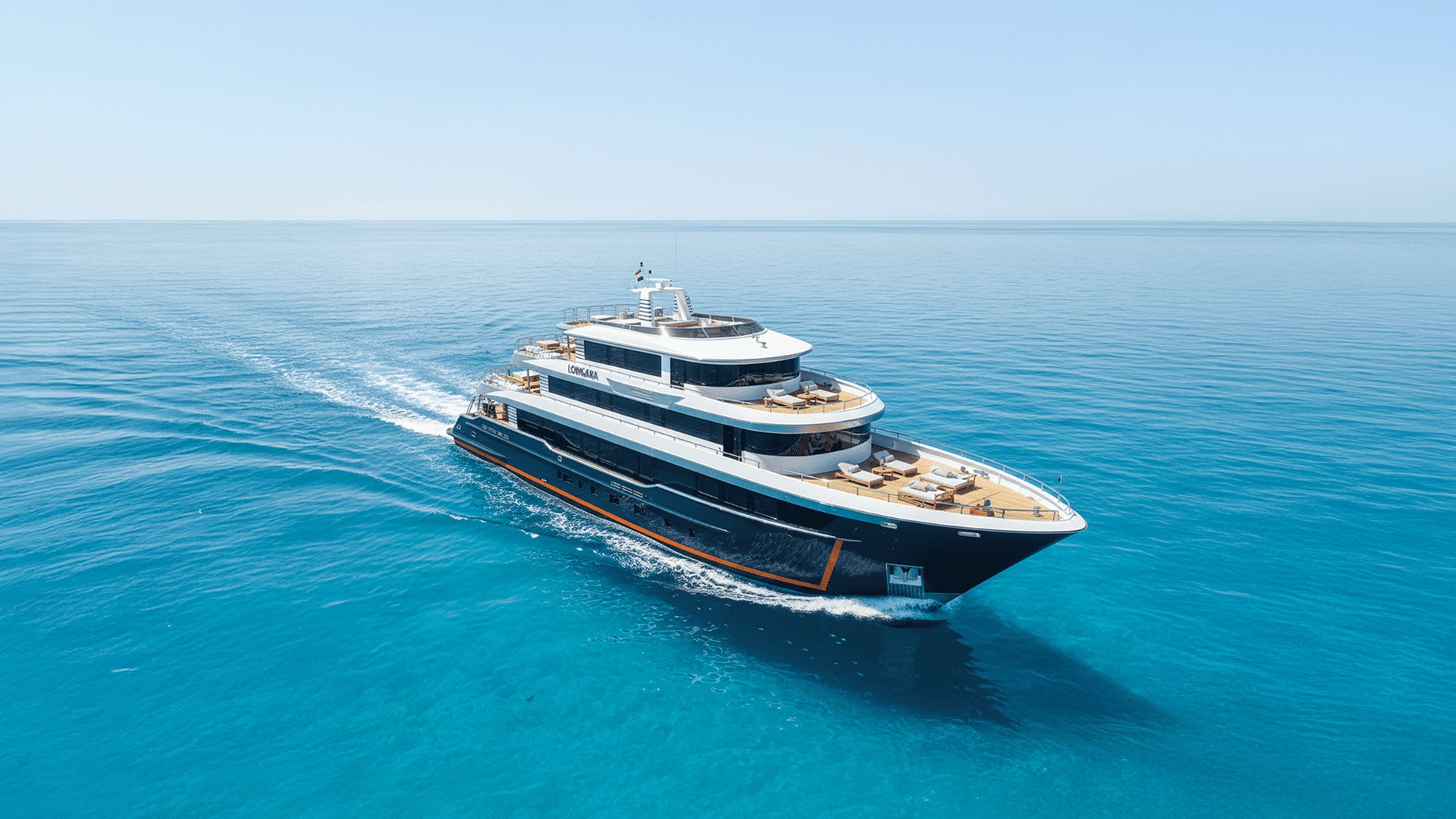
DUNE Longara
Egypt
30 guests
$150/day
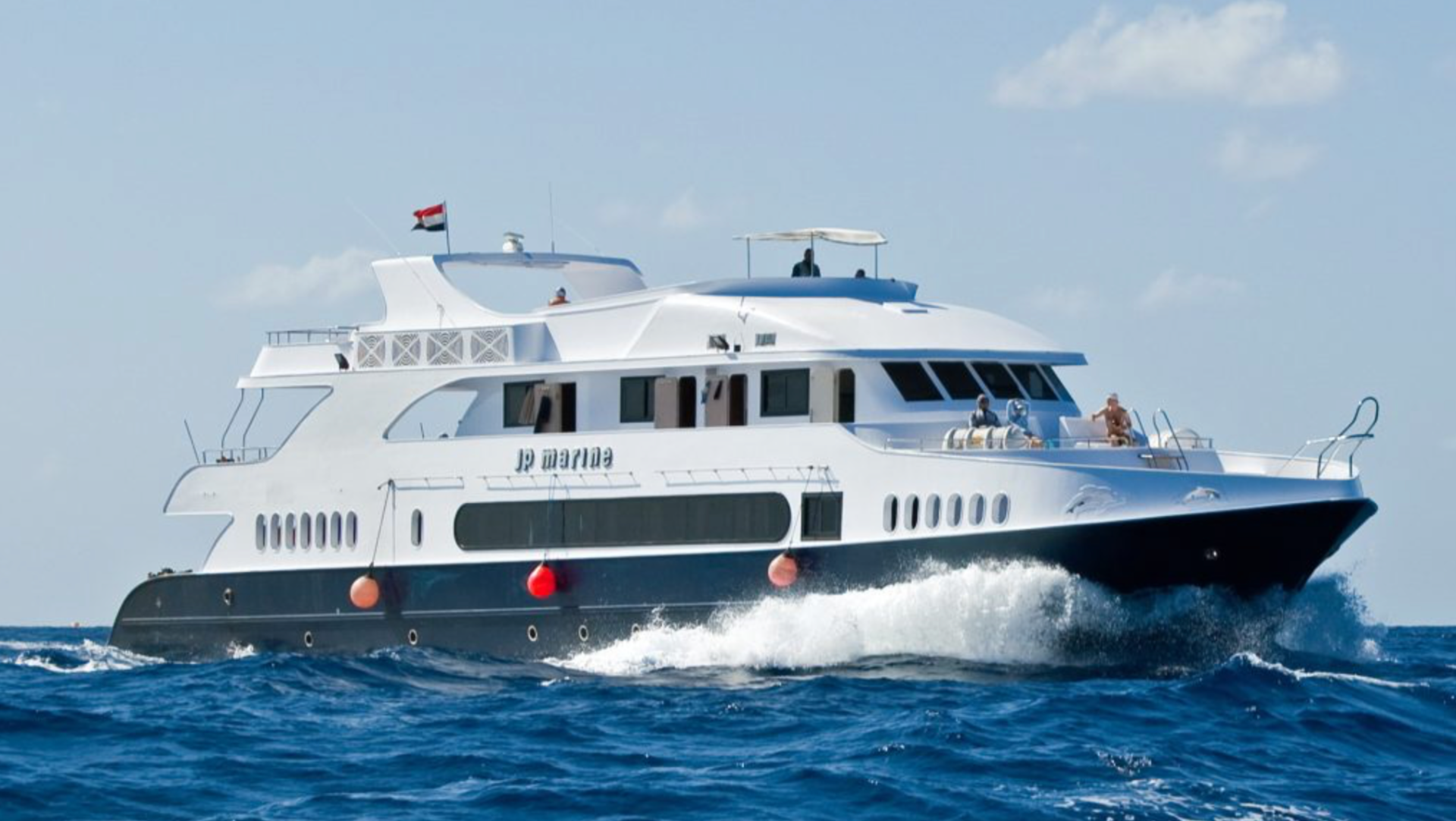
JP Marine
Egypt
28 guests
$109/day
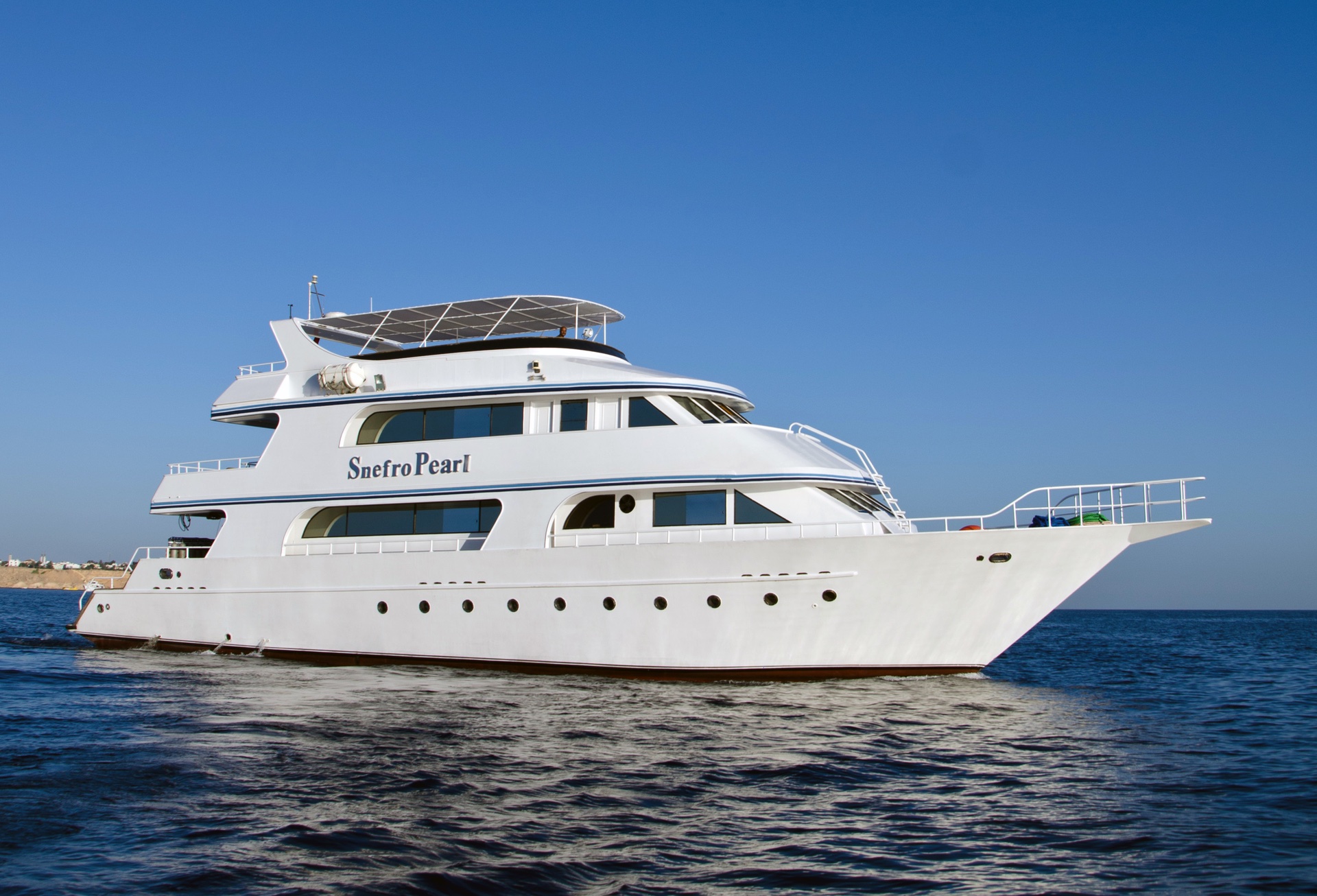
Snefro Pearl
Egypt
12 guests
$150/day
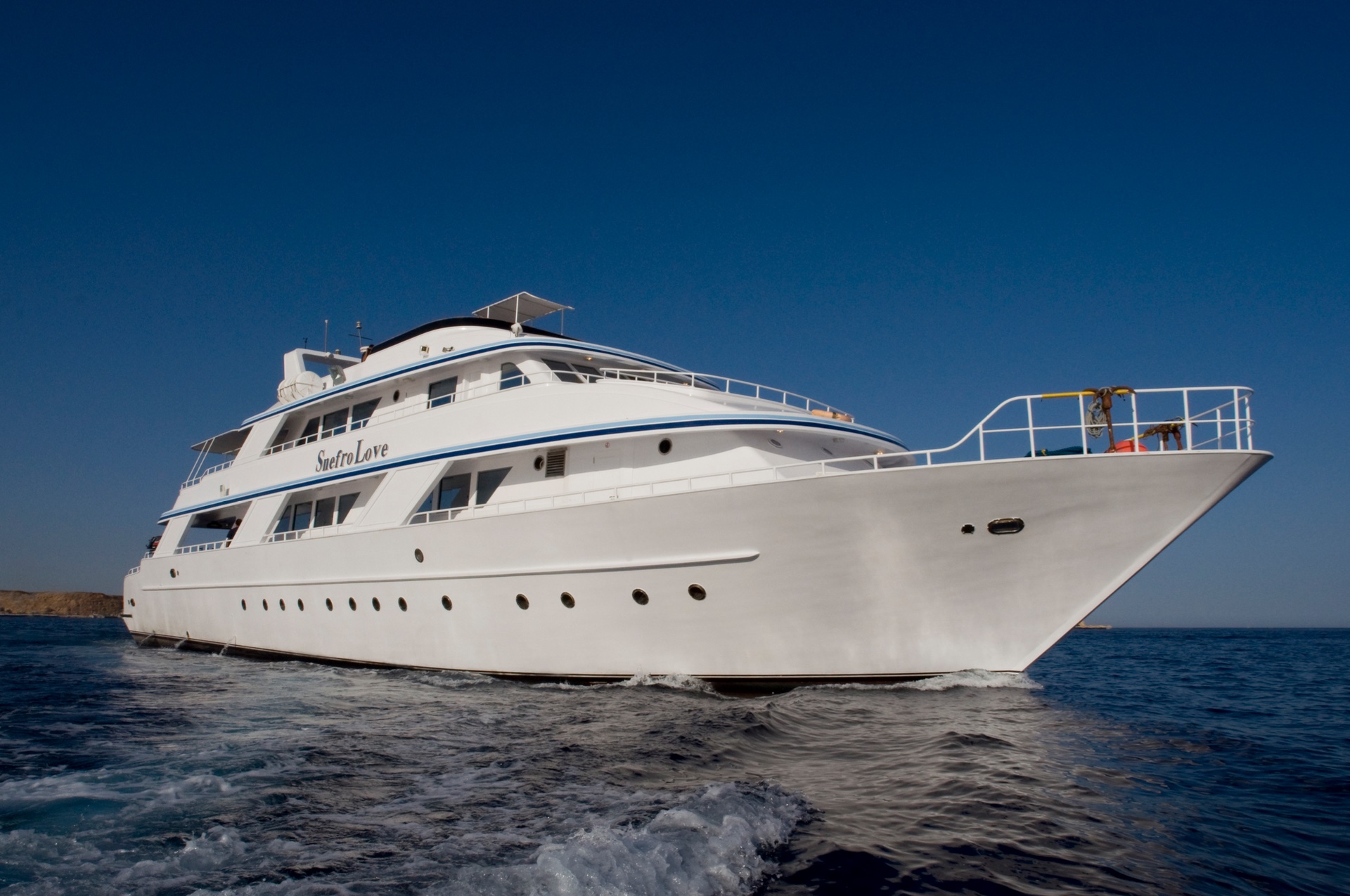
Snefro Love
Egypt
20 guests
$154/day
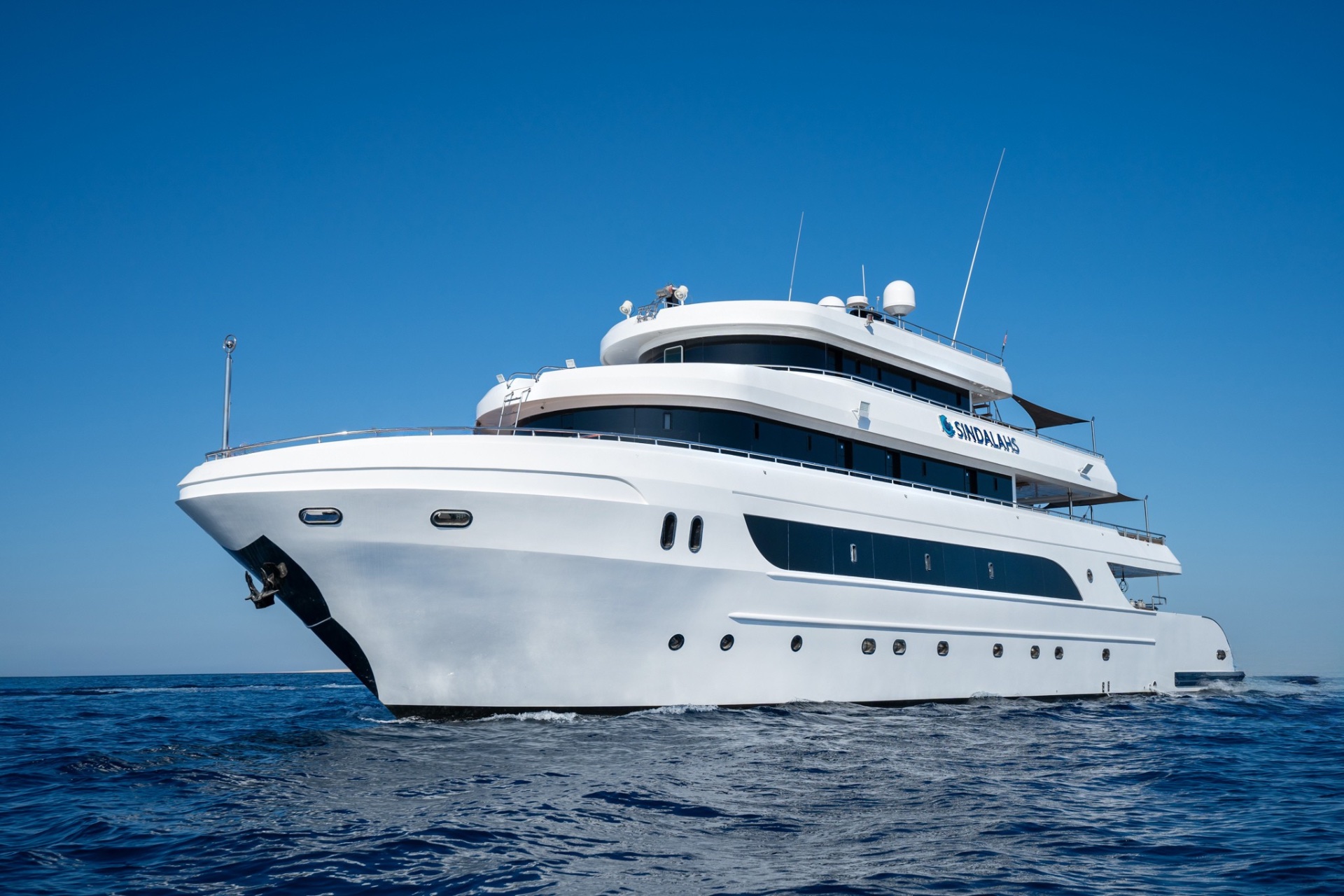
Sindalahs
Egypt
26 guests38 m
$155/day
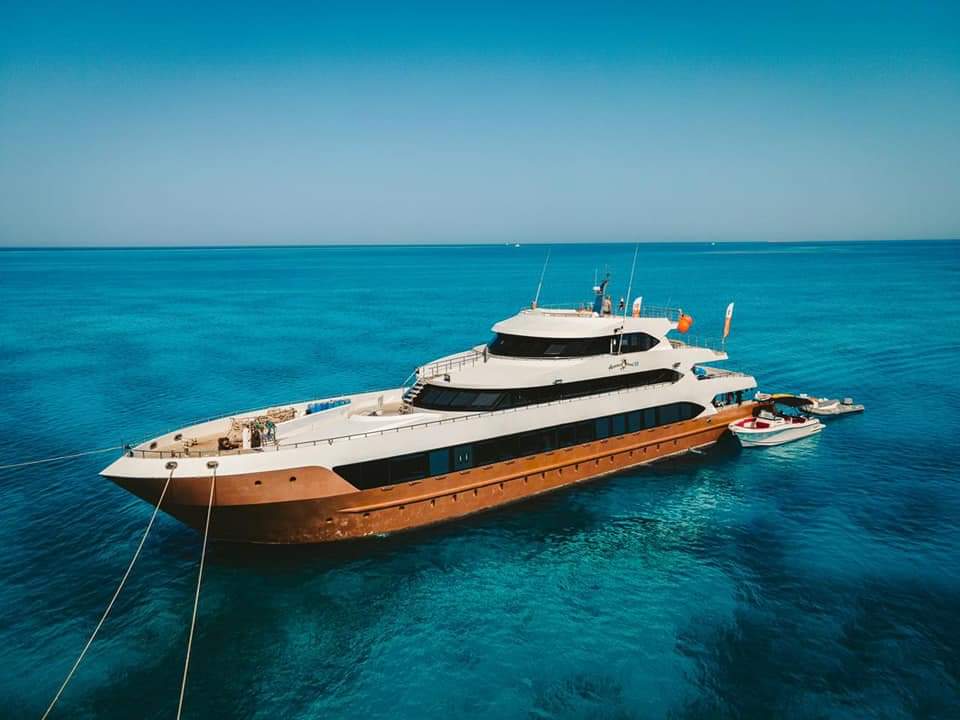
Hammerhead II
Egypt
20 guests
$172/day
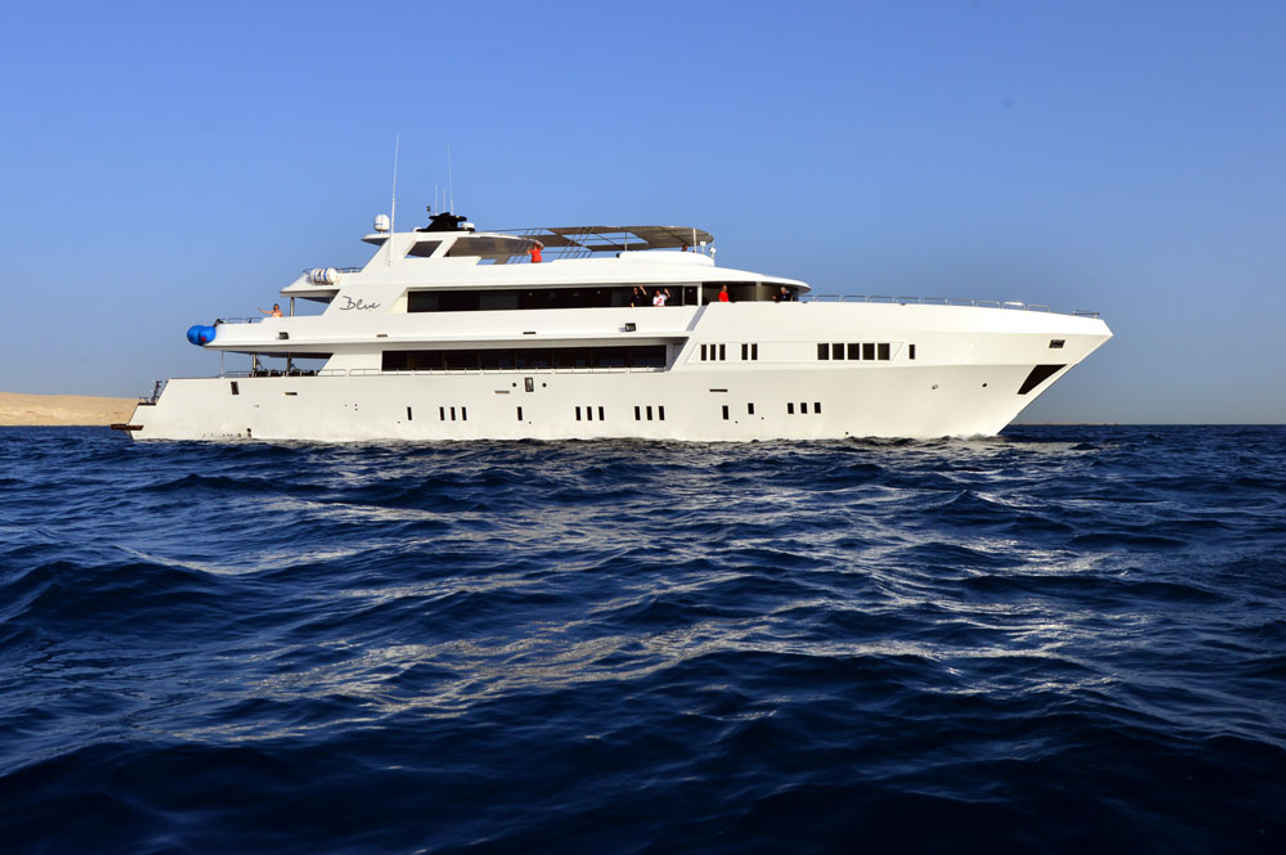
Blue Liveaboard
Egypt
24 guests43 m
$172/day
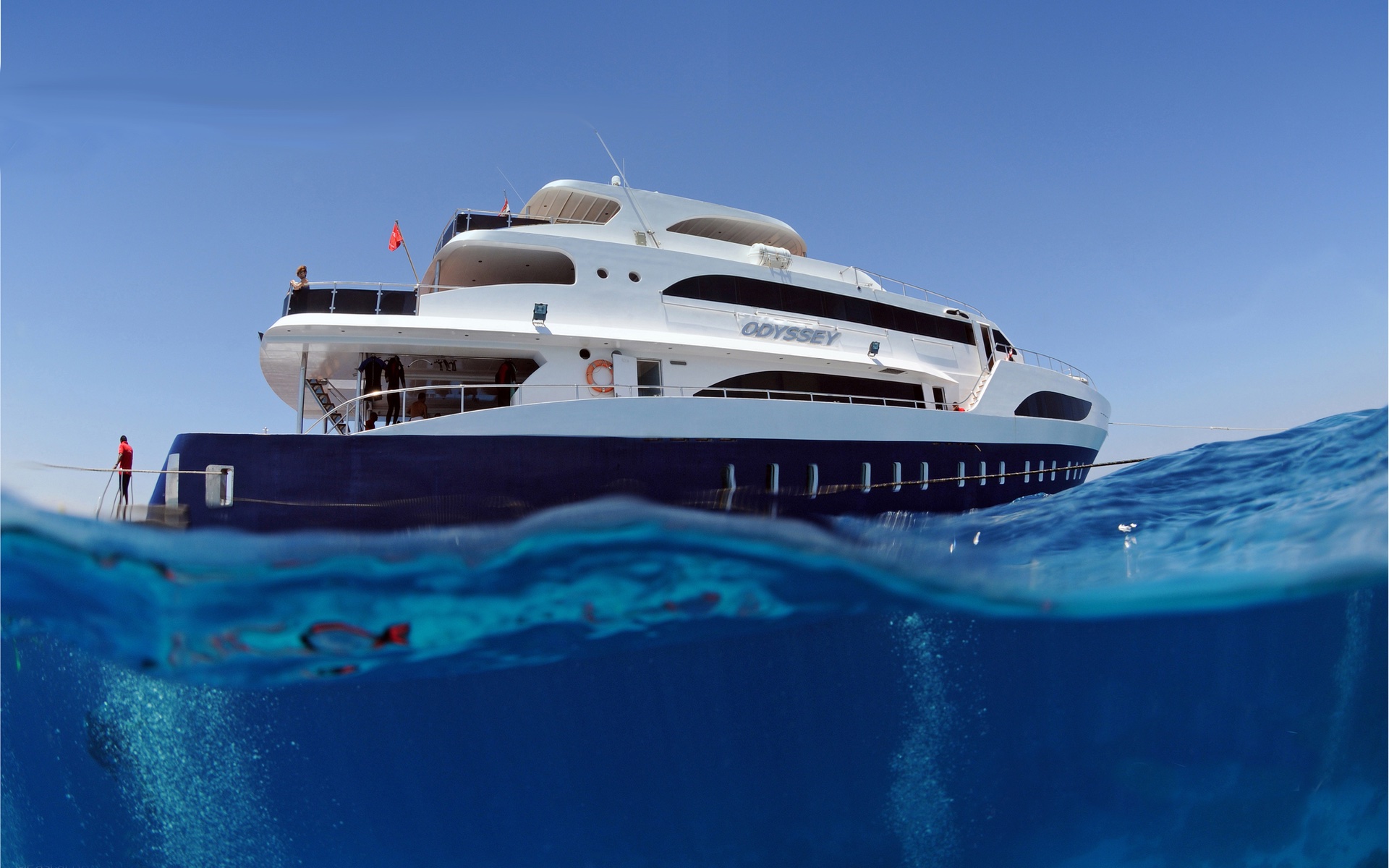
Odyssey
Egypt
26 guests40 m
$185/day
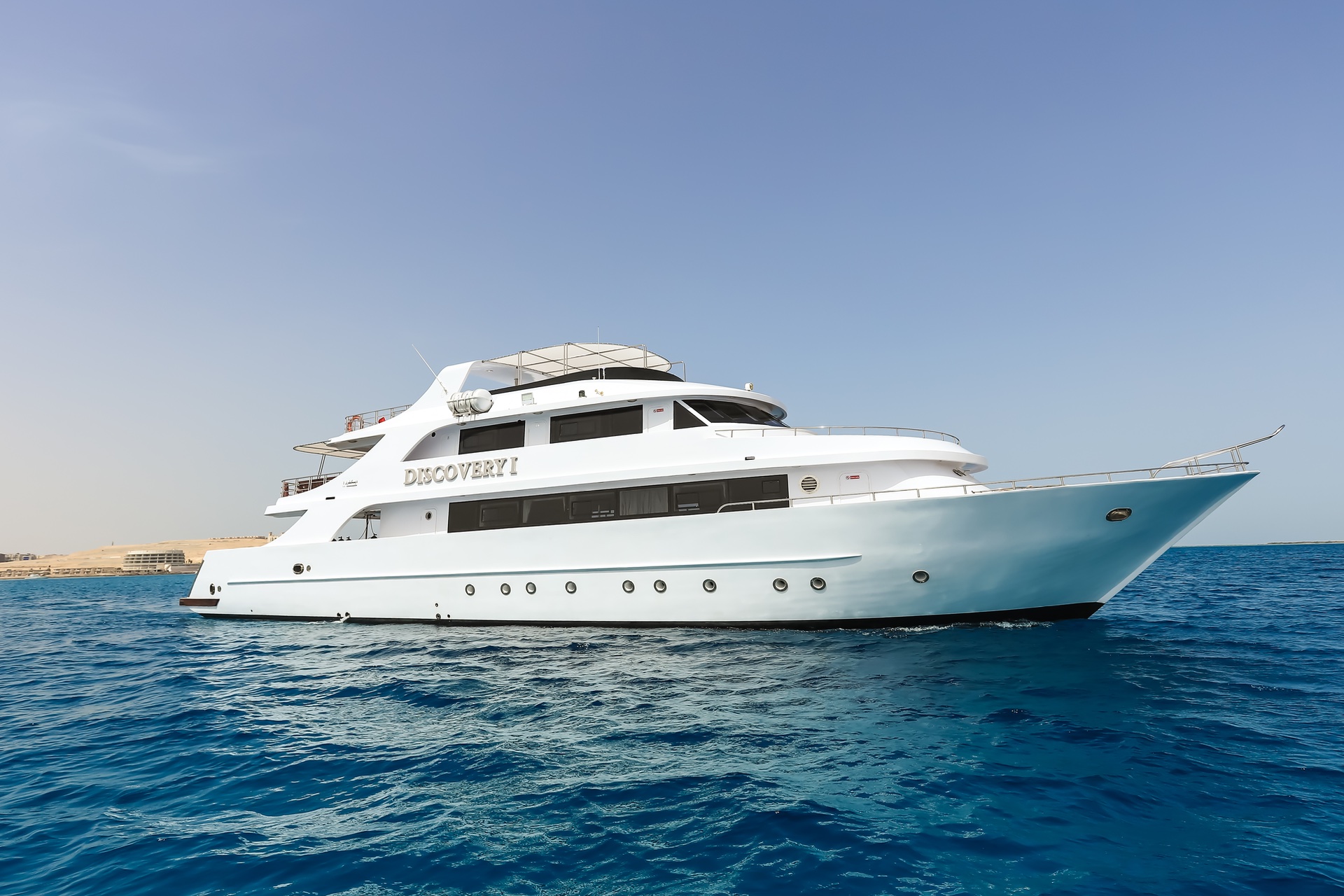
Discovery I
Egypt
20 guests
$104/day
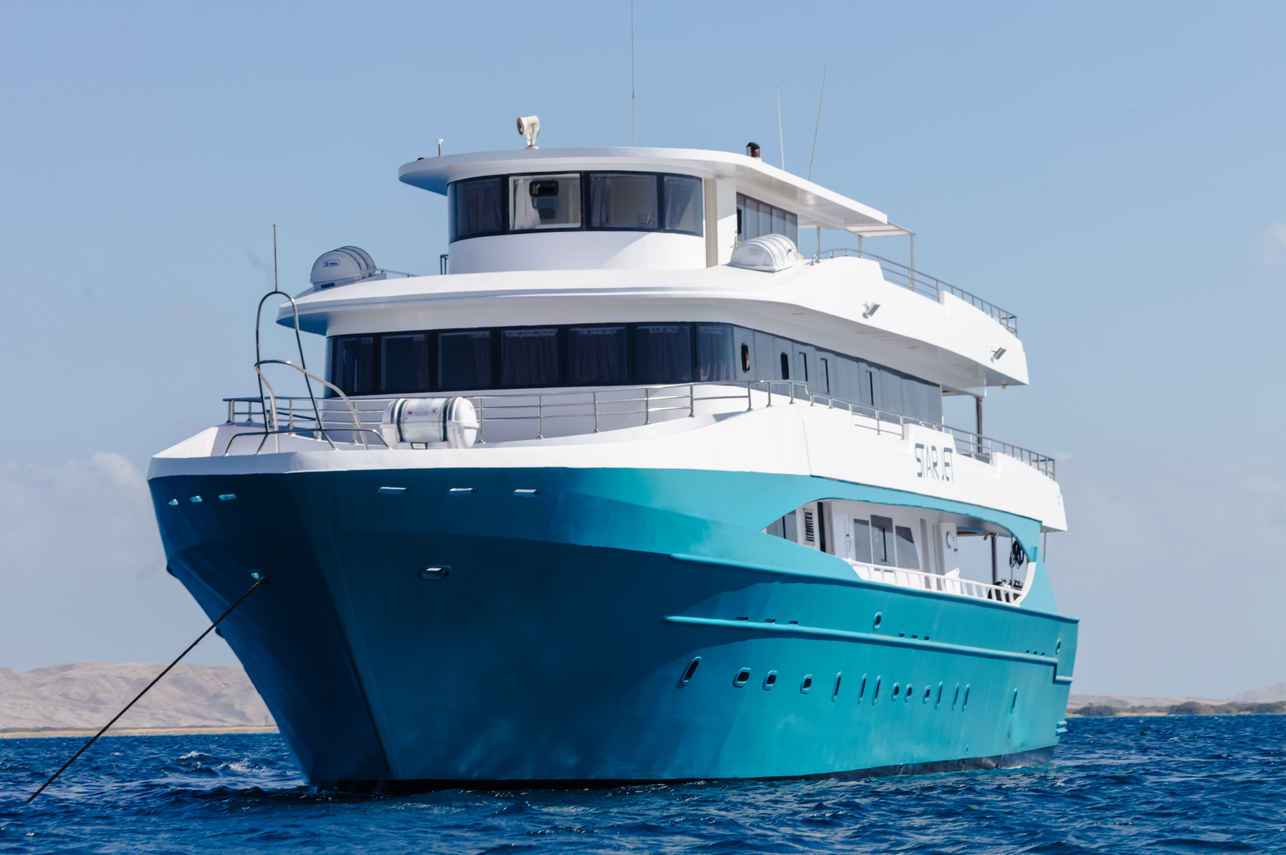
Star Jet
Egypt
28 guests35 m
$145/day
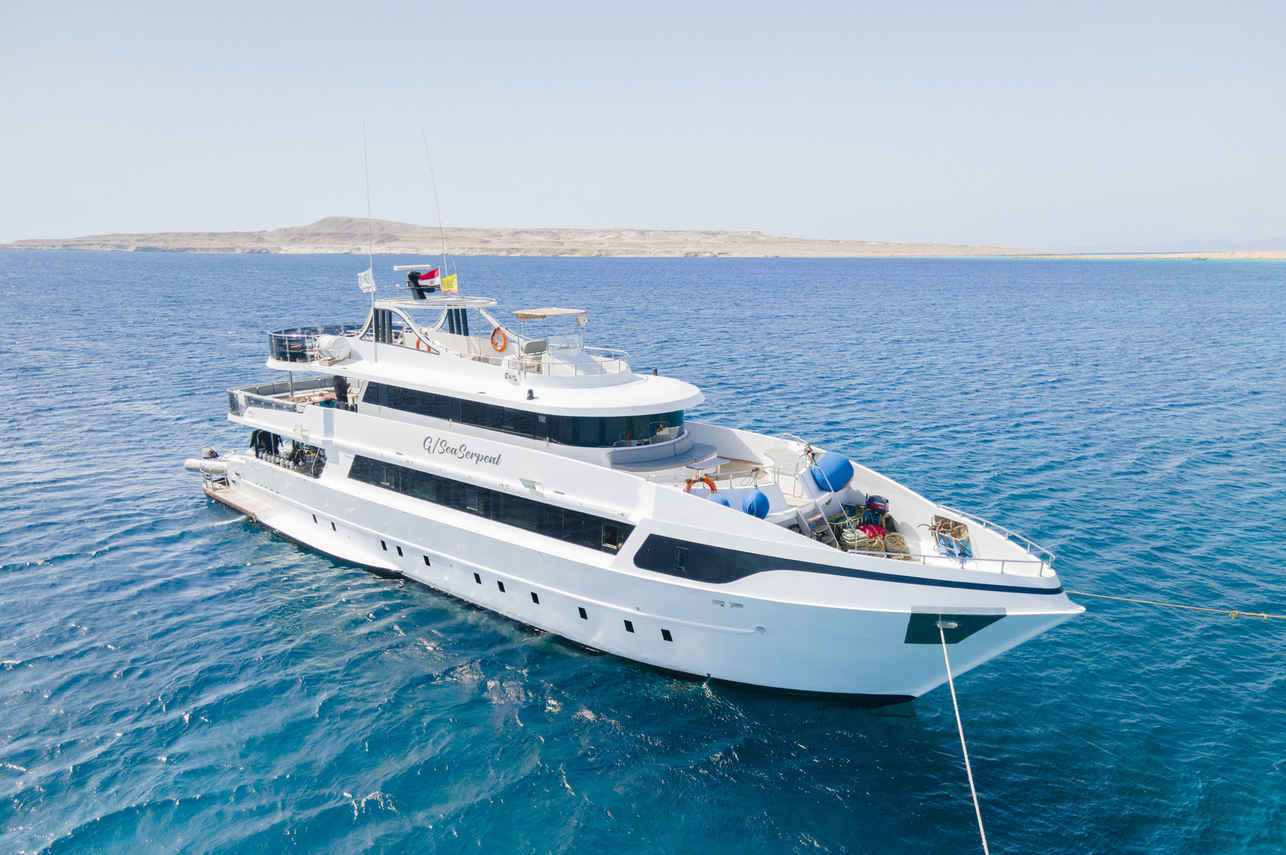
SS Serena Dreams
Egypt
18 guests33 m
$159/day
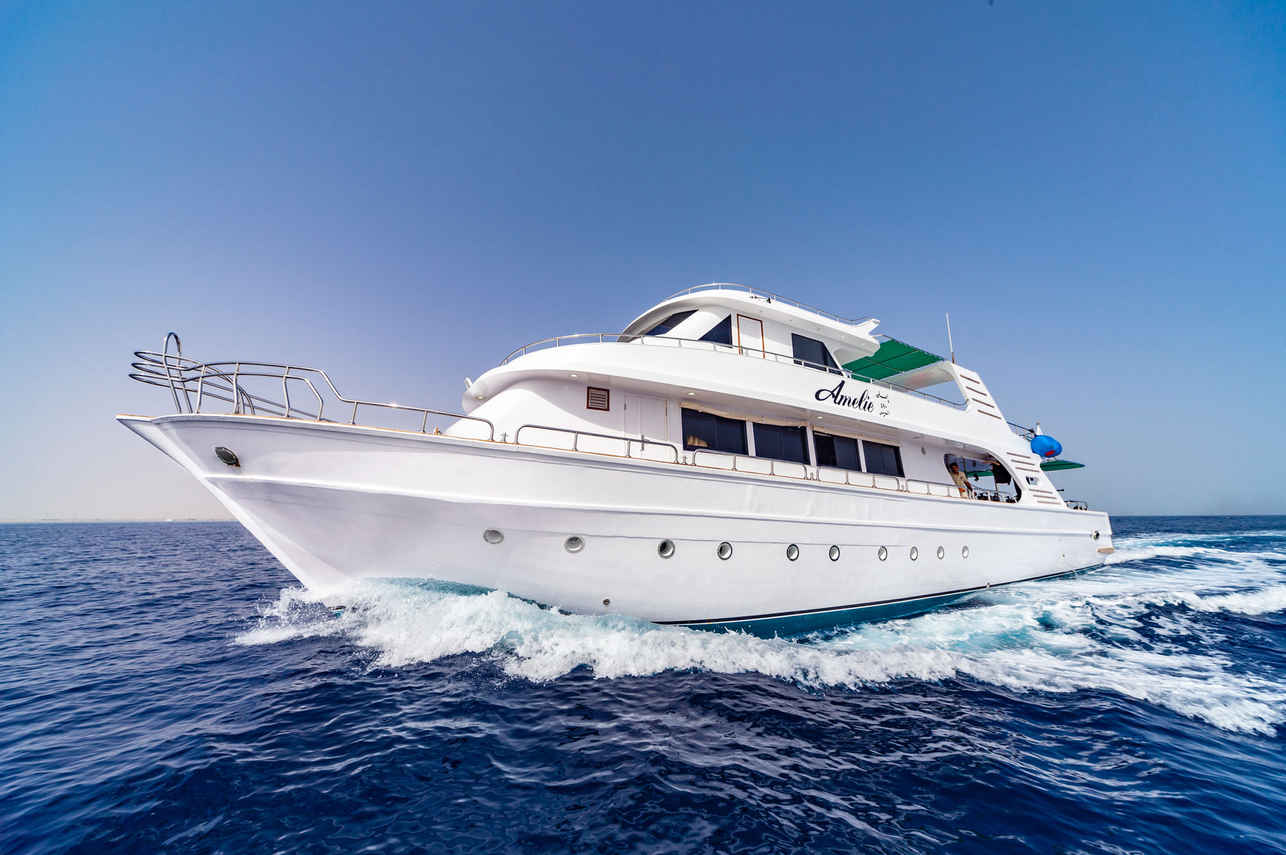
Amelie
Egypt
12 guests23 m
$115/day
Dive sites similar to El Mina
Same character, same waters — six more sites divers love for the exact same reasons.Compare seasons, access and liveaboard routes — then pick the site that fits your trip best.
The Lara is the remnant of a 137-meter cargo vessel that became stranded on the northern edge of Jackson Reef in 1982. Initially, the ship rested intact on the reef, but it was…
- Suitable for
- Advanced
- Current
- Strong
- Access
- Liveaboard only
- Depth
- 45–55 m
- Theme
- Wreck
© Esri — Maxar, Earthstar, GIS
Big Brother
Egypt
Big Brother Island, a prominent pinnacle in the southern Red Sea, rises from significant depths approximately 60 miles off the Egyptian coast near El-Quseir.
- Suitable for
- Advanced
- Current
- Strong
- Access
- Liveaboard only
- Depth
- 8–85 m
- Theme
- Drift / Wreck
© Esri — Maxar, Earthstar, GIS
Mohamed Hasabella
Egypt
The Mohamed Hasabella is the wreck of a fishing boat located in the waters off Hurghada, Egypt.
- Suitable for
- Advanced
- Current
- Moderate
- Access
- Dayboat
- Depth
- 25–33 m
- Theme
- Wreck
© Esri — Maxar, Earthstar, GIS
The Khanka, often called the “Russian Wreck,” is believed to be a Russian spy ship, specifically a MOMA (Project 861M) Class vessel with an “SSV” (Sudno Svyazyy, or communications vessel) designation on its hull.
- Suitable for
- Intermediate
- Current
- Moderate
- Access
- Liveaboard only
- Depth
- ≤ 24 m
- Theme
- Wreck
© Esri — Maxar, Earthstar, GIS
SS Thistlegorm
Egypt
The SS Thistlegorm is one of the world's most renowned shipwrecks, a British cargo vessel sunk during World War II. It lies in the Strait of Gubal, a narrow passage connecting the…
- Suitable for
- Advanced
- Current
- Strong
- Access
- Liveaboard or dayboat
- Depth
- 18–30 m
- Theme
- Wreck
The Giannis D, a Greek cargo ship, sank in April 1983 after running aground on the northwestern corner of Sha'ab Abu Nuhas, a prominent reef known as the "ship graveyard" in the Strait of Gubal.
- Suitable for
- Advanced
- Current
- Moderate
- Access
- Liveaboard or dayboat
- Depth
- 6–27 m
- Theme
- Wreck / Reef