About Balena Wreck
The Balena Wreck is a beginner-friendly dive site located in Hurghada, Egypt, featuring the remains of a Norwegian transport boat. Built in 1952, this vessel sank in 2001 and remains exceptionally well-preserved on the seabed. The wreck lies at a shallow maximum depth of 9 meters, making it accessible to divers with an Open Water Diver certification. Its manageable size, at 41 meters long and 7 meters wide, allows for thorough exploration. The Balena has transformed into a colorful artificial reef, extensively colonized by beautiful soft corals. This vibrant habitat attracts a diverse range of marine species, including numerous nudibranchs, young barracudas, and various reef fish. The site is characterized by calm conditions and generally good visibility. Divers can enjoy a relaxed experience admiring the wreck's structure and the abundant flora and fauna it hosts. Its shallow depth and lack of strong currents make it an ideal location for initial wreck diving experiences and underwater photography.
Highlights
Well-preserved Norwegian transport boatShallow depthAbundant nudibranchsColorful soft coralsBeginner-friendly wreck diveVariety of fish speciesYoung barracudas
Season calendar
Best months to dive here
Jan
Feb
Mar
Apr
May
Jun
Jul
Aug
Sep
Oct
Nov
Dec
Excellent
Good
Dive site facts: Balena Wreck
- Depth
- Up to 9 m
- Current
- None to mild
- Visibility
- 18–30 m
- Water temperature
- 21–30°C
- Entry
- Boat
- Level
- Open Water Diver
- Dive type
- Wreck, coral garden
- Region / port
- Hurghada, Red Sea
- Coordinates
- 27.0057° N, 34.4502° E
Conditions & Currents
The Balena Wreck is known for experiencing no strong currents, providing a relaxed and predictable dive environment. While other Hurghada wrecks like El Mina can have strong surface currents, the Balena typically offers calm conditions. Visibility generally remains very good, often exceeding 20 meters, though localized factors can cause minor fluctuations. Divers can expect stable conditions, making buoyancy control straightforward and reducing concerns about drift. Entry and exit are usually simple boat dives without the need for complex current lines, ensuring a stress-free experience for divers of all levels.
Marine life & sighting chances
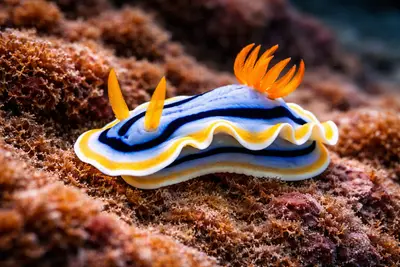
Nudibranchs
common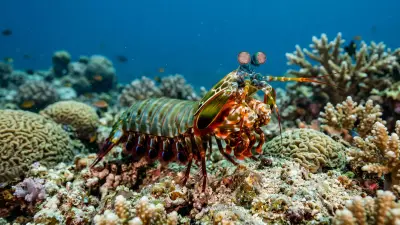
Shrimps
common
Young barracudas
common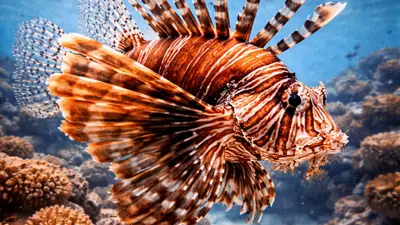
Lionfish
common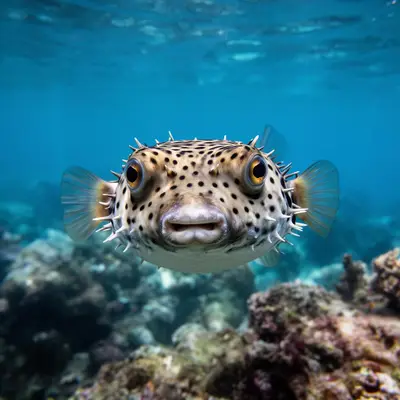
Pufferfish
common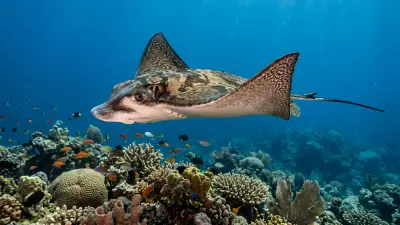
Rays
occasional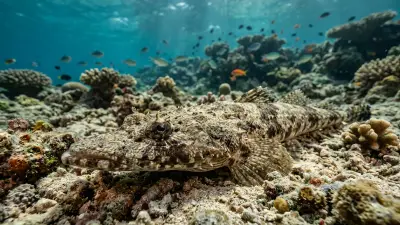
Crocodilefish
occasional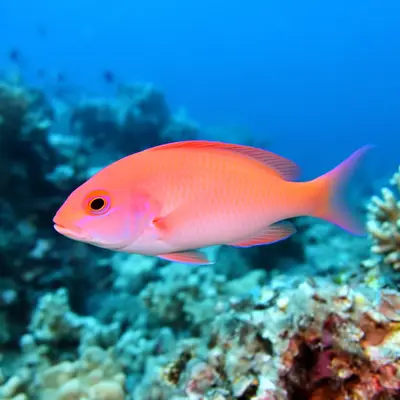
Anthias
common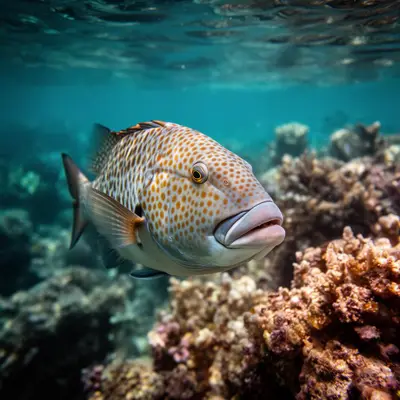
Sweetlips
occasional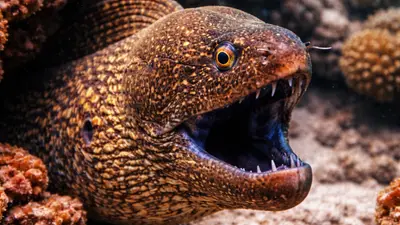
Moray eels
occasionalDive profile & how the dive runs
Diving at the Balena Wreck typically begins with a boat entry directly over the site. Due to its shallow depth of up to 9 meters, descent is usually quick and straightforward. Divers often start by exploring the well-preserved superstructure of the 41-meter long wreck, observing the colorful soft corals and abundant macro life, such as nudibranchs and shrimps, that colonize the metal. The route may involve circumnavigating the wreck, paying close attention to schools of young barracudas and various reef fish hovering around. The dive naturally progresses along the hull, allowing for close inspection of the artificial reef ecosystem. Given the shallow profile, bottom time is extended, and the safety stop can be comfortably conducted directly above the wreck or during a slow ascent.
Underwater photography
The Balena Wreck is an excellent site for underwater photography, particularly for macro and wide-angle shots due to its shallow depth and abundant marine life. For capturing the colorful soft corals and diverse nudibranchs, a macro lens or wet diopter is highly recommended. Wide-angle lenses are effective for showcasing the entire 41-meter wreck and its artificial reef transformation. Given the shallow water, natural light is often sufficient, but external strobes or video lights will enhance colors and reduce backscatter, especially for macro subjects. Maintain excellent buoyancy control to avoid disturbing the sandy bottom or fragile corals on the wreck. Subjects like schools of young barracudas and lionfish also offer dynamic photo opportunities.
Combine with nearby dive sites
- El Mina
A deeper wreck of an Egyptian minesweeper, often visited by advanced divers.
- Mohamed Hasabella
A fishing boat wreck, sometimes combined with El Mina for experienced divers.
- Carless Reef
Known for breathtaking coral gardens and potential encounters with large fish.
- Giftun Island
Features protected reefs and various dive sites suitable for different levels.
- El Fanadir North
A popular reef site known for its wall diving and marine diversity.
Getting there & logistics
Diving the Balena Wreck primarily originates from Hurghada, Egypt. The closest major airport is Hurghada International Airport (HRG), which offers direct flights from numerous European cities and connections via Cairo. Trips to the Balena are typically day boat excursions, as the wreck is located close to Hurghada's marina. There are no specific permits or fees mentioned for this particular wreck, although general Red Sea diving regulations apply. Dive operators in Hurghada organize daily trips, often combining the Balena with other local reef or wreck sites, making it suitable for a half-day or full-day diving adventure.
Safety & environment
While the Balena Wreck is considered beginner-friendly due to its shallow depth and lack of strong currents, standard diving safety procedures are always paramount. The nearest recompression chamber is located in Hurghada. Divers should always carry valid dive insurance that covers recompression therapy and emergency evacuation. Site-specific hazards are minimal but include potential sharp edges common on any wreck; maintaining neutral buoyancy and avoiding contact is crucial. Given the site's popularity, adhere to dive group protocols to prevent overcrowding. Although visibility is generally good, always carry an alternative light source, especially when exploring any internal spaces of the wreck, though penetrations are not explicitly detailed as an option for this site.
Who it suits — and who it doesn't
Suited for
- Open Water Certified divers
- Beginner wreck divers
- Underwater photographers (macro & wide-angle)
- Divers seeking easy, relaxed dives
- Those interested in marine biology (nudibranchs, soft corals)
Less suited for
- Technical divers seeking extreme depths
- Divers focused solely on large pelagic encounters
- Those looking for challenging current dives
- Divers interested in extensive wreck penetration
- Experienced divers who prefer deep or complex wrecks
FAQ
Balena Wreck FAQ
What is the maximum depth of the Balena Wreck?
The Balena Wreck rests at a very shallow maximum depth of 9 meters. This makes it an ideal dive site for divers of all experience levels, including those with entry-level certifications. The shallow profile also allows for extended bottom times.
What kind of marine life can be seen at the Balena Wreck?
The Balena Wreck is renowned for its abundant and diverse marine life, particularly nudibranchs, shrimps, and a variety of colorful reef fish. You can also frequently spot young barracudas, lionfish, pufferfish, and beautiful soft corals colonizing the wreck structure. Crocodilefish and occasional rays are also present.
Is the Balena Wreck suitable for beginner divers?
Yes, the Balena Wreck is highly recommended for beginner divers. Its shallow depth of 9 meters, combined with the absence of strong currents, makes it a very safe and comfortable environment for new divers or those undertaking their first wreck dive. An Open Water Diver certification is sufficient to explore this site.
Are there strong currents at the Balena Wreck?
No, the Balena Wreck is characterized by no strong currents. This calm environment contributes to its beginner-friendly reputation and allows divers to enjoy a relaxed exploration of the wreck and its surrounding marine life without significant physical exertion. Conditions are generally stable and predictable.
What is the history of the Balena Wreck?
The Balena Wreck is a Norwegian transport boat that was built in 1952. After almost five decades of service, it sank in the Red Sea in 2001. The wreck is notably well-preserved, providing a fascinating glimpse into its past as a cargo vessel.
Why dive Balena Wreck from a liveaboard?
Balena Wreck is one of Egypt's signature dive sites. A liveaboard sleeps you on the water and puts you in the water for three to four guided dives per day, including dawn and night dives that day-boat operators rarely offer. You skip the daily commute back to port and reach quieter, less-crowded sites in the same region on a single trip.
Below are the liveaboards that include Balena Wreck on their Egypt itineraries.
Liveaboards diving Balena Wreck
These liveaboards may visit Balena Wreck on selected itineraries — the exact dive sites depend on departure, weather and conditions.
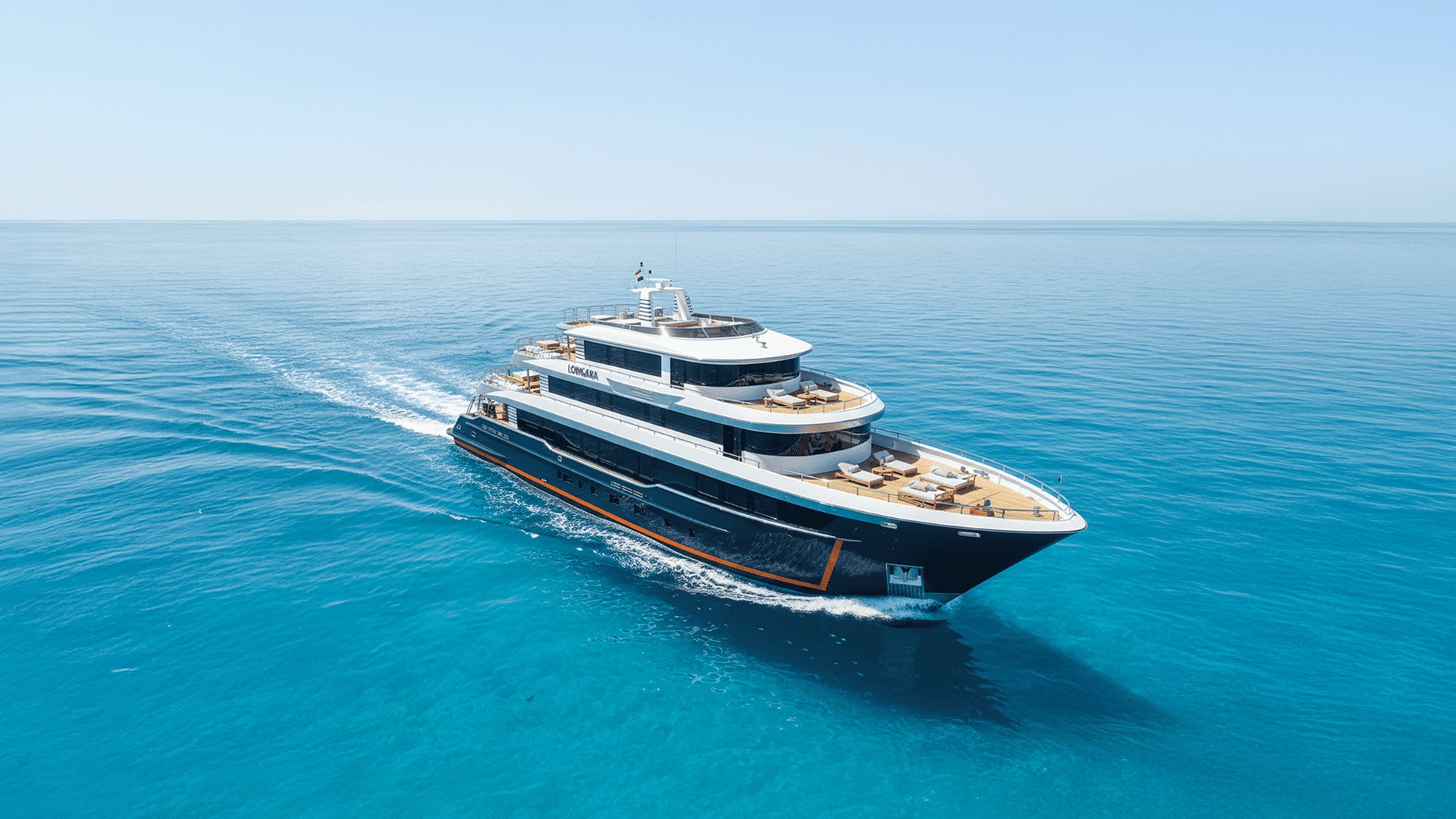
DUNE Longara
Egypt
30 guests
$150/day
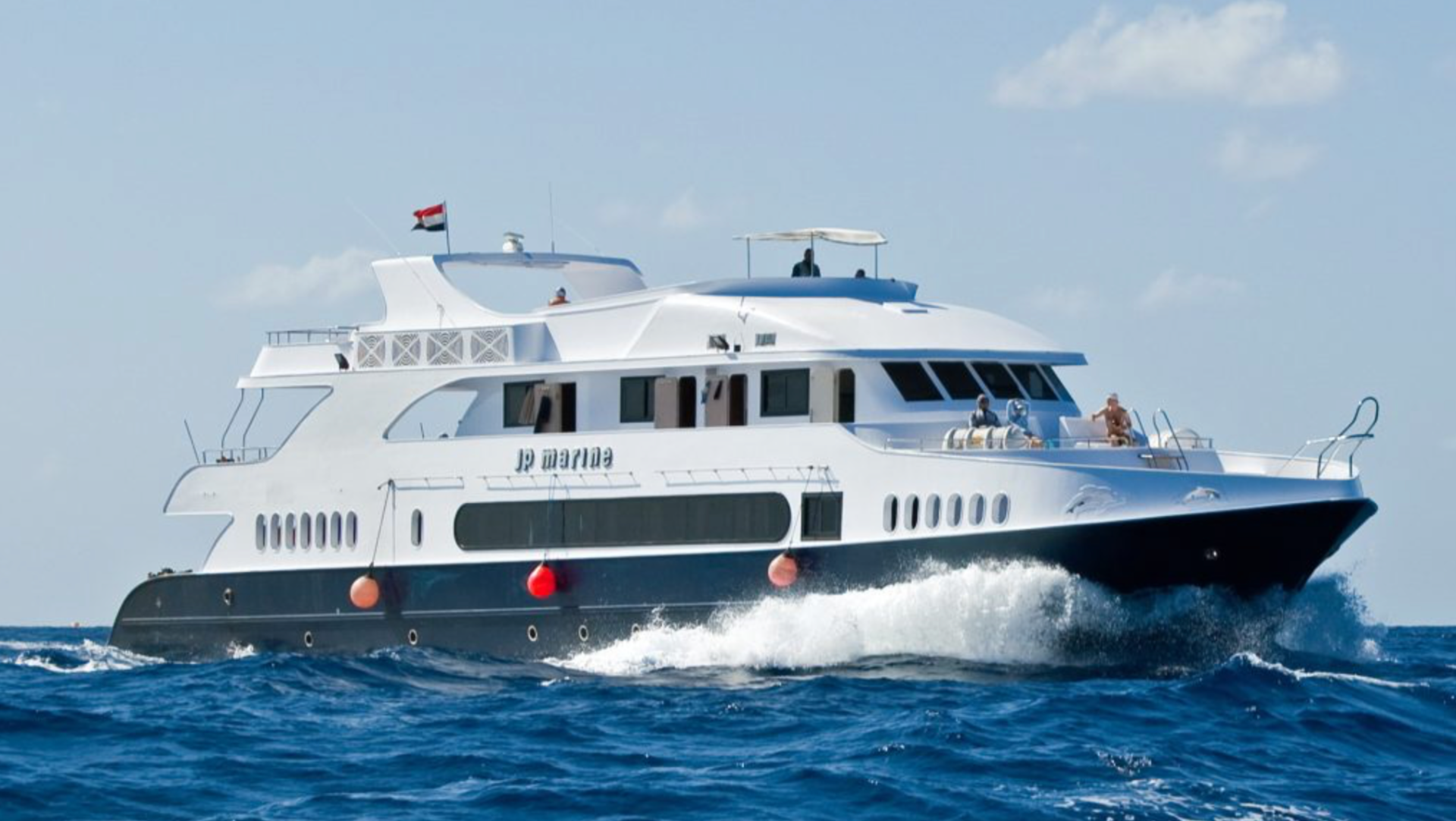
JP Marine
Egypt
28 guests
$109/day
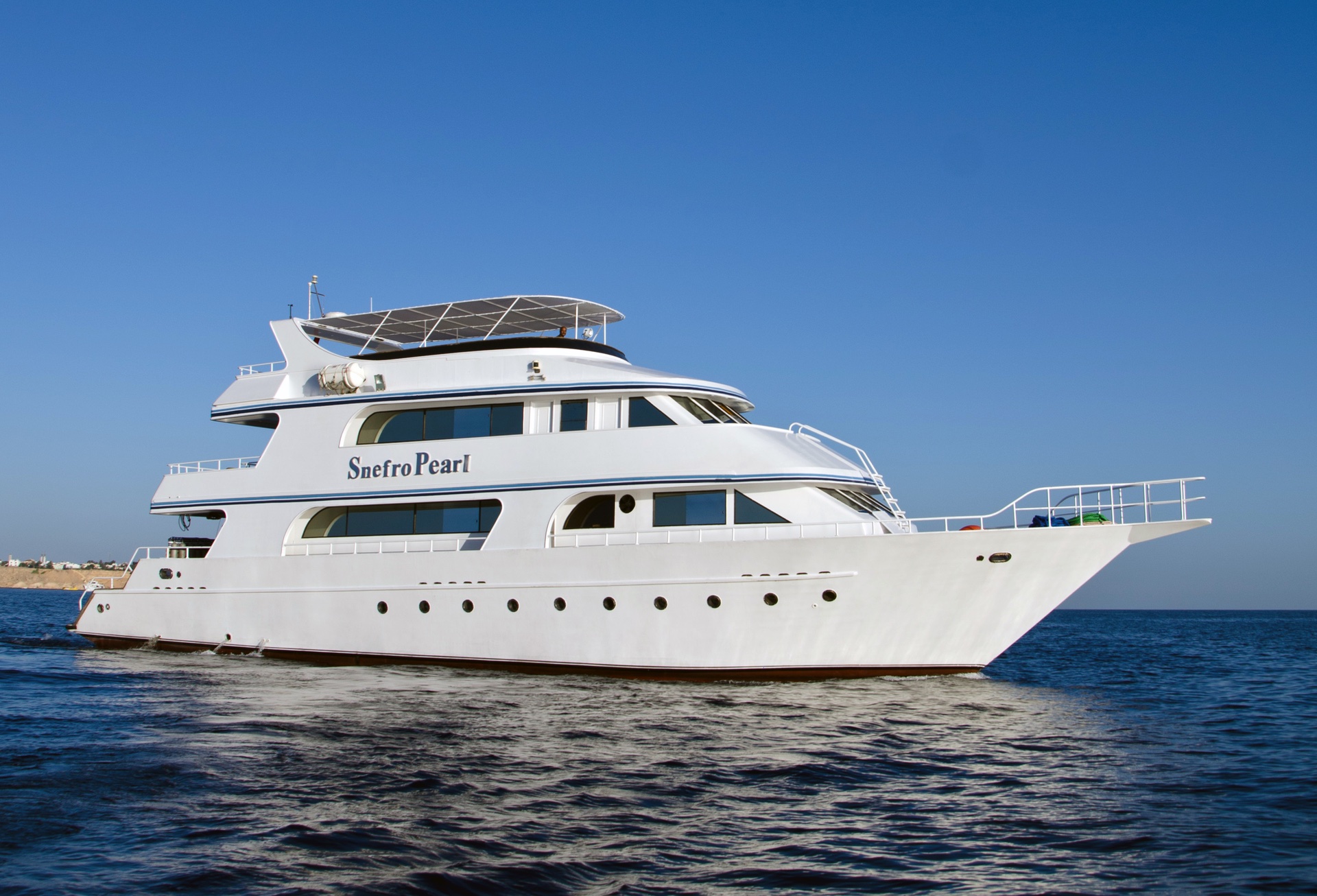
Snefro Pearl
Egypt
12 guests
$150/day
Snefro Love
Egypt
20 guests
$154/day
Sindalahs
Egypt
26 guests38 m
$155/day
Hammerhead II
Egypt
20 guests
$172/day
Blue Liveaboard
Egypt
24 guests43 m
$172/day
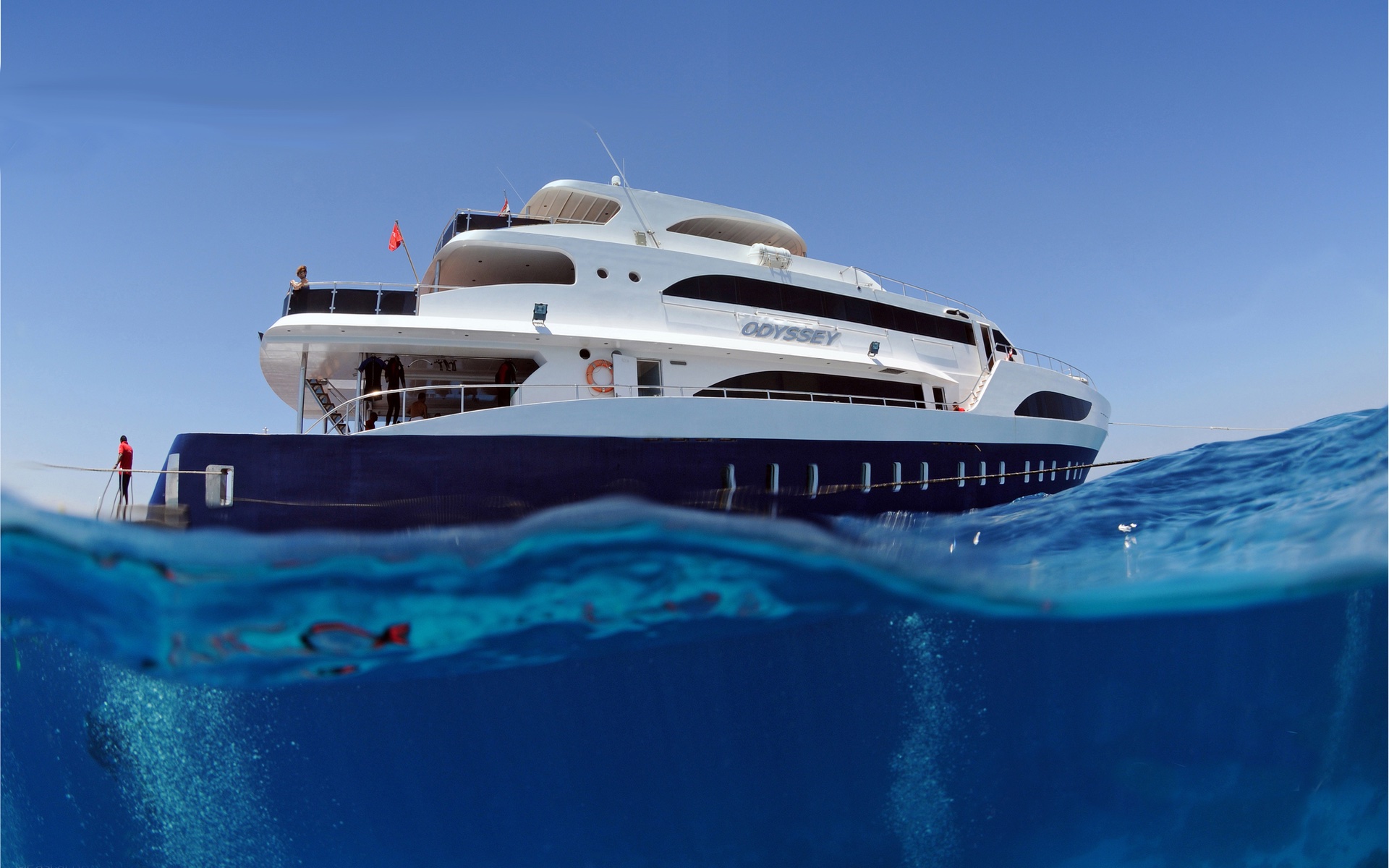
Odyssey
Egypt
26 guests40 m
$185/day
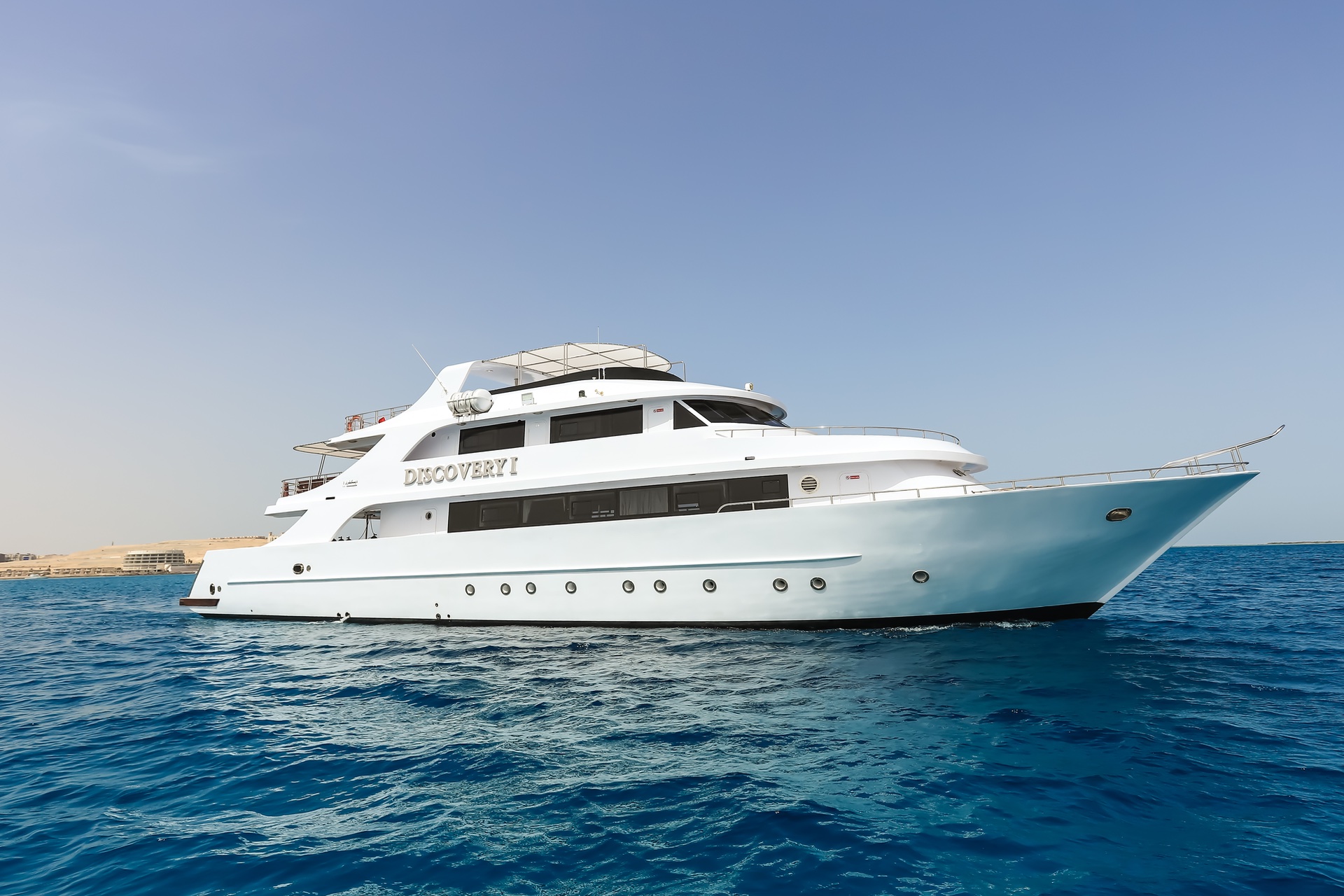
Discovery I
Egypt
20 guests
$104/day
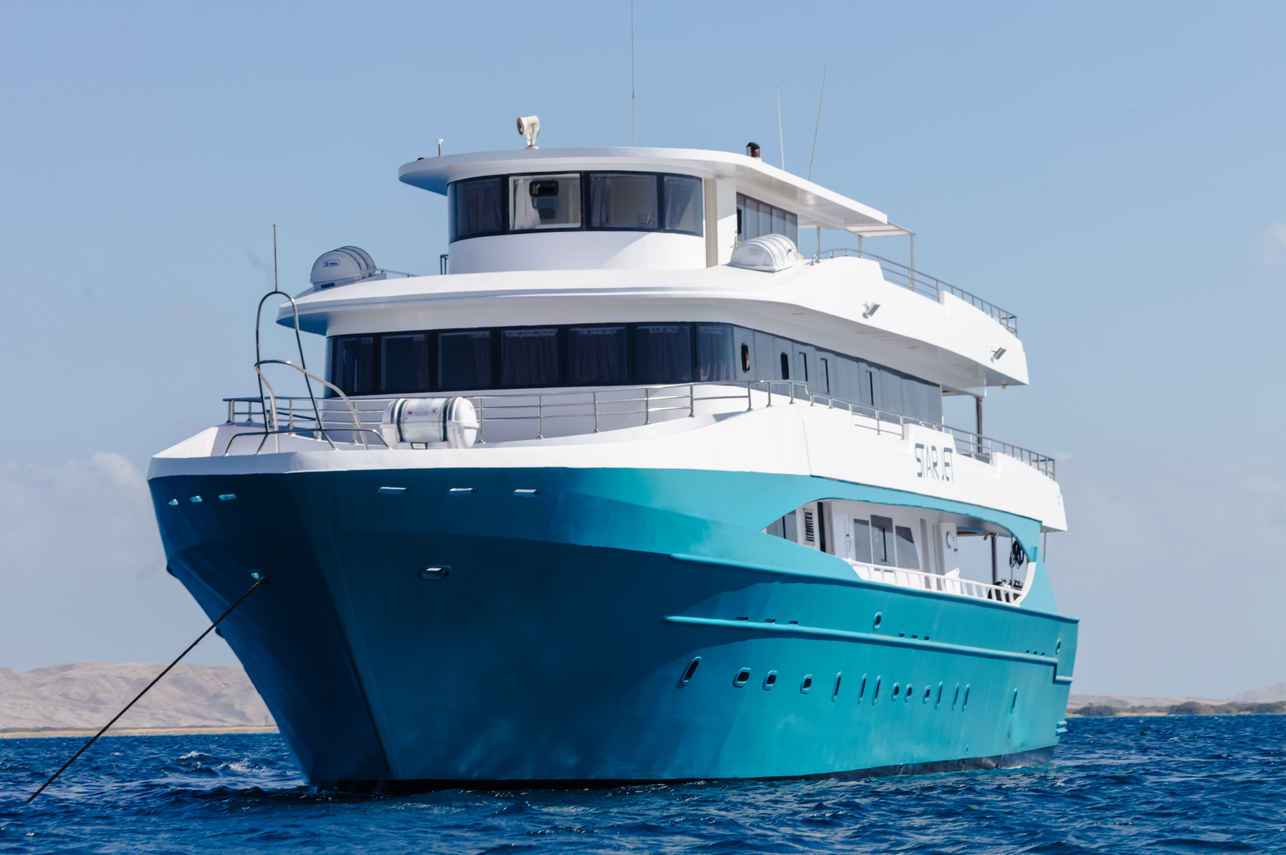
Star Jet
Egypt
28 guests35 m
$145/day
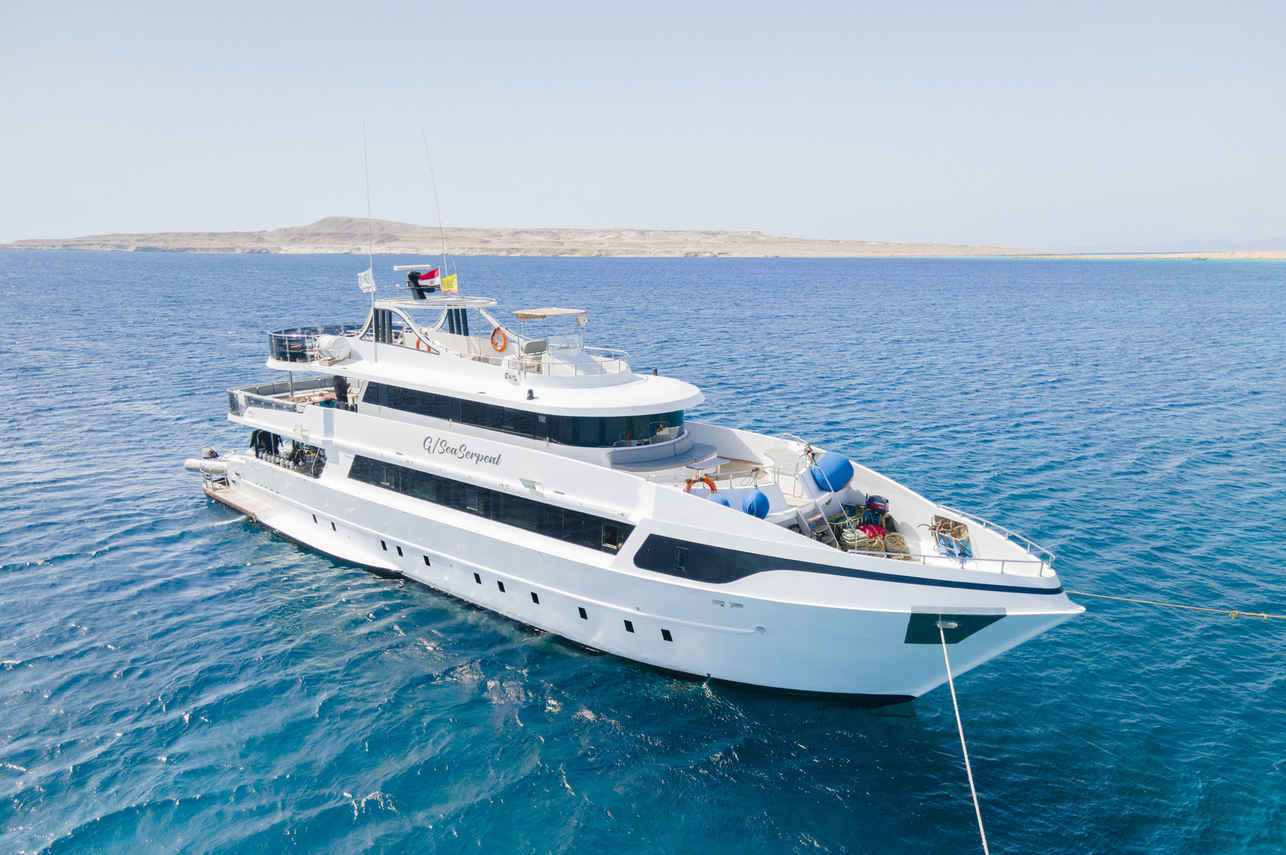
SS Serena Dreams
Egypt
18 guests33 m
$159/day
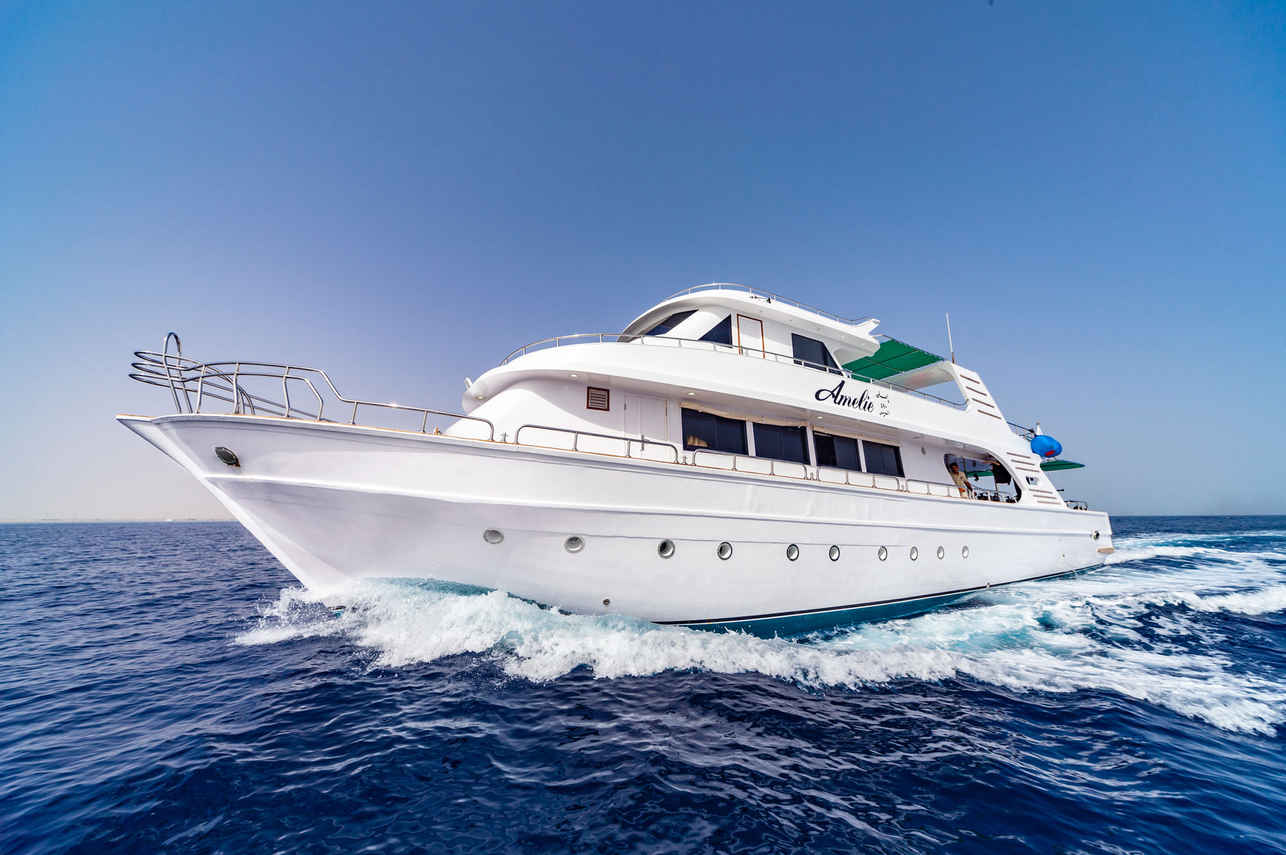
Amelie
Egypt
12 guests23 m
$115/day
Dive sites similar to Balena Wreck
Same character, same waters — six more sites divers love for the exact same reasons.Compare seasons, access and liveaboard routes — then pick the site that fits your trip best.
The Lara is the remnant of a 137-meter cargo vessel that became stranded on the northern edge of Jackson Reef in 1982. Initially, the ship rested intact on the reef, but it was…
- Suitable for
- Advanced
- Current
- Strong
- Access
- Liveaboard only
- Depth
- 45–55 m
- Theme
- Wreck
© Esri — Maxar, Earthstar, GIS
Big Brother
Egypt
Big Brother Island, a prominent pinnacle in the southern Red Sea, rises from significant depths approximately 60 miles off the Egyptian coast near El-Quseir.
- Suitable for
- Advanced
- Current
- Strong
- Access
- Liveaboard only
- Depth
- 8–85 m
- Theme
- Drift / Wreck
© Esri — Maxar, Earthstar, GIS
SS Thistlegorm
Egypt
The SS Thistlegorm is one of the world's most renowned shipwrecks, a British cargo vessel sunk during World War II. It lies in the Strait of Gubal, a narrow passage connecting the…
- Suitable for
- Advanced
- Current
- Strong
- Access
- Liveaboard or dayboat
- Depth
- 18–30 m
- Theme
- Wreck
The Giannis D, a Greek cargo ship, sank in April 1983 after running aground on the northwestern corner of Sha'ab Abu Nuhas, a prominent reef known as the "ship graveyard" in the Strait of Gubal.
- Suitable for
- Advanced
- Current
- Moderate
- Access
- Liveaboard or dayboat
- Depth
- 6–27 m
- Theme
- Wreck / Reef
© Esri — Maxar, Earthstar, GIS
Mohamed Hasabella
Egypt
The Mohamed Hasabella is the wreck of a fishing boat located in the waters off Hurghada, Egypt.
- Suitable for
- Advanced
- Current
- Moderate
- Access
- Dayboat
- Depth
- 25–33 m
- Theme
- Wreck
© Esri — Maxar, Earthstar, GIS
The Khanka, often called the “Russian Wreck,” is believed to be a Russian spy ship, specifically a MOMA (Project 861M) Class vessel with an “SSV” (Sudno Svyazyy, or communications vessel) designation on its hull.
- Suitable for
- Intermediate
- Current
- Moderate
- Access
- Liveaboard only
- Depth
- ≤ 24 m
- Theme
- Wreck