About Mohamed Hasabella
The Mohamed Hasabella is the wreck of a fishing boat located in the waters off Hurghada, Egypt. It is part of the region's rich collection of submerged historical artifacts, providing an interesting dive experience for those exploring the Red Sea's depths. The wreck rests near the El Mina minesweeper, making it a common second dive for experienced divers. While specific details on its original structure are less documented, the Mohamed Hasabella contributes to Hurghada's reputation as a wreck diving destination. Its proximity to other well-known sites means divers often encounter a dynamic underwater environment, characteristic of the Red Sea's diverse marine ecosystems. Conditions at the site, like many Red Sea wrecks, can include currents, and visibility may vary, especially given its sandy and rocky seabed. The site is generally accessible to Advanced Open Water divers due to its typical depth profile. Diving the Mohamed Hasabella provides a unique opportunity to explore a lesser-known but significant part of Hurghada's underwater landscape, appealing to divers interested in combining wreck exploration with local marine observations.
Highlights
Fishing boat wreckNear El Mina WreckHurghada dive siteWreck diving experienceAccessible by day boat
Season calendar
Best months to dive here
Jan
Feb
Mar
Apr
May
Jun
Jul
Aug
Sep
Oct
Nov
Dec
Excellent
Good
Mar – May & Sep – Nov (Peak)
Best conditions with 30m+ visibility, comfortable water temps 24–28°C. Hammerhead sharks at Brothers, thresher sharks at Elphinstone.
Jun – Aug & Dec – Feb (Shoulder)
Jun–Aug: hot topside but warm water, good for southern routes. Dec–Feb: cooler water (21–23°C) attracts oceanic whitetips at Elphinstone. Still excellent visibility.
Dive site facts: Mohamed Hasabella
- Depth
- 25–33 m
- Typical dive
- 27–33 m, 36–45 min
- Current
- 1 knot (August, September)
- Visibility
- 10–25 m
- Water temperature
- 21–28 ℃
- Entry
- Boat / negative entry
- Level
- AOWD recommended
- Dive type
- Wreck
- Region / port
- Hurghada, Egypt
- Coordinates
- 26.9977° N, 34.4932° E
Conditions & Currents
Currents at the Mohamed Hasabella wreck can be present, and divers should be prepared for varying conditions. Some reports indicate potential for surface currents, especially when diving in conjunction with nearby sites like El Mina. It is advisable to utilize a current rope upon entry and during descent, pulling along a line to the main descent rope to reach the wreck safely. Buoyancy control is crucial, with one hand dedicated to the descent line and the other for inflator adjustments. Visibility around the wreck can be influenced by the sandy and rocky bottom, occasionally being less clear compared to coral reefs. Divers should exercise caution around the wreck structure, as sharp edges may be present.
Dive profile & how the dive runs
Diving the Mohamed Hasabella typically begins with a boat entry, often via tender, followed by a controlled descent along a line due to potential currents. Divers usually explore the fishing boat wreck, which lies at depths ranging from 25 to 33 meters. The dive duration commonly falls between 36 and 45 minutes, with an average depth around 27 meters. Experienced divers with good air consumption may combine this wreck with a visit to the nearby El Mina wreck during a single dive, requiring careful planning. The safety stop is typically conducted at the end of the dive profile, adhering to standard decompression protocols. Due to the depth and potential conditions, advanced dive certification is recommended.
Underwater photography
For capturing the Mohamed Hasabella wreck, a wide-angle lens can be effective for showcasing the overall structure, especially if combined with the El Mina wreck in a single frame. Given the occasional lower visibility and deeper light conditions, external strobes are highly recommended to bring out details and color. Maintaining excellent buoyancy is crucial to avoid stirring up the sandy bottom, which could further reduce visibility. Photographers should also be mindful of potential sharp edges on the wreck.
Combine with nearby dive sites
- El Mina
Often combined in a single dive for experienced divers.
- El Mina Wreck
A nearby Egyptian minesweeper wreck.
- Balena Wreck
A shallower wreck known for nudibranchs and diverse marine life.
- Carless Reef
Carless Reef is a renowned advanced dive site near Hurghada, notable for its two prominent coral pinnacles that rise from a sandy bottom at…
- Shaab El Erg (Dolphin House)
The House Reef in Dauin, Negros Oriental, extends directly from the shoreline along a volcanic coast, offering divers convenient shore…
Getting there & logistics
Mohamed Hasabella is primarily accessed via day boats departing from Hurghada. The nearest international airport for arrivals is Hurghada (HRG). Divers often book day trips through local dive centers in Hurghada, with the site sometimes integrated into liveaboard itineraries that focus on Hurghada's wrecks. There are no specific permits mentioned beyond standard Red Sea diving regulations and dive center fees. Given its proximity to El Mina, some experienced divers might visit both wrecks during one extended dive.
Safety & environment
Diving the Mohamed Hasabella requires adherence to standard wreck diving safety protocols. The nearest recompression chamber is located in Hurghada. Divers should possess at least an Advanced Open Water Diver certification due to the depths involved, typically between 25 and 33 meters. Potential hazards include currents, which can necessitate using descent and ascent lines, and sharp edges on the wreck itself, making neutral buoyancy essential. Visibility can be reduced by the sandy and rocky bottom, requiring vigilance. Adequate insurance covering dive emergencies and evacuation is strongly advised for all divers.
Who it suits, and who it doesn't
Suited for
- Advanced Open Water Divers
- Wreck diving enthusiasts
- Divers comfortable with currents
- Photographers with wide-angle setups
Less suited for
- Open Water Divers
- Divers uncomfortable with depths below 20 meters
- Divers with poor buoyancy control
- Beginner photographers without strobes
FAQ
Mohamed Hasabella FAQ
What kind of wreck is the Mohamed Hasabella?
The Mohamed Hasabella is a fishing boat wreck. It represents a common vessel type in the region and provides a straightforward wreck dive experience compared to more complex military or cargo wrecks. Its identity as a fishing boat adds to the local character of the Hurghada dive sites.
What depth is the Mohamed Hasabella wreck?
The Mohamed Hasabella wreck typically lies at depths ranging from 25 to 33 meters. This depth profile makes it suitable for divers with an Advanced Open Water certification or higher. The average depth for a dive here is often reported around 27 meters.
Can I dive Mohamed Hasabella and El Mina in one dive?
Yes, experienced divers with excellent air consumption can visit both the Mohamed Hasabella fishing boat wreck and the nearby El Mina minesweeper wreck in a single dive. This requires careful planning and a good understanding of both sites' depths and conditions. It offers an efficient way to explore two historical sites in one outing.
What are the current conditions like at Mohamed Hasabella?
Currents at Mohamed Hasabella can be present, with some reports indicating up to 1 knot during certain months like August and September. Divers should be prepared for varying current strengths and utilize current ropes for controlled descents and ascents. Good buoyancy control is always essential when encountering currents on a wreck dive.
What is the visibility at the Mohamed Hasabella wreck?
Visibility at the Mohamed Hasabella wreck can range from 10 to 25 meters, depending on the season and local conditions. Being situated on a sandy and rocky bottom, visibility might occasionally be less than at pristine coral reef sites, especially if the bottom is stirred up. Spring and autumn often offer the best overall visibility in the Red Sea.
Why dive Mohamed Hasabella from a liveaboard?
Mohamed Hasabella is one of Egypt's signature dive sites. A liveaboard sleeps you on the water and puts you in the water for three to four guided dives per day, including dawn and night dives that day-boat operators rarely offer. You skip the daily commute back to port and reach quieter, less-crowded sites in the same region on a single trip.
Below are the liveaboards that include Mohamed Hasabella on their Egypt itineraries.
Liveaboards diving Mohamed Hasabella
These liveaboards may visit Mohamed Hasabella on selected itineraries, the exact dive sites depend on departure, weather and conditions.
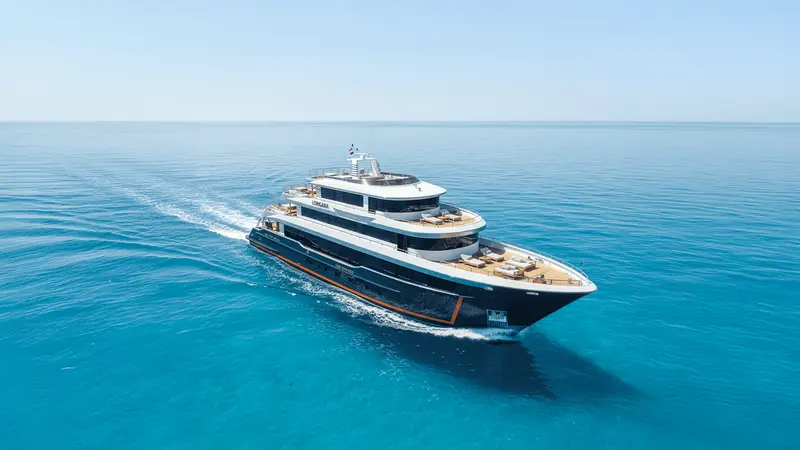
DUNE Longara
Egypt
30 guests
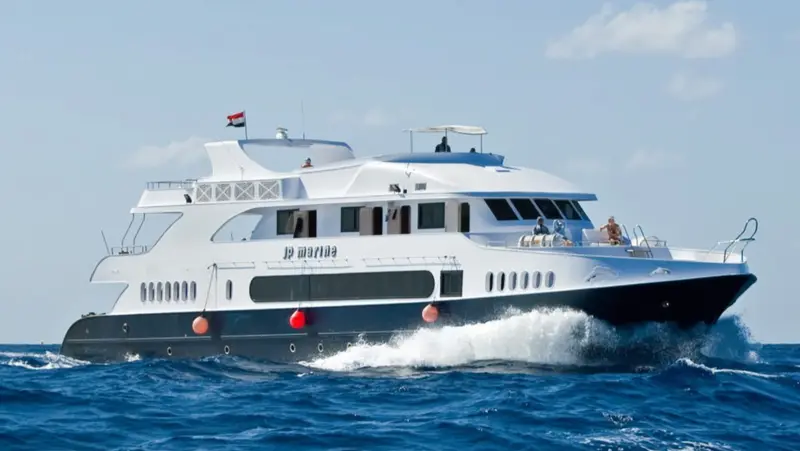
JP Marine
Egypt
28 guests
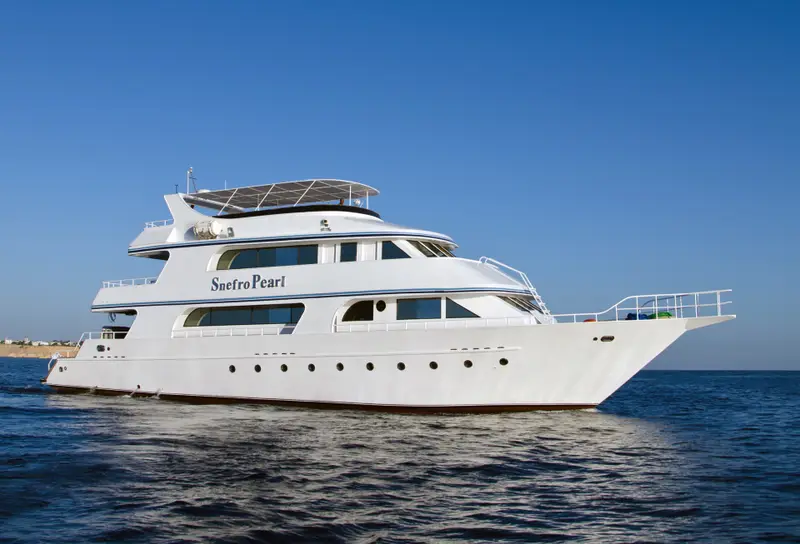
Snefro Pearl
Egypt
12 guests
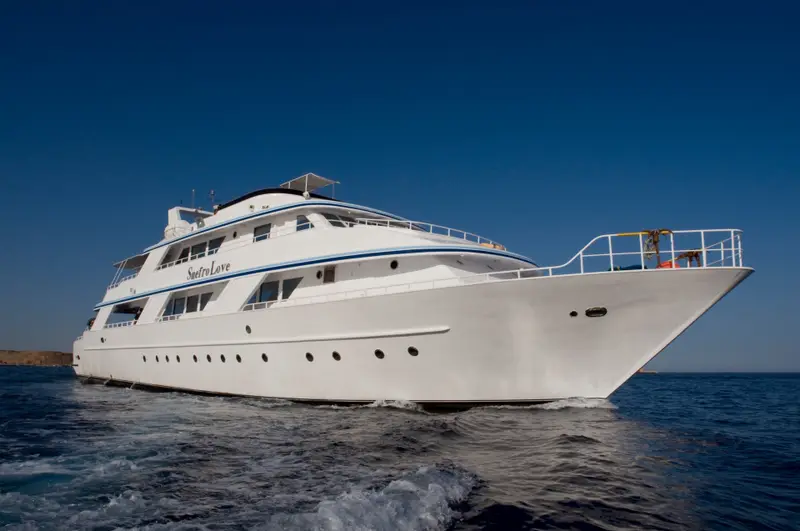
Snefro Love
Egypt
20 guests
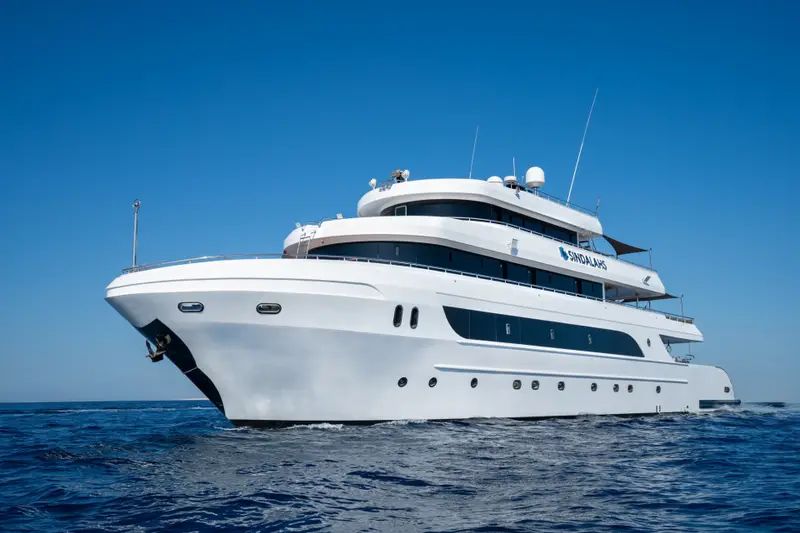
Sindalahs
Egypt
26 guests38 m
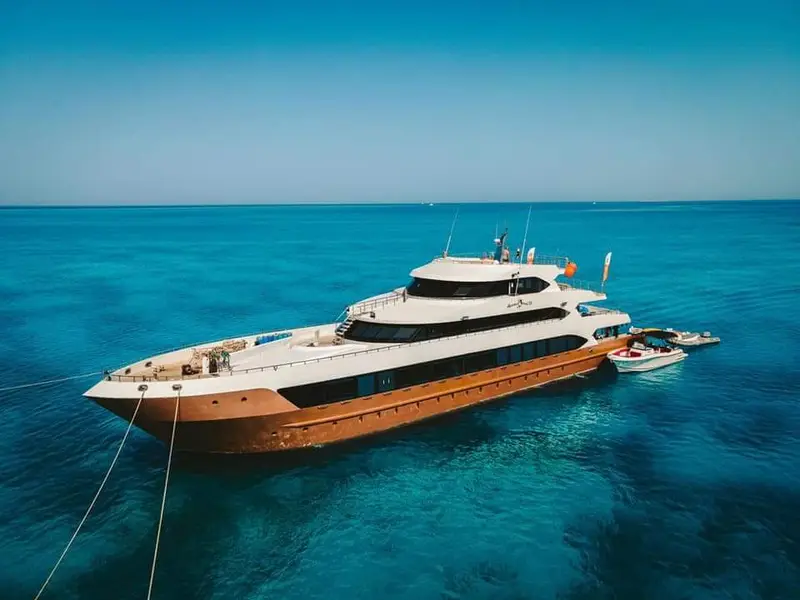
Hammerhead II
Egypt
20 guests
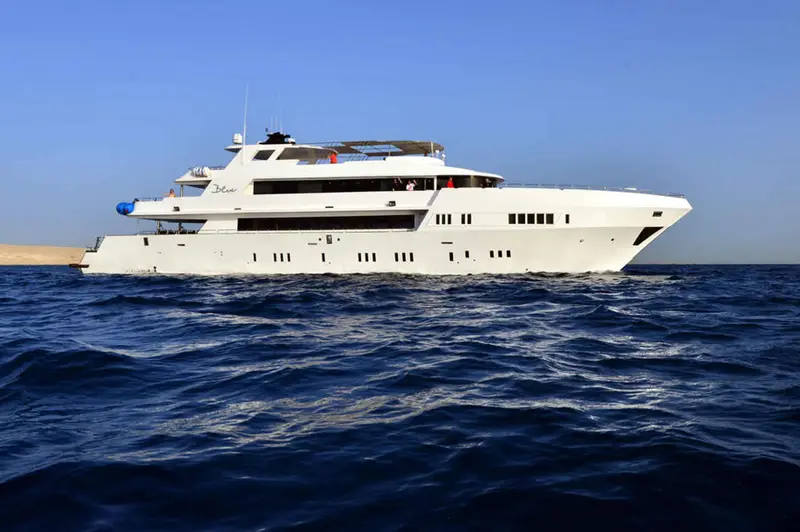
Blue Liveaboard
Egypt
24 guests43 m
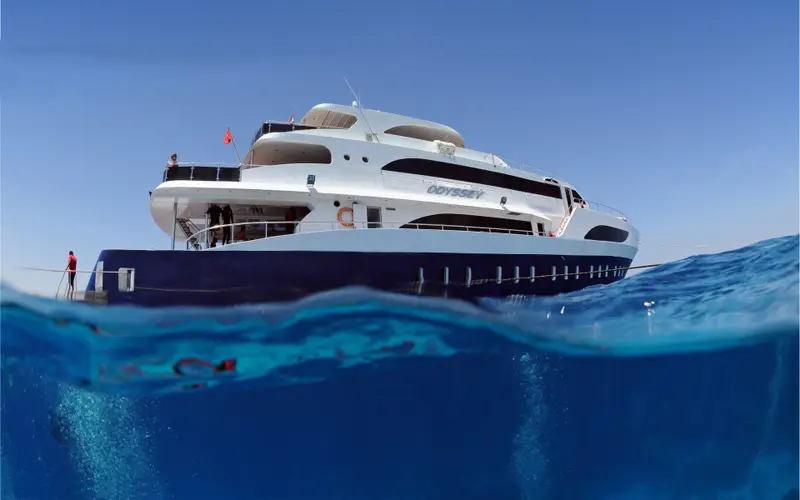
Odyssey
Egypt
26 guests40 m
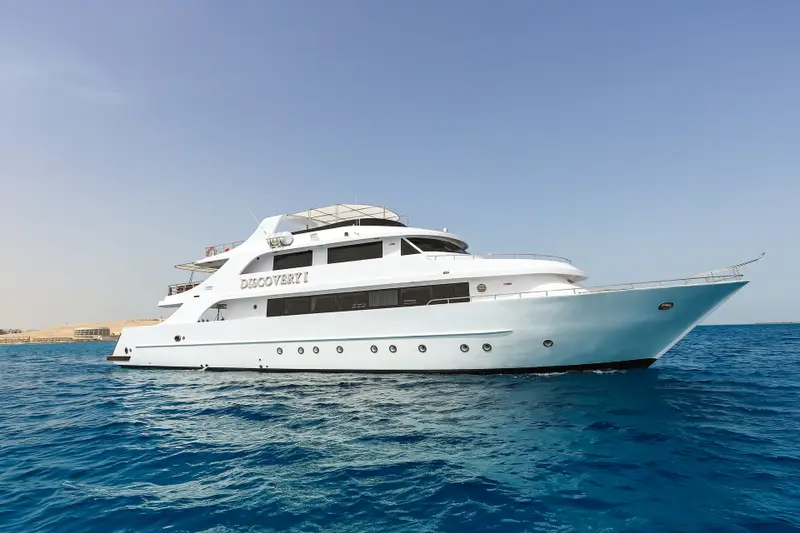
Discovery I
Egypt
20 guests
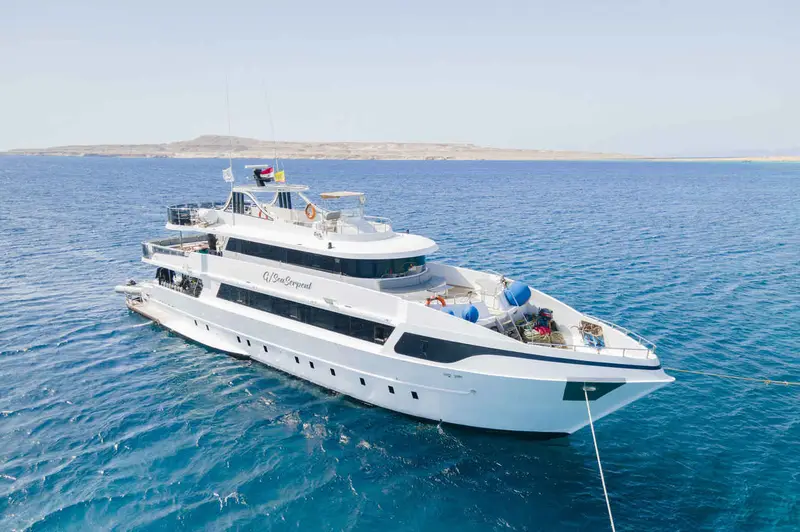
SS Serena Dreams
Egypt
18 guests33 m
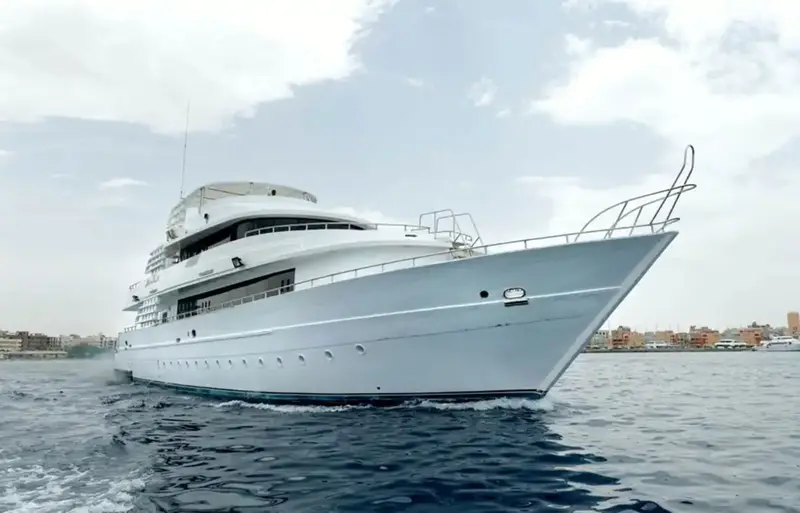
Blue Pearl
Egypt
20 guests36 m
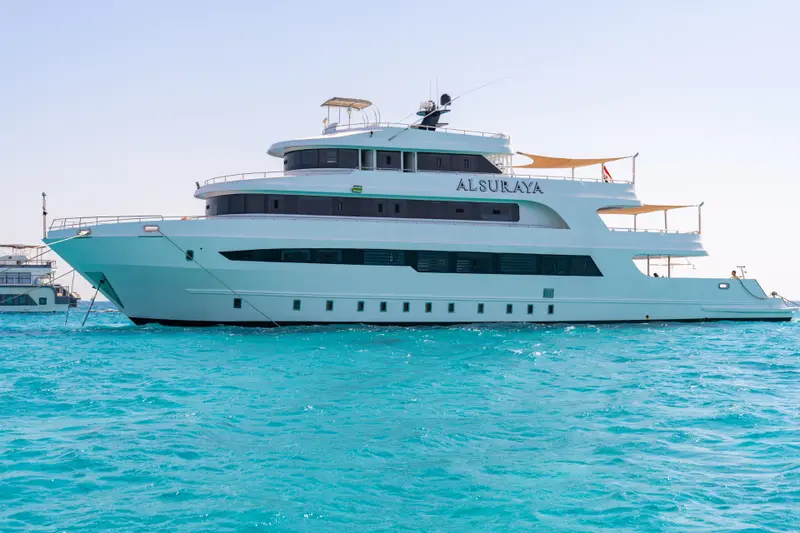
Alsuraya
Egypt
24 guests37 m
Dive sites similar to Mohamed Hasabella
Same character, same waters, six more sites divers love for the exact same reasons.Compare seasons, access and liveaboard routes, then pick the site that fits your trip best.
© EsriMaxar, Earthstar, GIS
Abu Dabbab
Egypt
Abu Dabbab stands out as one of the Red Sea's most celebrated dive destinations, particularly notable for being a rare location where divers can encounter the endangered dugong.
- Suitable for
- Beginner
- Current
- Strong
- Access
- Shore / dayboat
- Depth
- 3–20 m
- Theme
- Reef
© EsriMaxar, Earthstar, GIS
Abu Galawa
Saudi Arabia
Abu Galawa is a prominent dive site within Saudi Arabia's Red Sea, specifically located among the Seven Sisters reefs near Yanbu.
- Suitable for
- Intermediate
- Current
- Strong
- Access
- Liveaboard or dayboat
- Depth
- 5–40 m
- Theme
- Reef / Wall
© EsriMaxar, Earthstar, GIS
Abu Galawa Kebir
Egypt
Abu Galawa Kebir is a premier dive site located in the southern Red Sea, situated on the northwestern edge of the extensive Fury Shoal reef system.
- Suitable for
- Beginner
- Current
- Strong
- Access
- Liveaboard or dayboat
- Depth
- 3–18 m
- Theme
- Wreck
Abu Nuhas, often called the "ship's graveyard" of the Red Sea, is a triangular coral reef situated at the northern edge of the Strait of Gubal.
- Suitable for
- Beginner
- Current
- Strong
- Access
- Liveaboard or dayboat
- Depth
- 4–24 m
- Theme
- Wreck
The Aida is a prominent wreck dive site located in the Egyptian Red Sea, frequently visited on liveaboard itineraries that traverse the central region between the northern and southern dive sites.
- Suitable for
- Advanced
- Current
- Strong
- Access
- Liveaboard only
- Depth
- 25–65 m
- Theme
- Wreck / Drift
© EsriMaxar, Earthstar, GIS
Al Lith Mangrove Reef
Saudi Arabia
Al Lith Mangrove Reef, located approximately 210 km south of Jeddah, serves as the primary launch point for exploring the renowned Farasan Banks.
- Suitable for
- Beginner
- Current
- Strong
- Access
- Shore / dayboat
- Depth
- 3–15 m
- Theme
- Reef / Wall