Egypt Liveaboard Diving

Liveaboards in Egypt

from $90 / day

6 of 69 · Egypt liveaboard routes, seasons & prices

DUNE Longara

Explore Egypt's Red Sea aboard a 45-meter vessel with free Nitrox and Starlink internet.

  • Interior Eating Space
  • Deck-top Hot Tub
  • Air-Conditioned Common Rooms

4.8(563 reviews)

30 guestsfrom $150/day
JP Marine

Roomy 37-meter ship featuring advanced safety, marine navigation technology, and bespoke Red Sea diving mastery.

  • Internet Connectivity
  • Two Bars on Deck
  • Lounging and Social Spaces

4.8(105 reviews)

28 guestsfrom $109/day
Snefro Pearl

The Snefro Pearl navigates the Red Sea, delivering divers to Egypt's renowned underwater landscapes.

  • High-End Indoor Styling
  • Ample Room Throughout the Ship
  • Panoramic Dining Room

4.6(481 reviews)

12 guestsfrom $150/day
Snefro Love

Fully updated 121-foot ISO-standard yacht featuring free Nitrox, twin water makers, and professional Green Fins membership.

  • Three Semi-Shaded Sun Decks
  • Air-Conditioned Indoor Spaces
  • Upper Deck Quiet Lounge

4.8(393 reviews)

20 guestsfrom $154/day
Sindalahs

Explore the Red Sea's wonders in comfort and style aboard the Sindalahs.

  • En-Suite bathrooms
  • Aircon Cabins
  • Warm Water Showers

5.0(33 reviews)

26 guestsfrom $155/day
Hammerhead II

A contemporary 141-foot ship boasting twin-engine power and generous deck dimensions.

  • Warm Water Availability
  • Air-Conditioned Indoor Areas
  • Custom Interior Illumination

4.6(20 reviews)

20 guestsfrom $172/day

Diving in the Red Sea: wrecks, walls and oceanic whitetip sharks

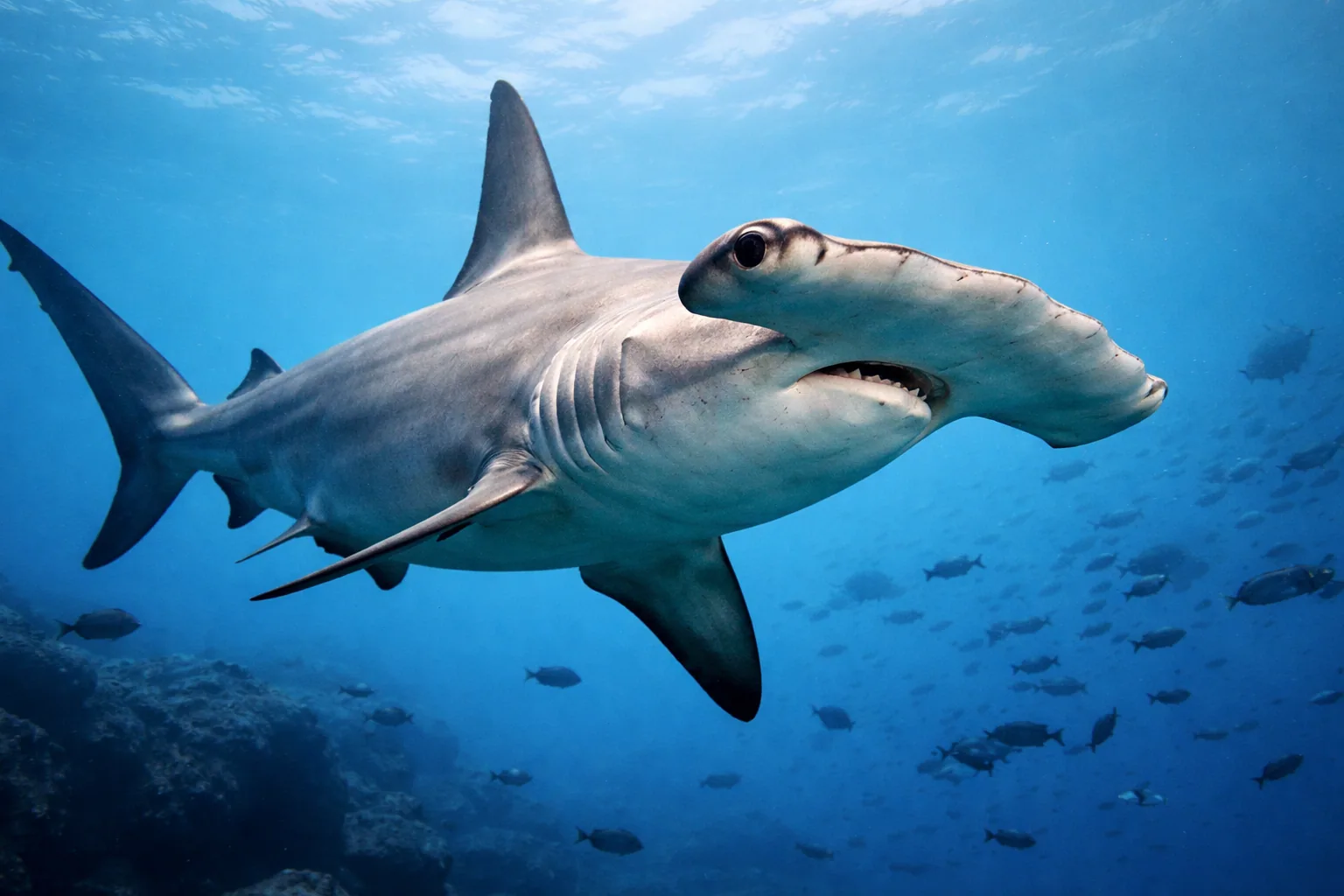
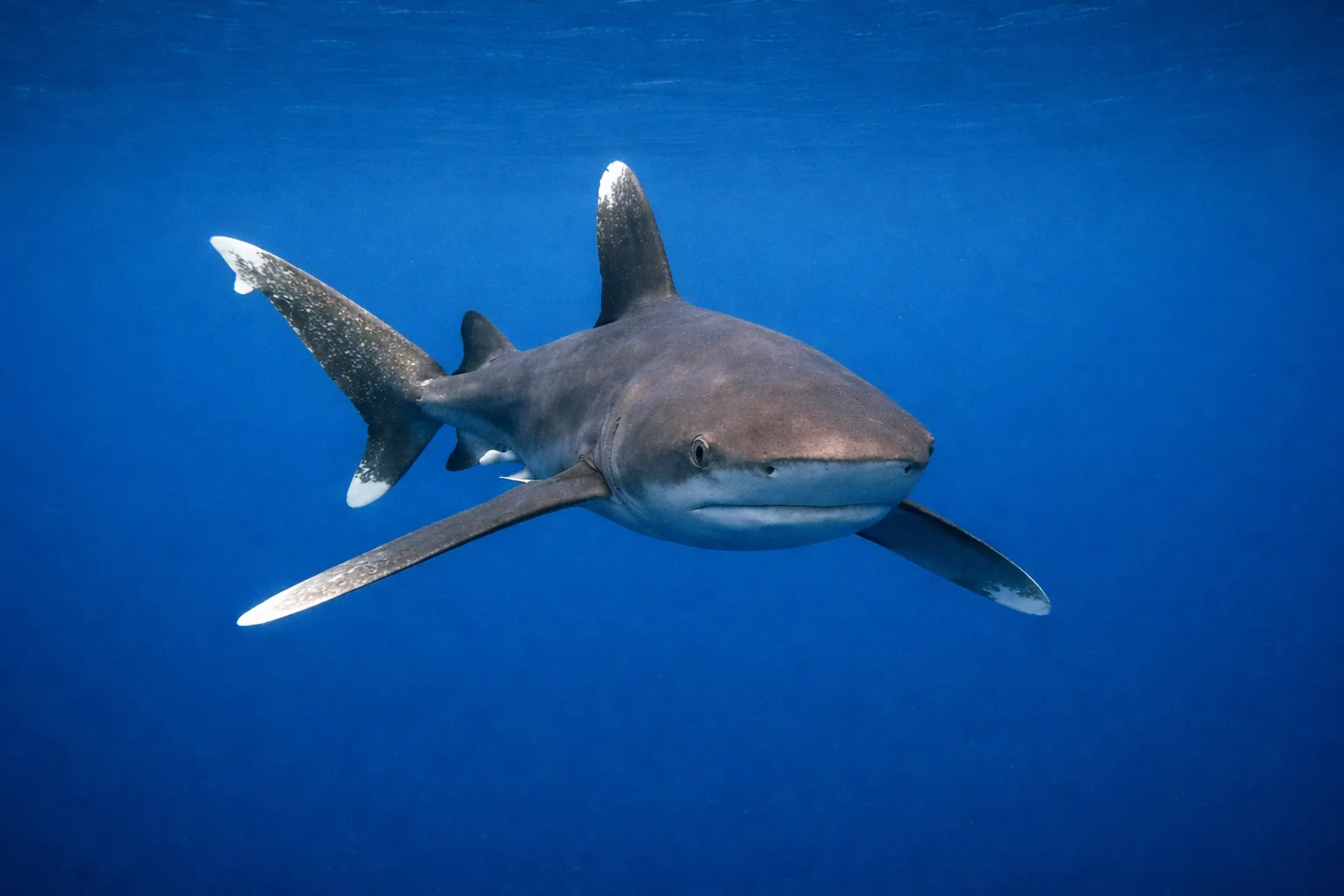
Egypt's Red Sea coast offers legendary wrecks like the SS Thistlegorm, remote Brothers Islands, and visibility exceeding 30 metres. Encounter oceanic whitetip sharks, schooling hammerheads, and explore pristine coral walls—all at a fraction of the cost of remote destinations.

Egypt's Red Sea is the original liveaboard destination — the place where modern dive cruising was invented and where, more than fifty years later, it still delivers some of the most consistent, accessible and varied diving on the planet. From the wreck-strewn waters of the northern Gulf of Suez to the remote pelagic playgrounds of the Deep South, a Red Sea liveaboard packs more variety into a single week than most destinations offer in a month: schooling hammerheads on remote atolls, a parade of WWII wrecks at Abu Nuhas, dolphin-rich reefs at Sha'ab Samadai, and house-reef-style fringing reefs that drop straight from the surface into 800-meter abysses. Visibility regularly exceeds 30 meters, water temperatures stay diveable year-round, and the infrastructure — purpose-built liveaboards, charter flights to Hurghada and Marsa Alam, and decades of safari experience — make Egypt one of the easiest, best-value liveaboard trips in the world.

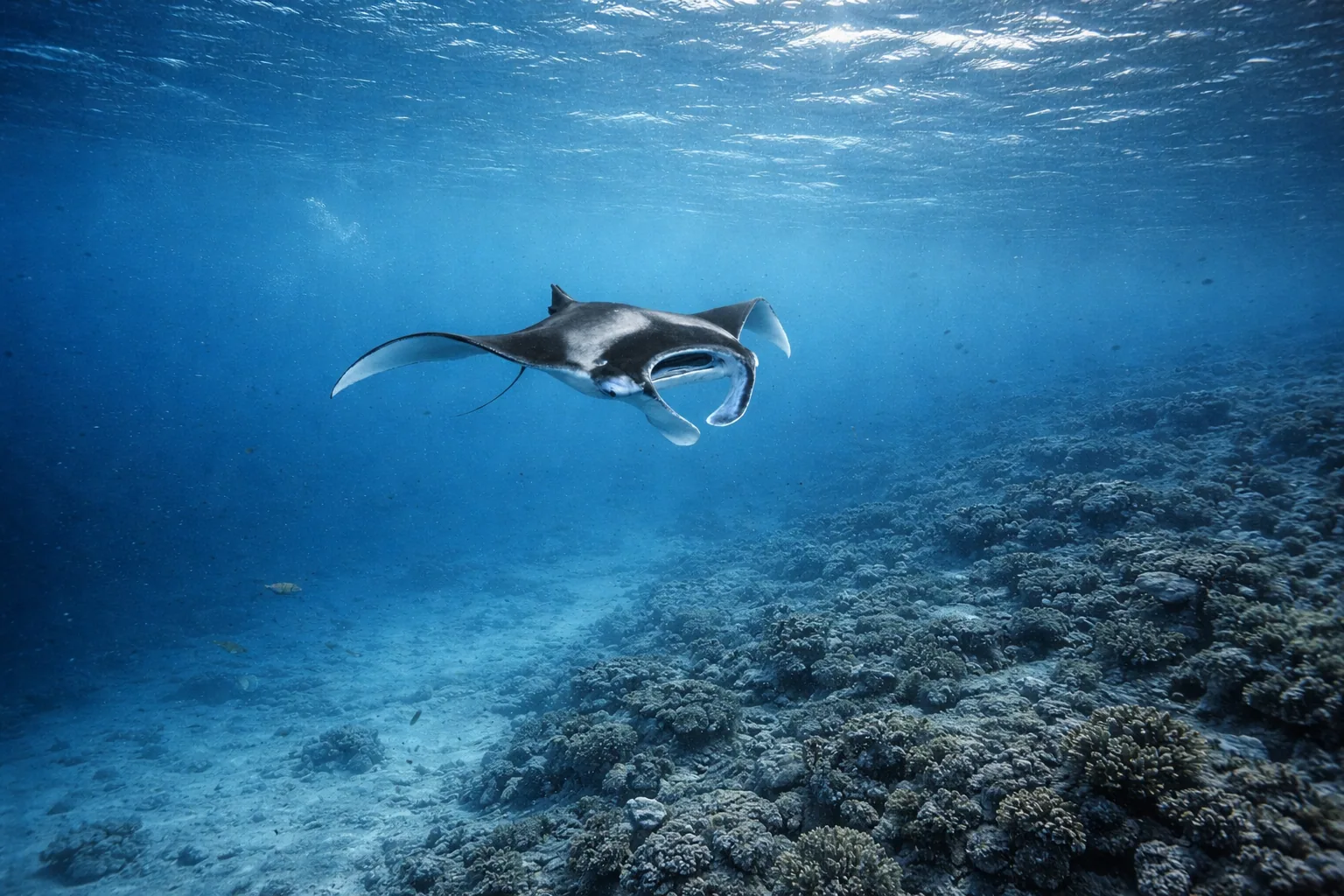
The Red Sea is a true year-round destination, but each season has a distinct character. March to May is widely considered the sweet spot: water temperatures climb from 22°C into the mid-20s, visibility is excellent, and the famous oceanic whitetip and thresher shark action at Elphinstone, Daedalus and Brothers begins to pick up. June to August brings the warmest water (28-30°C) and the most reliable hammerhead activity at Daedalus and the Brothers, but also the most heat topside — often above 40°C in port. September to November is many veterans' favorite window: water still warm (26-28°C), thermoclines gone, oceanic whitetips at their peak around Elphinstone and the Brothers, and slightly fewer boats than peak summer. December to February is cooler (water 22-24°C, air can drop to 15°C at night) but offers exceptional visibility, fewer crowds, lower prices, and the best chance of large pelagic encounters in the south, including the chance of seeing migrating mantas and the occasional whale shark.

Why dive a liveaboard in Egypt

From legendary wrecks and thriving reefs to close-up encounters with iconic marine life, this destination offers the experiences divers dream about. Warm, clear waters and well-organized liveaboard routes make it easy to explore the best sites. These are the highlights that keep divers coming back year after year.

Historic wrecks

Legendary shipwrecks from the SS Thistlegorm to the Salem Express

Red Sea reefs

Some of the world's most pristine coral ecosystems

Brothers Islands

Remote offshore diving with pelagic encounters

Year-round diving

Warm waters and excellent visibility all year

Who a liveaboard in the Red Sea suits — and who it doesn't

Egypt covers every level — but not on the same route. Picking the right itinerary decides whether the week feels relaxed or overwhelming.

Beginners

Open Water, from about 20 logged dives

Northern routes out of Hurghada or Sharm el Sheikh: sheltered moorings, wrecks in 15 to 30 metres, little current and short crossings.

Matching areas:Ras MohammedStrait of GubalSS Thistlegorm

Advanced divers

Advanced, from about 50 dives, Nitrox recommended

Offshore reefs with current, blue-water entries, depths around 30 metres and pelagic action in the early morning.

Matching areas:Brothers IslandsDaedalus ReefElphinstone

Deep and technical

Deep, Nitrox, partly Trimix

The Numidia at Big Brother drops far past 80 metres, the Rosalie Moller lies at 30 to 50 metres, the Salem Express at 10 to 30 metres — decompression dives with a dedicated guide.

Matching areas:Brothers IslandsRocky & ZabargadGubal

Photo and video

Camera table, charging stations, small groups

Southern routes with long reef plateaus, soft coral gardens and calm light conditions — more time per site and fewer boats at the same time.

Matching areas:St. John'sFury ShoalsMarsa Alam

Best time to dive in Egypt

Egypt is a year-round liveaboard destination, but conditions shift clearly through the seasons: spring and autumn bring the best mix of warm water, calm seas and 30 m+ visibility. Summer suits the offshore shark routes to the Brothers, Daedalus and Elphinstone, while winter is cooler, quieter and cheapest — bring a thicker wetsuit. Use the calendar below to match your Red Sea itinerary to the conditions you care about most.

👆 Click any month for detailed conditions
Excellent
Good
Off-Season

Mar – May & Sep – Nov (Peak)

Best conditions with 30m+ visibility, comfortable water temps 24–28°C. Hammerhead sharks at Brothers, thresher sharks at Elphinstone.

Jun – Aug & Dec – Feb (Shoulder)

Jun–Aug: hot topside but warm water, good for southern routes. Dec–Feb: cooler water (21–23°C) attracts oceanic whitetips at Elphinstone. Still excellent visibility.

Underwater visibility

37m
(121ft)
30m
(98ft)
23m
(75ft)
Jan
Feb
Mar
Apr
May
Jun
Jul
Aug
Sep
Oct
Nov
Dec

Air & water temperature

41°C 31°C 20°C
22°
22°
22°
24°
23°
27°
24°
31°
26°
35°
28°
38°
29°
39°
29°
38°
28°
35°
27°
31°
25°
27°
23°
23°
Jan
Feb
Mar
Apr
May
Jun
Jul
Aug
Sep
Oct
Nov
Dec
Water
Air (Day)

Recommended wetsuit

5mm
5mm
5mm
5mm
5mm
3mm
3mm
3mm
3mm
3mm
5mm
5mm
Jan
Feb
Mar
Apr
May
Jun
Jul
Aug
Sep
Oct
Nov
Dec
3mm (warm)
5mm (moderate)
Wetsuit Guide

What you'll see diving in the Red Sea

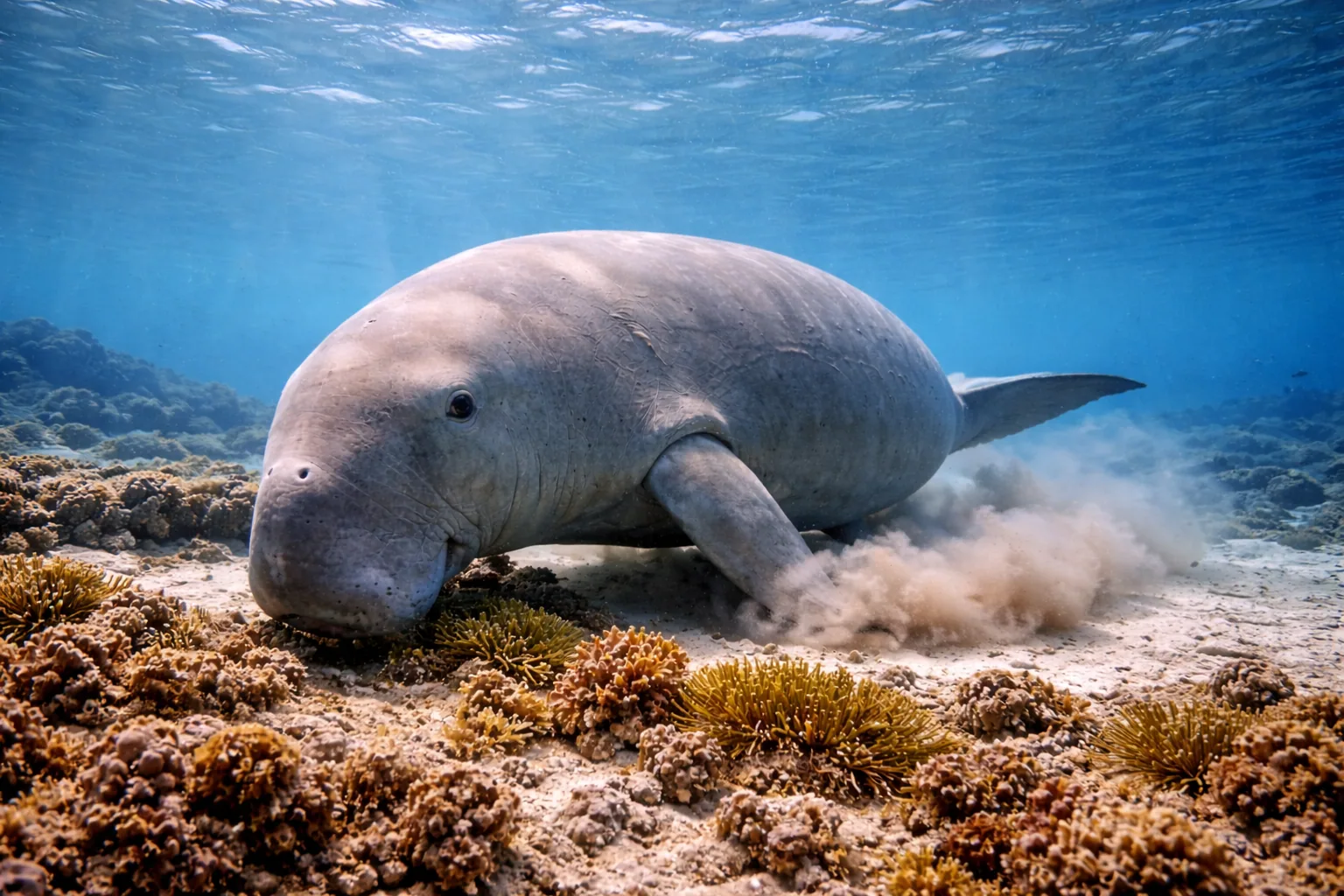
The Red Sea packs more than 1,200 fish species and around 200 corals into one relatively small sea, with a high share found nowhere else. On an Egypt liveaboard you can realistically expect oceanic whitetips, scalloped hammerheads, grey reef sharks, dolphins, napoleon wrasse and dense anthias-covered reefs. What you actually meet depends heavily on the route and the month you travel.

When to See What

Use this calendar as a guide: the highlighted months show when your chances are usually best. Wildlife follows its own rhythm, so sightings are never guaranteed — but we hope this makes planning a little easier. Marine life in Egypt follows a clear seasonal rhythm: hammerheads peak in the warm months at Daedalus and the Brothers, oceanic whitetips arrive around Elphinstone in autumn, and dolphins stay year-round in the Fury Shoals.

Species
Jan
Feb
Mar
Apr
May
Jun
Jul
Aug
Sep
Oct
Nov
Dec
Anthias
Anthias
Oceanic Whitetip Shark
Scalloped Hammerhead
Spinner Dolphin
Spinner Dolphin
Reef Manta Ray
Reef Manta Ray
Napoleon Wrasse
Napoleon Wrasse
Dugong
Dugong
Leatherjacket
Leatherjacket
Firefish
Firefish
Flabellina
Flabellina
Flashlight Fish
Flashlight Fish
Flathead
Flathead
Flying Fish
Flying Fish
Foster's Hawkfish
Foster's Hawkfish
Funeral Jorunna
Funeral Jorunna
Peak Season
Present
Rare/Absent

SS Thistlegorm and Brothers Islands: the best dive sites in Egypt

Egypt's signature dive sites read like a Red Sea greatest-hits list: the SS Thistlegorm wreck, the shark plateaus of Big Brother and Daedalus Reef, the wall at Elphinstone and the wreck graveyard of Abu Nuhas. Most are offshore and only reachable by liveaboard, which is exactly why boat-based diving dominates here. Explore the sites below to see which itinerary covers the ones on your list.

1

Numidia

WreckAdvanced
880m / 26262ftBest: May–September, November27.5020°, 34.7950°

The Numidia is a 137-meter British steamer, considered one of the world's finest shipwrecks, located off the northern tip of Big Brother Island, Egypt. It is part of the Brothers Islands marine park, situated roughly 60 kilometers offshore and accessible almost exclusively by liveaboard. The vessel, which ran aground in July 1901 during its second voyage, lies dramatically against a vertical coral wall, with its bow at approximately 8 meters and its stern resting on a narrow ledge at 80 meters, creating a gravity-defying spectacle. The wreck's topography makes for a unique dive experience, starting shallow and descending deep along its length. Divers can explore various sections, including the superstructure, davits, engine room, and holds. A prominent feature is the mizzen mast, which stands upright at a 90-degree angle to the hull, now adorned with extensive coral growth. The famous train wheels, part of its original cargo, are also a major highlight, encrusted with marine life. The Numidia is heavily covered in a vibrant mix of soft corals and sponges. This rich habitat attracts diverse marine life, including schools of fish, barracuda, tuna, snappers, and groupers. Pelagic species like oceanic whitetip sharks and hammerheads are frequently observed around the Brothers Islands, especially during certain seasons, patrolling the deeper sections and the blue water nearby. Due to its exposed location and the significant depth range, diving the Numidia requires an Advanced certification with solid buoyancy control and typically a minimum of 50 logged dives. The site is known for strong currents that usually flow from north to south, necessitating careful dive planning. Liveaboards are the only practical way to access this remote site, often incorporating multiple dives on the wreck during an itinerary.

137-meter British steamer wreckBow to stern vertical orientationCoral-encrusted train wheelsUpright mizzen mastExtensive soft coral growthPelagic shark encounters
2

The Lara

WreckAdvanced
4555m / 148180ftBest: June–September27.9396°, 34.3890°

The Lara is the remnant of a 137-meter cargo vessel that became stranded on the northern edge of Jackson Reef in 1982. Initially, the ship rested intact on the reef, but it was later salvaged in the mid-1990s, causing large sections to sink. Today, its ghostly remains lie against the reef, just west of the exposed parts, marking a site considered one of the Red Sea's most challenging and exclusive wreck dives. Diving the Lara typically begins by descending near the surface wreckage. Divers follow the reef contour to the left, reaching approximately 45 meters where the deeper sections of the wreck begin to emerge. The mast and what were likely workshop areas are visible at 48 meters. With bulkheads removed during salvage operations, some sections allow for penetration. The wreck lies on its starboard side, with the stern and a large, intact propeller found around 55 meters. Other parts of the superstructure are scattered at even greater depths. While specific marine life directly on the wreck isn't detailed, Jackson Reef itself, where the Lara rests, is known for its healthy hard and soft corals, including large gorgonian fans, sea whips, and vibrant red anemones. The nutrient-rich currents often attract pelagic species such as barracuda, oceanic whitetip, and grey reef sharks. During the summer months, from June to September, schooling scalloped hammerhead sharks are frequently observed in the northern area of Jackson Reef, and whale sharks have also been sighted. This dive is highly dependent on weather conditions due to its exposed location on Jackson Reef's northern side. It is considered an advanced, deep wreck dive, often requiring extended range or technical diving certifications. Many divers find completing this challenging dive to be a significant accomplishment, experiencing a site few others have witnessed.

137-meter cargo ship remainsLarge intact propeller at 55mDeep wreck penetration opportunitiesExposed northern Jackson Reef locationFrequent pelagic shark sightingsScalloped hammerhead shark schools
3

Gordon Reef

ReefIntermediate
2300m / 7984ftBest: January27.9255°, 34.5280°

Gordon Reef is the southernmost of the four prominent coral formations situated in the narrow Straits of Tiran, which separate the Gulf of Aqaba from the main Red Sea. This strategic location ensures strong currents constantly sweep through the area, bringing nutrient-rich waters that sustain vibrant coral ecosystems and attract abundant marine life, making it a premier diving destination in the northern Red Sea. The reef is easily identifiable by the prominent wreck of the Panamanian cargo ship MV Louilla, which ran aground in 1981 and marks its northern edge. An unmanned lighthouse on the southwest and a ruin to the north also serve as landmarks. Diving at Gordon Reef typically focuses on its southern section, where the reef shelf drops from sandy moorings at 2-10 meters to a vertical wall plunging to 25-30 meters before descending further to 50 meters and eventually to 300 meters on the western side. A notable feature is the "Amphitheatre," a sandy depression at approximately 23 meters depth (75 feet) where divers often encounter sharks resting. Further west, a drift along the Drop-off at a maximum depth of 35 meters (115 feet) reveals a sheer vertical wall adorned with purple sea fans, fire corals, and black corals, attracting pelagic species. Northward, large metal drums form an artificial reef known as "Barrels" between 10 and 20 meters, housing various eels and numerous reef fish. While species like scalloped hammerhead sharks and whitetip reef sharks are known to visit the Amphitheatre, the site is rich in diverse reef inhabitants year-round. Expect to see large schools of bannerfish, triggerfish, surgeonfish, and crown butterflyfish, alongside well-camouflaged scorpionfish and resident Red Sea clownfish. Giant moray eels, snowflake eels, gold-edged eels, humphead wrasse, angelfish, parrotfish, and sabre squirrelfish are also common. Green sea turtles are often seen feeding on seagrass and algae on the northern sandy plateau. Dives at Gordon Reef are typically conducted by boat, often as drift dives due to the prevailing currents. A permanent mooring near a southern light beacon offers a sheltered entry point for liveaboards. The Red Sea overall offers excellent visibility, often exceeding 20 meters (65 feet), and diving is possible year-round, with liveaboards frequently incorporating Gordon Reef into northern Red Sea itineraries.

MV Louilla shipwreckThe Amphitheatre sandy depressionScalloped hammerhead sharksWhitetip reef sharksPurple sea fan wallBarrels artificial reefGreen sea turtle encountersVibrant coral gardens
4

Far Garden

ReefBeginner
145m / 3148ftBest: Far Garden is suitable for diving year…27.8888°, 34.3617°

Far Garden is a prominent dive site located in Sharm El Sheikh, serving as the northern headland of the adjacent Middle Garden site. It is often referred to as an "underwater hanging garden" due to its abundant coral formations and unique topography. The site is characterized by a series of large coral pinnacles situated between a reef ledge and a gradually steepening drop-off, particularly towards the east. Divers typically begin their descent in a shallow area near coral crowns, which then transitions into a narrow plateau. The dive unfolds along this sloping wall, with opportunities to explore a deeper "cathedral end" featuring a crack. This section, along with any swim-throughs, should be treated as an overhead environment. Throughout the site, various hard and soft corals thrive, including delicate gorgonian fans. Marine life sightings are diverse, with notable pelagic encounters. Manta rays are frequently spotted, and eagle rays, barracuda, snappers, porcupinefish, and moray eels are common. While generally not a high-traffic site, it offers exceptional aquatic variety. The site can be enjoyed as a mooring, semi-drift, or full drift dive, catering to different preferences and current conditions. The typical dive experience involves a boat-oriented entry, progressing from the shallower plateau towards the deeper wall and cathedral crack. Snorkeling is feasible in the calmer, shallower sections, but the full drift dive across the pinnacles to the wall offers the best experience for scuba divers. The site is considered suitable for all levels, though awareness of potential currents is advised.

Large coral pinnaclesGorgonian fan coralsFrequent Manta Ray sightingsCathedral-like crack formationDiverse reef fish speciesSteep wall topographyEast-running drift dive

Bucket-list dives worth booking early

Some Red Sea experiences only happen in Egypt: penetrating the cargo holds of the SS Thistlegorm, hanging in the blue with oceanic whitetips at Elphinstone, or watching hammerhead schools pass Daedalus. These are the encounters divers plan whole trips around, and each one is tied to a specific season and route.

Underwater view of the dive site SS Thistlegorm Wreck in Egypt
1
Year-round

Strait of Gubal

Explore the world's most famous wreck dive – a WWII British cargo ship loaded with military vehicles, motorcycles, and supplies, resting at 30 meters in the Red Sea.

Read more
Underwater view of the dive site Elphinstone Reef Encounters in Egypt
2
September – November

Marsa Alam

Dive the legendary Elphinstone Reef where oceanic whitetip sharks patrol the deep blue walls, and hammerheads occasionally make breathtaking appearances.

Read more
Underwater view of the dive site Dolphin House Reef in Egypt
3
Year-round

Marsa Alam

Snorkel with pods of spinner dolphins at Sha'ab Samadai, a protected reef where dolphins rest and play in the shallow lagoon – a magical interaction.

Read more
Underwater view of the dive site Brothers Islands Expedition in Egypt
4
May – November

Brothers Islands

Embark on a pelagic adventure to the remote Brothers Islands, where thresher sharks, hammerheads, and manta rays gather around towering reef pillars.

Read more

Above water: climate, shore trips and extra costs

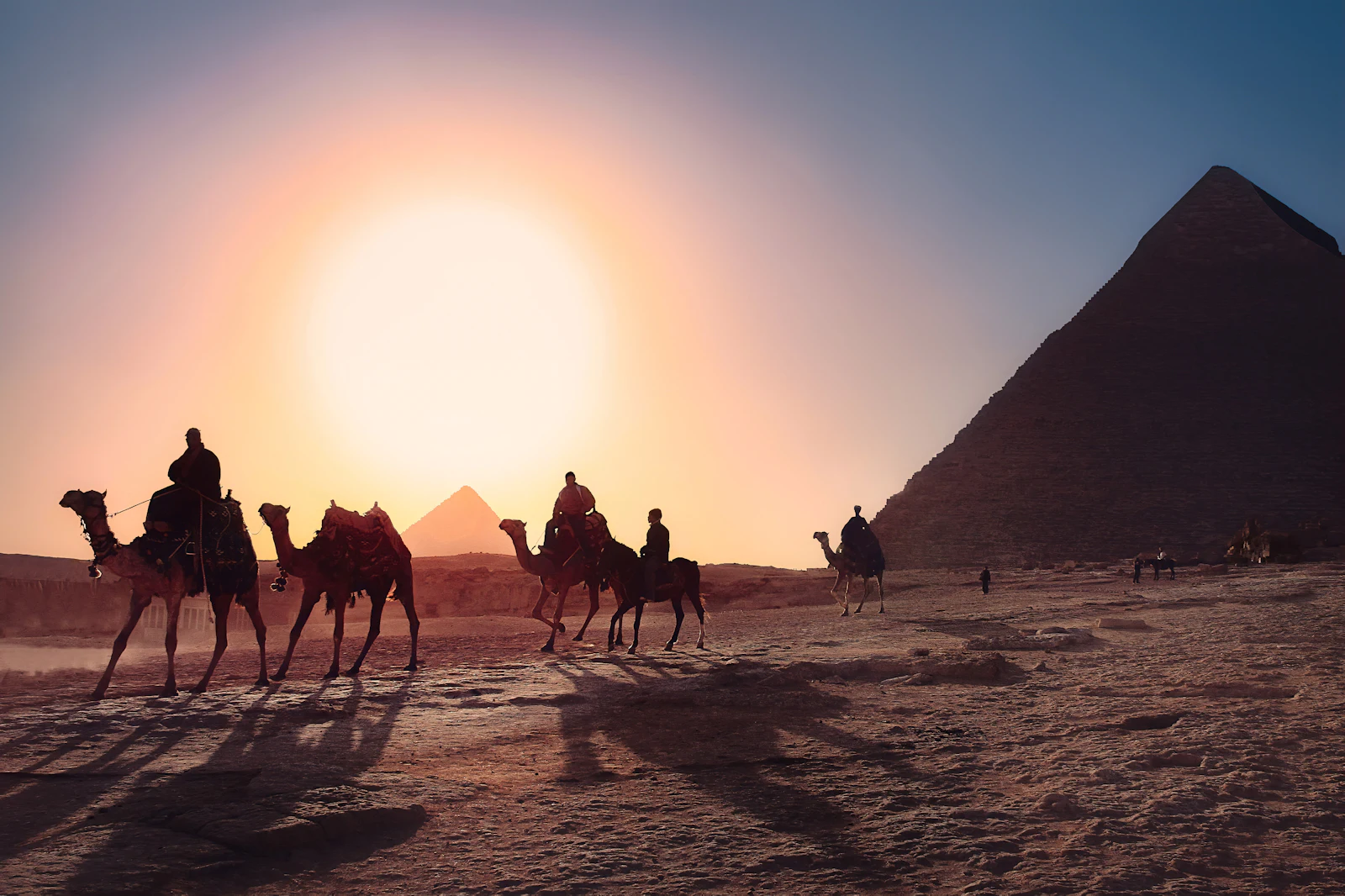
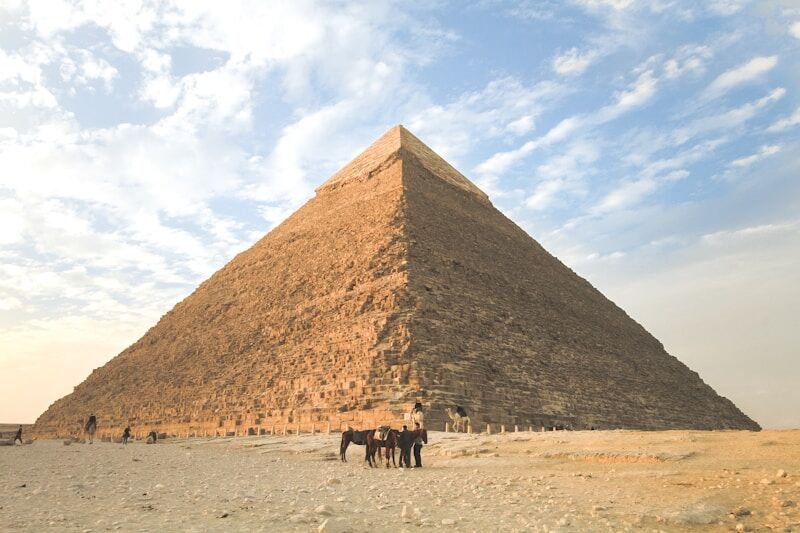
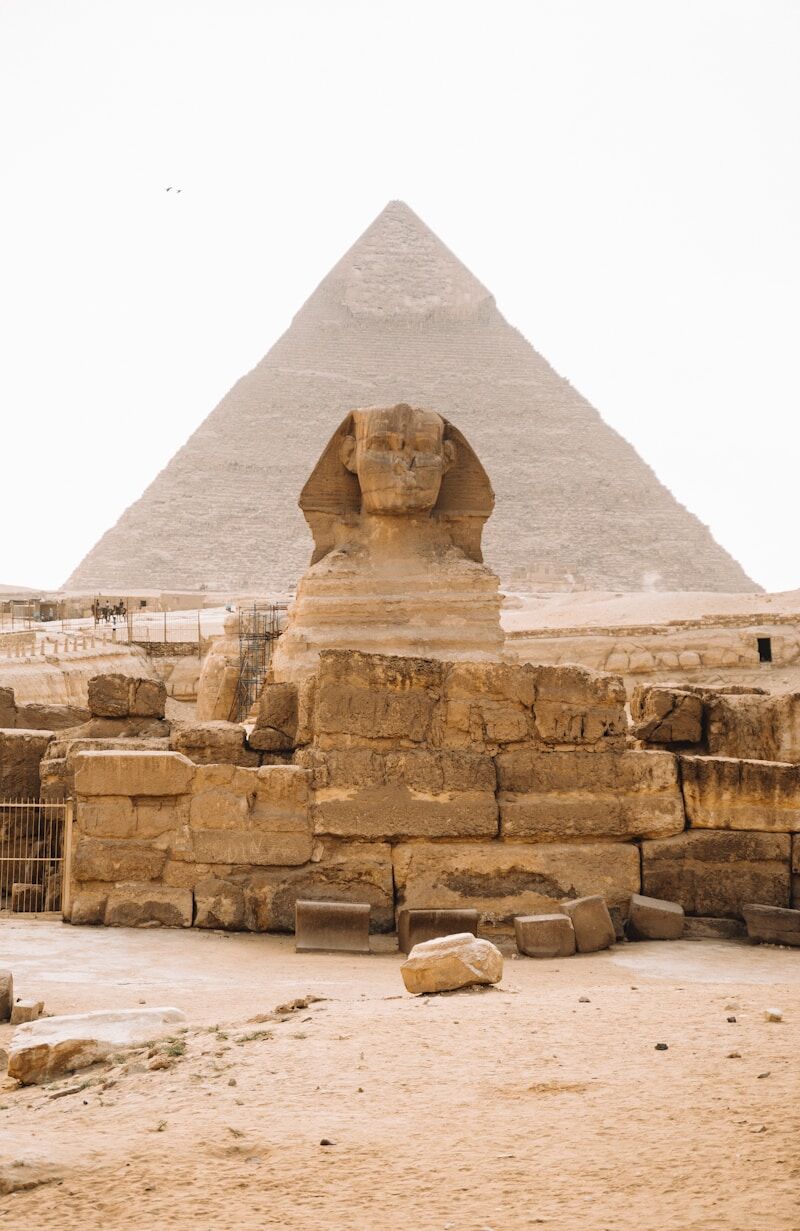
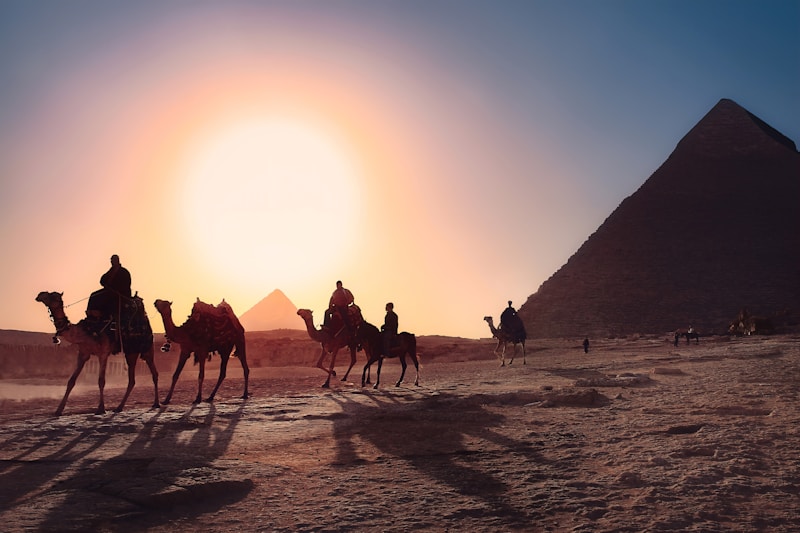
An Egypt liveaboard pairs naturally with the country's land side: the pyramids and the Sphinx in Giza, the temples of Luxor, desert safaris out of Hurghada and Marsa Alam, or the Old Town markets before your boat departs. A day or two either side of the trip turns a diving week into a full Egypt holiday.

Pyramids of Giza

Pyramids of Giza

Marvel at the last remaining Wonder of the Ancient World. The Great Pyramid of Khufu, standing at 146 metres, has captivated visitors for over 4,500 years. Explore the Sphinx, Pyramid of Khafre, and immerse yourself in ancient Egyptian history.

Luxor Temple Complex

Luxor Temple Complex

Walk through the Valley of the Kings where pharaohs were entombed, visit Karnak Temple with its forest of giant columns, and explore Luxor Temple illuminated at night. This open-air museum is essential for understanding ancient Egypt.

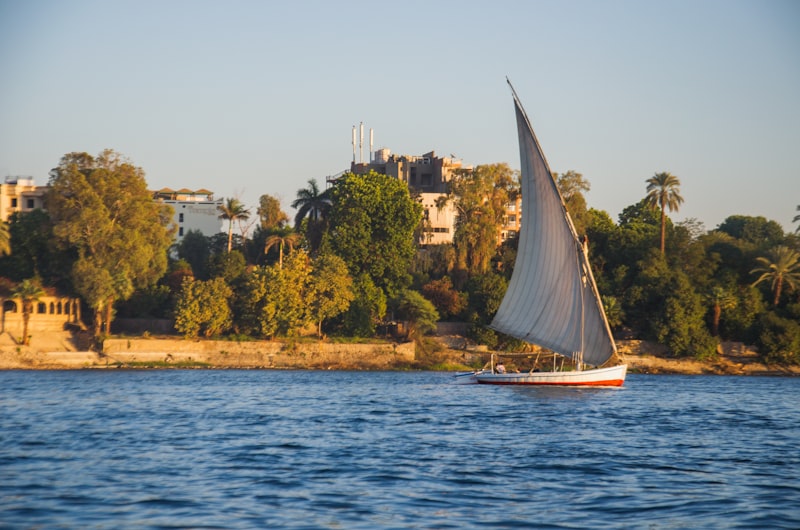
Nile River Cruise

Nile River Cruise

Sail the legendary Nile River between Luxor and Aswan aboard a traditional felucca or luxury cruise ship. Watch rural Egypt drift by, visit riverside temples, and experience the timeless rhythm of life along the world's longest river.

Abu Simbel Temples

Abu Simbel Temples

Witness the colossal rock-cut temples of Ramesses II at Abu Simbel, relocated piece by piece to save them from the Aswan Dam flooding. The four 20-metre seated statues are an unforgettable sight, especially during the biannual sun alignment.

What a liveaboard in Egypt costs

The calendar below shows how liveaboard prices shift month by month, so you can see exactly when your money goes furthest. We want every diver to get the best possible value, which is why we highlight the seasons that balance great conditions with the fairest rates.

Egypt is one of the best-value liveaboard destinations in the world: a week on a Red Sea boat typically costs a fraction of comparable trips in the Pacific, with short, cheap flights from Europe on top. Prices swing with the season — peak shark months and holidays cost the most, winter weeks the least. The calendar below shows how liveaboard demand and pricing move through the year.

$90–$181

per day liveaboard

$70–$150

per 2-tank dive trip

$25–$200

hotel per night

Prices reflect typical costs for mid-range to premium options. Budget alternatives may be available.

Getting to Hurghada and Marsa Alam: flights and transfers

Getting to your Egypt liveaboard is straightforward: direct flights from most European cities land in Hurghada (HRG) or Marsa Alam (RMF), the two main departure hubs, with Port Ghalib a short transfer away. Most nationalities can get an e-visa or visa on arrival, and transfers from the airport to the marina usually take under an hour. Check the entry requirements and airport details below before booking.

Insider tips

🚢

Book liveaboards from Hurghada or Port Ghalib for better southern route access.

📅

Off-peak seasons (June-August) offer significant discounts despite warmer conditions.

🤿

Local Egyptian dive operators are 30-50% cheaper than international brands.

🚢

Consider shared cabins on liveaboards to cut costs by up to 40%.

✈️

Combine diving with a Cairo/Luxor trip for better flight deals.

Getting there

Hurghada International

HurghadaHRG

Main gateway for Red Sea liveaboards departing from Hurghada. Direct flights from major European cities.

Marsa Alam International

Marsa AlamRMF

Gateway for southern Red Sea itineraries and liveaboards to the Deep South routes.

Cairo International

CairoCAI

Egypt's main international hub with connections worldwide. Domestic flights to Hurghada and Marsa Alam available.

Entry requirements

Visa on arrival available for most nationalities (30 USD). Passport must be valid for 6 months. E-visa also available online.

This information is provided without guarantee. Please visit the official website for the latest entry requirements.

Official Immigration Information →

Frequently asked questions about Egypt liveaboards

How much does an Egypt liveaboard cost in 2026?
While the base price for a 2026 trip varies by boat and itinerary, you should also budget for on-board costs. Expect to pay port fees of around $35-95 per trip and a crew tip, which is typically €80-150 per guest for the week. Extras like Nitrox or bar tabs are usually paid in cash (Euros or USD) at the end of your safari.
When is the best time of year for a Red Sea liveaboard?
Egypt is a fantastic year-round destination, but the best time depends on what you want. March to May is a popular sweet spot with great visibility and the start of shark season, while June to August has the warmest water and peak hammerhead encounters. For many veterans, September to November is ideal with warm water, peak oceanic whitetip action, and fewer crowds than summer.
Do I need an advanced certification for Egypt liveaboards?
An Advanced Open Water certification is highly recommended to fully enjoy Egypt's world-class diving. Many famous southern itineraries include deep walls and strong currents where dives can go past 30 meters. Being certified for these conditions ensures you won't miss out on the most thrilling pelagic encounters.
Which port do Egypt liveaboards depart from?
The vast majority of Red Sea liveaboards depart from the two main hubs: Hurghada in the north and Marsa Alam (often from Port Ghalib) further south. Both cities have their own international airports, making them very convenient to fly into. Your specific departure port depends on the itinerary you choose.
What marine life can I see on a Red Sea liveaboard?
The Red Sea offers incredible variety, from exploring famous WWII wrecks at Abu Nuhas to swimming with dolphins at Sha'ab Samadai. The main draw for many divers is the chance for big pelagic encounters. You can see schooling hammerheads, oceanic whitetip sharks, and thresher sharks at remote offshore reefs like Daedalus, the Brothers, and Elphinstone.
What are the safety and health tips for a diving trip in Egypt?
Egypt has a well-established liveaboard industry with excellent safety standards and hyperbaric chambers in Hurghada and Marsa Alam. On board, always drink the bottled or filtered water provided by the crew, as tap water is not potable. When in port, it's appreciated to dress modestly with shoulders and knees covered.
What should I pack for an Egypt liveaboard besides my dive gear?
Definitely pack cash in small bills (Euros or USD) for onboard expenses like tips and bar tabs, as cards are often not accepted for these. Bring layers of clothing, as it can be hot during the day but cool and windy on deck at night. A universal travel adapter for European two-pin outlets is also essential for charging your electronics.

Egypt compared with other liveaboard destinations

Honest, in-depth comparisons to help you decide between destinations, certifications, equipment and dive styles.

Maldives vs Red Sea: Which Liveaboard Destination Is Right for You?

Choosing between a Maldives liveaboard and a Red Sea safari is one of the most common dilemmas for divers planning their next big trip. Both destinations sit at the very top of the global liveaboard rankings — yet they offer radically different underwater experiences, travel logistics, costs and onboard cultures. The Maldives delivers warm, gin-clear water across more than 1,000 islands and 26 atolls, with manta rays, whale sharks and reef sharks gracing nearly every channel dive. The Red Sea, by contrast, packs world-class wrecks, vertical reef walls and pelagic shark action into a single sea, all reachable from Hurghada or Marsa Alam in a few hours' flight from Europe. For European divers, the Red Sea wins on convenience and price: short flights, no jet lag, week-long itineraries from around €1,200 and the chance to combine the SS Thistlegorm wreck with reef diving on the same trip. The Maldives wins on wildlife: drift dives through atoll channels routinely produce grey reef shark schools, eagle ray squadrons and night feedings of nurse sharks, while the southern atolls (Huvadhoo, Addu, Fuvahmulah) are now established hotspots for tiger sharks and oceanic mantas. The Red Sea also has stronger photo-friendly visibility in the north (often 30 m+), while the Maldives can drop to 15-20 m during plankton-rich manta season — which is precisely why the mantas turn up. This guide breaks down every meaningful difference: marine life by season, average liveaboard prices, certification requirements, the best itineraries on each side, and which type of diver should pick which destination. By the end you'll know whether your next week is better spent crossing Maldivian channels or descending to a Red Sea wreck deck.

Read comparison

Liveaboard vs Land-Based Diving: Which Trip Is Right for You?

Choosing between a liveaboard and a land-based dive trip is the most fundamental decision divers face when planning a serious diving holiday. The right answer depends on your priorities: maximum dive count and access to remote sites favor liveaboards; beach time, family flexibility and lower cost favor land-based resorts. Both formats have evolved significantly in the last decade, and the line between them has blurred — luxury dive resorts now offer multi-day expedition trips, while many liveaboards include topside excursions and even spa days. This guide compares the two formats across every meaningful dimension: cost per day, dives per day, marine life access, comfort, social dynamics, family-friendliness, and travel logistics. We'll also cover the hybrid models (resort + day-charter, or 'safari boat' itineraries) that try to capture the best of both worlds. If you're certified, in love with diving and want to maximize bottom time, a liveaboard is almost always the better choice — you can clock 25+ dives in a week and reach sites no day boat can. If you're traveling with non-divers, prefer land-based comfort, or want flexibility to take days off, a resort wins. We'll get into all the nuances below.

Read comparison

Turkey vs. Egypt Liveaboard: Aegean Charms or Red Sea Wonders?

Deciding between a liveaboard adventure in Turkey or Egypt presents a thrilling dilemma for any diver. Both destinations offer unique underwater landscapes, rich histories, and distinct diving experiences, yet they cater to different preferences and skill levels. Turkey, with its Aegean and Mediterranean coasts, promises a blend of ancient history, archaeological sites, and a more temperate marine environment, often characterized by caverns, walls, and a variety of smaller, endemic species. Egypt, on the other hand, is synonymous with the vibrant, coral-rich ecosystems of the Red Sea. Its legendary wrecks, abundant pelagic life, and consistently warm, clear waters have cemented its reputation as a world-class diving hotspot. This comparison aims to dissect the key differences, from marine biodiversity and wreck diving opportunities to logistical considerations and ideal diving seasons, helping you pinpoint which liveaboard journey aligns best with your diving aspirations and travel style.

Read comparison
Plan your trip

Ready to dive?

Explore our expedition vessels and find your perfect trip to Egypt