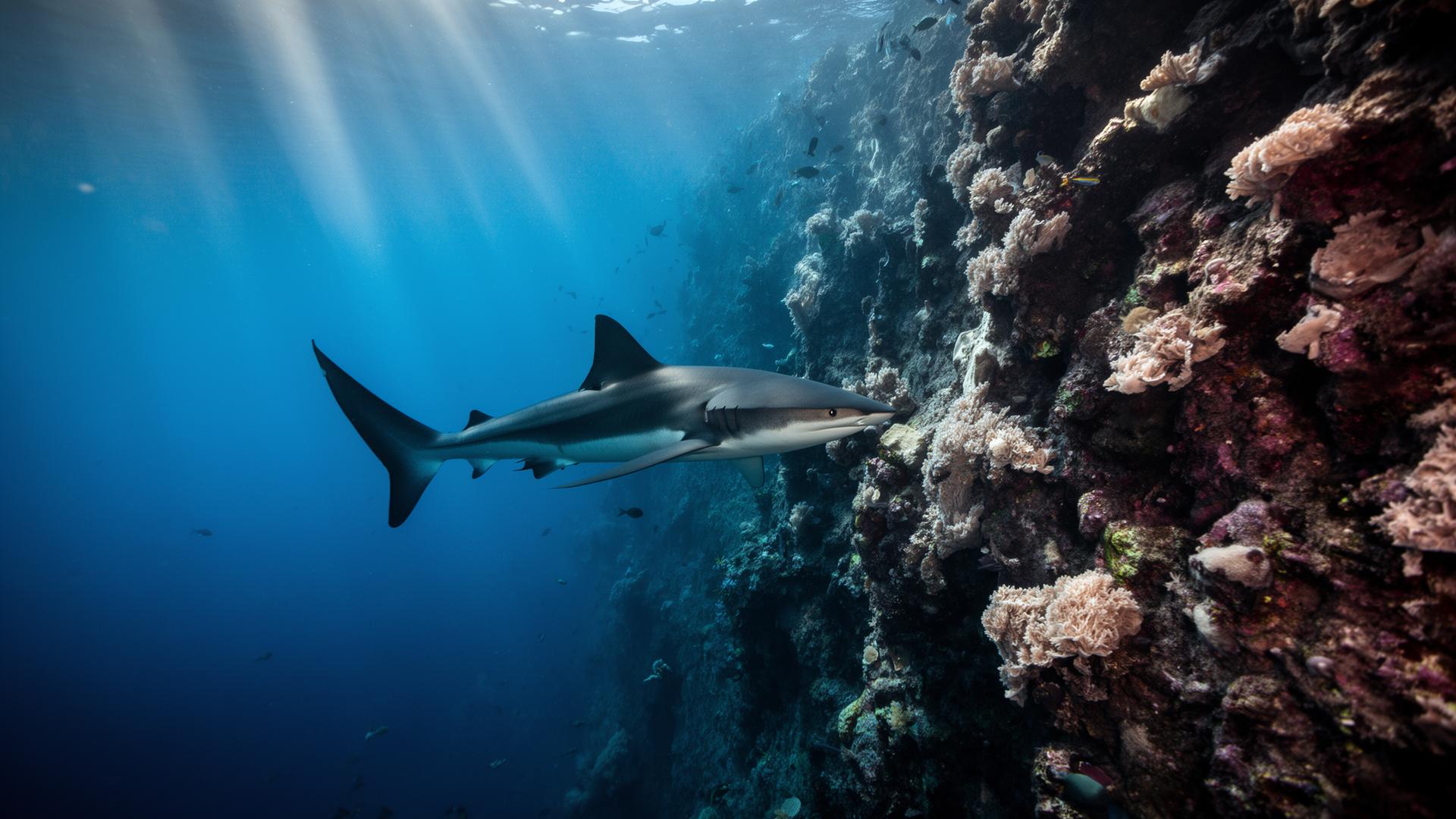
Imagine a place where the deep blue beckons, promising encounters that will redefine your understanding of the ocean's raw power and pristine beauty. A location etched into the global dive consciousness, whispered about in hushed tones among those who truly seek the pinnacle of underwater adventure. You're not just going for a dive; you're embarking on an encounter, a profound connection with one of the Red Sea's most legendary marine ecosystems. This isn't merely another tick on your dive log; this is Elphinstone Reef Encounters, a true testament to the Red Sea’s unparalleled allure.
Why Elphinstone Reef Encounters Belongs on Your Bucket List
Elphinstone Reef isn't just a dive site; it's a global phenomenon, a geological marvel rising from the abyssal depths of the Red Sea, its sheer walls plummeting hundreds of metres into the unknown. What makes this particular encounter so globally unique is its almost guaranteed promise of oceanic whitetip shark encounters, often in close proximity. These magnificent pelagic hunters, with their distinctive rounded fins and bold demeanour, are a formidable sight, and observing them in their natural hunting grounds is an experience that stays with you long after you've surfaced. This isn't a curated show; it's a raw, untamed glimpse into the marine food chain, an opportunity to witness apex predators thriving in a healthy ecosystem.
But Elphinstone offers more than just whitetips. During certain times of the year, particularly the autumn months, the elusive scalloped hammerhead shark graced the northern and southern plateaus. While less predictable than their oceanic cousins, a hammerhead sighting transforms a truly great dive into an utterly unforgettable one. The reef itself is an explosion of vibrant soft and hard corals, creating a breathtaking backdrop for the pelagic action. Its isolated location means pristine conditions and a sense of genuine wilderness, far removed from the more accessible, diver-dense sites closer to shore. If you crave adrenaline, unparalleled marine encounters, and the profound satisfaction of witnessing nature at its most powerful, Elphinstone is calling.
This experience is tailor-made for the seasoned diver, the adventurer who seeks more than just pretty fish. It suits those with a healthy respect for strong currents and deep blue environments, individuals who understand that patience and good dive etiquette are key to ethical and rewarding wildlife encounters. It’s for the diver who appreciates the rich biodiversity of the Red Sea, from its kaleidoscopic reef residents to its breathtaking pelagic giants, and wants to immerse themselves fully in a truly world-class environment.
What You'll See and Do
Diving Elphinstone means descending onto a submerged plateau, often with strong currents dictating your drift, allowing you to gracefully glide along its dramatic walls. The primary draw, of course, is the oceanic whitetip shark. You’ll typically encounter these majestic creatures patrolling the reef's outer edges, often displaying inquisitive behaviour. They are not shy, and it’s not uncommon for them to approach divers, circling with an unnerving grace. Keep your eyes peeled into the blue, particularly around the northern and southern plateaus, as this is where the oceanic whitetips usually make their presence known. Their movements are deliberate, their presence commanding, providing incredible photographic opportunities for those respectful of their space. Depths can range, with the top of the reef beginning at around 5-10 metres, but the pelagic action often occurs between 20-40 metres as you drift along the wall, occasionally dipping deeper to observe the reef's intricate structure.
Beyond the sharks, the corals on Elphinstone are spectacular. Giant gorgonian fans cling to the sheer walls, vibrant soft corals sway in the current, and hard coral formations create intricate ecosystems bursting with life. You'll encounter schooling barracuda, massive tuna, and elusive moray eels lurking within the reef's crevices. Napoleon wrasse, often quite large, are a common sight, as are various species of triggerfish, angelfish, and butterflyfish darting amongst the colourful reefscape. The deep blue offers glimpses of other pelagic species, from mantas (though less common than sharks) to various types of reef sharks, and the occasional silvertip. The dive styles at Elphinstone are predominantly drift dives, often starting at one end of the reef and allowing the current to carry you along, providing a dynamic and exhilarating experience. Your dive guide will strategically position the group to maximise pelagic encounters while ensuring diver safety.
Encounters with the aforementioned scalloped hammerhead sharks, while more serendipitous, are typically observed schooling in the deeper parts of the northern and southern plateaus, particularly early in the morning when they ascend from their nocturnal hunting grounds in the abyss. Observing a school of these unique-looking sharks, their silhouettes cutting through the deep blue, is a truly awe-inspiring sight that many divers dream of. The combination of apex predator encounters, pristine coral formations, and the sheer scale of the underwater topography makes every dive at Elphinstone an intense and rewarding exploration.
Best Time to Go
While Elphinstone Reef can be dived year-round, the prime window for "Elphinstone Reef Encounters" to fully deliver on its pelagic promise, particularly for oceanic whitetip sharks, is from September through November. During these autumn months, the water temperatures are still wonderfully warm, typically ranging from 26-29°C (79-84°F), making for comfortable diving. Visibility is generally excellent, often exceeding 20-30 metres (65-100 feet), providing crystal-clear views into the deep blue where these magnificent sharks patrol. The increased pelagic activity during this period is thought to be linked to migratory patterns and feeding opportunities.
Currents at Elphinstone can be strong and unpredictable at any time of year due to its exposed oceanic location. Divers should be prepared for varying conditions, from mild drifts to more challenging surges. The autumn months tend to offer a good balance of warm weather, calm surface conditions (though this can vary day-to-day), and heightened chances of the prized pelagic encounters. While Elphinstone is certainly diveable outside this window, the September-November period stands out for its consistently high probability of delivering the iconic shark encounters that define this bucket list experience.
How to Dive Elphinstone Reef Encounters
The most effective and enriching way to experience Elphinstone Reef is undoubtedly via a liveaboard. Its remote location, approximately 30 kilometres off the coast of Marsa Alam, makes day trips largely impractical due to transit times and the desire to dive the site at optimal times (early morning or late afternoon). Liveaboards allow for multiple dives on the reef, often at different times of day, increasing your chances of diverse encounters. They also provide the flexibility to wait for the best conditions and to move between the northern and southern plateaus as marine life dictates. Opting for a liveaboard also means you typically dive Elphinstone in conjunction with other incredible sites in the southern Red Sea, such as Daedalus Reef or the Brothers, creating a truly comprehensive Red Sea itinerary.
Due to the potential for strong currents, deep diving, and the nature of pelagic encounters, Elphinstone Reef is not suitable for novice divers. A minimum certification level of Advanced Open Water Diver (or equivalent) is typically required by liveaboard operators. Beyond certification, we highly recommend a good level of experience, ideally with at least 50 logged dives, including some experience with drift diving. Recommended courses include PADI's Enriched Air Diver (Nitrox) for extended bottom times at depth, and the Drift Diver Specialty for honing your current negotiation skills. Your wetsuit thickness should align with the warm water temperatures; a 3mm shorty or full suit is usually adequate during the warmer months, though some prefer a 5mm for multiple dives and comfort. Ensure your gear is in excellent working order, and consider carrying a surface marker buoy (SMB) and a dive computer capable of managing multi-level profiles, given the nature of Red Sea reef dives.
Conservation and Responsible Diving
Elphinstone Reef is a precious marine ecosystem, and its continued health relies on responsible diving practices. When encountering oceanic whitetip sharks or any marine life, maintain a respectful distance. Never attempt to touch, feed, or harass any creature. These are wild animals in their natural habitat, and our presence should be as unobtrusive as possible. Buoyancy control is paramount to avoid contact with the delicate corals. Ensure your fins don't stir up sediment or damage the reef structure. For photographers, ethical practice means not chasing animals, not using obtrusive flash, and never disrupting natural behaviours for a shot. Adhere strictly to your dive guide's briefings and instructions, as they are experts in mitigating human impact and ensuring your safety and that of the marine life. Your respectful behaviour contributes to the long-term protection of Elphinstone's incredible biodiversity.
Plan Your Trip
Are you ready to witness the unparalleled majesty of Elphinstone Reef Encounters? Blue Rides offers a curated selection of premium liveaboards departing for the Red Sea, providing the perfect platform for this extraordinary adventure. Immerse yourself in the world-class diving of Egypt and secure your spot on a journey that promises not just dives, but genuine encounters that will stay with you forever.