Mexico Liveaboard Diving

Liveaboards in Mexico

from $230 / day

6 of 7 · Mexico liveaboard routes, seasons & prices

Nautilus Explorer

Superior Naturalist Voyages and Elite Diving in Mexico's Pacific — Socorro and Guadalupe

  • Jacuzzi / Hot Tub
  • En-Suite Bathrooms
  • Air Conditioned Cabins

4.4(105 reviews)

25 guestsfrom $230/day
Valentina

Discover the volcanic archipelagos of Mexico and meet magnificent pelagic wildlife on expert-led diving journeys.

  • Daily Housekeeping
  • Private En-suite Toilets
  • Freshly Laundered Towels

4.0(139 reviews)

20 guestsfrom $430/day
Rocio del Mar

Choice of 3 itineraries year-round with BBQ on board

  • En-Suite Bathrooms
  • Air Conditioned Cabins
  • Warm Water Showers

4.6(2026 reviews)

20 guestsfrom $392/day
Nautilus Under Sea

Discover Mexico's pelagic giants aboard a vessel with a legendary past.

  • En-suite bathrooms
  • Air-conditioned cabins
  • Warm water showers

4.5(186 reviews)

19 guestsfrom $261/day
Nautilus Belle Amie

Explore Mexico's Pacific marvels aboard a luxurious, custom-built dive vessel.

  • En-Suite bathrooms
  • Aircon Cabins
  • Warm Water Showers

4.8(2048 reviews)

32 guestsfrom $299/day
Quino del Mar

Brand-new custom-built liveaboard for Socorro, Sea of Cortez & Baja California expeditions

  • En-Suite Bathrooms
  • Air Conditioned Cabins
  • Warm Water Showers

4.8(27 reviews)

20 guestsfrom $392/day

Diving in the Pacific: wrecks, walls and whale sharks

A tale of two oceans, Mexico offers a staggering duality of world-class diving found nowhere else. The true appeal of a Mexico liveaboard lies in its access to remote, pelagic-rich Pacific outposts, a world away from the mainland. These volcanic islands, rising from the deep blue, act as magnets for the ocean's largest inhabitants. This is expedition-style diving at its finest, focused on raw, unpredictable encounters in the open ocean. For divers seeking big animal action, the specialized nature of Mexico diving is simply unparalleled, trading coral gardens for thrilling, deep-water congregations of marine megafauna.

The Revillagigedo Archipelago, particularly Socorro Island, is the crown jewel, consistently ranked among the best dive sites Mexico has to offer. Here, you'll share the water with giant oceanic mantas, some with wingspans over five meters, alongside schools of hammerheads, silky sharks, and playful dolphins at iconic sites like Roca Partida. Further north, Guadalupe Island offers the world's most reliable great white shark cage diving in breathtakingly clear water. In contrast, the Sea of Cortez presents a vibrant "aquarium of the world," where you can dive with playful sea lion colonies and, seasonally, the largest fish in the sea—the whale shark.

Timing is critical for these expeditions. The prime season for a Socorro Mexico liveaboard runs from November to May, when seas are calmest and migrating humpback whales join the mantas and sharks. For the clearest water and warmest temperatures in the Sea of Cortez, plan your trip between August and October. Great white encounters at Guadalupe are a more focused affair, with the peak season running from August through October when large adult sharks are most prevalent.

These trips are not for the faint of heart. A Mexico liveaboard, particularly to the Pacific islands, is geared towards advanced divers who are comfortable with deep dives, strong currents, and open-ocean conditions. The reward is a profoundly wild and transformative diving experience, sharing the water with animals on a colossal scale. It's a destination for the seasoned diver who has ticked off the reefs and is now seeking the ultimate pelagic adventure.

Why dive a liveaboard in Mexico

From legendary wrecks and thriving reefs to close-up encounters with iconic marine life, this destination offers the experiences divers dream about. Warm, clear waters and well-organized liveaboard routes make it easy to explore the best sites. These are the highlights that keep divers coming back year after year.

Big animal capital

Great whites, whale sharks, mantas, and giant pacific mantas

Cenotes

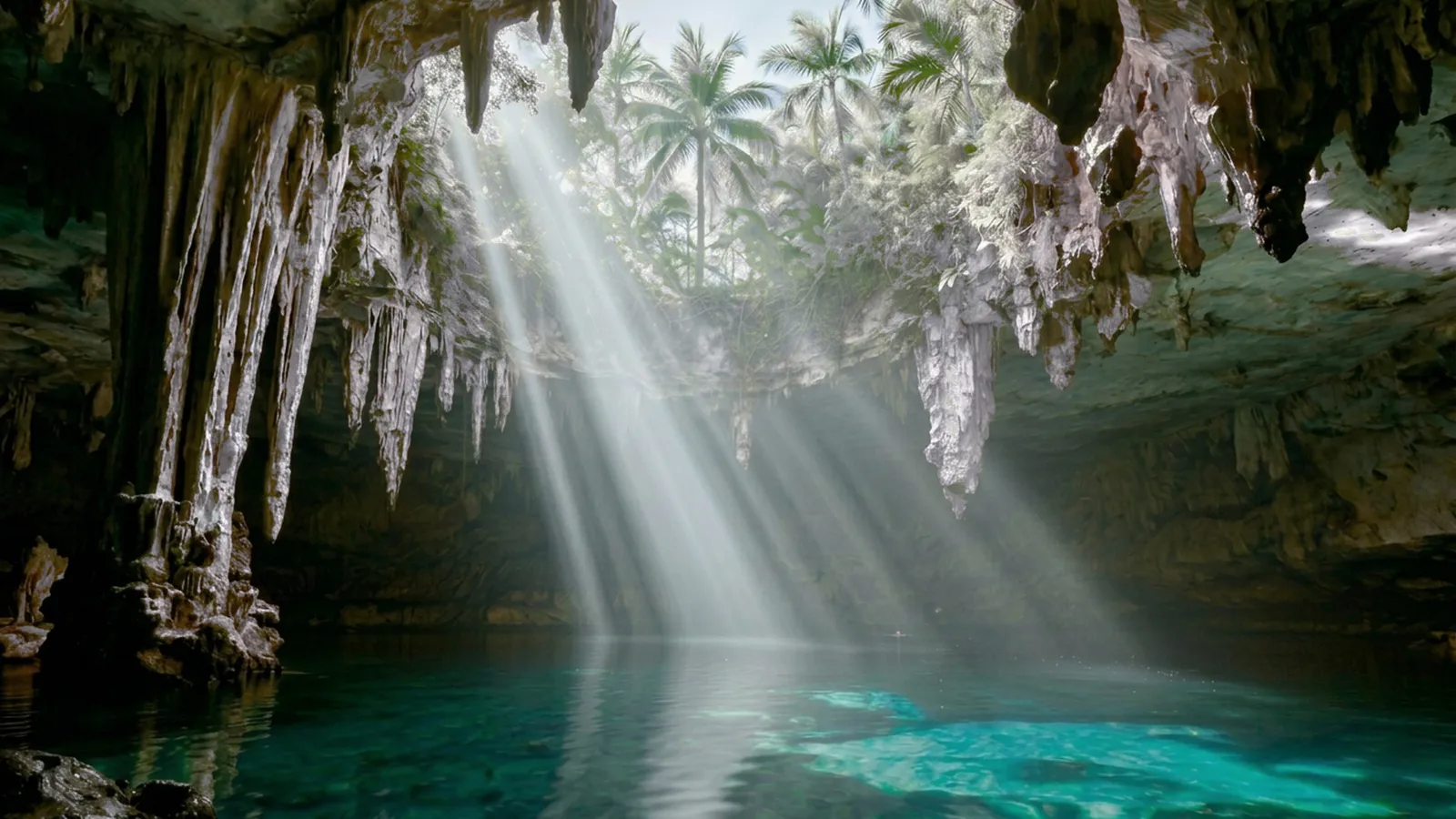
Mystical freshwater caverns unique to the Yucatan

Socorro Islands

The Mexican Galapagos with friendly giant mantas

Year-round diving

Different seasons bring different megafauna

Who a liveaboard in the Pacific suits — and who it doesn't

Mexico offers three unrelated worlds: Caribbean reefs and cenotes, Pacific big animals at Socorro, and the cool Sea of Cortés.

Beginners

Open Water, from about 20 dives, Caribbean side

Cozumel drifts are gentle and clear, and Riviera Maya reefs sit shallow; cavern-line cenote tours are open to Open Water divers with a guide.

Matching areas:CozumelPuerto MorelosRiviera Maya cenotes

Advanced divers

Advanced, 50+ dives for Socorro liveaboards

The Revillagigedo Islands mean open-ocean pinnacles, surge and current with giant mantas, dolphins and sharks; the crossing from Cabo San Lucas takes over 24 hours.

Matching areas:SocorroRoca PartidaSan Benedicto

Deep and technical

Cave and technical: a world-class scene

The Yucatán holds the largest explored underwater cave systems on earth — full cave certification, sidemount and Trimix training are widely available, and Roca Partida drops into open blue.

Matching areas:Sistema Sac ActunDos OjosRoca Partida

Photo and video

Wide-angle: light beams and big animals

Cenote light shafts at Dos Ojos and Chac Mool, manta interaction at San Benedicto, sardine and sea-lion action in the Sea of Cortés.

Matching areas:Dos OjosSan BenedictoLa Paz

Best time to dive in Mexico

Mexico’s dive seasons are distinctly regional, so timing your trip is critical. The prime season for Socorro liveaboards is from November to May, offering calmer seas for the crossing and encounters with mantas and humpback whales. For the warmest, clearest water in the Sea of Cortez, plan your trip between August and October. Meanwhile, great white shark season at Guadalupe Island historically ran from August to November.

Diving Seasons
Excellent
Good
Off-Season

Excellent — Peak Season

Each region has distinct peak windows: Socorro opens November–May for giant mantas, hammerheads and humpback whales (closed Jun–Oct). The Sea of Cortez peaks July–November with whale sharks, mobula rays, sea lions and warm 26–30°C waters. Cozumel's Caribbean side is best December–April with calm seas, 30m+ visibility and vibrant drift diving along the Mesoamerican Reef.

Good — Shoulder & Transition

Outside peak months, the Sea of Cortez still offers excellent macro life and whale watching in winter (Jan–Mar). Cozumel remains diveable year-round with water temperatures of 25–29°C, though summer and autumn bring occasional swells and reduced visibility. A 3mm shorty or full suit covers all conditions across Mexico.

Off-Season — Socorro Closed

The Revillagigedo National Park is closed to all visitors from June through October due to hurricane season in the eastern Pacific. No liveaboard trips operate to Socorro during this period. The Sea of Cortez and Cozumel remain accessible year-round.

Underwater visibility

37m
(121ft)
25m
(82ft)
13m
(43ft)
Jan
Feb
Mar
Apr
May
Jun
Jul
Aug
Sep
Oct
Nov
Dec

Air & water temperature

36°C 29°C 22°C
24°
28°
24°
29°
25°
31°
26°
33°
27°
34°
28°
33°
29°
32°
29°
32°
28°
31°
27°
30°
26°
29°
25°
28°
Jan
Feb
Mar
Apr
May
Jun
Jul
Aug
Sep
Oct
Nov
Dec
Water
Air (Day)

Recommended wetsuit

5mm
5mm
5mm
5mm
3mm
3mm
3mm
3mm
3mm
3mm
5mm
5mm
Jan
Feb
Mar
Apr
May
Jun
Jul
Aug
Sep
Oct
Nov
Dec
3mm (warm)
5mm (moderate)
Wetsuit Guide

What you'll see diving in the Pacific

Mexico's Pacific waters are a haven for megafauna, with liveaboards offering encounters you won't find elsewhere. Divers at Socorro meet giant oceanic mantas, schools of hammerhead sharks, bottlenose dolphins, and humpback whales, which visit from December to April. In the Sea of Cortez, playful California sea lions are a year-round highlight, while whale sharks gather between August and November. The Caribbean coast sees pregnant bull sharks congregate near Playa del Carmen from November to March.

When to See What

Use this calendar as a guide: the highlighted months show when your chances are usually best. Wildlife follows its own rhythm, so sightings are never guaranteed — but we hope this makes planning a little easier. The rhythm of Mexico's diving is dictated by its iconic megafauna migrations. The liveaboard season from November to May aligns with giant mantas and humpback whales at Socorro, while late summer brings whale sharks to the Sea of Cortez.

Species
Jan
Feb
Mar
Apr
May
Jun
Jul
Aug
Sep
Oct
Nov
Dec
Whale Shark
Whale Shark
Great Hammerhead
Great Hammerhead
Gray Whale
Gray Whale
Orca
Orca
Mobula Ray
Mobula Ray
Blue Whale
Blue Whale
Mako Shark
Mako Shark
Humpback Whale
Humpback Whale
Oceanic Manta Ray
Oceanic Manta Ray
Bull Shark
Bull Shark
Blacknose Shark
Blacknose Shark
Jellyfish
Jellyfish
Gorgonian
Gorgonian
Basslet
Basslet
Rainbow Runner
Rainbow Runner
Peak Season
Present
Rare/Absent

Socorro and Roca Partida: the best dive sites in Mexico

Mexico's most famous dive sites are remote Pacific pinnacles, accessible only by liveaboard expeditions. Sites like Roca Partida and The Boiler at San Benedicto are part of the Revillagigedo Archipelago, a 24-hour crossing from Cabo San Lucas, where volcanic seamounts act as magnets for pelagic life. These deep-water sites are exposed to open-ocean currents, offering advanced divers thrilling encounters with sharks, dolphins, and giant mantas that are impossible to reach on a day trip.

1

Isla Santa Catalina

OtherIntermediate
25.6840°, -110.9700°

Isla Santa Catalina is one of the five significant islands protected within the Bahía de Loreto National Park, known for its rocky formations that contribute to some of the best dive sites in Mexico. Its volcanic heritage has shaped a fascinating underwater topography, featuring dramatic cliffs, varied reef systems, and potentially wall dives. These geological structures create complex habitats that support a wide array of marine species, from vibrant reef fish to interesting invertebrates. While specific named dive sites are not provided, the island's general reputation suggests abundant opportunities for discovery. Divers can explore rich ecosystems, observing the interplay between the ancient volcanic rock and the flourishing marine life. The clear, warm waters of Loreto, particularly during the best diving season, offer excellent visibility, enhancing the experience of exploring Santa Catalina's underwater landscapes. The pristine condition of the national park ensures a healthy and biodiverse environment for divers of all levels to enjoy.

Rocky volcanic formationsDramatic underwater cliffsDiverse reef systemsAbundant marine lifeExcellent visibility
2

Neptune's Finger

ReefBeginner
4152m / 13499ftBest: January–April, July–November22.8694°, -109.9827°

Neptune's Finger is a renowned dive site located in Cabo San Lucas, Mexico, at the southern tip of the Baja California Peninsula. Its name comes from a distinctive rocky pinnacle that extends approximately 8 meters (26 ft) above the water's surface. This iconic formation marks a unique underwater landscape that has served as a navigational landmark for decades. The site is a premier destination for scuba diving due to its blend of geological wonders and diverse marine ecosystems, embodying the rich marine life of the Sea of Cortez. Beneath the waves, the site features a complex topography, including two distinct coral reefs and multiple shallow pinnacles adorned with various coral types. A prominent vertical wall drops dramatically to depths exceeding 152 meters (500 ft), making it suitable for technical diving and offering a dramatic backdrop for exploration. Divers will also encounter the largest sandfall within the Cabo San Lucas Marine Park, a mesmerizing natural phenomenon where sand cascades down the seabed. The pinnacles extend all the way to the surface, providing excellent opportunities for extended safety stops. Marine life at Neptune's Finger is abundant and varied. The shallow areas are particularly notable for macro subjects, including numerous nudibranchs. Along the wall, large schools of snapper are common, and a butterflyfish cleaning station provides interesting viewing. Visiting turtles are frequently sighted, and during the mobula and cow nose ray seasons, large schools of these rays are known to pass overhead. Other pelagic species such as tuna, bonitos, barracudas, and sardines are regularly encountered, alongside eagle rays, mantas, and guitarfish. Sharks, whales, and dolphins are also common sightings in the general area. The site is accessible to Open Water or CMAS* certified divers. While diving is possible year-round, calmer seas and clearer visibility are more prevalent during specific months. Divers can expect to explore unique geological formations and a rich diversity of marine life across various depth bands, from shallow reef tops to deep wall sections, typically making it a multi-faceted dive experience.

Iconic rocky pinnacleLargest sandfall in Cabo San Lucas Marine ParkButterflyfish cleaning stationSchools of snapperAbundant nudibranchsDramatic vertical wallMobula and cow nose ray sightingsShallow coral pinnacles
3
1826m / 5985ftBest: May–September, December–March21.7375°, -97.1273°

The C-58 Wreck, also known as the USS Harlequin or ARM DM-20, is a prominent artificial reef located off the coast of Cancún and Isla Mujeres. Originally a US Navy minesweeper launched in 1944, it was decommissioned in 1946, sold to the Mexican Navy in 1962, and intentionally sunk in May 2000 to create a dive site. The wreck now rests at 26 meters (85 feet) and serves as a vibrant ecosystem. It is accessible via a 25 to 40-minute boat ride from Isla Mujeres or Cancún. In 2005, Hurricane Wilma severely impacted the wreck, breaking it into two distinct pieces. This event inadvertently enhanced the dive experience by creating large openings and swim-throughs, allowing certified divers to penetrate the cargo holds and other sections. The stern, the larger part, offers open access and multiple rooms to explore, while the bow lies about 100 meters (300 feet) away, resting on its left side. Water temperatures generally range from 26°C to 29°C (79°F to 84°F), with visibility typically between 15 and 30 meters (50 and 100 feet). However, near the wreck, visibility can sometimes be reduced. Currents can be moderate to strong, making this a challenging drift dive, often without a descent line, and suitable for advanced divers. The C-58 attracts large pelagic species like black groupers, great barracudas, schooling jacks, and seasonally, eagle rays and nurse sharks. This dive is considered deep and requires advanced certification due to its depth and potential for strong currents. Dive groups are kept small to manage the drift entry and ensure safety. The wreck offers a unique blend of history and marine biodiversity, making it a captivating site for experienced wreck enthusiasts.

56-meter artificial reef wreckHurricane-split into two sectionsAccessible wreck penetrationSeasonal eagle ray migrationLarge black groupersStrong currents, drift diveFormer US Navy minesweeper
4

Majahuitas

Beginner
814m / 2646ftBest: November–May, June–October20.5058°, -105.3401°

Majahuitas is a pristine and secluded cove located on the southern coast of Banderas Bay, near Puerto Vallarta, Mexico. Its relative isolation from heavy boat traffic and coastal development ensures excellent water quality and a thriving marine environment. The dive site features dramatic rocky topography, with volcanic rock formations extending below the waterline to create an intricate landscape of boulders, walls, overhangs, and sandy channels. These unique geological features provide diverse habitats for marine organisms, differing significantly from Caribbean coral reefs. Majahuitas hosts a vibrant community of marine life typical of the Eastern Pacific, including various reef fish, moray eels, and octopus. Seasonal encounters with larger species like manta rays and sea turtles add to the allure. The site is known for its impressive gorgonian sea fans, encrusting sponges, and Pacific nudibranchs. Accessible primarily by boat, Majahuitas offers a calm diving experience suitable for recreational divers. It is often combined with other dive sites in the region, providing a comprehensive exploration of Puerto Vallarta's underwater wonders.

Secluded cove divingVolcanic rock topographyVibrant gorgonian sea fansPacific nudibranchsMoray eels in crevicesOccasional manta ray sightingsExcellent water quality

Bucket-list dives worth booking early

A Mexico liveaboard is defined by its colossal animal encounters, creating memories that last a lifetime. Coming face-to-face with a five-meter giant oceanic manta at Socorro's San Benedicto Island is an iconic experience, as are the schooling hammerhead sharks at Roca Partida. In the Sea of Cortez, swimming through massive aggregations of mobula rays or with playful sea lion colonies offers a completely different, yet equally unforgettable, adventure.

Underwater view of the dive site Sardine Run in Mexico
1
Oct – Dec

Magdalena Bay (San Carlos), Baja California Sur

Every autumn, massive schools of sardines migrate along the Baja coast near Todos Santos, creating a feeding frenzy that attracts striped marlin, sea lions, dolphins, whales, and frigatebirds. Often called the "Baja Sardine Run," this spectacle rivals South Africa's famous event and offers incredible open-water encounters with multiple predators hunting in coordinated attacks.

Read more
Underwater view of the dive site Mobula Ray Migration in Mexico
2
Apr – Jun

La Ventana, Baja California Sur

Each spring, thousands of Mobula rays gather in the warm waters off La Ventana and Cerralvo Island in one of nature's most mesmerizing displays. These elegant rays form massive aggregations, leaping out of the water in spectacular aerial displays. Snorkelers and freedivers can swim alongside these gentle creatures as they swirl in hypnotic formations.

Read more
Underwater view of the dive site Grey Whale Migration in Mexico
3
Jan – Mar

San Ignacio Lagoon, Baja California Sur

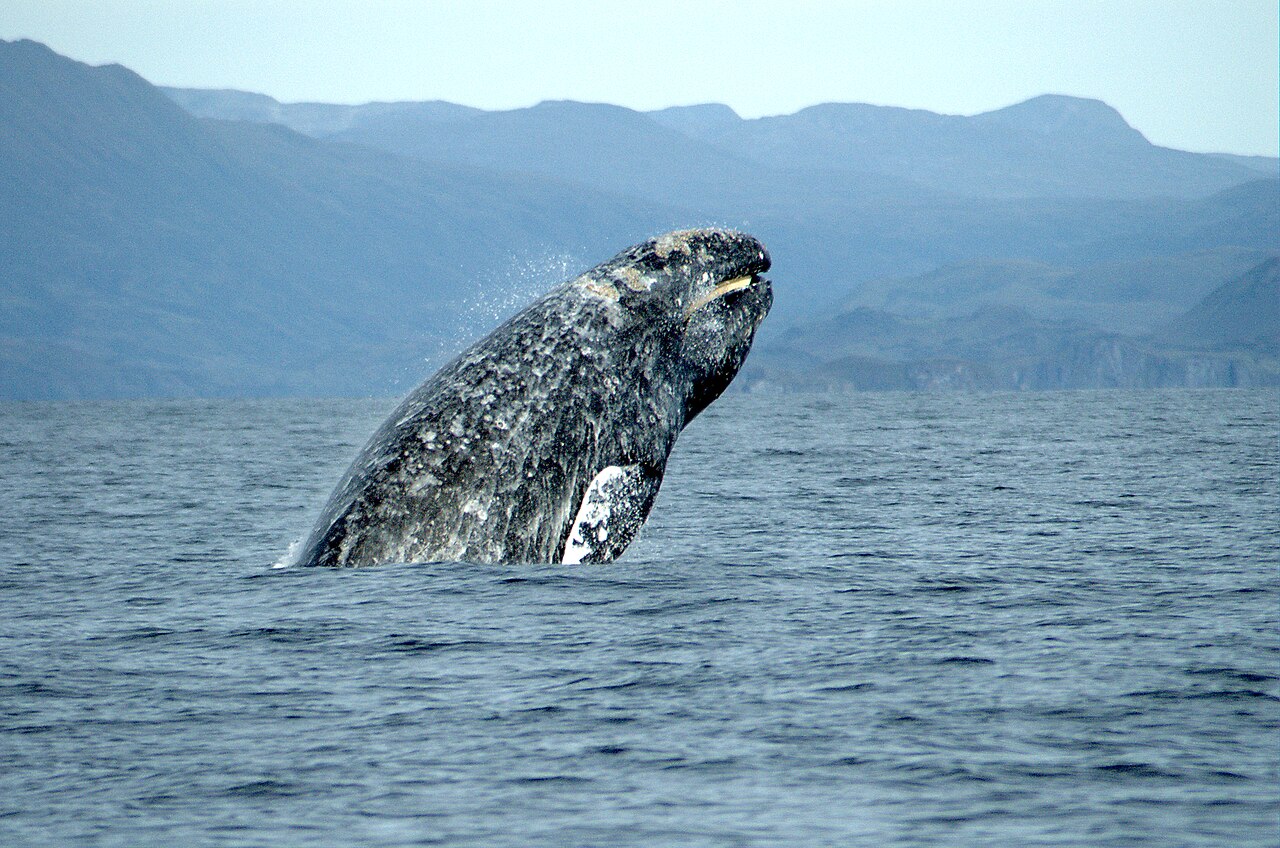
Every winter, over 20,000 grey whales travel 10,000 km from Alaska to the sheltered lagoons of Baja California to breed and nurse their calves. San Ignacio Lagoon is the most magical spot — the "friendly whales" here actively approach small pangas, allowing visitors to touch and interact with these gentle giants and their newborn calves.

Read more
Underwater view of the dive site Socorro Giant Mantas in Mexico
4
Nov – Jun

Revillagigedo Archipelago (Socorro Island)

The remote Revillagigedo Islands offer some of the closest encounters with giant oceanic mantas anywhere on Earth. Add schooling hammerheads, dolphins, and the chance of humpback whales for an unforgettable experience.

Read more

Above water: climate, shore trips and extra costs

Beyond the dive deck, Mexico offers incredible topside wildlife encounters, especially in Baja California Sur. Before or after a Socorro trip, consider a visit to San Ignacio Lagoon between January and March to see the "friendly" grey whales and their calves. In spring, witness the spectacular mobula ray migration near La Ventana. The gateway cities of Cabo San Lucas and La Paz also provide a lively hub of Mexican culture and beautiful beaches.

Tulum Archaeological Site

Tulum Archaeological Site

Perched dramatically on cliffs overlooking the Caribbean Sea, Tulum is the only major Mayan site built on the coast. The iconic El Castillo temple offers stunning photo opportunities.

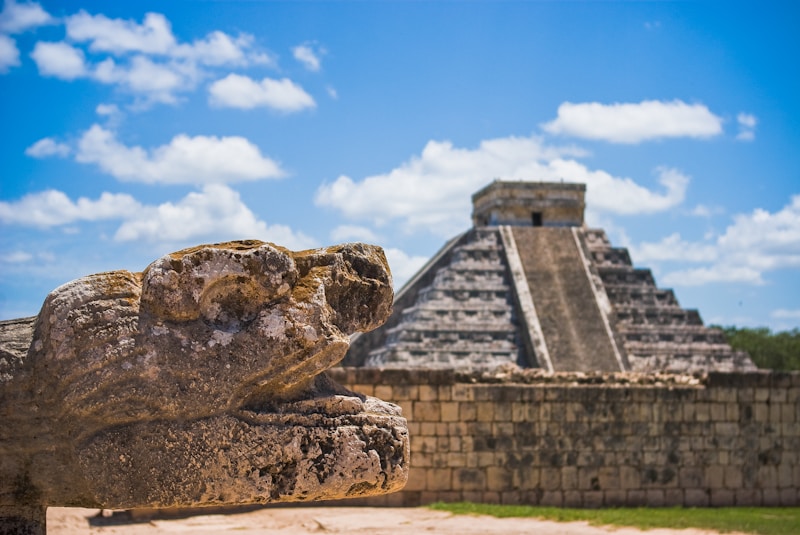
Chichen Itza

Chichen Itza

One of the New Seven Wonders of the World, this ancient Mayan city features the iconic El Castillo pyramid with remarkable astronomical precision.

Playa del Carmen Fifth Avenue

Playa del Carmen Fifth Avenue

The vibrant pedestrian heart of Playa del Carmen stretches for miles with boutiques, restaurants, bars, and street performers.

La Paz Malecón

La Paz Malecón

This beautiful 5km waterfront promenade offers stunning sunset views over the Sea of Cortez. Lined with sculptures, restaurants, and cafés.

What a liveaboard in Mexico costs

The calendar below shows how liveaboard prices shift month by month, so you can see exactly when your money goes furthest. We want every diver to get the best possible value, which is why we highlight the seasons that balance great conditions with the fairest rates.

The cost of a Mexico liveaboard varies significantly between its two main regions, placing it in the mid-to-upper price range. Expeditions to the remote Socorro Islands command a premium due to their length and expeditionary nature, with prices reflecting the vessel's luxury level. Trips in the Sea of Cortez are generally more budget-friendly. Prices fluctuate with the season, peaking during the most popular months for big animal sightings like the humpback whale season in Socorro.

$230–$430

per day liveaboard

$80–$150

per 2-tank dive trip

$45–$227

hotel per night

Prices reflect typical costs for mid-range to premium options. Budget alternatives may be available.

Getting to Cabo San Lucas and Cancún: flights and transfers

Getting to your Mexico liveaboard is straightforward, with international flights landing at key coastal hubs. For Socorro and Sea of Cortez expeditions departing from Cabo San Lucas, fly into San José del Cabo International Airport (SJD). Some Sea of Cortez trips also depart from La Paz, served by Manuel Márquez de León International Airport (LAP). Citizens of many countries, including the US, UK, and EU, do not need a visa for tourist stays up to 180 days but will need a valid passport.

Insider tips

🤿

The Yucatán offers excellent value compared to other Caribbean dive destinations

🤿

Cenote diving is relatively affordable at $50-80 per dive including guide

🍽️

Street tacos and local restaurants provide delicious meals for $2-5

🎯

Book whale shark tours through local operators in Isla Mujeres for better prices

🏨

Stay in Playa del Carmen hostels from $15/night — Cozumel ferry is just $15 return

🚌

Travel by ADO bus instead of private transfers to save significantly

🤿

Dive shops in Playa del Carmen offer competitive multi-dive packages

🏨

Visit between May-November (low season) for 30-40% savings on accommodation

Getting there

Cancún International Airport

Cancún, MexicoCUN

Main gateway for Caribbean diving with direct flights from across North America and Europe

San José del Cabo International Airport

Los Cabos, MexicoSJD

Gateway for Socorro/Pacific diving and Cabo Pulmo

Manuel Márquez de León International Airport

La Paz, MexicoLAP

Alternative Pacific coast gateway for Sea of Cortez diving

Entry requirements

Citizens of the US, Canada, UK, EU, Australia and many other countries do not require a visa for stays up to 180 days. A valid passport with at least 6 months validity is required. Complete the Forma Migratoria Múltiple (FMM) online or upon arrival.

This information is provided without guarantee. Please visit the official website for the latest entry requirements.

Official Immigration Information →

Frequently asked questions about Mexico liveaboards

How much does a Mexico liveaboard cost in 2026?
While specific 2026 prices vary by boat and season, most Mexico liveaboards include all meals, soft drinks, and beer in the trip cost. You should plan to budget extra for marine park fees (paid in cash), which can be around $60-80 for Socorro, and crew tips, which are typically 10-15% of your trip price.
When is the best time for a liveaboard in Mexico?
It depends on which ocean you want to explore! For giant mantas and humpback whales in Socorro, the season runs from November to May, with January to April being the peak. The Sea of Cortez is best from October to December for schooling mobula rays and sea lions, or June to September for whale sharks.
What marine life can I see on a Socorro liveaboard?
Socorro is a world-famous destination for giant oceanic mantas that interact closely with divers. You can also expect schools of hammerhead sharks, friendly bottlenose dolphins, and from January to April, migrating humpback whales. Depending on the month, you might also encounter whale sharks, mako sharks, or even tiger sharks.
Do I need advanced certification for Mexico liveaboards?
An Advanced Open Water certification is highly recommended, especially for Socorro trips where you'll encounter open ocean conditions. Some sites with strong currents, like the famous seamount Roca Partida, are best suited for experienced divers. Having your advanced cert ensures you can safely enjoy all the incredible dives on offer.
Which port do Mexico liveaboards depart from?
Your departure port depends on your destination. Liveaboards heading to the remote Socorro Islands (Revillagigedo Archipelago) depart from Cabo San Lucas on the Baja California peninsula. Trips exploring the Sea of Cortez typically depart from ports near La Paz.
What should I pack for a Mexico liveaboard trip?
For your dives, pack a 5-7mm wetsuit; a hood is recommended for the cooler months in Socorro (21-23°C). Don't forget your widest-angle camera lens for the big animals! You will also need to bring cash (USD) for crew tips and marine park fees, which are usually paid on board at the end of the trip.
Are Mexico liveaboards safe?
Yes, safety is a top priority on all permitted vessels, which are regulated by the Mexican Navy in areas like Socorro. Crews are trained in first aid and emergency procedures, and hyperbaric chambers are available in the main port cities of Cabo San Lucas and La Paz. You'll dive with a guide and receive thorough briefings on safety and marine life interaction rules.

Mexico compared with other liveaboard destinations

Honest, in-depth comparisons to help you decide between destinations, certifications, equipment and dive styles.

Liveaboard vs Land-Based Diving: Which Trip Is Right for You?

Choosing between a liveaboard and a land-based dive trip is the most fundamental decision divers face when planning a serious diving holiday. The right answer depends on your priorities: maximum dive count and access to remote sites favor liveaboards; beach time, family flexibility and lower cost favor land-based resorts. Both formats have evolved significantly in the last decade, and the line between them has blurred — luxury dive resorts now offer multi-day expedition trips, while many liveaboards include topside excursions and even spa days. This guide compares the two formats across every meaningful dimension: cost per day, dives per day, marine life access, comfort, social dynamics, family-friendliness, and travel logistics. We'll also cover the hybrid models (resort + day-charter, or 'safari boat' itineraries) that try to capture the best of both worlds. If you're certified, in love with diving and want to maximize bottom time, a liveaboard is almost always the better choice — you can clock 25+ dives in a week and reach sites no day boat can. If you're traveling with non-divers, prefer land-based comfort, or want flexibility to take days off, a resort wins. We'll get into all the nuances below.

Read comparison

Mexico vs Cuba: Liveaboard Diving Showdown

Choosing your next liveaboard destination can be a thrilling challenge, especially when weighing two iconic Caribbean and Pacific powerhouses like Mexico and Cuba. Both offer distinct underwater experiences, rich cultural encounters, and diverse marine ecosystems, but cater to different preferences and diving styles. Mexico, renowned for its vibrant Pacific waters, the unique cenotes of the Yucatán, and the rich biodiversity of the Sea of Cortez, presents a broad spectrum of diving opportunities. From pelagic encounters with great white sharks and schooling hammerheads to intricate coral reefs and ancient cave systems, Mexico appeals to divers seeking variety and adventure. Its well-developed tourism infrastructure and numerous liveaboard options make it an accessible and popular choice. Cuba, on the other hand, offers a glimpse into a remarkably preserved marine environment, largely untouched by mass tourism. Its protected Jardines de la Reina (Gardens of the Queen) marine park is a jewel, known for its pristine coral reefs, abundant shark populations, and healthy ecosystems. A liveaboard trip to Cuba is not just a dive vacation; it's an immersive journey into a unique cultural landscape, often characterized by a more rustic and intimate experience. This comparison will help you navigate the nuances and decide which destination best aligns with your liveaboard aspirations.

Read comparison

Manta Ray vs. Stingray: A Diver's Guide to Two Very Different Rays

Manta rays and stingrays are both rays — flattened, cartilaginous relatives of sharks — and that is roughly where the similarity ends. A manta is a filter-feeding giant of the open water with a wingspan that can exceed five metres and no stinging barb at all. A stingray is a bottom-dwelling ambush feeder, usually well under two metres across, that carries one or more venomous spines on its tail. For divers the practical difference is where and how you meet them. Mantas are the reason you hang motionless at a cleaning station in Raja Ampat or drift a channel in the Maldives. Stingrays are what you find when you slow down over a sand flat, look for the outline of a buried disc and wait for it to lift off in a cloud of silt. This guide breaks down the identification cues that actually work underwater, the behaviour to expect from each, and which liveaboard regions give you the best odds of a proper encounter with either.

Read comparison
Plan your trip

Ready to dive?

Explore our expedition vessels and find your perfect trip to Mexico