Soft Coral
Alcyonacea
About Soft Coral
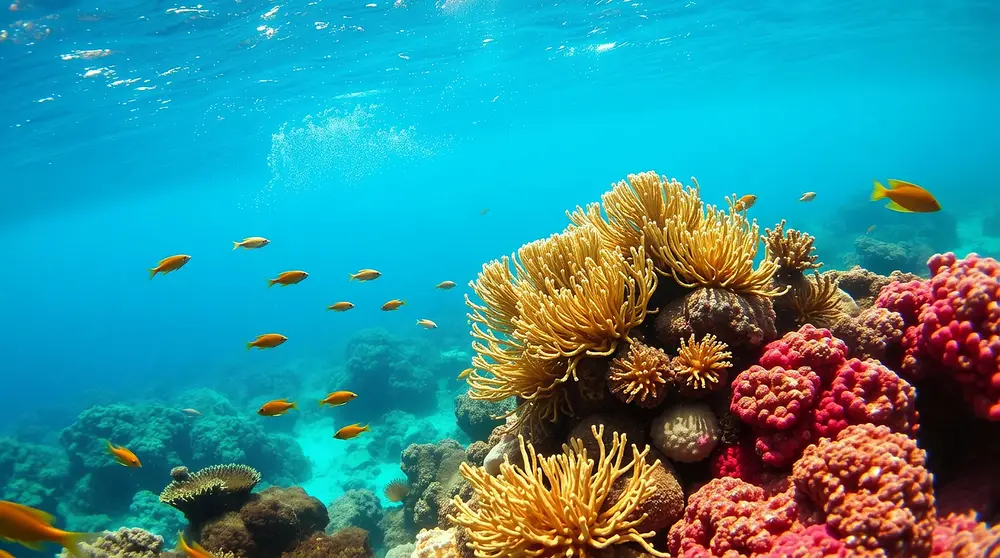
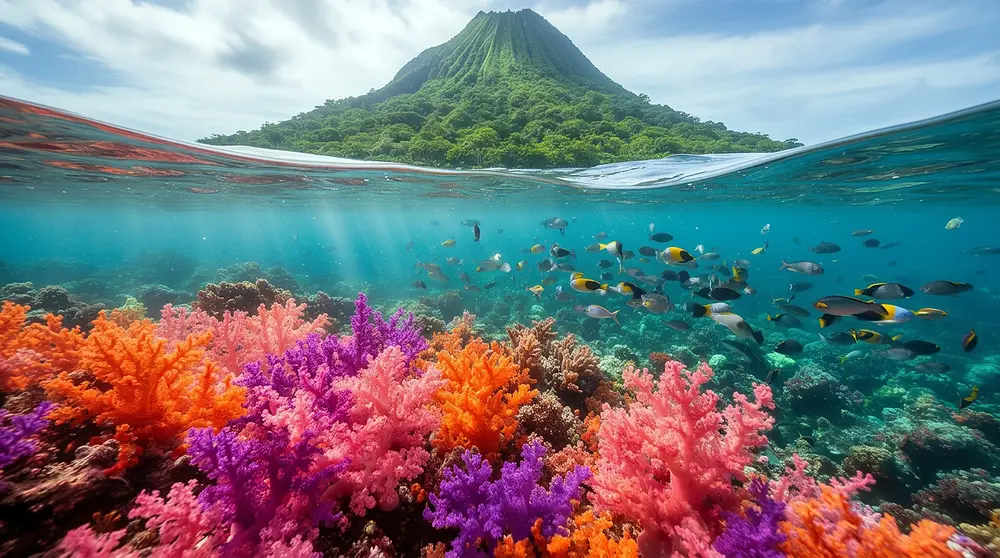
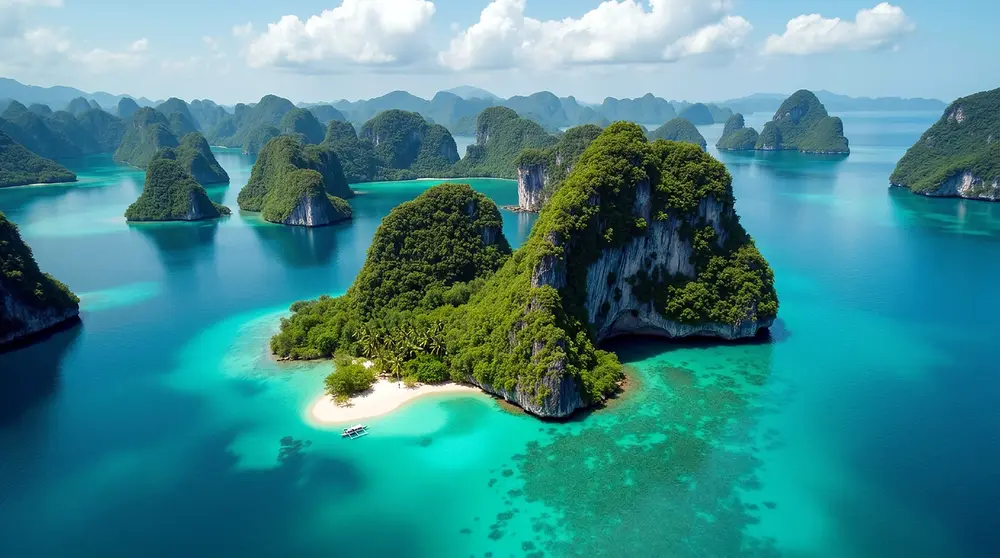
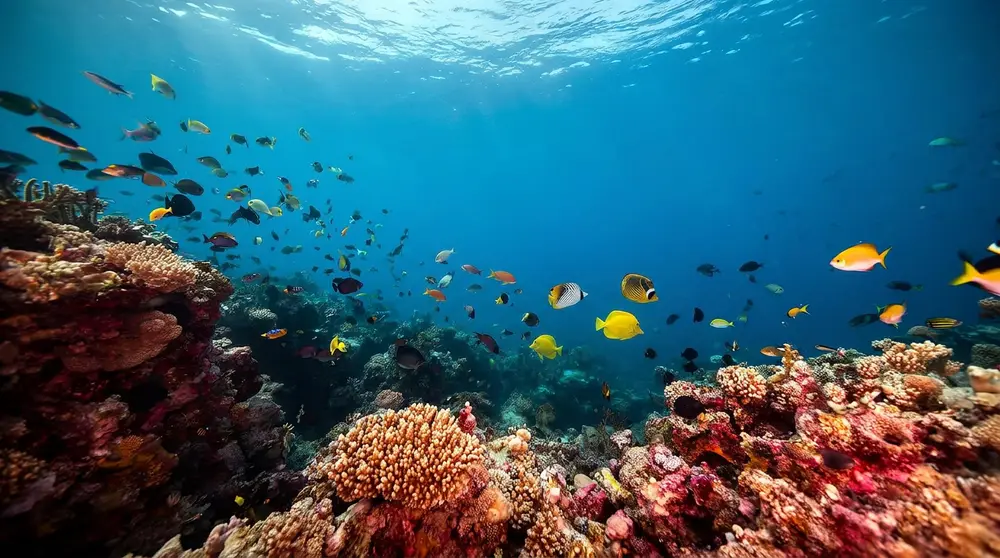
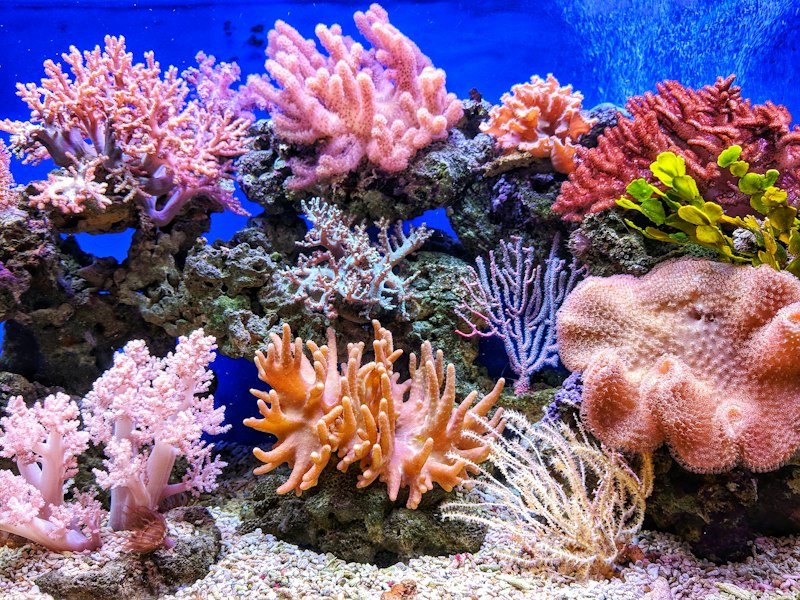
Fiji and the Coral Triangle host the world's most spectacular soft coral gardens in every colour of the rainbow.
Quick Facts
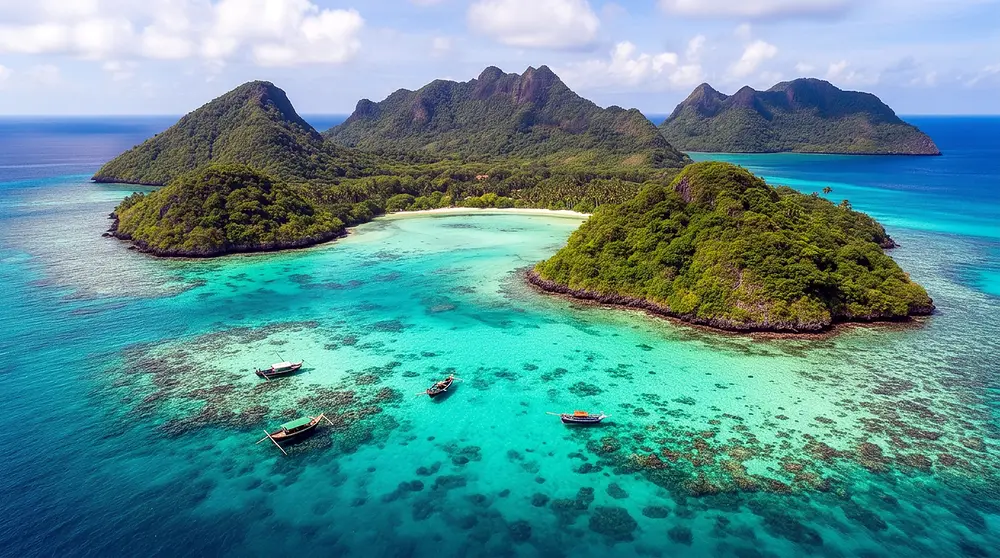
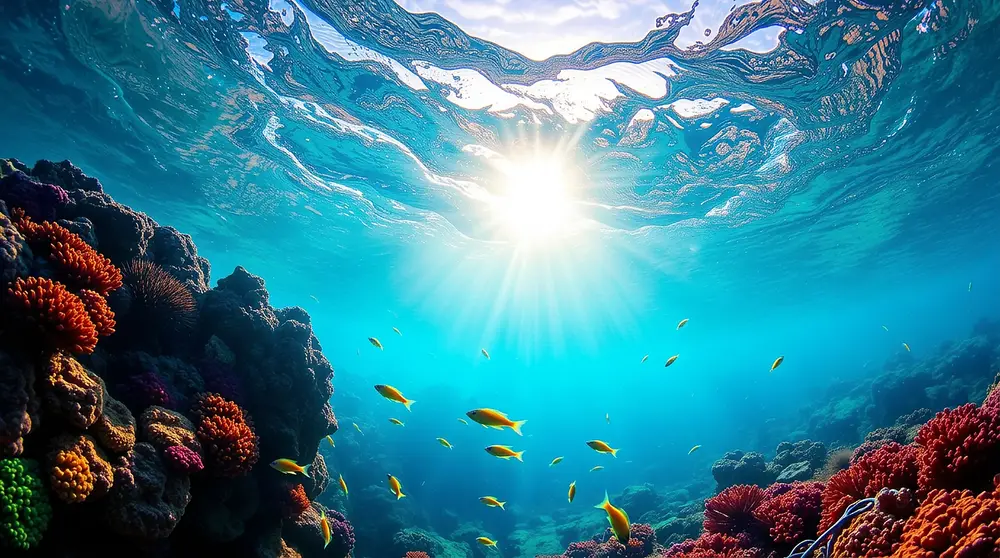
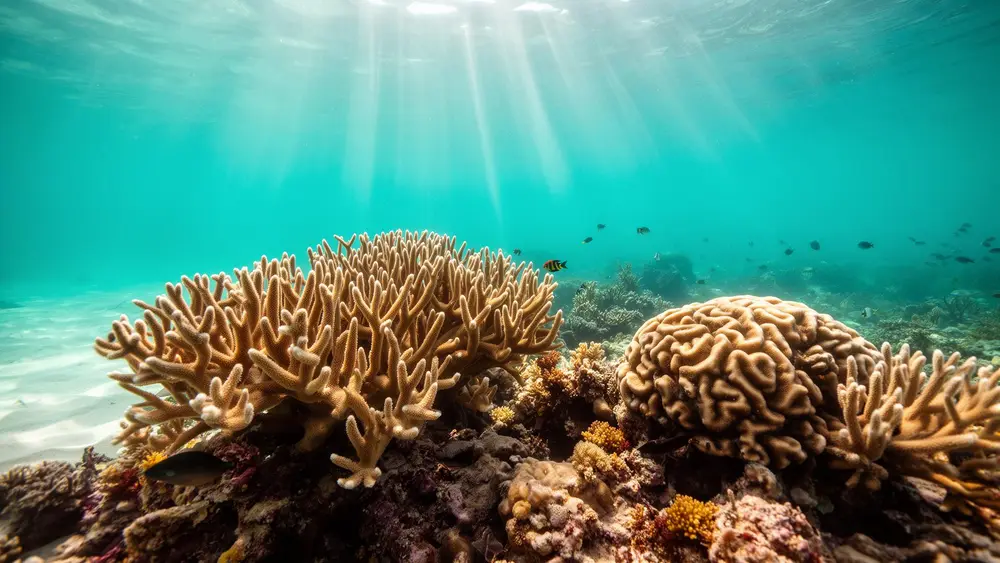
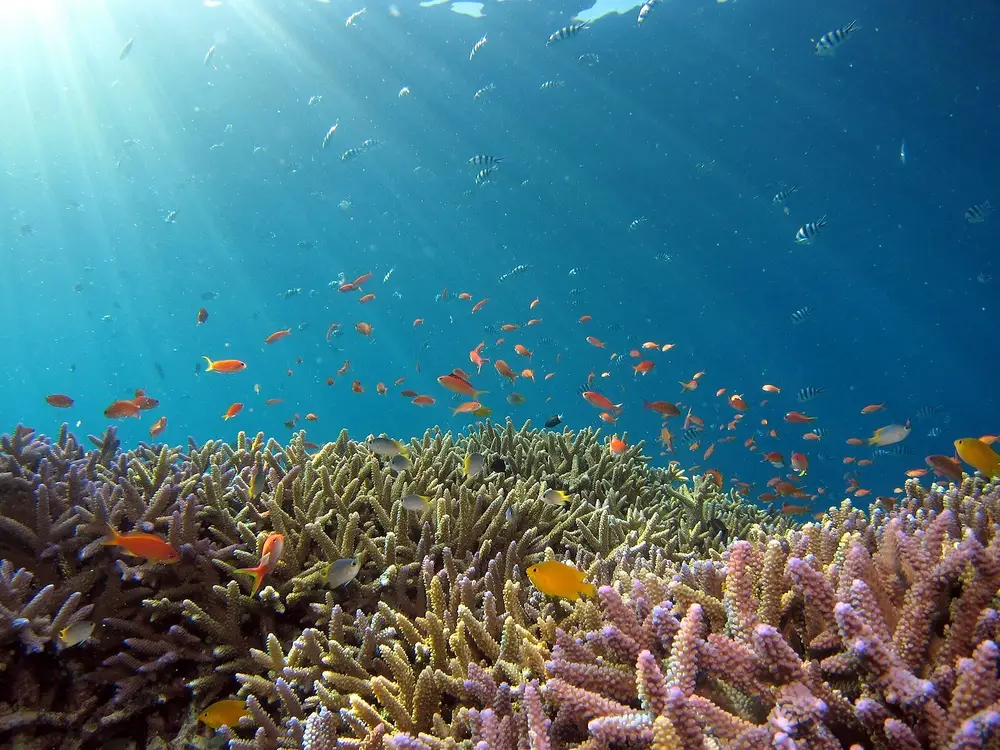
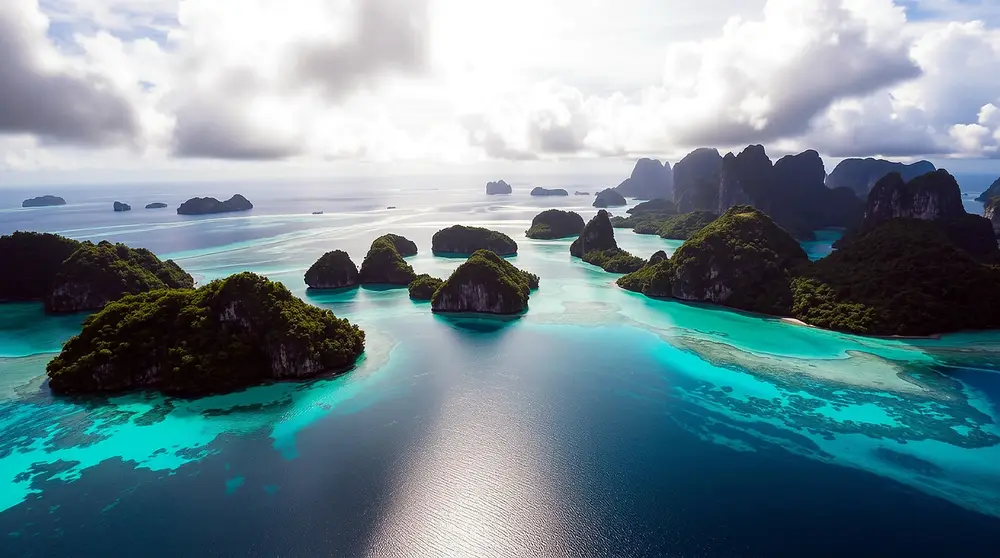
- Habitat: Soft corals (order Alcyonacea) exhibit a remarkable global distribution, thriving in diverse marine environments from shallow tropical reefs to **deep-sea cold-water habitats**. Unlike their hard coral counterparts, soft corals lack a rigid calcium carbonate skeleton, instead maintaining their structure through tiny, spiny sclerites embedded in their tissue, giving them a **fleshy, often tree-like or encrusting appearance**. They are particularly abundant and diverse in the **Indo-Pacific region**, with iconic dive destinations like the **Coral Triangle (Indonesia, Papua New Guinea, Philippines)** boasting an incredible array of species. You'll find extensive soft coral gardens in **Raja Ampat, Indonesia**, and the vibrant reefs of **Fiji, often called the 'Soft Coral Capital of the World'**. They prefer areas with **moderate to strong currents** that facilitate nutrient and plankton delivery, and often colonize rocky substrates, wrecks, and even grow over hard corals. While primarily found in tropical and subtropical waters, some species can withstand cooler temperatures, extending their range to temperate zones. Their growth forms vary widely, from towering, branching structures to delicate, feathery colonies, often forming mesmerizing underwater landscapes. They are a crucial component of healthy reef ecosystems, providing shelter and foraging grounds for countless marine species.
- Diet: Soft corals are primarily **filter feeders**, capturing microscopic food particles suspended in the water column. Their diet mainly consists of **plankton**, including zooplankton (copepods, larval crustaceans, invertebrate larvae) and phytoplankton, as well as **detritus** and other organic matter. They utilize their specialized **eight-tentacled polyps** to capture food. Each polyp is equipped with stinging cells (nematocysts) on its tentacles, which are used to **sting and immobilize prey**. The tentacles then guide the food towards the polyp's mouth. Many soft coral species also have a **symbiotic relationship with zooxanthellae**, photosynthetic algae that live within their tissues. These algae produce sugars through photosynthesis, which the coral can absorb, contributing significantly to the coral's nutritional requirements, especially in sunlit shallow waters. The balance between filter feeding and nutrient uptake from zooxanthellae varies among species and according to light availability, with deeper-dwelling soft corals relying more heavily on **heterotrophic feeding**. The strong currents they often inhabit are vital for continuously bringing new food sources to their polyps, allowing for efficient feeding.
- Best season: The best season to observe soft corals largely coincides with the prime diving seasons for their respective regions, as they are generally **present year-round**, but clarity and water conditions can enhance the experience. In the **Indo-Pacific**, which hosts the greatest diversity, the months of **April to December** are generally excellent, particularly in locations like **Raja Ampat, Indonesia**, where visibility is consistently good and currents are predictable. For **Fiji**, often celebrated for its soft coral displays, the period from **May to October** offers the calmest seas and best visibility, though they are spectacular throughout the year. The cooler, drier season in these tropical regions often means less rain and runoff, leading to clearer waters. In areas like the **Red Sea**, soft corals are abundant, and conditions are superb from **March to May and September to November**, avoiding the hottest summer months or occasional winter storms. While the corals themselves are always present, experiencing them in their full vibrant glory is optimized by **good light penetration** and minimal water disturbance, factors often influenced by seasonal weather patterns. Divers should always check local conditions for specific destinations, but generally, the dry seasons offer the most rewarding soft coral encounters.
Fun Facts
Fiji is known as the 'Soft Coral Capital of the World',Soft corals can produce toxic chemicals to deter predators,Many soft coral species are bioluminescent under UV light,Some compounds are being researched for anti-cancer medicines
Diving Tips
When diving around soft corals, remember they are **delicate living organisms**, so **buoyancy control is paramount**. Maintain a **neutral buoyancy** at all times to avoid accidental contact. Even a slight brush can damage their polyps or entire colonies. **Never touch, prod, or stand on soft corals**. Observe them from a respectful distance. To spot them, look for areas with **moderate to strong currents**, as these conditions are ideal for their filter-feeding lifestyle; however, be mindful of your own position in currents. Soft corals often present a **dynamic and vibrant display**, swaying gracefully with the water flow, which is a key identifying characteristic. Look for their **eight-tentacled polyps** extended for feeding, especially during times of good current. Their colors can be incredibly varied, from bright purples and pinks to yellows, reds, and browns, making them stand out against the reef. Pay attention to how they respond to water movement – some species retract their polyps in strong surges, while others thrive. For photography, use **ambient light techniques** or external strobes carefully to avoid over-exposing their delicate tissues. Be aware of your fins and gear, ensuring they don't inadvertently bump into or sediment soft coral colonies. Remember the **'look, but don't touch'** principle, upholding the highest standards of **responsible diving practices** to protect these vital components of the reef ecosystem for future generations. Some regulations or local dive park rules prohibit photography lights on specific species, always adhere to local guidelines.