About Cable Reef
Cable Reef, also known as Rainbow Reef, stands out as one of Aqaba's most colorful and accessible dive locations, nestled within the Visitors’ Bay section of the Aqaba Marine Park. This site is renowned for its vibrant, healthy coral formations that thrive in clear, warm Red Sea waters. Divers can expect to encounter an abundance of reef fish and, on occasion, sea turtles gliding through the serene underwater landscape. The reef's topography is characterized by a gradual slope, allowing for easy exploration across various depth bands. Starting from shallow areas, the site descends to a maximum depth of 18 meters, making it suitable for both beginner divers and those looking for a relaxed, extended dive. The consistent water temperatures, typically ranging from 21-28°C, ensure comfortable diving conditions year-round, though specific months offer peak visibility and marine activity. Marine life at Cable Reef includes a rich diversity of coral species, supporting numerous invertebrates and fish. The site's reputation as a photographer's favorite is well-deserved, with ample opportunities to capture detailed macro shots of the reef's inhabitants or wide-angle views of the bustling coral gardens. Its proximity to shore and calm conditions make it an excellent choice for multiple dives, allowing for thorough exploration of its hidden gems. Diving Cable Reef offers a tranquil experience, often accessible directly from shore, providing an uncrowded atmosphere even during peak seasons. The gentle currents typically found here contribute to its appeal for less experienced divers or those seeking a leisurely underwater experience.
Highlights
Vibrant coral formationsAbundant reef fishFrequent turtle sightingsIdeal for underwater photographyShallow, accessible depthsCalm, uncrowded conditionsSuitable for all diver levels
Season calendar
Best months to dive here
Jan
Feb
Mar
Apr
May
Jun
Jul
Aug
Sep
Oct
Nov
Dec
Excellent
Good
Dive site facts: Cable Reef
- Depth
- 3–18 m
- Current
- Mild to zero
- Visibility
- 25–35 m
- Water temperature
- 21–28°C
- Entry
- Shore / Boat
- Level
- Beginner to Advanced
- Dive type
- Reef, photography, night
- Night dive
- Possible
- Region / port
- Aqaba, Jordan
- Coordinates
- 21.48, 39.02
Conditions & Currents
Cable Reef generally experiences mild to zero currents, making it an excellent site for all diver levels and particularly suited for training or relaxed dives. The minimal water movement ensures consistent visibility, often exceeding 25-35 meters, allowing for clear views of the vibrant reef. Divers can typically anticipate calm conditions at the surface, facilitating easy entry and exit, whether from shore or a boat. Thermoclines are generally not a significant factor at this site, as water temperatures remain stable through the dive profile. This predictable environment means less planning is required for current mitigation and offers a comfortable experience without strong directional flows, allowing divers to explore at their own pace.
Marine life & sighting chances


Green turtle
occasional
Stingray
occasional
Nudibranch
occasional
Octopus
occasional
Seahorse
rare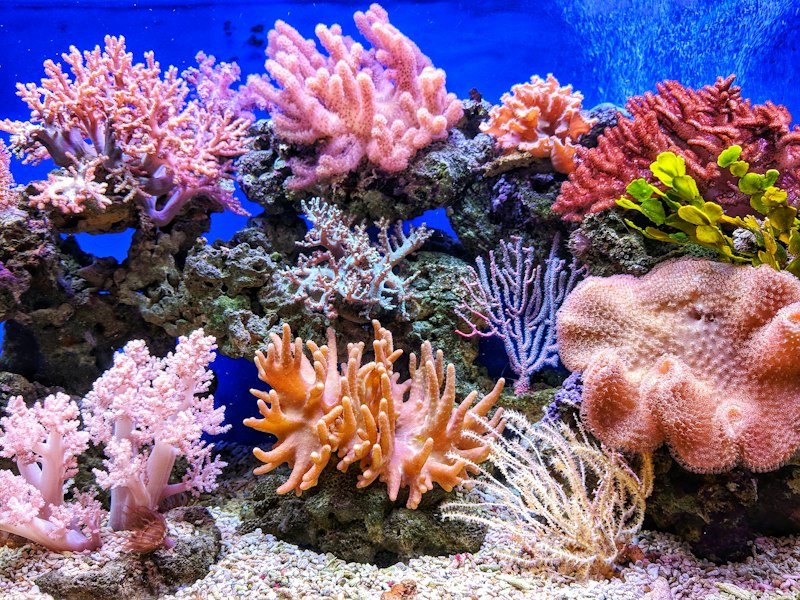
Soft coral
common
Hard coral
commonDive profile & how the dive runs
Diving Cable Reef typically begins with an easy entry from either shore or a tender boat, given its calm conditions. Divers descend into shallow coral gardens, often as little as 3 meters, which serve as an excellent starting point for exploration. The dive then follows a gradual slope, allowing you to steadily explore the reef as it deepens to its maximum of 18 meters. You can navigate along the reef, observing the vibrant marine life and coral formations. The turn point is often dictated by air consumption or personal preference, allowing ample bottom time due to the shallow depths. Ascending slowly along the reef provides more opportunity for observation, with the safety stop commonly performed in the abundant shallower sections, around 5 meters, surrounded by reef fish.
Underwater photography
Cable Reef is a prime location for underwater photography, particularly excelling with wide-angle lenses to capture its expansive and colorful coral gardens. The excellent visibility, often exceeding 25 meters, paired with the shallow average depth of 3-18 meters, allows for abundant natural light penetration, making it easier to achieve vibrant colors without excessive artificial lighting. However, using external strobes is recommended to enhance contrast and bring out the true hues of the diverse soft and hard corals, as well as the numerous reef fish. For macro enthusiasts, a macro lens will reveal the intricate details of nudibranchs, seahorses, and smaller invertebrates nestled within the reef. Practicing good buoyancy control is crucial here to avoid disturbing the healthy corals, ensuring both pristine shots and the preservation of the delicate ecosystem. Patience with marine life, especially for occasional turtle sightings, will yield the best results.
Combine with nearby dive sites
- Seven Sisters (Jeddah)
Seven Sisters, located approximately 18 miles offshore from Yanbu, stands as a collection of vibrant reef islands and is considered Saudi…
- Boiler Wreck
The Boiler Wreck, located on Abu Madafi Reef near Jeddah, offers a diverse diving experience suitable for both novice and experienced…
- Ann Ann Wreck (Jeddah)
The Ann Ann Wreck, located about a two-hour drive from Jeddah on the 26-Mile-Reef, presents itself as one of Jeddah's largest and most…
- Jeddah Wreck Valley
Jeddah Wreck Valley, located off the coast of Jeddah in Saudi Arabia, is a captivating dive destination renowned for its collection of…
- King Abdullah Reef
King Abdullah Reef, named in honor of His Majesty King Abdullah II, is one of Aqaba's most cherished and healthy house reefs, nestled along…
- Cedar Pride
The Cedar Pride is a celebrated wreck dive located in the Gulf of Aqaba, Jordan, part of the Red Sea.
Getting there & logistics
Access to Cable Reef is conveniently facilitated through dive centers based in Aqaba, Jordan. Divers typically fly into King Hussein International Airport (AQJ) in Aqaba. Most dive operators offer day trips, often combining Cable Reef with other nearby sites due to its accessible nature. Shore diving is a common option for this site, with transport dropping divers directly to the water's edge, enhancing ease of access. Alternatively, boat trips from Aqaba's ports are also available, often integrated into half-day or full-day itineraries. There are no specific park fees mentioned for Cable Reef itself, but diving with reputable centers ensures adherence to local regulations. Trips are generally flexible, catering to single dives or multi-dive packages, making it easy to incorporate into various holiday plans.
Safety & environment
Diving at Cable Reef is generally considered safe due to its shallow depths, mild currents, and good visibility. However, standard Red Sea dive safety precautions apply. Divers should carry valid dive insurance, including coverage for medical evacuation and hyperbaric treatment, as the nearest recompression chamber is located in Aqaba. Always dive with a reputable dive center and follow your guide’s instructions, especially regarding buddy procedures and dive limits. Specific hazards are minimal but include potential encounters with common reef creatures that, while generally harmless, should not be touched. Maintaining excellent buoyancy is essential to protect the delicate coral formations and prevent accidental injury. Staying well-hydrated and aware of sun exposure on the surface are also important considerations in the Red Sea's warm climate.
Who it suits — and who it doesn't
Suited for
- Beginner divers
- Underwater photographers (macro & wide-angle)
- Divers seeking calm, relaxed dives
- Night diving enthusiasts
- Divers interested in abundant reef life
Less suited for
- Technical divers seeking deep profiles
- Divers focused solely on large pelagic encounters
- Those preferring strong current drift dives
FAQ
Cable Reef FAQ
What marine life can I expect to see at Cable Reef?
Cable Reef is home to a rich variety of reef fish, vibrant soft and hard corals, and occasional sightings of green turtles. You might also spot smaller creatures like nudibranchs, octopuses, and various types of stingrays, making it a diverse site for marine observation.
Is Cable Reef suitable for beginner divers?
Yes, Cable Reef is highly suitable for beginner divers. Its shallow maximum depth of 18 meters, mild to zero currents, and excellent visibility provide a safe and comfortable environment for those new to diving or completing their certifications.
What are the typical diving conditions at Cable Reef?
You can expect water temperatures ranging from 21-28°C throughout the year, with visibility often exceeding 25-35 meters. Currents are generally mild to non-existent, ensuring a relaxed dive experience with clear views of the abundant marine ecosystem.
Can I do a night dive at Cable Reef?
Yes, night diving at Cable Reef is possible and highly recommended. The calm conditions and rich nocturnal marine life make it an excellent site to experience the reef transforming after dark, revealing different species and behaviors.
How do I get to Cable Reef?
Cable Reef is easily accessible through dive centers in Aqaba, Jordan. You can reach the site via shore entry, where transport will drop you directly at the water's edge, or as part of a boat trip, often combined with other nearby dive sites in the Visitors’ Bay area.
Why dive Cable Reef from a liveaboard?
Cable Reef is one of Saudi Arabia's signature dive sites. A liveaboard sleeps you on the water and puts you in the water for three to four guided dives per day, including dawn and night dives that day-boat operators rarely offer. You skip the daily commute back to port and reach quieter, less-crowded sites in the same region on a single trip.
Below are the liveaboards that include Cable Reef on their Saudi Arabia itineraries.
Dive sites similar to Cable Reef
Same character, same waters — six more sites divers love for the exact same reasons.Compare seasons, access and liveaboard routes — then pick the site that fits your trip best.
© Esri — Maxar, Earthstar, GIS
Abu Galawa
Saudi Arabia
Abu Galawa is a prominent dive site within Saudi Arabia's Red Sea, specifically located among the Seven Sisters reefs near Yanbu.
- Suitable for
- Intermediate
- Current
- Strong
- Access
- Liveaboard or dayboat
- Depth
- 5–40 m
- Theme
- Reef / Wall
© Esri — Maxar, Earthstar, GIS
Al Lith Mangrove Reef
Saudi Arabia
Al Lith Mangrove Reef, located approximately 210 km south of Jeddah, serves as the primary launch point for exploring the renowned Farasan Banks.
- Suitable for
- Beginner
- Current
- Strong
- Access
- Shore / dayboat
- Depth
- 3–15 m
- Theme
- Reef / Wall
© Esri — Maxar, Earthstar, GIS
Al Wajh Bank
Saudi Arabia
Al Wajh Bank, located along Saudi Arabia's Red Sea coast, stands as a prime, largely unexplored dive destination distinguished by its remarkable species diversity and minimal human impact.
- Suitable for
- Advanced
- Current
- Moderate
- Access
- Liveaboard or dayboat
- Depth
- 10–35 m
- Theme
- Reef
© Esri — Maxar, Earthstar, GIS
Cable Wreck
Saudi Arabia
The Cable Wreck, also known as the Staphonos or Greek Staphonos, lies off Jeddah's coast in Saudi Arabia.
- Suitable for
- Intermediate
- Current
- Moderate
- Access
- Dayboat
- Depth
- 24–24 m
- Theme
- Wreck / Reef
© Esri — Maxar, Earthstar, GIS
Cable Wreck (Jeddah)
Saudi Arabia
The Cable Wreck, originally known as the Staphonos, sank in 1978 near Jeddah while carrying a cargo of construction materials, including steel beams, cables, chain link fence, and asbestos sheets.
- Suitable for
- Intermediate
- Current
- Moderate
- Access
- Dayboat
- Depth
- 15–24 m
- Theme
- Wreck / Reef
© Esri — Maxar, Earthstar, GIS
Cedar Pride
Saudi Arabia
The Cedar Pride is a celebrated wreck dive located in the Gulf of Aqaba, Jordan, part of the Red Sea.
- Suitable for
- Beginner
- Current
- Mild
- Access
- Liveaboard or dayboat
- Depth
- 9–27 m
- Theme
- Wreck / Reef