
Saudi Arabia Liveaboard Diving
Divers Alert Network (DAN) logoFree dive insuranceincluded with every booking

Liveaboards in Saudi Arabia

Saudi Arabia liveaboards

No liveaboards available yet

We are currently onboarding operators for this destination — new liveaboards will be added shortly. In the meantime, explore the dive sites, marine life and best travel times below.

Diving in the Red Sea: wrecks, walls and great hammerheads

For decades, the Red Sea's eastern coast remained a mystery to the global diving community. Now, this untouched frontier is finally accessible, offering a glimpse into what this legendary sea was like before mass tourism. A Saudi Arabia liveaboard is not just a dive trip; it's a genuine expedition. You'll explore vast, healthy coral systems that have flourished in near-total isolation, encountering a density and diversity of life that has all but vanished from more frequented waters. The experience is one of pure discovery, charting reefs seen by only a handful of divers.

Itineraries focus on the country's most prolific regions, showcasing some of the best dive sites Saudi Arabia has to offer. In the south, the remote Farasan Banks are a magnet for large pelagics, with divers reporting thrilling encounters with schooling scalloped hammerhead sharks. Further north, the reefs off Yanbu, like the famed Seven Sisters cluster, present a labyrinth of pristine hard and soft corals, teeming with reef sharks and vast schools of fish. Depending on the season and route, encounters with whale sharks and manta rays are also a distinct possibility, cementing the region's reputation as a world-class big-fish destination.

The prime season for a Saudi Arabia liveaboard runs from autumn to early summer. Water temperatures range from 24°C in winter to over 30°C, with consistently superb visibility. The period from March to June is peak time for whale shark encounters. Given the remote, exploratory nature of the trips and potential for deep sites and currents, this destination is best for experienced divers. Most itineraries require an Advanced Open Water certification for those wanting to explore the full potential of Saudi Arabia

Why dive a liveaboard in Saudi Arabia

From legendary wrecks and thriving reefs to close-up encounters with iconic marine life, this destination offers the experiences divers dream about. Warm, clear waters and well-organized liveaboard routes make it easy to explore the best sites. These are the highlights that keep divers coming back year after year.

Pristine reefs

Decades of restricted access preserved the corals

New dive frontier

Among the newest dive destinations globally

Farasan Islands

Remote archipelago with exceptional biodiversity

Red Sea clarity

Visibility often exceeding 30 metres

Who a liveaboard in the Red Sea suits — and who it doesn't

The Saudi Red Sea is the region’s least-dived coastline: healthy reef and untouched wrecks, with young and still-growing infrastructure.

Beginners

Open Water, from about 20 dives

Sheltered fringing reefs around Jeddah and Yanbu sit shallow with warm water and easy entries.

Matching areas:JeddahYanbuAl Lith

Advanced divers

Advanced, offshore reefs and current

Farasan Banks and the outer reefs mean longer crossings, current and blue-water entries with reliable shark sightings.

Matching areas:Farasan BanksAl WajhAbu Galawa

Deep and technical

Deep, Nitrox, wrecks

The Ann Ann and Cable Wreck near Jeddah and the Georgios wreck offer structure past 20 metres; technical infrastructure is limited compared with Egypt, so Nitrox and conservative planning apply.

Matching areas:Ann Ann wreckCable WreckFarasan Banks

Photo and video

Wide-angle on unpressured reef

Coral cover is exceptional because dive traffic has been minimal for decades; whale sharks visit Al Lith around March to May.

Matching areas:Al LithFarasan BanksYanbu

Best time to dive in Saudi Arabia

The prime season for diving in Saudi Arabia runs from October to May, when weather and sea conditions are most favorable. Water temperatures are pleasant, ranging from a cooler 24°C in winter to over 30°C in early summer, with consistently excellent visibility. While diving is possible year-round, the summer months from June to September bring extremely hot surface temperatures, making the period from autumn to spring the most comfortable time to visit.

👆 Click any month for detailed conditions
Excellent
Good
Off-Season

Oct – May (Cool Season)

Best conditions with visibility 20–30m+, comfortable water temps 22–27°C. Pristine reefs, whale sharks, manta rays. Ideal for all levels.

Jun – Sep (Hot Season)

Extreme heat 40°C+, water temp 30°C+. Reduced visibility from plankton blooms. Still diveable but uncomfortable topside conditions.

Underwater visibility

32m
(105ft)
21m
(69ft)
10m
(33ft)
Jan
Feb
Mar
Apr
May
Jun
Jul
Aug
Sep
Oct
Nov
Dec

Air & water temperature

44°C 33°C 21°C
24°
29°
23°
30°
24°
33°
26°
36°
28°
39°
29°
41°
30°
42°
31°
42°
30°
40°
28°
36°
26°
32°
25°
29°
Jan
Feb
Mar
Apr
May
Jun
Jul
Aug
Sep
Oct
Nov
Dec
Water
Air (Day)

Recommended wetsuit

5mm
5mm
5mm
5mm
3mm
3mm
3mm
3mm
3mm
3mm
5mm
5mm
Jan
Feb
Mar
Apr
May
Jun
Jul
Aug
Sep
Oct
Nov
Dec
3mm (warm)
5mm (moderate)
Wetsuit Guide

What you'll see diving in the Red Sea

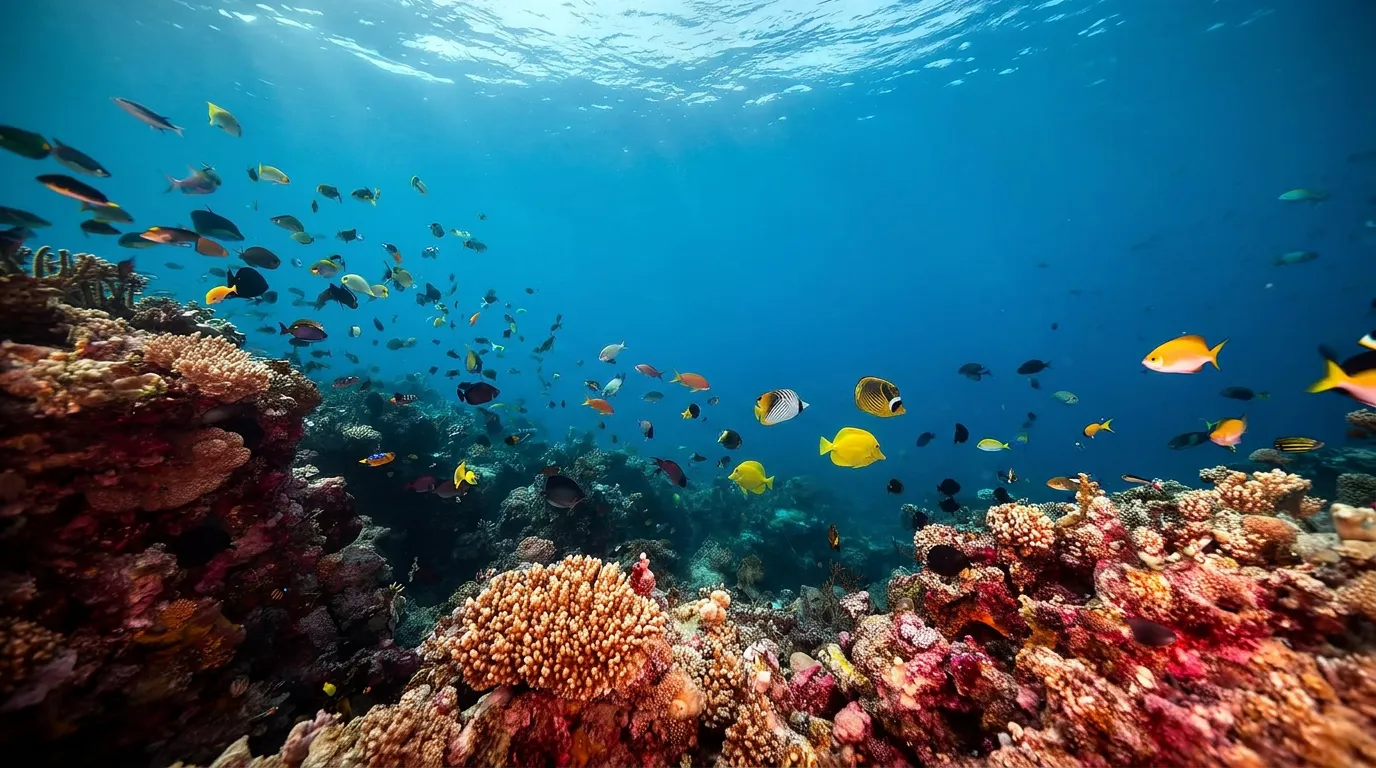
The isolated reefs of Saudi Arabia host an incredible density of marine life, headlined by major pelagic encounters. The remote Farasan Banks are a magnet for schooling scalloped hammerhead sharks, while whale sharks are a common sight near Al Lith between March and June. Manta rays, silky sharks, and vast schools of reef fish are also regularly seen, thriving in pristine coral gardens that have been protected from tourism for decades.

When to See What

Use this calendar as a guide: the highlighted months show when your chances are usually best. Wildlife follows its own rhythm, so sightings are never guaranteed — but we hope this makes planning a little easier. The seasonal rhythm of big animal encounters is a key feature of a Saudi liveaboard trip. The cooler months from October to April are peak season for sighting schools of hammerhead sharks, particularly in the remote Farasan Banks. As the waters warm in spring, from March through June, whale sharks frequently appear to feed in the plankton-rich currents.

Species
Jan
Feb
Mar
Apr
May
Jun
Jul
Aug
Sep
Oct
Nov
Dec
Great Hammerhead
Great Hammerhead
Reef Manta Ray
Reef Manta Ray
Whale Shark
Whale Shark
Sea Slug
Sea Slug
Cleaner Wrasse
Cleaner Wrasse
Longnose Hawkfish
Longnose Hawkfish
Map Puffer
Map Puffer
Needlefish
Needlefish
Pilotfish
Pilotfish
Porcupine Ray
Porcupine Ray
Queenfish
Queenfish
Rabbitfish
Rabbitfish
Remora
Remora
Sandbar Shark
Sandbar Shark
Sardine
Sardine
Peak Season
Present
Rare/Absent

Farasan Banks and Seven Sisters: the best dive sites in Saudi Arabia

Saudi Arabia's signature dive sites are remote and best explored by liveaboard. Expeditions from Jeddah venture to the far-southern Farasan Banks, a vast archipelago known for its virgin reefs, deep walls, and reliable shark encounters. Northern itineraries departing from Yanbu focus on the pristine Seven Sisters reef cluster, a labyrinth of untouched hard and soft corals. Reaching these offshore systems requires the range and self-sufficiency that only a liveaboard can provide.

1

Suflani Reef

Advanced
535m / 16115ftBest: March–September, October–May22.4184°, 38.6639°

Suflani Reef, located south of Yanbu, is distinguished by its fascinating geological formations within the reef wall. Divers encounter unique recesses and cavities at shallow depths, forming corridors that penetrate the reef structure. At specific times, sunlight streams through these cracks, creating stunning visual effects as it illuminates the interior of these underwater passages. This site is part of the larger Seven Sisters area, celebrated for its exceptionally healthy hard and soft coral formations. The topography here includes walls, plateaus, and rock formations, with overall depths in the region ranging from 5 to 35 meters. Suflani Reef itself features sections where you can enter these striking natural corridors, offering a truly distinctive diving experience. The marine ecosystem is robust, supporting a rich diversity of fish and invertebrates, typical of the pristine Saudi Red Sea. While larger pelagics like hammerheads are sighted in the broader Seven Sisters region, Suflani Reef's appeal lies in its intricate structure and the interplay of light and coral. The diving here is pristine and largely unspoiled due to low diver traffic, offering conditions reminiscent of the Red Sea's earlier days. Access to Suflani Reef is typically via liveaboard from Yanbu, as part of an itinerary that explores the Seven Sisters area. Dives often involve drift techniques due to mild to moderate currents, requiring careful attention to entry and exit procedures.

Sunlit reef corridors and cavitiesPristine hard and soft coralsDramatic reef wall recessesUnique geological formationsAbundant reef fish lifeLow diver trafficExceptional visibility
2

Cable Wreck

Intermediate
2424m / 7979ftBest: October–May, June–September22.3214°, 38.6279°

The Cable Wreck, also known as the Staphonos or Greek Staphonos, lies off Jeddah's coast in Saudi Arabia. This historic vessel sank in 1978, carrying construction materials such as steel beams, cables, and chain-link fences, which ultimately gave it its enduring name. The wreck site, located southwest of Jeddah near Abu Tair Island, is now a thriving artificial reef, home to a rich variety of marine life. The ship rests on the seafloor at approximately 24 meters, where natural light still penetrates, illuminating its cargo holds and allowing for easy navigation through its interior. This depth range and light penetration make it suitable for a broad spectrum of divers to explore. The wreck is significantly overgrown with corals, blending it seamlessly into the surrounding marine environment. Divers regularly encounter a vibrant ecosystem thriving around the wreck. Large schools of goatfish and blue-striped snappers are often seen congregating around the mast, while white-tip sharks and blue-spotted rays patrol the sandy areas nearby. Guitar sharks are also known to inhabit the vicinity of the bow, making it a dynamic dive experience. Access to the Cable Wreck is exclusively by boat from Jeddah, offering a dedicated wreck dive experience. On calm days, the site is generally accessible to all levels of divers, providing a comfortable and rewarding exploration. However, during periods of rougher seas, the conditions can become more challenging, making it better suited for experienced divers.

Historic Greek cargo wreckStaphonos vessel identityAmbiently lit cargo holdsCoral-covered steel beamsWhite-tip reef sharksBlue-spotted raysLarge schools of goatfishGuitar shark near bow
3
1524m / 4979ftBest: March–May, September–November22.2714°, 38.7499°

The Cable Wreck, originally known as the Staphonos, sank in 1978 near Jeddah while carrying a cargo of construction materials, including steel beams, cables, chain link fence, and asbestos sheets. These materials gave the wreck its current name. It rests on the seabed at a depth of 24 meters, with ambient light naturally illuminating its cargo holds, making it relatively easy for divers to swim through and explore. This wreck forms a substantial artificial reef, fostering a vibrant ecosystem. Its structure is heavily encrusted with corals and provides habitat for a diverse array of marine species. The clear Red Sea waters ensure good visibility, enhancing the exploration experience. Marine life around the Cable Wreck is abundant. You can frequently encounter a guitar shark near the bow and white-tip sharks patrolling along the reef ledge. Large schools of goatfish and blue-striped snappers are often found congregating around the mast. The wreck's accessibility and moderate depth make it suitable for a range of dive levels. On calm days, the wreck is greatly explored by divers of all experience levels, offering a relaxed and rewarding dive. However, during rougher conditions, the site becomes more challenging and is better suited for advanced divers due to potential currents or swell. It's a popular choice for day trips from Jeddah, providing a rich wreck diving experience.

Historic cargo wreckGuitar shark sightingsWhite-tip sharksSchools of goatfishEasy swim-throughsEncrypted with coralsAmbient light penetration
4

Cedar Pride

Beginner
927m / 3089ftBest: March–April, May–September22.4054°, 38.5809°

The Cedar Pride is a celebrated wreck dive located in the Gulf of Aqaba, Jordan, part of the Red Sea. This 1161-ton cargo vessel sustained extensive damage from a fire in 1982 while in the Gulf. In 1985, at the request of the King of Jordan, the ship was intentionally scuttled to create an artificial reef, quickly becoming one of the world's most beautiful wreck sites. It rests gracefully on its port side across a sandy bottom in a canyon between two limestone rocks, offering a unique and vibrant habitat for marine ecosystems. The wreck's depths range from 9 meters at its shallowest points to 27 meters at its deepest, making it accessible for a wide range of divers. Its structure is now beautifully colonized by a variety of hard and soft corals, providing a stunning backdrop for the numerous fish species that call it home. The deck and superstructure are particularly rich in life, with the crow's nest standing out against the clear blue water, completely covered in soft corals. Marine life at the Cedar Pride includes schools of fish, moray eels, shrimps, pipefish, and soft coral crabs, making it a dynamic underwater environment. It is easily reachable from either shore or by boat, making it a convenient and essential dive for visitors to Aqaba. The wreck's clear waters and abundant life also make it a prime location for underwater photography, capturing the blend of history and thriving marine biodiversity.

Purposefully sunk cargo wreckVibrant coral colonizationAbundant marine crittersAccessible from shore or boatIconic Aqaba dive siteRich photography subjectsDeck and superstructure explorationCrow's nest with soft corals

Bucket-list dives worth booking early

Diving in Saudi Arabia is an experience of pure discovery, offering the chance to be among the first to explore its virgin reefs. The ultimate bucket-list moments include witnessing schools of hammerhead sharks in the remote Farasan Banks and swimming alongside whale sharks during their spring aggregation near Al Lith. Exploring the perfectly preserved Ann Ann wreck or simply drifting over vast, untouched coral gardens completes this unique expedition.

Underwater view of the dive site Pristine Red Sea Reefs in Saudi Arabia
1
Year-round

NEOM Coast

Discover Saudi Arabia's untouched Red Sea coastline, where virgin coral reefs and massive fish populations thrive without the pressure of mass tourism.

Read more
Underwater view of the dive site Whale Shark Encounters in Saudi Arabia
2
March – June

Al Lith

Swim with whale sharks in the warm Red Sea waters off Saudi Arabia's western coast, where these gentle giants feed on plankton-rich currents.

Read more
Underwater view of the dive site Historic Shipwrecks in Saudi Arabia
3
Year-round

Yanbu

Explore centuries of maritime history through ancient and modern shipwrecks scattered along Saudi Arabia's Red Sea coast, now thriving artificial reefs.

Read more

Above water: climate, shore trips and extra costs

Before or after your dive trip, Saudi Arabia offers extraordinary land-based adventures that reveal its deep history and dramatic landscapes. You can wander through the UNESCO-listed old town of Jeddah (Al-Balad) with its coral-stone houses right by the port. For a longer excursion, explore the ancient Nabataean tombs of Hegra, another UNESCO World Heritage site, or embark on a desert safari to experience traditional Bedouin hospitality.

Historic Jeddah (Al-Balad)

Historic Jeddah (Al-Balad)

Explore the UNESCO-listed old town of Jeddah with its ornate coral stone buildings, souks, and centuries-old trading heritage.

Desert Safari

Desert Safari

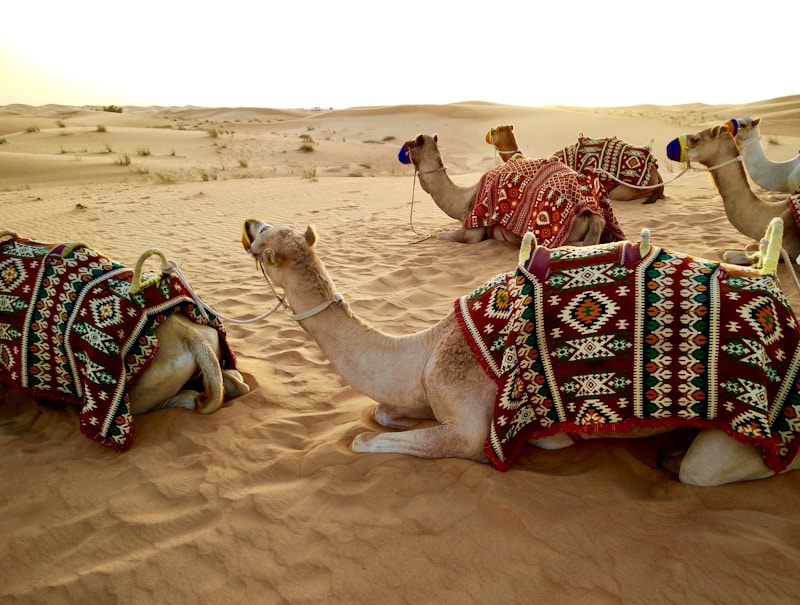
Experience the Arabian desert with dune bashing, camel rides, and traditional Bedouin hospitality under the stars.

NEOM Red Sea Coastline

NEOM Red Sea Coastline

Visit the emerging mega-project coastline with pristine beaches and dramatic mountain-meets-sea landscapes.

Farasan Islands Nature Reserve

Farasan Islands Nature Reserve

A protected archipelago with white sand beaches, mangrove forests, gazelles, and the largest osprey colony in the Red Sea.

What a liveaboard in Saudi Arabia costs

The calendar below shows how liveaboard prices shift month by month, so you can see exactly when your money goes furthest. We want every diver to get the best possible value, which is why we highlight the seasons that balance great conditions with the fairest rates.

As a new and exclusive frontier, Saudi Arabia is a premium liveaboard destination with prices reflecting the expeditionary nature of the trips. The cost is driven by the small number of high-quality vessels operating and the exclusivity of accessing untouched, remote regions like the Farasan Banks. Prices vary depending on the vessel, from well-equipped boats offering excellent value to premium luxury yachts with top-end amenities.

$200–$400

per day liveaboard

$80–$150

per 2-tank dive trip

$80–$300

hotel per night

Prices reflect typical costs for mid-range to premium options. Budget alternatives may be available.

Getting to Jeddah and Yanbu: flights and transfers

Accessing your Saudi Arabia liveaboard typically begins with an international flight into King Abdulaziz International Airport (JED) in Jeddah, the primary gateway. For northern itineraries, Prince Mohammad bin Abdulaziz Airport (MED) in Medina is a viable alternative for reaching the Yanbu departure port. Most nationalities can easily obtain a tourist e-visa online before traveling, and transfers from the airport to the marinas in Jeddah or Yanbu are arranged by operators.

Insider tips

🤿

Book through local Saudi dive operators for competitive rates

🤿

Combine diving with cultural visits to maximize your trip

🤿

Shore diving in Jeddah is very affordable

🏨

Visit during shoulder season for better hotel rates

💡

Consider Yanbu as a less crowded alternative to Jeddah

🎯

Group bookings offer significant discounts

Getting there

King Abdulaziz International Airport

JeddahJED

Main gateway for Red Sea diving with international flights from worldwide

Prince Mohammad bin Abdulaziz Airport

MedinaMED

Alternative for northern Red Sea sites including Yanbu

Prince Sultan bin Abdulaziz Airport

TabukTUU

Gateway for NEOM and northern coastal dive areas

Entry requirements

Tourist e-visa available online for citizens of 49+ countries. Valid for one year with multiple entries, stays up to 90 days. Passport must be valid for 6 months.

This information is provided without guarantee. Please visit the official website for the latest entry requirements.

Official Immigration Information →

Frequently asked questions about liveaboards in Saudi Arabia

When is the best time to dive in Saudi Arabia?
Diving conditions in Saudi Arabia change throughout the year. Check our month-by-month best-time-to-dive guides to plan around peak visibility, weather and marine life encounters.
Do I need a liveaboard to dive in Saudi Arabia?
A liveaboard gives you access to remote dive sites in Saudi Arabia that day boats cannot reach, plus 3–5 dives per day in maximum comfort. For the best dives in Saudi Arabia, a liveaboard is the recommended choice.
What certification do I need to dive in Saudi Arabia?
Most Saudi Arabia liveaboards require Open Water as a minimum, with Advanced Open Water and 30+ logged dives recommended for currents and deeper sites. Some expert routes require Tech or 100+ dives.
How much does a Saudi Arabia liveaboard cost?
Liveaboard prices in Saudi Arabia typically range from €1,500 to €6,000+ per week depending on vessel category, route length and season. Browse the boats below for live pricing.
Do I need a visa for Saudi Arabia?
Visa requirements vary by your nationality. Always check the latest entry rules with the destination's official government source before booking flights.
Is diving in Saudi Arabia safe for beginners?
Many Saudi Arabia sites are beginner-friendly, but some routes feature strong currents or deep walls suited only to experienced divers. Check each vessel's recommended experience level.

Saudi Arabia compared with other liveaboard destinations

Honest, in-depth comparisons to help you decide between destinations, certifications, equipment and dive styles.

Red Sea Rivals: Egypt vs. Saudi Arabia Liveaboard Diving

The Red Sea is renowned globally for its vibrant coral reefs, abundant marine life, and historical wreck diving. For decades, Egypt has been the undisputed king of Red Sea liveaboard adventures, offering established infrastructure, diverse itineraries, and accessibility for divers of all levels. Its iconic sites like Ras Mohammed, the Thistlegorm, and the Brothers Islands draw hundreds of thousands of divers annually. However, a new contender has emerged: Saudi Arabia. With its ambitious Vision 2030, the Kingdom is rapidly opening its pristine Red Sea coastline to tourism, promising untouched reefs, unique endemic species, and a sense of pioneering exploration. While still in its nascent stages, Saudi Arabia's dive offerings are quickly gaining attention, particularly for those seeking an off-the-beaten-path experience away from crowded dive sites. This comparison aims to provide a factual, side-by-side analysis of these two Red Sea giants from a liveaboard diving perspective. We'll delve into key aspects such as marine life, best seasons, trip costs, experience levels, and logistical considerations to help you decide which destination best suits your next underwater adventure.

Read comparison

Liveaboard vs Land-Based Diving: Which Trip Is Right for You?

Choosing between a liveaboard and a land-based dive trip is the most fundamental decision divers face when planning a serious diving holiday. The right answer depends on your priorities: maximum dive count and access to remote sites favor liveaboards; beach time, family flexibility and lower cost favor land-based resorts. Both formats have evolved significantly in the last decade, and the line between them has blurred — luxury dive resorts now offer multi-day expedition trips, while many liveaboards include topside excursions and even spa days. This guide compares the two formats across every meaningful dimension: cost per day, dives per day, marine life access, comfort, social dynamics, family-friendliness, and travel logistics. We'll also cover the hybrid models (resort + day-charter, or 'safari boat' itineraries) that try to capture the best of both worlds. If you're certified, in love with diving and want to maximize bottom time, a liveaboard is almost always the better choice — you can clock 25+ dives in a week and reach sites no day boat can. If you're traveling with non-divers, prefer land-based comfort, or want flexibility to take days off, a resort wins. We'll get into all the nuances below.

Read comparison

Saudi Arabia vs. Maldives Liveaboard: Your Next Dive Adventure

Choosing your next liveaboard destination can be a thrilling yet challenging task, especially when comparing two vastly different, yet equally enticing, Red Sea and Indian Ocean powerhouses: Saudi Arabia and the Maldives. Both offer unparalleled underwater experiences, but cater to distinct preferences and diving styles. Saudi Arabia, a relative newcomer to the international dive scene, is rapidly gaining recognition for its pristine, unexplored reefs, dramatic topography, and unique historical wrecks. Its Red Sea coastline promises untouched marine ecosystems, often with fewer divers, offering a sense of pioneering discovery. Expect vibrant soft corals, large pelagic encounters, and a chance to dive sites rarely seen by others. The Maldives, on the other hand, is a well-established dive mecca, renowned for its luxurious liveaboard offerings, predictable pelagic action, and breathtaking atoll diving. Its warm, clear waters are a playground for manta rays, whale sharks, and an abundance of reef fish. While more frequented, the sheer scale of its dive sites ensures incredible experiences. This comparison will help you navigate the nuances of each destination to find your perfect liveaboard match.

Read comparison
Plan your trip

Ready to dive?

Explore our expedition vessels and find your perfect trip to Saudi Arabia

4.9971 Reviews