Conditions in March
March in the Saudi Arabian Red Sea ushers in a truly spectacular period for diving, marking the sweet spot between the cooler winter months and the hotter summer. Long-term average sea temperatures in March: about 26 °C (78 °F) around Jeddah (central Red Sea). The sea state generally remains calm and inviting, with minimal swells, especially in the more sheltered northern and central Red Sea regions. This translates to smooth sailing on your liveaboard and easy entries and exits from the water, even for those prone to seasickness.
This means a 3mm or 5mm wetsuit will be perfect for most divers, providing ample warmth without restricting your movement. Visibility is often excellent, with clear waters offering expansive views. This unparalleled clarity transforms the vibrant coral gardens and dramatic wall dives into an almost surreal experience, allowing you to absorb every detail of the bustling marine ecosystem. While some deeper sites might experience mild thermoclines, they are generally not significant enough to impact your overall enjoyment.
Currents in March are typically moderate, which is ideal for drift diving and attracting larger pelagic species without being overly challenging. You’ll experience gentle to moderate currents that can guide you along stunning coral walls, offering a dynamic and exhilarating dive experience. However, always be prepared for occasional stronger currents at specific sites, particularly around exposed pinnacles or channels, which can add an exciting element for experienced divers. Your liveaboard crew will always provide detailed briefings on current conditions and dive plans.
What you will see
March is an exceptional month for pelagic encounters in the Saudi Arabian Red Sea. The slightly cooler water temperatures, compared to summer, draw in a breathtaking array of larger marine life. Sightings of oceanic whitetip sharks are sometimes possible in the deep blue, including around offshore reefs like the Five Corals, though they are never guaranteed. Hammerhead sharks are also a real possibility, often seen in schools at deeper depths, particularly in the northern regions. Reef sharks, including grey reef sharks and white-tip reef sharks, are abundant and commonly found circling cleaning stations or resting in sandy channels.
The nutrient-rich waters during this time of year attract not only sharks but also impressive manta rays. While not an everyday guarantee, your chances of encountering these majestic creatures feeding or visiting cleaning stations are significantly higher in March. Keep your eyes peeled for powerful barracuda schooling in vast formations and impressive tuna and kingfish streaking through the water. For macro enthusiasts, March also offers a bounty of smaller wonders. Nudibranchs, often brightly colored and intricately patterned, are prolific on the reefs, along with a multitude of colorful reef fish, flamboyant anemonefish, and elusive moray eels peeking from their rocky crevices.
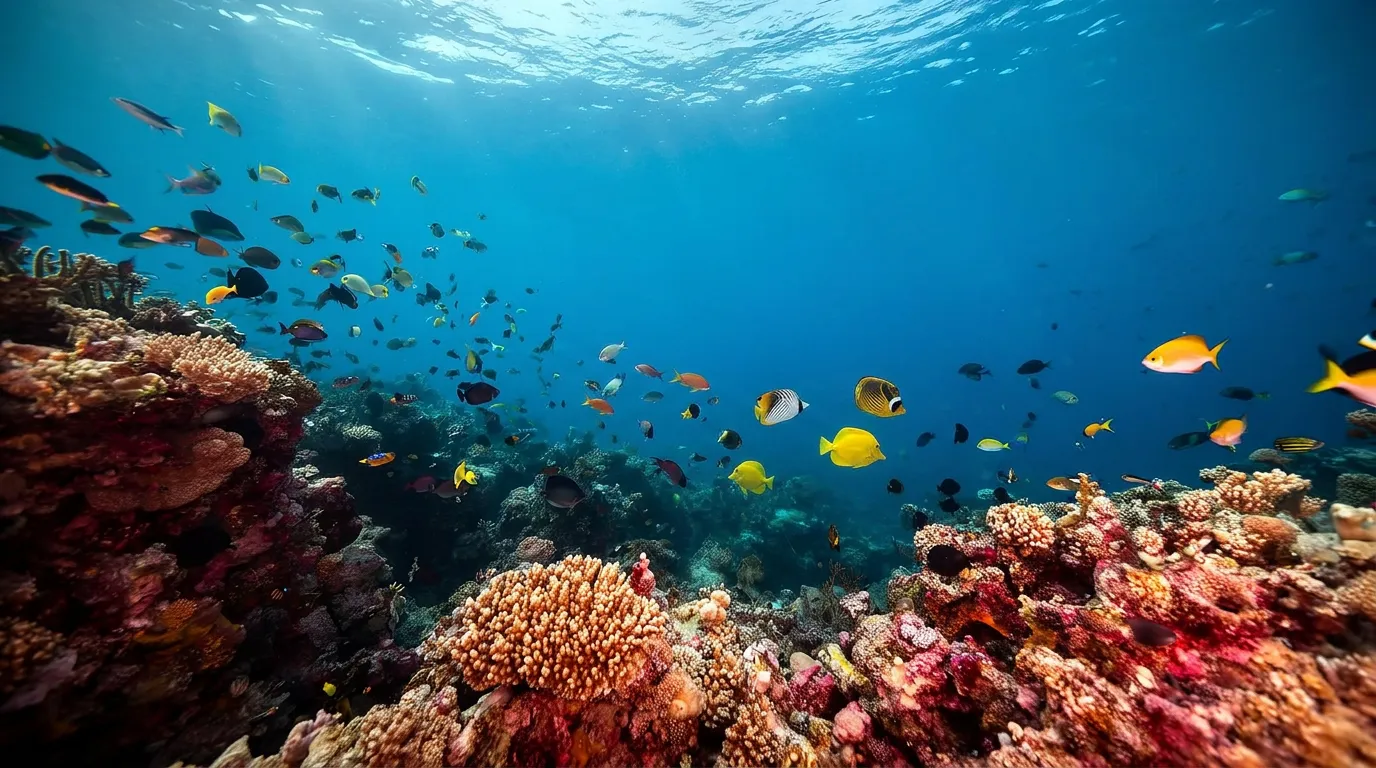
Beyond the individual species, you'll witness the Red Sea's coral reefs in their full splendor. The hard and soft corals are vibrant and healthy, teeming with life. March is also a great time to observe schooling fish, with massive aggregations of fusiliers, snappers, and groupers around the reefs, creating dynamic and ever-changing underwater landscapes. The visibility truly allows you to appreciate the sheer scale and diversity of the ecosystem, whether you're scanning the blue for a majestic whale shark (though less common than other pelagics, it's never out of the question) or meticulously exploring the intricate details of a coral head.
Top dive sites this month
For an unforgettable March diving experience, you absolutely must explore the Five Corals. This spectacular site, located within the Saudi Red Sea, is renowned for its vibrant reefs and frequent pelagic encounters. In March, divers may encounter hammerheads, and spotting oceanic whitetip sharks is always possible, making every dive an exciting adventure. The pristine coral gardens here are bursting with life, providing a stunning backdrop to the dramatic underwater topography. Another must-visit is the Seven Sisters, a series of intricately connected reefs offering diverse marine life and dramatic swim-throughs. The clear waters of March reveal the full beauty of these sites, from schooling barracuda to abundant reef fish.
Further south, the remote and largely untouched reefs around the Farasan Banks truly come alive in March. This sprawling area is a haven for biodiversity, boasting healthy, expansive coral systems and incredible opportunities for encountering larger marine species. The currents here can be more pronounced, making it an exhilarating drift dive experience, often rewarding divers with sightings of various shark species and potentially manta rays. Additionally, sites like Shi'b Ammar offer a unique combination of lush coral formations, captivating wall dives, and a good chance for encounters with reef sharks and powerful hunting fish, all benefiting from the excellent visibility and comfortable conditions prevalent in March.
Practical tips for your trip
The right wetsuit depends on the water temperature at your sites, how many dives you do and how easily you get cold, so ask your operator what guests usually wear. If you tend to get colder or plan on multiple deeper dives, a 5mm full suit might offer extra comfort. This month is incredibly versatile, suiting both beginners and advanced divers. The generally calm conditions and excellent visibility make it friendly for those new to liveaboards or drift diving, while the potential for challenging currents at specific sites and the prevalence of pelagics offer excitement for seasoned divers. Liveaboard availability, especially on popular routes, can start to tighten in March as it's considered a prime diving season, so booking well in advance is highly recommended to secure your preferred vessel and itinerary. Blue Rides offers a curated selection of premium liveaboards for this region.
When packing for your trip, remember to bring reef-safe sunscreen, a wide-brimmed hat, and sunglasses for surface protection, even with the pleasant air temperatures. A light jacket or hoodie will be comfortable for evenings on the liveaboard. Given the excellent photographic opportunities, don't forget your underwater camera gear, extra batteries, and sufficient storage. It's also wise to bring any personal medications, a spare mask strap, and a small personal first aid kit. Be aware that internet connectivity can be intermittent or limited on some liveaboards in remote areas of the Saudi Red Sea, so embrace the opportunity to disconnect and immerse yourself fully in the diving experience. All customs and cultural guidelines in Saudi Arabia should be respected, your liveaboard operator will provide specific advice on this.
Regional notes
Each note applies only to the named region, not to the whole country.
- Jeddah (central Red Sea): Average sea temperature 25.7 °C (78 °F)