Conditions in March
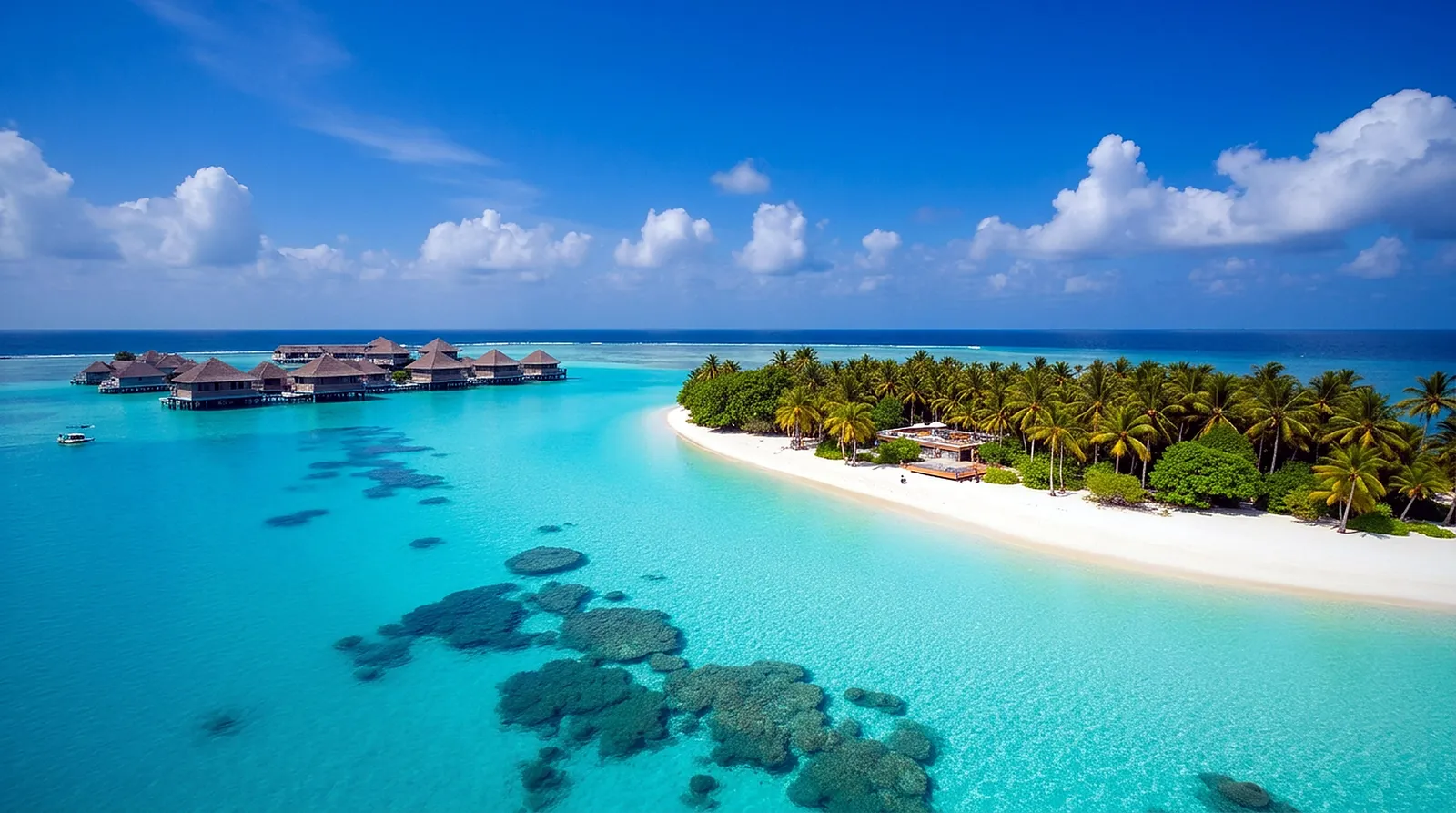
So, you’re thinking about diving the Maldives in March? Excellent choice! This month typically marks the transition from the dry season to the southwest monsoon, but don't let that sound daunting. March often blesses divers with a sweet spot of conditions across the atolls, particularly in the central and southern regions. You'll generally find the northeast monsoon still holding its sway for much of the month, which means calmer seas and fantastic visibility.
Expect water temperatures to be delightfully warm, usually hovering around 28-30°C (82-86°F), perfect for extended bottom times without needing a thick wetsuit. Visibility can be truly phenomenal, often exceeding 25-30 meters (80-100 feet), allowing you to take in the vastness of the reefs and the schools of fish from a distance. While the winds might start to pick up slightly towards the end of the month as the monsoons shift, overall, you'll experience a generally smooth ride, making for comfortable cruising on your liveaboard.
Currents, as always in the Maldives, are a defining feature. They’re what bring the nutrients and, consequently, the big pelagic action. In March, you can expect moderate to strong currents, especially in channels and straits. This is fantastic for drift diving and seeing the larger congregations of marine life. Your experienced dive guides will be adept at reading these currents, ensuring you're dropped in the right spot to enjoy the ride and maximize your sightings. Embrace the drift, it's half the fun!
What you will see
March in the Maldives is prime time for pelagic encounters, making it an incredibly exciting month for divers. You'll be spending a lot of time gazing into the blue, and for good reason! This period is renowned for consistent mantra ray sightings, particularly in cleaning stations and feeding grounds. While Hanifaru Bay's plankton blooms are more pronounced in the southwest monsoon (around June to October), you can still find plenty of manta action in other atolls. Keep your eyes peeled at sites known for their cleaning opportunities.
Sharks are a year-round highlight in the Maldives, and March is no exception. Expect to see blacktip, whitetip, and grey reef sharks cruising the channels. If you're heading south to Fuvahmulah, a March visit significantly increases your chances of encountering oceanic whitetips, thresher sharks, tiger sharks, and even hammerheads – it’s a truly epic destination for shark enthusiasts. The nutrient-rich waters attract these apex predators, offering some of the most thrilling shark diving experiences on the planet.
Beyond the big stuff, the vibrant reef life is always a spectacle. Schools of fusiliers, snappers, and trevallies can be found in abundance. You'll also spot the usual suspects like moray eels, octopus, and a rainbow of reef fish. While the Maldives isn't typically celebrated as a macro destination like some other parts of Asia, a keen eye will still spot nudibranchs, gobies, and other fascinating smaller creatures hidden among the corals. However, the real magnetism of March diving here lies firmly in the open ocean and channel encounters.
Top dive sites this month
For incredible pelagic action in March, you absolutely can’t miss Fuvahmulah. This unique oceanic island in the south is a hotspot for large pelagics, with high chances of encountering tiger sharks, thresher sharks, oceanic whitetips, and even hammerheads. Its deep drop-offs and currents create the perfect environment for these majestic creatures. A liveaboard specializing in the Southern Atolls route is recommended to make the most of this world-class destination.
In the central atolls, drift diving through channels like those around Maaya Thila in North Ari Atoll remains fantastic. While Maaya Thila is famous for its night dives, by day it's a bustling hub for reef sharks, jacks, and barracuda. Keep an eye out for mantas and whale sharks in the South Ari Atoll too, particularly around Dhigurah island, where sightings can be consistent throughout the year, including March. The Rasdhoo Atoll, with sites like Hammerhead Point, also offers good prospects for hammerhead sharks in the early morning hours if conditions align.
Practical tips for your trip
Given the balmy water temperatures of 28-30°C (82-86°F), a 3mm shorty or even just a rash guard will be sufficient for most divers. If you tend to get cold easily or plan on multiple dives a day, a full 3mm wetsuit would be an excellent choice to provide that extra bit of thermal protection during extended dives or repetitive exposure. Don't forget a reef-safe sunscreen, a hat, and sunglasses for surface intervals!
March is an ideal month for both beginner and advanced divers. Novices will appreciate the generally calm surface conditions and excellent visibility, while experienced divers will revel in the strong currents and rich pelagic life. Liveaboard availability tends to be good in March, as it’s still considered prime season before the official monsoon shift. However, booking in advance, especially for popular itineraries heading south to Fuvahmulah or specialized manta routes, is always a smart move to secure your preferred boat. Always pack light, quick-drying clothing, and of course, your essential personal dive gear. Be aware that currents can be strong, so good buoyancy control is key, and consider bringing a reef hook for some sites, though your guide will advise on specific usage.
Year-round overview for the Maldives
Frequently asked questions
Is March a good month to dive in the Maldives?
What can you see diving in the Maldives in March?
Should I book a the Maldives liveaboard for March or wait?
Find a liveaboard for March
Compare available the Maldives liveaboards departing in March.
Search and Book