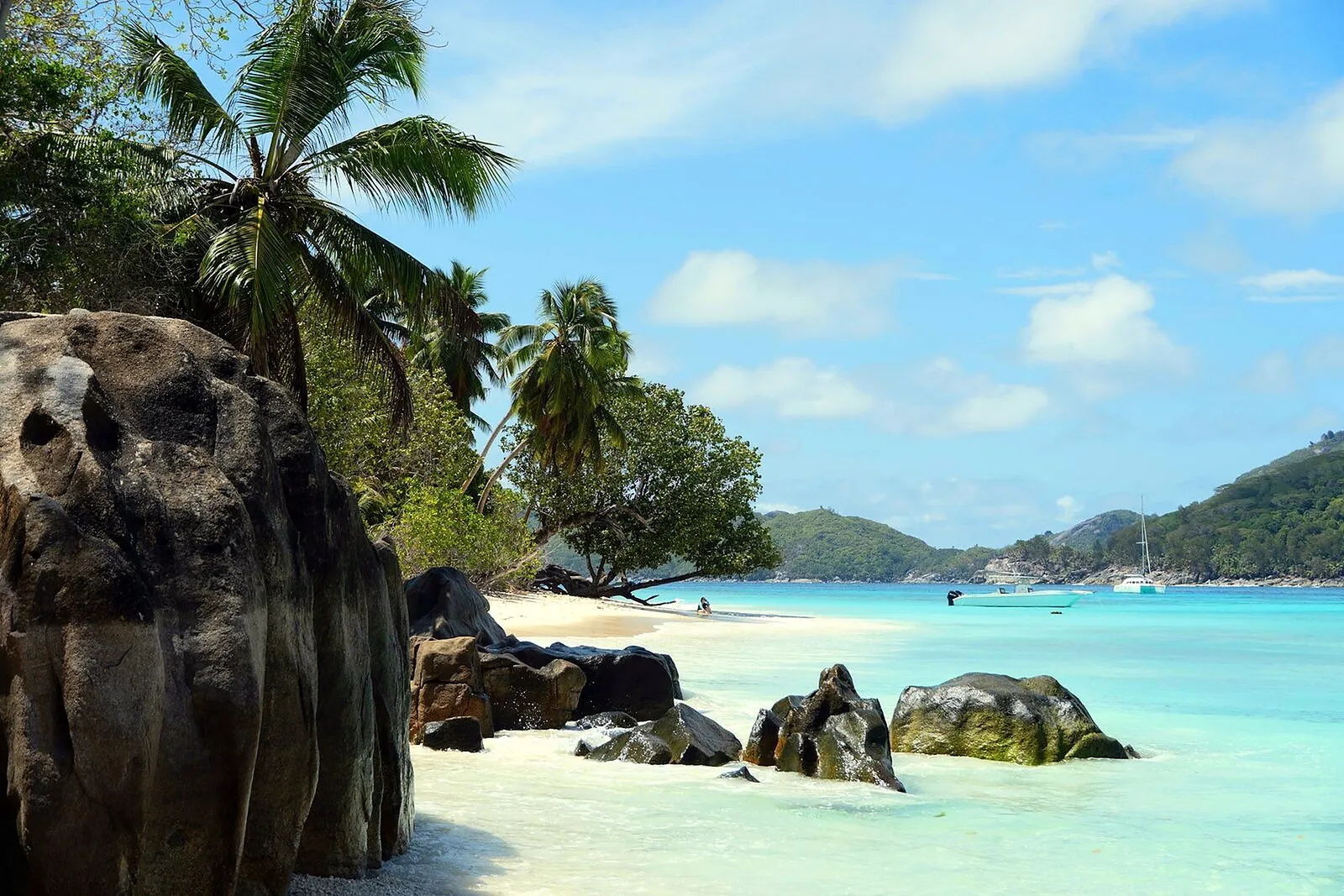
Conditions in March
If you're dreaming of an underwater escape to the Seychelles, March is a truly exceptional time to visit. This month marks the tail end of the northwest monsoon, a transitional period that blesses these paradisiacal islands with some of the year's most agreeable diving conditions. You'll find the weather ashore to be warm and sunny, with relatively calm seas across the inner islands. While occasional, short-lived tropical showers aren't unheard of, they typically pass quickly, leaving brilliant sunshine in their wake. The lack of strong winds means surface conditions are generally placid, making boat journeys between dive sites a comfortable affair and entry/exit from the water a breeze.
Underwater, March offers a delightful experience. Water temperatures are consistently warm, hovering comfortably between 28°C and 30°C (82°F–86°F), making longer dives a pleasure without feeling the chill. Visibility during this period is exceptional, often extending beyond 25 meters, and frequently reaching a stunning 30 meters or more. This crystal-clear water allows for breathtaking panoramic views of the vibrant coral gardens and the marine life that calls them home. Currents are typically mild to moderate around most dive sites, especially within the inner granitic islands' sheltered areas. However, as with any dynamic ocean environment, you might encounter stronger drifts on exposed outer reefs or during tidal changes, so always pay attention to your dive guide’s briefings.
What you will see
March in the Seychelles marine realm is a spectacle of life, promising a diverse array of encounters. With the warmer, clearer waters, reef fish are particularly active, flitting amongst the corals in a kaleidoscopic display. You'll regularly spot schools of snapper, fusiliers, bannerfish, and butterflyfish. Look closer and you'll find an abundance of macro life too, with nudibranchs, crabs, and shrimps tucked away in crevices and on soft corals. Keep an eye out for colourful moray eels peeking from their rocky hideaways. The healthy coral ecosystems, ranging from intricate hard coral gardens to swaying soft coral formations, provide the perfect backdrop for these vibrant communities.
For those seeking larger thrills, March is also a prime time for pelagic encounters. The conditions are favourable for spotting reef sharks – typically white-tip and grey reef sharks – patrolling the deeper slopes and outer reefs. Eagle rays and stingrays are frequently seen gliding gracefully over sandy bottoms and along reef edges. What truly sets March apart is its excellent potential for manta ray sightings. While not guaranteed, the transitional period often brings plankton blooms that attract these majestic creatures to cleaning stations and feeding grounds. You might also be incredibly lucky to encounter whale sharks, as their migratory season sometimes extends into March, particularly around the outer islands. Turtles, including green and hawksbill species, are a common sight on almost every dive, often found resting on ledges or munching on sponges.
Top dive sites this month
Given the excellent conditions, March opens up a wide array of dive sites in the Seychelles. For thrilling encounters and vibrant reef life, the sites around the inner granitic islands are exceptional. Ennerdale Wreck, off Mahé, is a must-dive. This British tanker, sunk in 1970, lies at around 30 meters and is now an astounding artificial reef teeming with life – from schooling barracuda and snappers to impressive groupers and the occasional reef shark. The clear March waters make exploring its superstructure and photographic opportunities simply fantastic.
Another stellar choice for March is Brissare Rocks, located off the eastern coast of Mahé. This site features granitic boulders creating dramatic swim-throughs and canyons, attracting a rich diversity of fish life. You'll often encounter large schools of fusiliers, snappers, and even larger pelagics passing by in the bluewater. The sheltered nature of many sites around Praslin and La Digue also shine in March. For example, sites like Ave Maria or Sister Rocks offer beautiful coral gardens, numerous turtles, and a high chance of spotting reef sharks and eagle rays meandering through the stunning scenery. The generally calm conditions mean you can comfortably access these gems, enjoying extended bottom time and soaking in the Seychellois underwater magic.
Practical tips for your trip
For diving in March's warm waters, a 3mm shorty wetsuit or even just a rash guard and board shorts will be more than sufficient to keep you comfortable. Some divers might prefer a full 3mm suit for sun protection or if they tend to get cold easily after multiple dives, but anything thicker will likely be overkill. This month is absolutely perfect for divers of all experience levels. The generally calm seas, excellent visibility, and mild currents make it very beginner-friendly, while the potential for extraordinary pelagic encounters and diverse reef life keeps even the most seasoned divers captivated. Liveaboard availability for March is good, as it's just heading into the peak season, but booking in advance is still highly recommended to secure your preferred vessel and itinerary with us at Blue Rides.
When packing, remember to bring reef-safe sunscreen, a wide-brimmed hat, and insect repellent for evenings on shore (though largely unnecessary on a liveaboard). A good quality underwater camera is a must for capturing the incredible sights – the visibility truly lends itself to stunning photography. You'll also want some comfortable light clothing for relaxing on deck or exploring the islands between dives. Be aware that while local currency is Seychellois Rupee (SCR), major resorts and liveaboards often accept Euros or USD for larger payments, but it's always good to have some local cash for smaller purchases or tips. Finally, remember to bring any personal medications and a sense of adventure – the Seychelles in March is ready to deliver an unforgettable dive holiday!
Year-round overview for the Seychelles
Frequently asked questions
Is March a good month to dive in the Seychelles?
What can you see diving in the Seychelles in March?
Should I book a the Seychelles liveaboard for March or wait?
Find a liveaboard for March
Compare available the Seychelles liveaboards departing in March.
Search and Book