Conditions in March
You're thinking about a dive trip to Djibouti in March, and that’s a fantastic call. March marks a sweet spot, right at the tail end of the prime whale shark season but still offering superb diving conditions before the hotter months really kick in. The weather ashore is generally warm and pleasant, not yet reaching the intense heat that can make land excursions a bit challenging later in the year. Expect daytime air temperatures to hover around 28-32°C (82-90°F), with cooling breezes that help manage the heat.
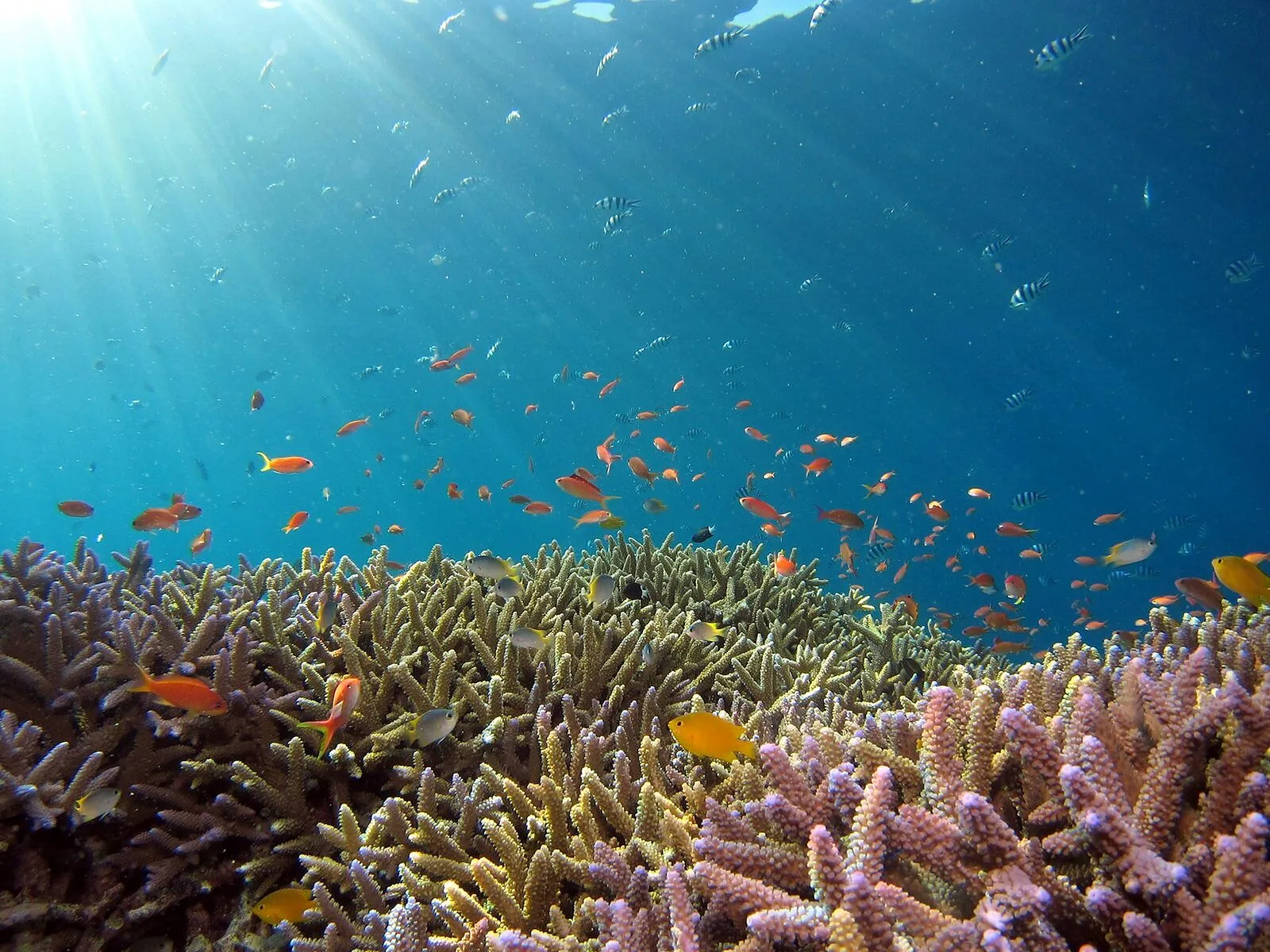
Below the surface, you'll find the Red Sea’s famous clarity. Visibility in March is typically excellent, often ranging from 15 to 30 meters, and sometimes even more depending on the specific site and currents. This crystal-clear water provides perfect conditions for spotting distant pelagics and appreciating the vibrant reef ecosystems. Water temperatures are incredibly comfortable for diving, usually sitting between 26-28°C (79-82°F). This means you won’t be shivering, even on longer dives.
Currents can vary from mild to moderate, especially in areas known for attracting larger marine life. While some sites might experience stronger currents due to tidal flows or geological features, a good liveaboard crew will always choose the best and safest drift dives for you, making the most of these natural phenomena to bring you closer to the action. Overall, March offers a stable and inviting environment for divers of all levels, balancing fantastic conditions with the lingering chances of some truly special encounters.
What you will see
March in Djibouti is perhaps most famous for offering you a last, glorious chance to encounter juvenile whale sharks at the Gulf of Tadjoura. While the peak season for these gentle giants runs from November to February, March often still delivers fantastic sightings. These young whale sharks, typically ranging from 3 to 7 meters, congregate in the nutrient-rich waters near the Bay of Ghoubbet, feasting on plankton blooms. This presents an incredible opportunity for you to snorkel and sometimes even dive alongside them, creating unforgettable memories.
Beyond the majestic whale sharks, Djibouti's reefs are teeming with life. Keep your eyes peeled for a variety of sharks; you might spot white-tip reef sharks patrolling the outer reefs, and occasionally grey reef sharks or even silvertips passing through. The healthy coral gardens are home to an impressive array of reef fish, from schooling fusiliers and snapper to vibrant angelfish, butterflyfish, and parrotfish. Macro enthusiasts won't be disappointed either. While not as famous for macro as some Southeast Asian destinations, you can still discover nudibranchs, colorful flatworms, and various crustaceans hiding among the corals.
Pelagic encounters aren't limited to whale sharks. You should also watch out for schools of barracuda, trevally, and tuna hunting in the blue. For those with a keen eye, manta rays occasionally glide by, especially around cleaning stations, adding another layer of excitement to your dives. The unique volcanic topography underwater, with dramatic drop-offs and lava formations, creates perfect habitats for this diverse marine community, making every dive an adventure.
Top dive sites this month
For whale shark encounters in March, the numero uno spot remains the Bay of Ghoubbet. This deep, enclosed bay, almost a caldera, is where the juvenile whale sharks often aggregate thanks to its unique plankton-rich conditions. Your liveaboard will spend significant time here, maximizing your chances of snorkeling and diving with these incredible creatures. While not a traditional reef dive site, being in the water with a whale shark is an experience that transcends typical diving.
Adjacent to the Bay of Ghoubbet, you’ll find the stunning Seven Brothers Islands (Sawabi). This volcanic archipelago is a true highlight of Djiboutian diving and is fantastic in March. Sites like "The Canyon" and "Ras Eiro" offer dramatic underwater topography, vibrant hard and soft coral gardens, and consistent currents that attract larger marine life. Here you can expect to see schools of pelagic fish, various reef sharks, and a thriving reef ecosystem. The pristine conditions around these islands make them a must-visit.
Another excellent area to explore is the Mousha Island and Maskali Islands Marine National Park. Sites like "The Plateau" or "Aquarium" offer shallower, sheltered dives perfect for enjoying colorful reef fish and healthy corals. These areas are also great for night dives, where you might spot sleeping parrotfish, hunting moray eels, and active crustaceans. While the Seven Brothers typically promise more big fish action, the islands around Mousha offer charming reef dives with plenty to see for every diver.
Practical tips for your trip
Given the comfortable water temperatures of 26-28°C (79-82°F) in March, you'll be perfectly fine with a 3mm shorty or a full 3mm wetsuit. Some divers might even be comfortable in just a rash guard, especially if you're doing shorter dives. However, for multiple dives a day or longer durations, a 3mm full suit will provide good protection and warmth without being restrictive. Don't forget your reef-safe sunscreen, a hat, and polarized sunglasses for surface intervals!
March diving in Djibouti suits a wide range of divers. If you’re a beginner, the excellent visibility, warm water, and usually moderate currents make it a very accessible destination. For advanced divers, the opportunity for strong drift dives and deeper exploration, especially around the Seven Brothers Islands, offers plenty of excitement. The primary focus on whale shark encounters through snorkeling also means non-diving companions can enjoy a significant part of the experience. Liveaboard availability in March is generally good, but since it's still within the prime season, booking well in advance is highly recommended to secure your preferred dates and boat. Most itineraries focus on the Gulf of Tadjoura and the Seven Brothers.
Beyond your diving gear, remember to pack light, breathable clothing for life on board. You'll also want to bring any personal medications, a good camera (underwater, of course!), and perhaps a good book or two for downtime. Be aware that internet connectivity can be limited or nonexistent once you're out at sea, so embrace the digital detox! Finally, while tipping is customary and appreciated, inquire with your liveaboard operator about appropriate amounts and practices. Get ready for an incredible adventure; Djibouti in March is truly special.
Year-round overview for Djibouti
Frequently asked questions
Is March a good month to dive in Djibouti?
What can you see diving in Djibouti in March?
Should I book a Djibouti liveaboard for March or wait?
Find a liveaboard for March
Compare available Djibouti liveaboards departing in March.
Search and Book