Conditions in April
So, you’re thinking about diving in Djibouti in April? Excellent choice! While some might gravitate towards other destinations, April in Djibouti offers a really unique and rewarding experience. Let's talk conditions. Weather-wise, you’re looking at continued warmth, but the stifling heat of summer hasn’t quite descended yet. In April, historical mean daily air-temperature minima and maxima at Djibouti airport (Gulf of Tadjoura) are 25.3–32 °C (78–90 °F) (1961–1990). These are coastal station averages, not offshore forecasts. Humidity starts to climb a little, but it’s still comfortable for liveaboard life.
The sea state around the Gulf of Tadjoura and the broader Djibouti coastline in April is generally calm to moderate. We’re past the stronger winds of the earlier part of the year, and the truly flat, glassy conditions of peak summer are still a little way off. This means smooth sailing between dive sites and comfortable entries and exits from the water. Long-term average sea temperatures in April: about 28 °C (83 °F) around Djibouti City (Gulf of Tadjoura). You’ll be in your element, believe me. Visibility is usually good to excellent, sometimes reaching well into open water on a clear day. Currents can be present, as in any Red Sea-influenced area, but they are typically manageable and often contribute to exciting drift dives rather than being prohibitive. Your dive guides will always select sites suitable for the prevailing conditions and your experience level.
What you will see
While the primary seasonal aggregation of whale sharks runs through winter, encounters in April are still sometimes possible around the waters of the Goubet al Kharab and the associated bays. These aren't just fleeting glimpses; often, you’ll get extended snorkeling or even diving opportunities with these magnificent creatures. Beyond the whale sharks, the sheer biodiversity of Djibouti’s reefs is truly captivating.
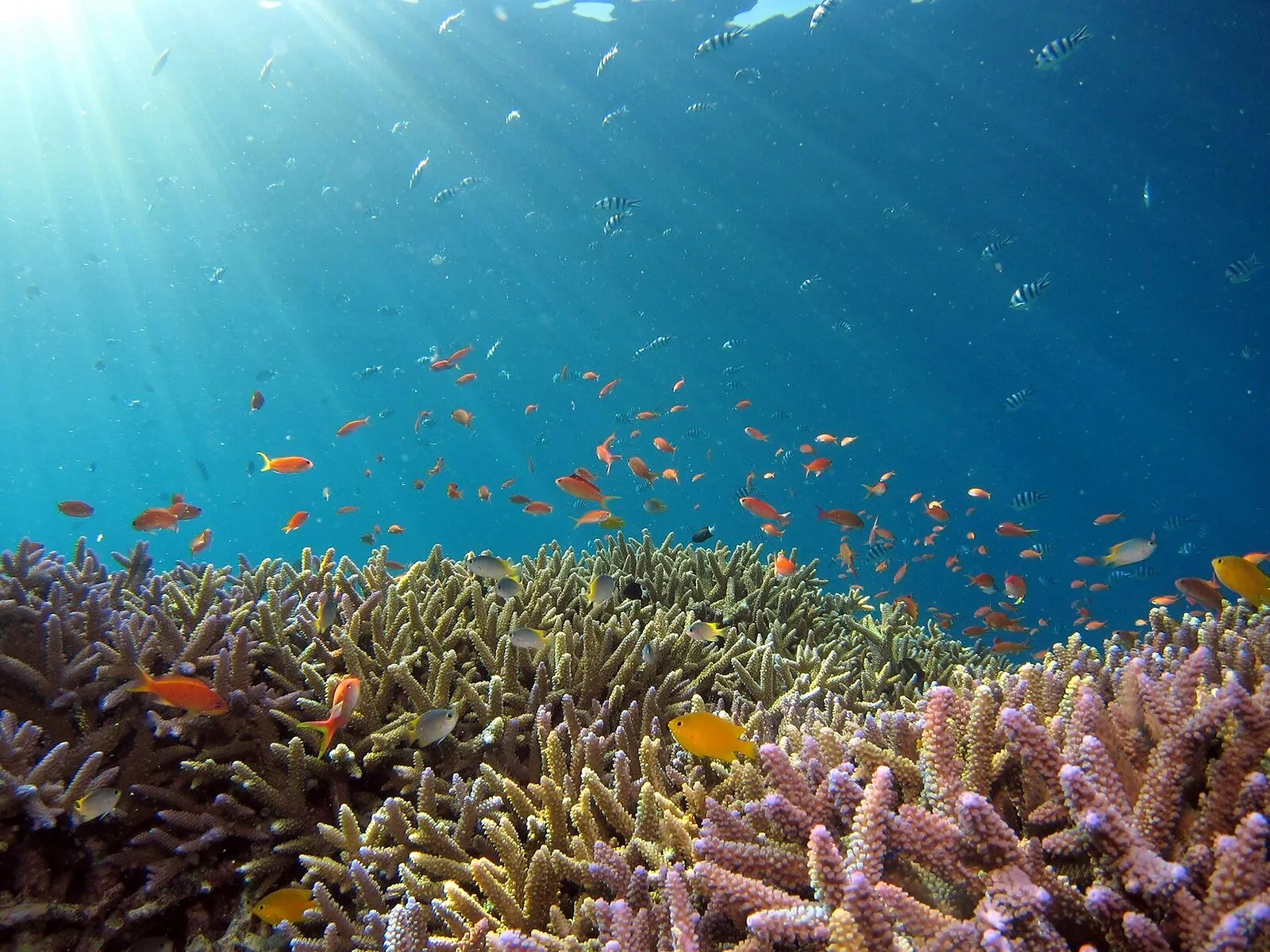
You can expect to encounter a vibrant array of reef fish – think enormous schools of fusiliers, snappers, and groupers. Pelagic life is also a real draw here. Look out for barracuda, jackfish, and various shark species, including reef sharks (blacktip, whitetip, grey) patrolling the deeper walls and channels. Manta rays are also present, often seen feeding in the nutrient-rich currents, particularly around areas like the Seven Brothers archipelago. Don't forget to keep an eye out for humphead wrasse, giant moral eels, and Napoleon wrasse, which are surprisingly common and curious. The topography itself is stunning, with dramatic drop-offs, volcanic formations, and pristine coral gardens just waiting to be explored.
Top dive sites this month
If you're diving in Djibouti in April, the Seven Brothers Archipelago (also known as the Sept Freres) should absolutely be at the top of your list. These seven volcanic islands, located in the Bab al-Mandab Strait, are washed by nutrient-rich currents and are an absolute magnet for pelagic life. Dive sites like "The Canyon" or "The Plateau" here are renowned for their healthy hard and soft corals, teeming reef fish, and a high likelihood of encounters with various shark species, including grey reef sharks and hammerheads, alongside large schools of jacks and barracuda. The currents, while sometimes strong, make for exhilarating drift dives and bring in all the good stuff.
Another must-visit area, especially due to the potential for whale shark encounters in April, is the Goubet al Kharab. This deep, almost landlocked bay, often called the "Pit of Demons," is renowned for its unique volcanic landscape and occasional sightings of whale sharks. While the main focus here is often snorkeling with these gentle giants, the deeper water around sites like "Devil's Pass" also offers opportunities to see intriguing geological formations and reef life adapted to the colder, deeper water. Nearby, areas like Maskali Island offer more sheltered dives with beautiful coral gardens, perfect for photographers and those looking for a more relaxed pace. The island's protected reefs are home to an abundance of macro life and colorful schooling fish, providing a stark contrast to the deeper, more exposed sites.
Practical tips for your trip
The right wetsuit depends on the water temperature at your sites, how many dives you do and how easily you get cold, so ask your operator what guests usually wear. A 3mm full suit or even a shorty will be more than sufficient for most divers, providing just enough thermal protection for multiple dives a day and safeguarding against sun and minor abrasions. This time of year suits a wide range of divers. If you’re a beginner, the generally calm conditions and abundant reef life make for a fantastic introduction to diving. For advanced divers, the pelagic action, currents, and deeper sites at the Seven Brothers will definitely keep you thrilled.
Liveaboard availability in April is usually good, as the main whale shark aggregation season (October to February) has passed, but it’s still a relatively popular time. Booking in advance with Blue Rides is always recommended to secure your preferred boat and itinerary. What to pack? Beyond your standard dive gear, definitely bring reef-safe sunscreen, a wide-brimmed hat, sunglasses, and light, breathable clothing for topside. A good camera is a must for capturing those incredible whale shark and reef encounters. Also, be aware of the stronger sun exposure you might experience. Djibouti is a relatively remote destination in terms of modern infrastructure outside the capital, so come prepared for an authentic and adventurous dive experience where the focus is truly on the spectacular marine environment. Enjoy your journey to this incredible corner of the Red Sea!
Regional notes
Each note applies only to the named region, not to the whole country.
- Djibouti City (Gulf of Tadjoura): Average sea temperature 28.4 °C (83 °F)