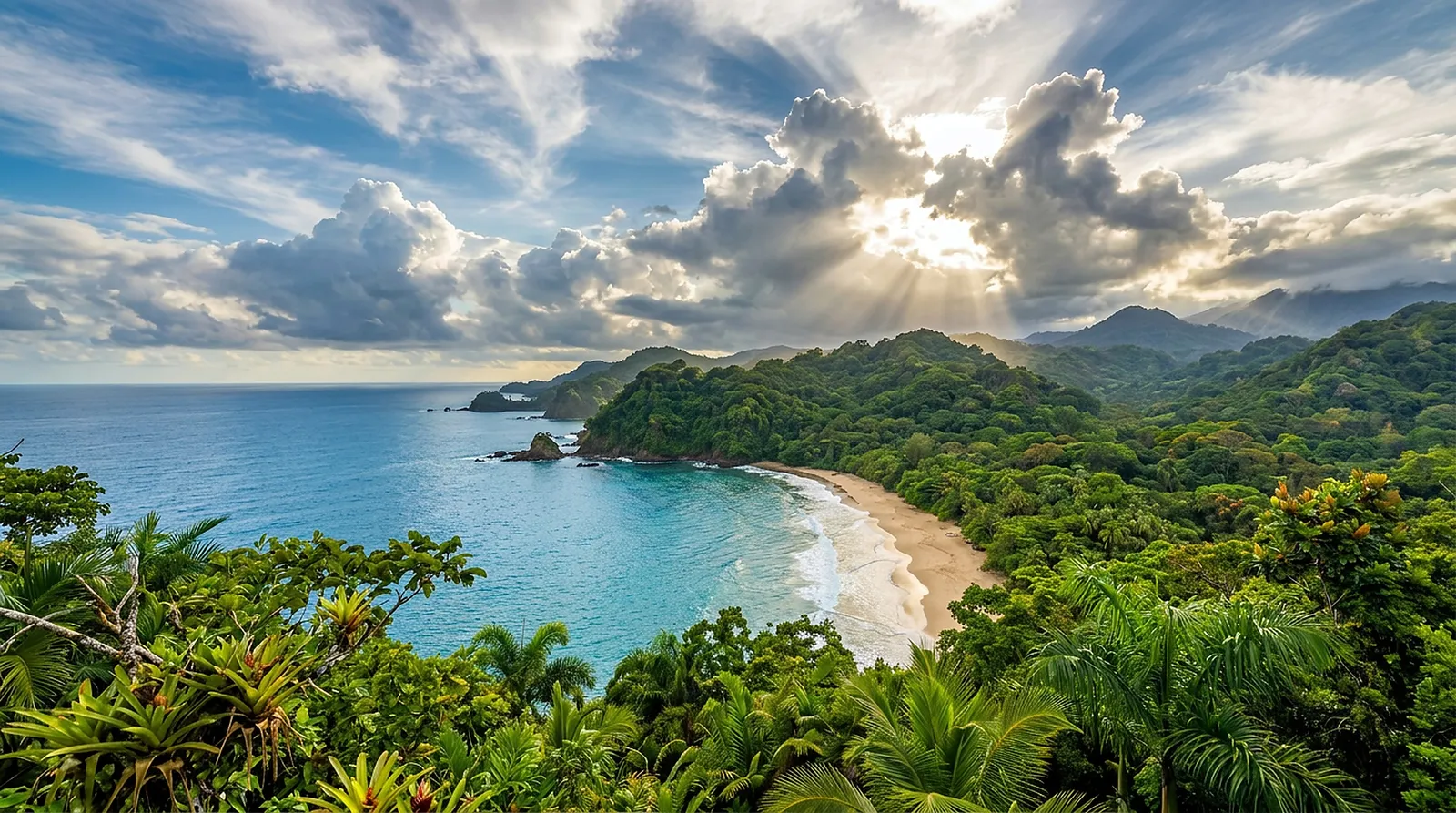
Conditions in April
You're considering Cocos Island for an April dive adventure, and let me tell you, it's a fantastic choice. This remote jewel, a UNESCO World Heritage site some 550 kilometers (340 miles) off Costa Rica's Pacific coast, truly comes alive. April marks the transition from the dry season to the wet season, offering a sweet spot in terms of conditions. Expect air temperatures to hover comfortably around 27-30°C (81-86°F). The sea state generally begins to calm down after the windier dry season months, progressively offering smoother transits on your liveaboard journey. While you might encounter some afternoon showers as April progresses, these are typically brief and usually don't impact diving operations.
Water temperatures around Cocos Island in April are consistently warm, sitting comfortably between 27-29°C (81-84°F). This is heavenly for extended bottom times. Visibility is typically excellent, often reaching 20-30 meters (65-100 feet), providing crystal-clear views of the vibrant underwater world. However, it's worth noting that Cocos is renowned for its strong, often unpredictable currents. These currents are precisely what attract the abundant pelagic life, so while they demand respect and good buoyancy control, they are a fundamental part of the Cocos experience. Your dive guides will be experts at navigating these, often utilizing positive entry techniques to drift with the flow.
What you will see
Cocos Island in April is all about the pelagic action, and it truly delivers. This month is particularly renowned for massive schools of scalloped hammerhead sharks. You'll often see hundreds of them schooling around cleaning stations, a truly awe-inspiring spectacle. Alongside the hammerheads, you can expect frequent encounters with Galapagos sharks, silvertip sharks, and white-tip reef sharks, which are ubiquitous on every dive. Marble rays and eagle rays are also common sights, gliding gracefully through the blue.
Beyond the sharks, April is a prime time for other large marine life. Giant Pacific manta rays, although less predictable than the hammerheads, make appearances, particularly around cleaning stations, offering incredible photographic opportunities. You might also spot massive schools of jacks, tuna, and barracuda swirling in synchronized displays. For the keen-eyed, occasional sightings of whale sharks are possible, though these gentle giants are always a welcomed bonus rather than a guarantee. Even though Cocos is famous for its big stuff, don't forget to glance at the reef; you'll find a delightful array of reef fish and invertebrates, adding color and detail to the grand pelagic show.
Top dive sites this month
Certain Cocos dive sites shine particularly bright in April, leveraging the specific conditions to bring you unparalleled marine life encounters. Manuelita Deep is an absolute must-dive. This site is practically synonymous with hammerhead schools, offering incredible viewing opportunities as they gather for cleaning. The deeper sections often reveal strong currents, so be prepared, but the payoff is immense. Bajos del Pinguino is another top contender, an underwater pinnacle that acts as a magnet for pelagic species. Here, you'll often find large schools of fish and multiple shark species cruising the depths.
Furthermore, Dirty Rock lives up to its legendary status, especially in April. This iconic site offers a labyrinth of rocky formations and an ideal habitat for schooling hammerheads, silvertips, and often impressive schools of jacks. The currents here can be robust, adding to the thrill. On the slightly calmer side, Chatham Bay offers fantastic drift dives along its walls, often revealing white-tip reef sharks in abundance, and it's also a good spot for spotting other reef residents and occasional pelagic passes. These sites, combined with the generally excellent April conditions, promise a dive experience you won't soon forget.
Practical tips for your trip
Given the warm water temperatures of 27-29°C (81-84°F), most divers will find a 3mm wetsuit perfectly adequate for comfort, even with multiple dives a day. Some divers might opt for a 5mm for extra warmth on longer or repeated dives, but anything thicker would likely be overkill. This trip is best suited for experienced divers. Due to the deep dives, strong and unpredictable currents, and remote location, Cocos Island is not appropriate for beginners. You should have solid buoyancy control, comfort in currents, and ideally, experience with drift diving. Consider bringing a reef hook for those stronger current scenarios, if you're comfortable using one, as it can occasionally come in handy (always with extreme care to avoid damaging the reef).
Liveaboard availability in April can be competitive, as it's a popular month for this destination. Booking well in advance, ideally 9-12 months out, is highly recommended to secure your preferred vessel and cabin. Beyond your standard dive gear, consider packing a quality dive light for spotting creatures in crevices and night dives, especially if you plan to explore the deeper parts of the reef or if your liveaboard offers them. Due to the humidity and potential for brief showers, quick-drying clothing is a good idea. Remember, once you depart from Puntarenas, you are truly isolated, so ensure all your equipment is in top working order and bring any personal medications you might need. There are no dive shops or pharmacies on Cocos Island! Lastly, given the remote nature and typically rough 36-hour crossing, anti-seasickness medication is a wise addition to your packing list.
Year-round overview for Costa Rica (Cocos)
Frequently asked questions
Is April a good month to dive in Costa Rica (Cocos)?
What can you see diving in Costa Rica (Cocos) in April?
Should I book a Costa Rica (Cocos) liveaboard for April or wait?
Find a liveaboard for April
Compare available Costa Rica (Cocos) liveaboards departing in April.
Search and Book