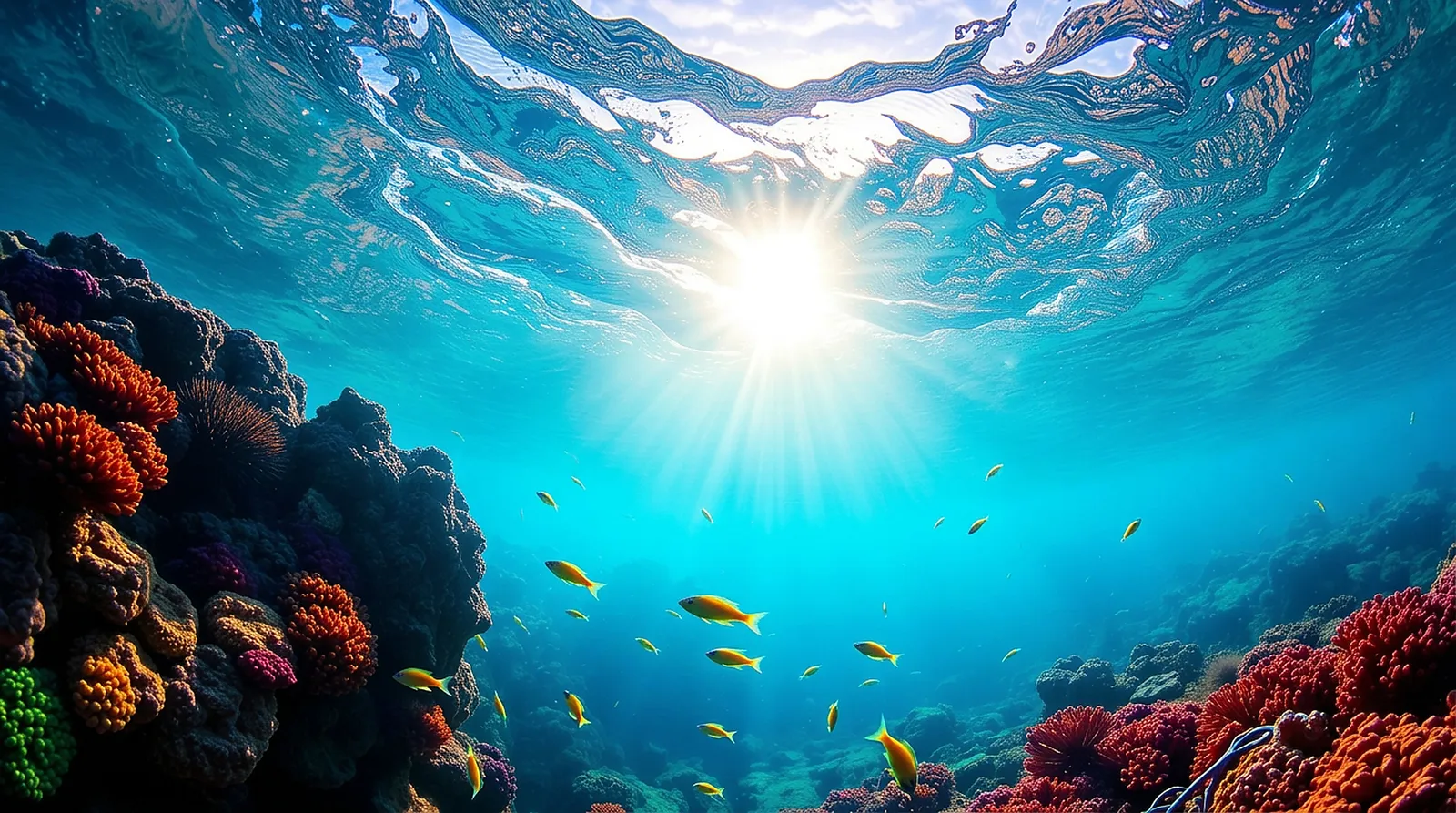
Conditions in April
April presents a fascinating transition for divers heading to Australia, offering a unique blend of conditions across its vast and diverse marine ecosystems. As autumn takes hold in the southern hemisphere, the northern regions of Queensland and the Great Barrier Reef (GBR) are thankfully moving out of the peak wet season. While you might still encounter occasional showers, the relentless downpours typically subside, leading to improved visibility. Water temperatures around Cairns (northern Great Barrier Reef) sit around 27.6°C (82°F). Visibility, particularly towards the outer reefs and Coral Sea, can be impressive on good days. Currents can be variable, ranging from gentle drifts perfect for beginners to stronger flows on exposed sites, which often attract pelagic action.
Venturing further south, down the east coast to New South Wales and Victoria, April marks the approach of cooler waters. Here, you'll find water temperatures dropping in NSW and even colder in Victoria and Tasmania. Visibility in these temperate zones is often good but can be even clearer around offshore islands. The weather largely settles, offering calmer seas after the summer swells, making it an excellent time to explore the vibrant temperate reefs. Western Australia, particularly along the Ningaloo Reef, enjoys fantastic conditions in April. The water is pleasantly warm, with excellent visibility as whale sharks visit after the March coral spawning.
What you will see
April is a truly rewarding month for marine life encounters in Australia, particularly if you're keen on seeing some of the ocean's gentle giants. On the Great Barrier Reef and especially the Coral Sea, you're still within prime time for encountering various shark species. Oceanic white-tip sharks, grey reef sharks, and silvertips are frequently spotted around the outer walls and bommies of Osprey Reef and other Coral Sea locations. Manta rays are also commonly spotted in the Coral Sea from April to October, with encounters possible around specific cleaning stations. Keep an eye out for humphead wrasse, bumphead parrotfish, and a dazzling array of reef fish, while the macro potential remains consistently excellent for nudibranchs, pipefish, and various crustaceans.
Heading to Western Australia, April means one thing: whale sharks at Ningaloo Reef. Whale sharks visit Ningaloo after the March coral spawning through July, providing fantastic opportunities to swim with these filter feeders. Alongside the whale sharks, you'll frequently encounter manta rays, turtles, and a healthy reef ecosystem teeming with diverse fish life. For those venturing into the cooler waters of New South Wales, April offers encounters with unique temperate species. You might come across the stunning weedy seadragons, grey nurse sharks (also known as sand tiger sharks) at sites like Magic Point, and vibrant schooling fish. Southern right whales begin their migration north along the Australian coast from May, so late April can offer a tantalizing early glimpse for those with keen eyes, although underwater encounters are rare and carefully regulated.
Top dive sites this month
For an unforgettable April dive trip, you should definitely consider the remote northern sections of the Great Barrier Reef and the Coral Sea, particularly sites like Osprey Reef. Here, exposed walls and deep clear waters offer spectacular encounters with pelagic fish, various sharks, and often schooling barracuda. Liveaboards making the journey to Osprey Reef from Cairns or Port Douglas provide access to these world-class dive sites, famous for their vibrant soft corals and dramatic topography. The visibility here is generally superb in April, making it a dream destination for experienced divers seeking thrilling drift dives and large marine life.
Another absolute must for April is Western Australia's Ningaloo Reef, especially for those seeking the ultimate whale shark experience. Exmouth and Coral Bay serve as the main hubs for tours, with numerous operators offering permit-protected swims with these gentle giants. While the whale sharks are the main draw, the inner reefs of Ningaloo offer beautiful coral gardens teeming with reef sharks, turtles, and colourful fish. For something completely different and closer to a major city, Sydney's Magic Point is renowned for encounters with grey nurse sharks, which are possible to see alongside diverse marine life. Further south in New South Wales, the marine protected waters around Lord Howe Island (a UNESCO World Heritage site reachable by short flight from Sydney) offer pristine coral reefs, endemic fish species, and incredible visibility, which are excellent in April. While not as warm as the tropics, the unique biodiversity here makes for an extraordinary temperate diving experience.
Practical tips for your trip
When packing for an April dive trip to Australia, your wetsuit choice will largely depend on your chosen region. For the Great Barrier Reef and Ningaloo, a 3mm shorty or full suit will be perfectly adequate, given the warm waters. If you're heading south to New South Wales, a 5mm full suit is recommended, and if you brave the colder waters of Victoria or Tasmania, a 7mm suit or even a dry suit might be necessary. This month generally suits divers of all levels for tropical regions like the GBR and Ningaloo, with many calmer inner reef sites perfect for beginners, while the outer reefs and Coral Sea offer more challenging (and rewarding) conditions for advanced divers.
Liveaboard availability for April, especially for popular destinations like the Coral Sea and Ningaloo, can fill up quickly due to the excellent conditions and special events (like whale shark season). We strongly advise booking your liveaboard well in advance, ideally 6-12 months out, to secure your preferred dates and vessel. Beyond your diving gear, remember to pack reef-safe sunscreen, a wide-brimmed hat, and insect repellent, especially if you plan to spend time on land in tropical areas. Also, be aware of Australia's strict biosecurity rules when entering the country; declaring all items, especially food and outdoor gear, is crucial. Finally, always listen to your dive guides and follow local regulations, particularly around marine protected areas and interactions with large marine animals like whale sharks.
Regional notes
Each note applies only to the named region, not to the whole country.
- Cairns (northern Great Barrier Reef): Average sea temperature 27.6 °C (82 °F)