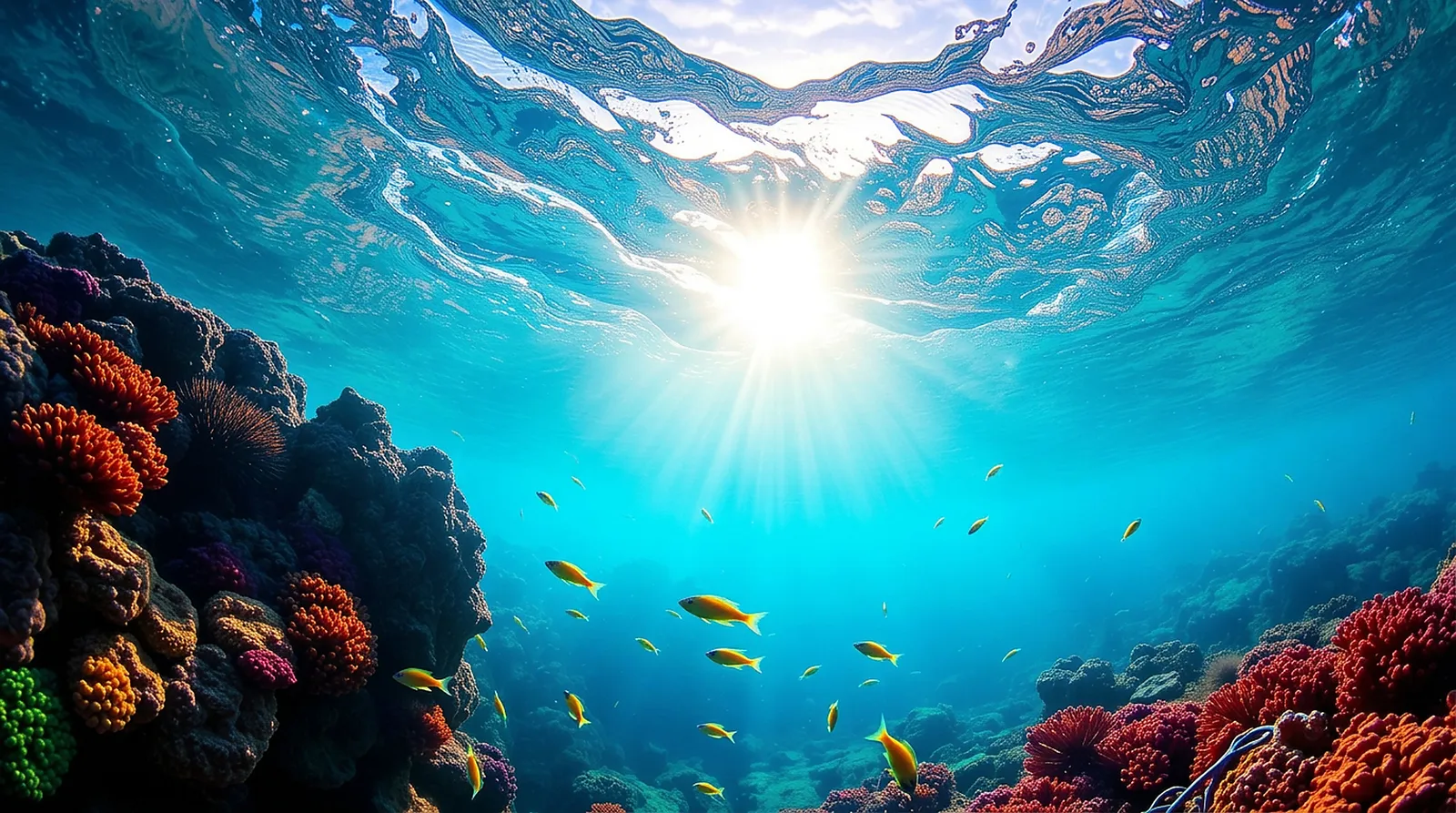
Conditions in May
So, you’re thinking about diving in Australia in May? Excellent choice, mate! May marks a beautiful transition in much of Australia’s marine environment, as the summer heat begins to wane and the southern hemisphere prepares for winter. This means cooler, often clearer waters, making for some truly spectacular diving across various regions. Up north, particularly around the Great Barrier Reef, you’ll find water temperatures still wonderfully warm, typically ranging from 26°C to 28°C (79°F to 82°F) – perfect for comfortable, long dives in just a 3mm shorty or full suit. Sea states are generally calm and settled, especially outside of any lingering wet season influences (which are largely receding by May). Visibility in these northern areas can be phenomenal, often exceeding 20-30 meters (65-100 feet), providing expansive views of the coral gardens and prolific marine life.
As you travel further south, conditions start to cool down, but don’t let that deter you! Places like the Ningaloo Reef on the west coast, or parts of Southern Australia, will see water temperatures drop to around 22°C to 24°C (72°F to 75°F) – still warm enough for a 5mm suit if you get a bit chilly, but for many, a 3mm will suffice. The visibility in these southern regions also tends to be excellent in May, often in the 15-25 meter (50-80 feet) range, with calmer seas that make for easy entry and exit from boats. Currents are typically moderate and predictable across most prime dive spots in May, making it a comfortable month for divers of all experience levels to explore. It’s generally a drier month across the country, meaning less runoff and better overall clarity for your underwater adventures.
What you will see
May in Australia is a truly exciting time for marine encounters, driven by various seasonal aggregations and migrations. One of the biggest drawcards is the tail end of whale shark season on the Ningaloo Reef in Western Australia. While April is peak, May still offers fantastic opportunities to swim with these gentle giants as they feast on plankton. It’s an unforgettable experience to be in the water with the world’s largest fish! Beyond the whale sharks, Ningaloo’s vibrant reefs are teeming with reef sharks, rays, turtles, and an incredible diversity of fish species. Up on the Great Barrier Reef, May is an excellent month for pelagic sightings. Manta rays are frequently spotted, especially around cleaning stations, and you might encounter various shark species like white-tip, black-tip, and grey reef sharks cruising the outer reefs.
This transitional month also brings a shift in plankton blooms, which can attract larger feeders. You’ll have a great chance to see schooling fish and vibrant soft corals, particularly in areas like the Coral Sea where deeper, nutrient-rich waters contribute to magnificent displays. If you’re a fan of macro life, the reefs are always alive with nudibranchs, pipefish, and tiny crustaceans. Keep an eye out for interesting juvenile fish and unique critters taking advantage of the stable conditions. The lack of extreme weather patterns in May means marine life is often more settled and predictable in its movements, making for consistent and rewarding encounters across the board.
Top dive sites this month
For a phenomenal May dive experience, the **Northern and Outer Great Barrier Reef** is tough to beat. Dive sites like the **Ribbon Reefs** and the famous **Cod Hole** near Lizard Island offer unparalleled encounters with giant potato cod, healthy coral systems, and a high likelihood of pelagic sightings including sharks and manta rays. The conditions here in May are often at their prime – clear, warm waters and minimal current make for easy exploration of these iconic reefs. Liveaboards departing from Cairns or Port Douglas are your best bet to access these remote, pristine locations.
Another absolute must-visit in May is **Ningaloo Reef** in Western Australia. As mentioned, it’s ideal for encountering whale sharks, but beyond that, specific sites like **Lighthouse Bay** and the outer reef system around **Exmouth** offer incredible coral gardens, diverse reef fish, turtles, and dugongs. For those seeking something a bit more adventurous, Osprey Reef in the Coral Sea, accessed via liveaboard from Cairns, is renowned for its shark dives and dramatic drop-offs, with May offering great visibility and a high probability of thrilling encounters with grey reef sharks, silvertips, and even hammerheads.
Practical tips for your trip
Given the varied water temperatures across vast Australia in May, your wetsuit choice will depend on your destination. For the northern Great Barrier Reef, a 3mm full suit or even a shorty will be perfectly adequate for most divers, ensuring comfort during multiple dives a day. If you’re heading to Ningaloo or further south, a 5mm full suit might be a better option if you get cold easily, although many find a 3mm suitable in these slightly cooler, but still pleasant, waters. Generally, May is an excellent month for all levels of divers. The calmer seas and good visibility make it welcoming for beginners and those looking to get certified, while the diverse marine life and exciting pelagic encounters offer plenty for advanced divers and photographers.
Liveaboard availability in May is generally good, especially as you’re outside the peak summer holiday season and before the busy whale migration period further south. However, popular itineraries like those targeting whale sharks on Ningaloo or the remote Ribbon Reefs can book up quickly, so it’s always wise to reserve your spot several months in advance. As for packing, bring plenty of reef-safe sunscreen, a wide-brimmed hat, and insect repellent, especially if you plan to spend time on land. Don’t forget your underwater camera gear – May’s clear waters provide fantastic photo opportunities. Be aware that while Australia provides incredible diving, some remote areas require specific logistics and can involve domestic flights, so plan your itinerary carefully to maximize your underwater time. Always check local marine park regulations as some areas have strict rules on interacting with wildlife.