Conditions in May
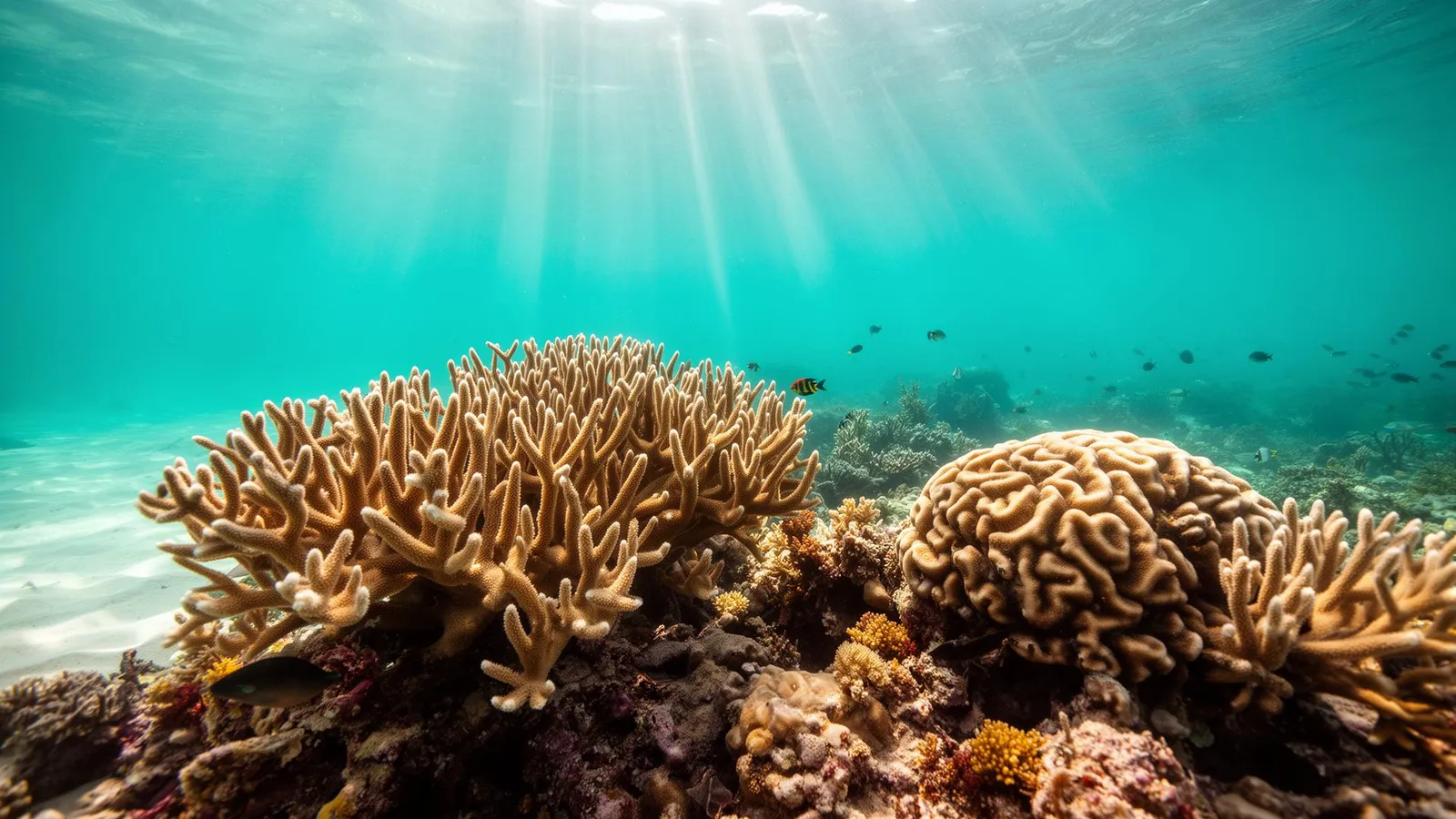
Diving in Jardines de la Reina, Cuba, in May offers some truly fantastic conditions. You're catching the tail end of the dry season, which generally means stable weather and calm seas. Expect air temperatures to hover around 28-32°C (82-90°F) during the day, with comfortable evenings. The water temperature is particularly inviting, ranging from a balmy 27-29°C (81-84°F). This warmth means you can often get away with a thinner wetsuit, or even just a rash guard for protection against the sun and minor scrapes. Visibility is typically extraordinary in May, frequently exceeding 30 meters. We're talking about crystal-clear conditions that make spotting even distant pelagics a breeze. Currents are generally mild to moderate, especially within the protected channels and reefs of the Gardens of the Queen, making it a comfortable experience for divers of various skill levels.
While May still largely falls within the ideal diving window, it’s worth noting that it heralds the transition towards the wetter, hurricane season which officially begins in June. However, you're unlikely to experience significant weather disturbances in May. The seas remain predominantly calm, particularly compared to later in the year, ensuring smooth liveaboard journeys and comfortable dive entries and exits. The absence of strong winds and rough swells contributes significantly to the excellent visibility you can expect. All in all, May provides a sweet spot for experiencing Jardines de la Reina at its best, combining comfortable temperatures with superb underwater clarity.
What you will see
Jardines de la Reina is renowned as one of the Caribbean's most pristine marine ecosystems, and May is a prime time to witness its vibrant inhabitants. This month is particularly fantastic for pelagic encounters. You'll almost certainly come face-to-face with numerous Caribbean reef sharks and silvertip sharks – often in significant numbers, curious and unafraid. Their presence is a constant thrill on nearly every dive. You might also spot silky sharks cruising in the blue, especially just off the deeper reefs. Goliath groupers are a common sight, often congregating in impressive sizes, and their sheer bulk is always a spectacle. Keep an eye out for tarpon, which are often found schooling in the shallows and overhangs, their reflective scales glinting in the sunlight.
Beyond the larger predators, the reefs themselves are teeming with life. Healthy coral formations, including spectacular elkhorn and staghorn corals, provide refuge for an incredible array of reef fish. You'll see schools of snapper, grunts, and jacks, alongside colorful parrotfish, angelfish, and butterflyfish. Macro enthusiasts won't be disappointed either; though not typically a macro destination like some parts of Southeast Asia, you'll still find nudibranchs, crabs, and shrimps tucked away in crevices. Critter-wise, you might also spot various moray eels peeking out from their rocky homes. While May isn't a peak season for manta rays in Jardines, sightings are not unheard of, particularly on deeper dives or at cleaning stations. Sea turtles, primarily green and hawksbill, are also frequently encountered gracefully swimming among the reefs. The overall health and abundance of marine life in Jardines de la Reina truly set it apart, and May offers a fantastic opportunity to experience this biodiverse paradise.
Top dive sites this month
In May, several dive sites in Jardines de la Reina truly shine due to the prevailing calm conditions and active marine life. "Pinnacles," also known as "Farallones," is an absolute must-do. This site features a series of impressive coral pinnacles rising from the seabed, creating dramatic swim-throughs and overhangs. It's a hotspot for Caribbean reef sharks and often visited by large schools of jacks and snappers. The topography here is simply stunning, and the excellent May visibility amplifies its grandeur.
Another top pick for May is "Vicente," famous for its healthy coral gardens and reliable shark encounters. Here, you can expect to see numerous reef sharks, and the site is often frequented by large groupers. The reef slopes gently, offering diverse marine life at various depths, making it suitable for both experienced divers and those looking for a more relaxed dive. Finally, don't miss "Pipín," a site renowned for its resident goliath groupers and a thriving population of sharks. Pipín offers several interesting coral formations and, in the clear May waters, provides exceptional opportunities for underwater photography of its thriving ecosystem.
Practical tips for your trip
Given the warm water temperatures of 27-29°C (81-84°F) in May, a 3mm shorty wetsuit is usually more than sufficient for thermal protection. Many divers even opt for just a rash guard and board shorts, especially if they are accustomed to warmer waters. However, a 3mm full suit can offer better protection against sun exposure and minor abrasions. This month is incredibly versatile, suiting a wide range of diver experience levels. The calm seas and excellent visibility make it very comfortable for beginners, while the abundant pelagic life and varied topography offer plenty of excitement for advanced divers. Navigation is generally straightforward, and currents are typically manageable.
Liveaboard availability for Jardines de la Reina in May can be competitive, as it falls within a prime diving window. It's highly recommended to book your liveaboard well in advance, ideally several months out, to secure your preferred dates and vessel. As for packing, remember to bring plenty of reef-safe sunscreen, a wide-brimmed hat, and sunglasses, as the sun in the Caribbean can be intense. Insect repellent is also advisable for evenings on the boat or any land excursions. While Cuba has made strides, internet connectivity can be limited or slow, so manage your expectations regarding constant online access. Embrace the digital detox! Be aware that medical facilities are basic, so ensure you have comprehensive travel and dive insurance that covers medical emergencies and evacuation. Finally, bring enough cash (Euros or Canadian Dollars are often preferred) for onboard expenses, tips, and any local purchases, as credit card facilities are rare.