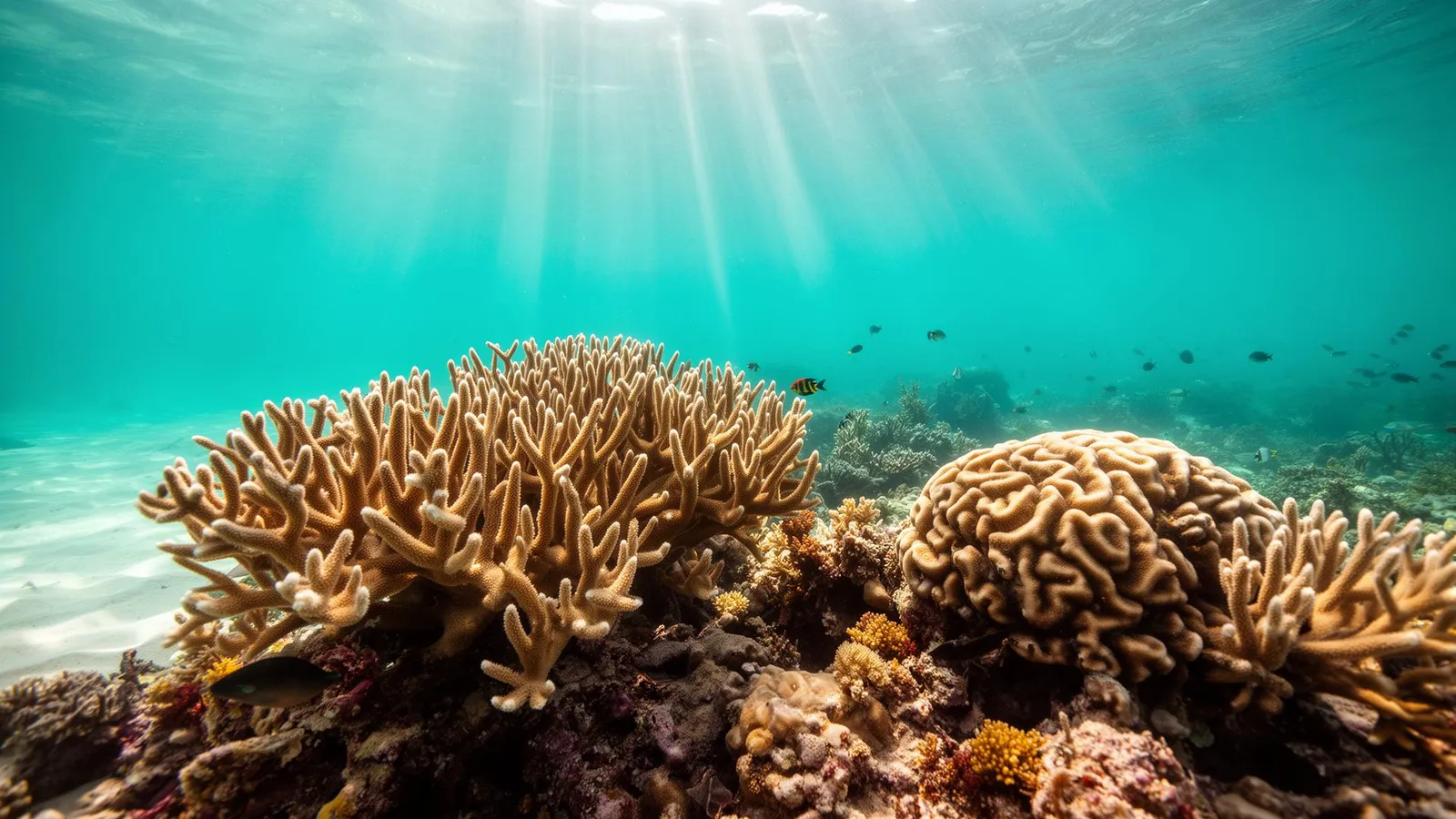
Conditions in September
Diving in Jardines de la Reina in September offers a unique experience, perched at the tail end of the hurricane season for the Caribbean. While this might sound daunting, the "Gardens of the Queen" are remarkably well-protected. The archipelago acts as a natural barrier, often shielding the inner reefs from the full force of tropical systems that might develop further north. On average, September temperatures are warm and inviting. Expect air temperatures to hover around 28-32°C (82-90°F) and water temperatures to be a balmy 29-30°C (84-86°F). This means you'll be comfortable in minimal exposure protection, and even a rash guard might suffice for some.
Visibility during September in Jardines de la Reina is generally excellent, often exceeding 30 meters (100 feet). The warm waters and typically calmer inshore conditions contribute to crystal-clear underwater views, allowing you to appreciate the vibrant corals and abundant marine life from a distance. While currents can vary depending on the dive site and lunar cycle, they are generally mild to moderate, making for comfortable drift dives or easy exploration around the coral heads. Occasional stronger currents can be encountered on outer reefs or channels, but these are often predictable and add to the thrill, bringing nutrient-rich waters that attract larger pelagics.
What you will see
September in Jardines de la Reina is prime time for shark encounters, and this is truly what sets this destination apart. You'll be almost guaranteed to come face-to-face with numerous Caribbean Reef Sharks, often in impressive numbers. These curious and majestic creatures are a staple of nearly every dive. Silky Sharks are also commonly sighted, especially in shallower waters and near cleaning stations. While not guaranteed, the occasional Hammerhead or Bull Shark might make an appearance, adding an extra layer of excitement to your dives. The warm waters encourage a high level of activity among these apex predators.
Beyond the sharks, the coral reefs themselves are thriving, showcasing a healthy ecosystem. Look out for massive Goliath Groupers, which can be seen lurking in coral caves or cruising majestically over the reef. Barracuda schools swirl in formations, and tarpon, sometimes reaching impressive sizes, patrol the mangroves and reef edges. You'll also encounter a rich diversity of reef fish, including snappers, grunts, angelfish, and parrotfish in their full spectrum of colors. Keep an eye out for green turtles and hawksbill turtles gracefully gliding through the water, especially in the seagrass beds surrounding the reefs. While manta rays are less common here compared to other destinations, there's always a chance, particularly in spots with stronger currents bringing in plankton.
Top dive sites this month
For September, "Pipín" is an absolute must-dive. This site is renowned for its consistent and abundant Caribbean Reef Shark population. You'll often find yourself surrounded by dozens of these magnificent creatures, making for an unforgettable experience. The shallow, clear water also enhances visibility, allowing for incredible photo opportunities. Another fantastic spot is "La Cueva de los Sábalos" (Tarpon Cave), where enormous tarpon congregate in the shadowy recesses of the cavern. It's a surreal experience to see these massive silver fish schooling in such numbers.
"Vicente" consistently delivers excellent shark action and healthy coral formations. The topography here features impressive coral walls and pinnacles, providing ample hiding spots for reef fish and attracting larger pelagics. Finally, "Jardines 1" offers a diverse landscape with channels and coral gardens, often attracting schools of snappers and grunts, alongside the ever-present reef sharks. These sites are typically well-protected from any potential September weather fronts, ensuring a rewarding dive experience.
Practical tips for your trip
Given the remarkably warm water temperatures in September (29-30°C / 84-86°F), a 3mm shorty wetsuit or even just a rash guard will be sufficient for most divers. If you tend to get cold easily or plan on multiple dives a day, a full 3mm suit might offer a bit more comfort. This month is suitable for divers of all experience levels; the generally mild currents and excellent visibility make it perfect for beginners, while the abundant shark action ensures advanced divers will be thoroughly entertained. Liveaboard availability in September can be a bit more flexible than the peak dry season, though it's always wise to book in advance. Blue Rides offers a selection of premium liveaboards sailing to Jardines de la Reina, ensuring a comfortable and well-organized trip.
When packing, think light and breathable clothing. Don't forget reef-safe sunscreen, a wide-brimmed hat, and insect repellent for evenings on the liveaboard deck. A good quality underwater camera is highly recommended to capture the incredible shark encounters. Be aware that while September typically sees great diving conditions, it is still technically hurricane season. Liveaboard operators are highly experienced in monitoring weather patterns and ensuring diver safety, and will adjust itineraries if necessary. Flexibility and trust in their expertise are key for a smooth trip. Internet and phone connectivity can be limited in this remote area, so embrace the opportunity to truly disconnect and immerse yourself in the natural beauty.
Year-round overview for Cuba
Frequently asked questions
Is September a good month to dive in Cuba?
What can you see diving in Cuba in September?
Should I book a Cuba liveaboard for September or wait?
Find a liveaboard for September
Compare available Cuba liveaboards departing in September.
Search and Book