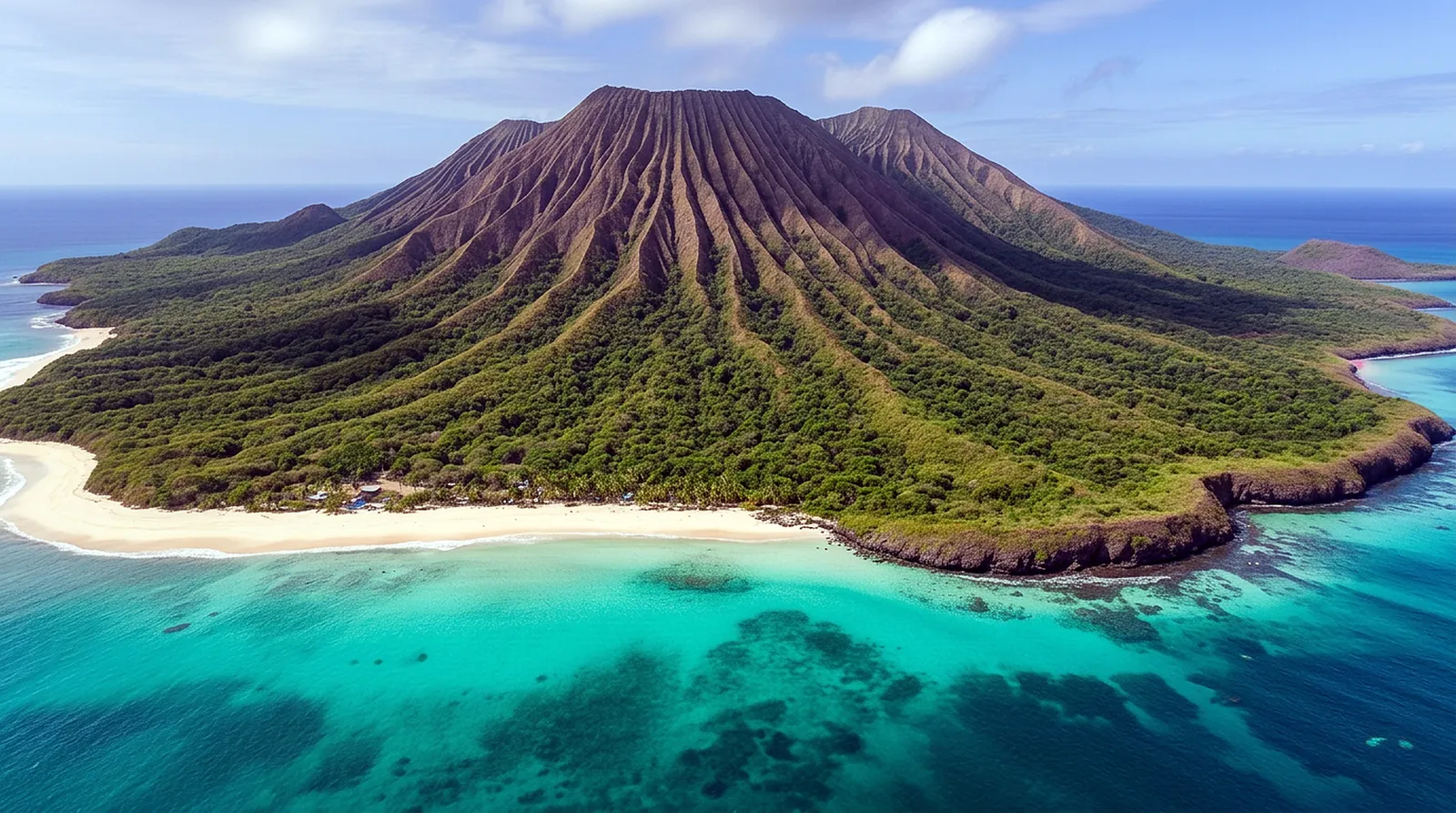
Conditions in September
September in Komodo marks the tail end of the dry season, offering some of the most stable and enjoyable diving conditions of the year. You can generally expect clear, sunny days with minimal rainfall, creating postcard-perfect vistas above the surface. The sea state is typically calm, especially in protected channels, making for smooth sailing on your liveaboard. While occasional choppiness can occur in exposed areas, particularly further north, it’s usually localized and short-lived. Water temperatures around Komodo in September are comfortably warm, averaging between 26-28°C (79-82°F) in the central and northern areas. However, as you venture south towards Nusa Kode, the upwelling from the deep Indian Ocean can drop temperatures significantly, sometimes as low as 22-24°C (72-75°F). Visibility across the park is generally excellent, often exceeding 20 meters, with some sites boasting crystal-clear conditions of 30 meters or more. Naturally, currents remain a defining characteristic of Komodo diving, and September is no exception. These nutrient-rich currents are what fuel the incredible biodiversity, but they can be strong and unpredictable. Your dive guides will be experts at navigating them, utilizing techniques like negative entries and current hooks to ensure safe and exhilarating dives.
The consistent sunny weather and relatively calm seas during September make it a prime time to explore the diverse topography of Komodo. While the air temperature hovers around 28-32°C (82-90°F), the ocean offers a welcome respite. There are fewer strong winds compared to the peak of the dry season, leading to less surface chop and better stability on dive boats. This combination of factors ensures that even less experienced boaters can enjoy their time cruising between dive sites. It’s worth noting that while September is still considered dry season, the very occasional brief shower is not unheard of, though these are typically light and pass quickly, barely interrupting your dive schedule or surface activities. Overall, these conditions provide a fantastic backdrop for a truly epic dive adventure.
What you will see
September diving in Komodo is nothing short of spectacular, with a vibrant marine ecosystem thriving under optimal conditions. This month is particularly renowned for exceptional pelagic sightings. You should be prepared for frequent encounters with enormous manta rays, especially at cleaning stations like Manta Point (Karang Makassar) and Manta Alley. While mantas are present year-round, their aggregations can be particularly impressive in September as they take advantage of the rich plankton blooms fueled by the currents. Reef sharks, including blacktip, whitetip, and the occasional grey reef shark, are also commonly seen patrolling the vibrant coral reefs. Keep an eye out for larger oceanic species too; dogtooth tuna, giant trevally, and barracudas often cruise past in impressive schools, especially at exposed drift dives.
Beyond the larger animals, Komodo in September offers an incredible display of macro life. The healthy reefs are teeming with critters, making it a paradise for macro enthusiasts. You’ll find an abundance of nudibranchs of every color and size, pygmy seahorses expertly camouflaged in gorgonian fans, frogfish, robust ghost pipefish, and various species of colorful crabs and shrimps. The healthy hard and soft coral gardens themselves are a sight to behold, providing shelter and sustenance for countless reef fish. Photographers will particularly appreciate the clear visibility and abundant light, allowing for stunning wide-angle and macro shots. While specific seasonal aggregations beyond the mantas aren't typically tied to September, the sheer density and diversity of marine life across the board make every dive a discovery. From tiny vibrant mandarinfish darting amongst the coral at twilight to powerful sharks on the hunt, Komodo truly delivers in September.
Top dive sites this month
Given the excellent conditions in September, several Komodo dive sites truly shine. For unparalleled manta ray action, you absolutely cannot miss Manta Point (Karang Makassar). The consistent currents bring in abundant plankton, making it a reliable spot for multiple manta encounters. Another excellent option for mantas, especially if the current conditions are right, is Manta Alley in the south, where you might see dozens of these majestic creatures. For exhilarating drift dives packed with pelagic action, Castle Rock and Crystal Rock in the central Komodo region are absolute must-dos. These pinnacles are magnets for sharks, large schools of trevally, barracuda, and snappers, all benefiting from the nutrient-rich currents.
If you're looking for vibrant reefs overflowing with macro life, Batu Bolong is a perennial favorite. This 'hole in the rock' offers a stunning wall dive with an incredible diversity of corals and smaller critters, though it requires precise current timing. Likewise, Cannibal Rock in the cooler southern waters near Nusa Kode never disappoints, boasting some of the most spectacular soft coral gardens and unique critters in the park. For a mix of both pelagic and macro, Siaba Kecil offers beautiful coral gardens and the chance to spot turtles and reef sharks peacefully cruising by. These sites represent a fantastic cross-section of what Komodo has to offer, and September’s clear waters and generally calm conditions make them even more rewarding to explore.
Practical tips for your trip
When packing for your Komodo dive trip in September, consider a 3mm full-length wetsuit. While northern waters are warm, the cooler southern sites, particularly Manta Alley and Cannibal Rock, can drop to 22-24°C (72-75°F), making a full suit much more comfortable for multiple dives. For those who get cold easily, a 5mm or a 3mm with a vest would be a good idea. This month is well-suited for certified divers of all levels, though strong currents are a regular feature of Komodo diving. Beginners with good buoyancy control will still enjoy many sites, but a certain level of comfort and experience with drift diving is definitely beneficial for maximizing your experience at the more exhilarating sites. Advanced divers will thrive on the challenging and rewarding conditions. Dive operators typically require an Advanced Open Water certification (or equivalent) for many of the more exposed sites.
Liveaboard availability in September can still be competitive, as it’s a popular time to visit. We strongly recommend booking your trip well in advance, ideally 6-12 months out, especially if you have specific dates or a particular liveaboard in mind. Don't forget reef-safe sun protection – broad-spectrum sunscreen, a hat, and sunglasses are essential. Dehydration can be an issue in the tropical heat, so drink plenty of water provided on board. Additionally, being aware of the Komodo Dragon encounters on land excursions is crucial; always follow your guides' instructions. Finally, bring a good underwater camera setup – the visibility and marine life in September make for fantastic photo opportunities! Enjoy your incredible Komodo adventure.
Year-round overview for Komodo
Frequently asked questions
Is September a good month to dive in Komodo?
What can you see diving in Komodo in September?
Should I book a Komodo liveaboard for September or wait?
Find a liveaboard for September
Compare available Komodo liveaboards departing in September.
Search and Book