Conditions in September
September ushers in a truly spectacular time for diving the Saudi Arabian Red Sea, a period often considered the sweet spot between the scorching summer and the cooler, windier winter months. In September, historical mean daily air-temperature minima and maxima at Jeddah airport (central Red Sea) are 25.9–36.1 °C (79–97 °F) (1961–1990). These are coastal station averages, not offshore forecasts. The sea state during September is generally calm and inviting, though you might encounter gentle breezes that create small surface choppiness, particularly in more exposed areas. This makes for excellent cruising conditions for liveaboards, allowing for smoother transits between dive sites.
Long-term average sea temperatures in September: about 31 °C (88 °F) around Jeddah (central Red Sea). This means a 3mm shorty or even just a rash guard might suffice for most divers, though a 3mm full suit can offer extra protection from sun and minor stings, especially on longer dives. Visibility is typically phenomenal throughout September, offering expansive water clarity, providing breathtaking panoramic views of the vibrant coral gardens and teeming marine life. Currents are generally mild to moderate, especially within sheltered bays and around the shallower parts of reefs. However, as with any oceanic environment, currents can pick up around exposed pinnacles and during tidal changes, so paying attention to your dive guide’s briefings is always wise.
What you will see
September diving in the Saudi Arabian Red Sea is synonymous with encounters with larger pelagics, as the warmer waters and plankton blooms create a rich feeding ground. Sightings of oceanic whitetip sharks are possible year-round without a fixed season, particularly around offshore seamounts and pinnacles. Hammerhead sharks, often in small schools, are also a definite highlight, especially in the deeper blue. Keep a keen eye out for inquisitive silky sharks and grey reef sharks that are resident throughout the reef systems. The sheer abundance of schooling fish is also a sight to behold, with massive aggregations of fusiliers, snappers, and bannerfish creating shimmering walls of life.
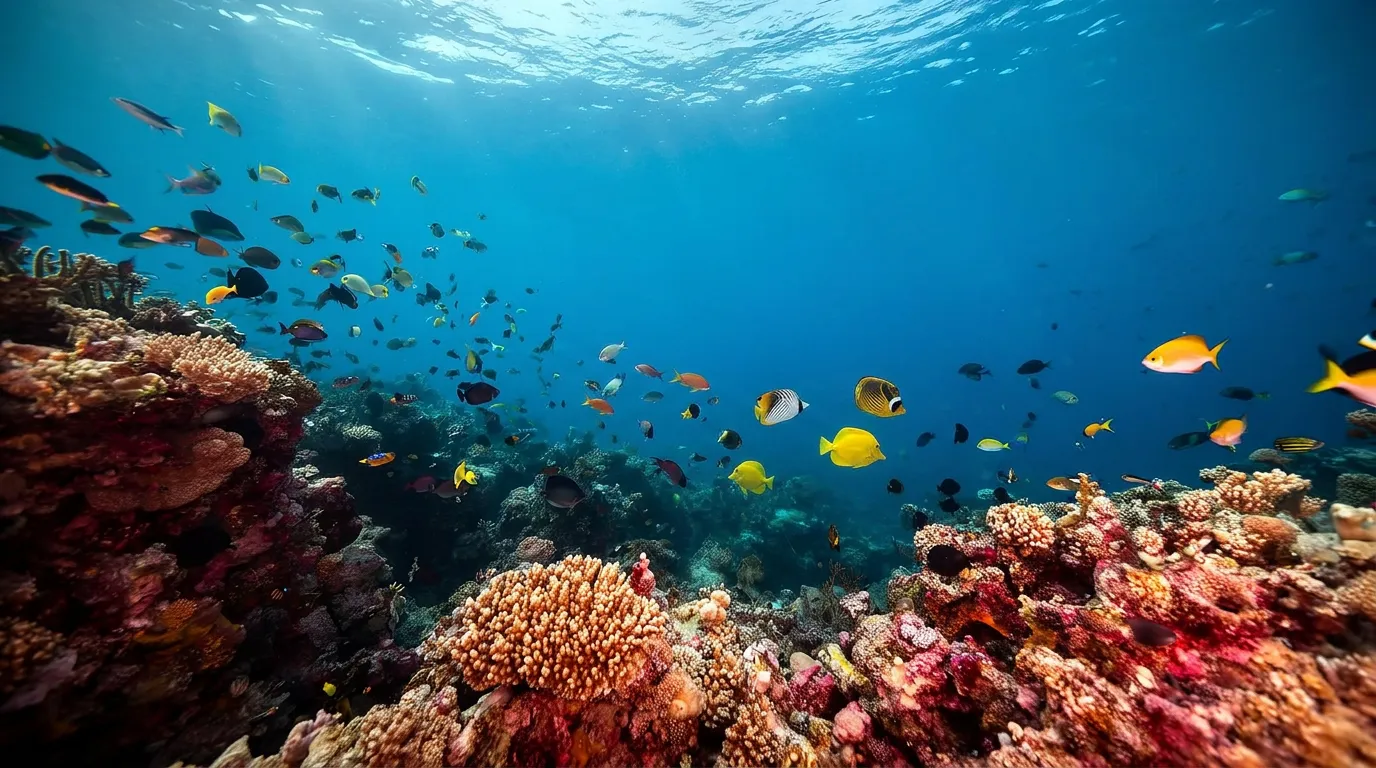
Beyond the sharks, September is a prime time for manta rays, especially around cleaning stations. While not guaranteed, the warmer waters and rich plankton can draw in these magnificent creatures, offering incredible photographic opportunities. Eagle rays are also a common sight, elegantly gliding across sandy bottoms and along reef edges. For those with a macro eye, the healthy coral reefs teem with diverse smaller life. Look for vibrant nudibranchs, often found among the soft corals, as well as an array of colourful reef fish such as anthias, clownfish nestled in their anemones, and intricate moray eels peeking from their crevices. Unique to the Red Sea, the endemic Red Sea bannerfish and Arabian angelfish are always a joy to encounter, adding an extra splash of colour to your dives.
Top dive sites this month
For September diving, the Farasan Banks region stands out as a premier destination. Its remote location and pristine reefs are less affected by seasonal variations, offering consistent and spectacular diving. Sites like the Five Corals are incredible in September, known for their vibrant soft corals and the potential for pelagic encounters, including oceanic whitetips and hammerheads in the blue. The deep walls and strong currents around these seamounts attract big fish year-round, but September's calm surface conditions make accessing them particularly enjoyable.
The Shi'b Ammar area further north is another excellent choice. This expansive reef system boasts healthy hard and soft coral gardens, along with impressive drop-offs. In September, the visibility here is often at its best, showcasing the resident schools of barracuda and trevally, and offering increased chances to spot grey reef sharks and possibly even solitary mantas cruising the deeper sections. Finally, the unchartered waters around the Al Wajh Bank promise exploration and encounter. With many sites still being discovered and named, this area’s remoteness means pristine reefs and abundant marine life, particularly in September when the calmer seas facilitate access to these more exposed locations, increasing your chances of finding untouched reefs teeming with sharks and other large pelagics.
Practical tips for your trip
The right wetsuit depends on the water temperature at your sites, how many dives you do and how easily you get cold, so ask your operator what guests usually wear. Some divers might even be comfortable in just a rash guard, but a little extra neoprene can provide comfort for multiple dives a day and protection against minor stings or sunburn. This month is generally suitable for all levels of divers. Beginners will appreciate the calm surface conditions and excellent visibility, while advanced divers will revel in the potential for thrilling pelagic encounters and the opportunity to explore deeper, more exposed sites that are easily accessible in September.
Liveaboard availability for September can vary; while it’s not peak season, the comfortable conditions make it a popular choice for those in the know. Booking well in advance is always recommended to secure your preferred vessel and itinerary. When packing, think light and adaptable: plenty of breathable clothing for topside, reef-safe sunscreen, a good hat, and sunglasses are essential. Don't forget your certification cards, logbook, and any personal dive gear you prefer to use. Be aware that Saudi Arabia is a conservative country; while liveaboards offer a degree of freedom, it’s respectful to be mindful of local customs, especially if you plan any land excursions. Embrace the adventure and prepare for some of the Red Sea's most pristine and untouched dive experiences!
Regional notes
Each note applies only to the named region, not to the whole country.
- Jeddah (central Red Sea): Average sea temperature 31.0 °C (88 °F)