Conditions in September
September in the Bay Islands of Honduras – Utila, Roatan, and Guanaja – presents a unique blend of conditions for divers. While the official hurricane season in the Caribbean stretches from June to November, September is statistically one of the more active months. However, the Bay Islands are often fortunate to avoid direct hits, being somewhat shielded by the mainland. You should certainly be aware of the possibility of tropical depressions or storms, which can lead to increased rainfall and choppier surface conditions, but prolonged periods of bad weather are not guaranteed. The sea state generally remains calm around the leeward sides of the islands, allowing for comfortable diving for most of the month.
Water temperatures in September are wonderfully warm, typically hovering between 28-30°C (82-86°F), making it an ideal time for extended bottom times without feeling the cold. Visibility, usually a highlight of Bay Islands diving, can be a little more variable during this month. While you can still expect excellent visibility often exceeding 25-30 meters (80-100 feet) on most days, periods of heavier rain or strong surges might temporarily reduce it to 15-20 meters (50-65 feet), especially in shallower areas. Currents are generally mild to moderate, perfectly manageable for most experience levels, though certain exposed sites or channels can experience stronger flows. This, of course, is often where the big pelagics like to hang out!
What you will see
September in the Bay Islands can be a wonderfully rewarding time for marine life encounters, especially if you're keen on seeing larger pelagic species. While whale shark sightings are never guaranteed, the warmer waters and the time of year can sometimes bring these gentle giants to the waters around Utila, particularly on the north side, as they pass through their migratory routes. It requires a bit of luck, but September is certainly within the window of possibility. You'll also have a good chance of encountering schooling reef sharks – typically Caribbean reef sharks and sometimes even nurse sharks – particularly around deeper walls and pinnacles.
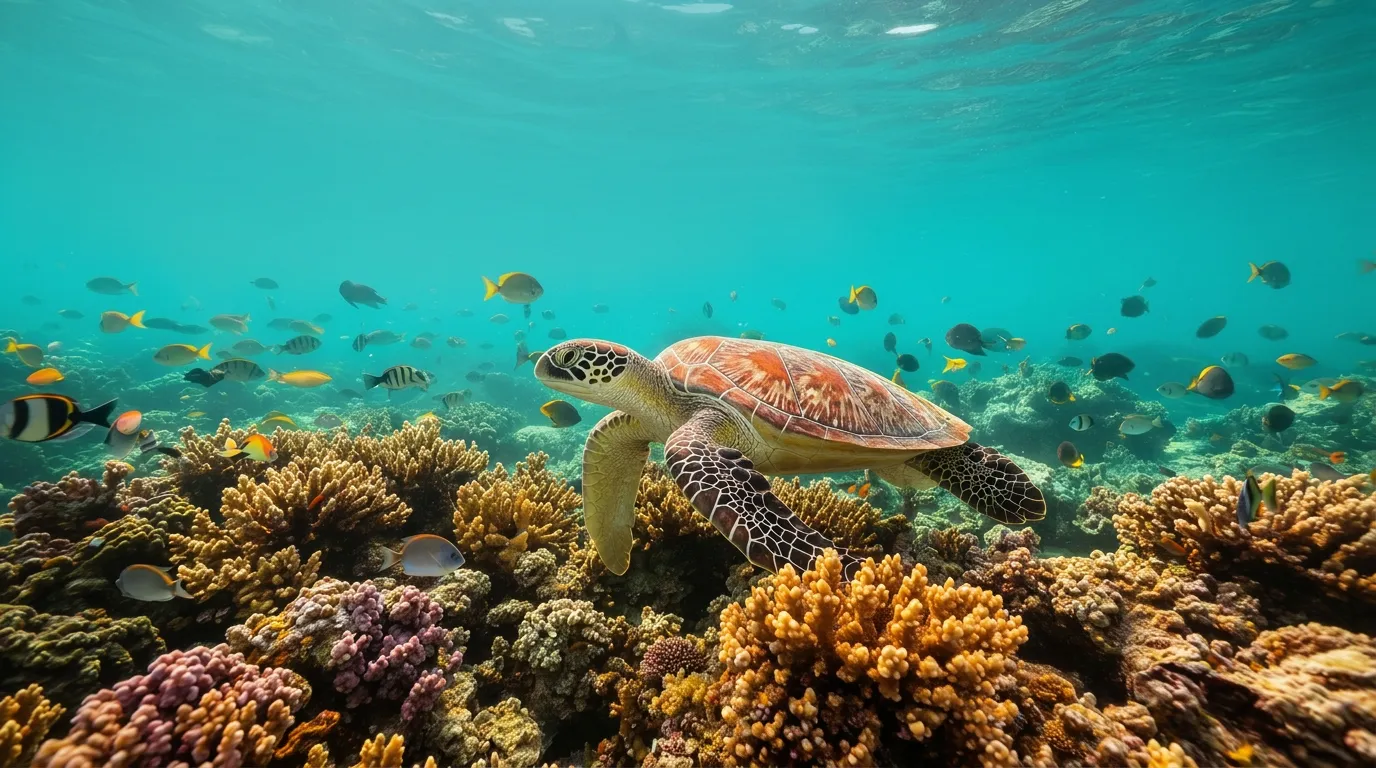
Beyond the larger animals, the reefs truly teem with life. Expect to see vibrant schools of snapper, grunts, and jacks swirling over the coral gardens. Eagle rays are relatively common sightings gliding gracefully along the sandy bottom, and barracuda often congregate in impressive numbers. For those with a keen eye for macro, the healthy reefs offer a bounty of smaller creatures: various species of nudibranchs, jawfish, seahorses (especially in areas with seagrass), and a plethora of colorful crabs and shrimps hiding in crevices. The rich biodiversity here means that even if a rare pelagic doesn't show, your dives will still be packed with incredible interactions within the healthy Mesoamerican Barrier Reef ecosystem.
Top dive sites this month
In September, certain dive sites in the Bay Islands truly shine. On Roatan, the dramatic walls of Mary's Place remain a perennial favorite, its unique coral formations and swim-throughs creating a magical experience. The slightly reduced visibility on some days only adds to the atmospheric feel of this iconic site. Heading to Utila, the deep walls and pinnacles of the North Side, such as Hall of Mirrors or Black Hills, become prime locations for potential pelagic encounters, with strong currents often bringing in bigger fish. These sites also boast incredible coral formations and healthy reef ecosystems.
For something a little different, consider exploring the wreck of the El Aguila off Roatan, a fantastic artificial reef teeming with marine life, offering penetration opportunities and a chance to spot resident moray eels and groupers. Its shallower depth makes it accessible and enjoyable even if surface conditions are a bit more active. Further west, the vibrant coral gardens and dramatic crevices of Stringray Alley (also on Roatan) offer a more sheltered environment, perfect for enjoying the macro life and observing the abundant reef fish, unperturbed by potential swells. And for those visiting Guanaja, the remote and untouched reefs, such as the numerous pristine walls and coral heads, remain spectacular, offering unparalleled tranquility and biodiversity away from the busier spots.
Practical tips for your trip
Given the delightful water temperatures, a 3mm shorty or even just a rash guard and board shorts will be perfectly adequate for most divers in September. If you tend to get cold easily or plan on extensive multiple dives per day, a full 3mm wetsuit would offer a touch more warmth and protection. This month suits all levels of divers, from beginners making their first bubbles in the warm, clear waters to advanced divers seeking out deeper pelagic encounters. However, newer divers should be mindful of potential current fluctuations on more exposed sites.
Liveaboard availability can be excellent in September. This period often sees fewer crowds compared to peak season, meaning better chances of booking your preferred trip and enjoying more serene dive sites. Blue Rides has a fantastic selection of liveaboards operating in the Bay Islands during this time, offering itineraries that perfectly showcase the beauty and bounty of these Caribbean jewels. When packing, think light and casual. Don't forget reef-safe sunscreen, a good hat, insect repellent (especially for evening mosquito encounters), and a quality underwater camera to capture the stunning scenery. While the Bay Islands are generally safe, it's always wise to be aware of your surroundings and keep an eye on weather forecasts before and during your trip.
Year-round overview for Honduras
Frequently asked questions
Is September a good month to dive in Honduras?
What can you see diving in Honduras in September?
Should I book a Honduras liveaboard for September or wait?
Find a liveaboard for September
Compare available Honduras liveaboards departing in September.
Search and Book