Conditions in September
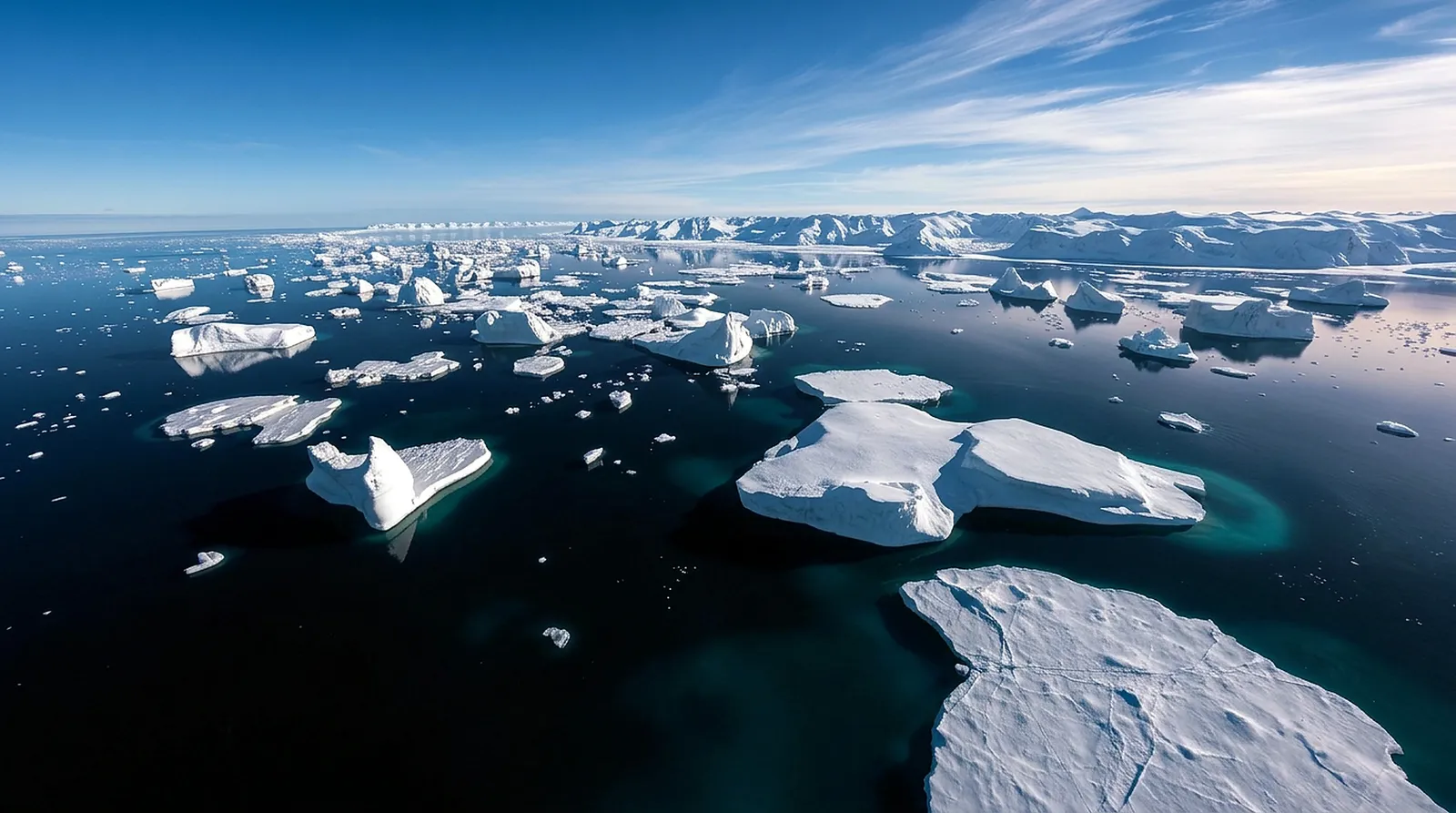
Diving in Antarctica during September is an experience unlike any other, marking the very beginning of the spring season in this icy wilderness. If you're envisioning a trip then, prepare for truly raw conditions. The air temperature still bites, typically ranging from -15°C to -5°C (5°F to 23°F), often feeling colder with the wind chill. While the deep winter chill is starting to recede, you'll still encounter significant ice, particularly in the early parts of September. This can impact navigation, with some passages possibly still frozen over, adding an element of expeditionary adventure to your journey.
Sea states in September can be unpredictable. You might encounter glassy calm days, but powerful katabatic winds are not uncommon, whipping up substantial swells. The Drake Passage, famously, can live up to its reputation for rough crossings, so be mentally prepared for that. Water temperatures are bracing, hovering just above freezing at around -1°C to 2°C (30°F to 36°F). This demands robust thermal protection, even for the shortest dives.
Visibility, however, can be surprisingly good. With less plankton bloom compared to the peak summer months, you can often enjoy crystal-clear waters, sometimes exceeding 20 meters, especially when diving near ice formations. Currents are generally manageable around the dive sites in the sheltered bays and channels, but always listen to your dive guide, as local conditions can change rapidly in polar environments. The pristine nature of this environment means a dive here is about the stark beauty and dramatic light filtering through the water, rather than tropical warmth.
What you will see
September in Antarctica offers a unique window into the awakening marine ecosystem. While not the peak season for massive krill aggregations, you will still encounter a rich variety of life. Your encounters will be dominated by the iconic residents of the Southern Ocean. Expect to see multiple species of seals: Weddell seals, known for their inquisitive nature and often found resting on ice floes or curiously approaching divers; crabeater seals, frequently spotted in large numbers; and the powerful leopard seals, often seen patrolling the ice edge. Their sleek forms gliding through the frigid water beneath the ice are truly unforgettable.
Penguins are also a major highlight, with various species returning to their breeding colonies. You'll likely encounter gentoo, Adélie, and chinstrap penguins, sometimes diving gracefully around you or porpoising on their way to feeding grounds. While September is early for widespread whale sightings compared to later in the season, it's not impossible to spot minke whales, especially breaking through the ice, and fin whales are also beginning to make their resurgence. Orcas are always a possibility, often seen hunting seals around the ice. The thrill of seeing these magnificent creatures in their natural, untouched habitat is unparalleled.
Below the surface, the marine invertebrates are equally fascinating. You'll discover vibrant seafans, intricate anemones clinging to rocky walls, and various species of Antarctic nudibranchs. The ice itself forms an incredible landscape, with beautiful sculpted formations, arches, and glowing blue hues as light filters through. Diving in September brings a sense of pioneering exploration, where you're witnessing the start of the Antarctic active season, offering undisturbed encounters with wildlife and incredibly dramatic underwater scenery.
Top dive sites this month
While specific dive site accessibility in September can be highly dependent on prevailing ice conditions, several regions in the Antarctic Peninsula and surrounding islands consistently offer incredible diving opportunities during this early spring period. The Lemaire Channel, often referred to as "Kodak Alley," provides stunning scenery both above and below the water, with dramatic cliffs and iceberg-filled waters. The sheltered bays along the channel, such as those near Pléneau Island, are excellent for encountering Weddell seals and various penguin species as they begin to colonize the area. The clear waters here can offer incredible visibility to appreciate the pristine underwater architecture and sessile life.
Further south, the islands around Port Lockroy and the surrounding areas within the Gerlache Strait are often accessible and provide excellent opportunities for diving amongst icebergs and spotting feeding penguins. The protected coves here are great for witnessing the seasonal transition, with seals starting to become more active. Another prime area for September diving is the region around Deception Island, a flooded caldera. While the dramatic volcanic landscape above water is a draw, its sheltered inner bay can offer fascinating dives with unique geological features and abundant concentrations of Antarctic marine life, though water temperatures can be slightly warmer due to geothermal activity. These sites offer the best chances for truly immersive and dramatic Antarctic dives in the early spring.
Practical tips for your trip
If you're considering diving in Antarctica in September, you need to be seriously prepared for cold water. A drysuit is absolutely mandatory – full stop. You'll also need thick thermal undergarments beneath it, and insulated dry gloves or five-finger drysuit gloves are essential, as surface intervals in sub-zero air temperatures can be brutal. Ensure your regulators are cold-water rated (many require two independent first stages for redundancy), and bring spare masks and hoods, as equipment issues are best avoided in these remote conditions. This trip is best suited for experienced drysuit divers who are comfortable in cold, potentially challenging conditions. Beginners should seek out warmer waters for their drysuit introduction.
Liveaboard availability in September is typically limited, as it's the very start of the Antarctic season. Ships are just beginning to make their way down, so booking well in advance is critical. Expect fewer departures compared to the peak summer months, and bear in mind that the itineraries might be more flexible due to ice. Beyond your dive gear, pack warm layers of clothing – think synthetic base layers, fleece mid-layers, and a good waterproof and windproof outer shell, along with plenty of warm hats, gloves, and neck gaiters. Don't forget high-quality polarized sunglasses and sunblock, as the UV reflection off the ice and water can be intense, even in early spring. Be aware that this type of expedition involves inherent risks due to the remote and harsh environment, so travel insurance with comprehensive medical evacuation coverage is non-negotiable.
Year-round overview for Antarctica
Frequently asked questions
Is September a good month to dive in Antarctica?
What can you see diving in Antarctica in September?
Should I book a Antarctica liveaboard for September or wait?
Find a liveaboard for September
Compare available Antarctica liveaboards departing in September.
Search and Book