Conditions in June
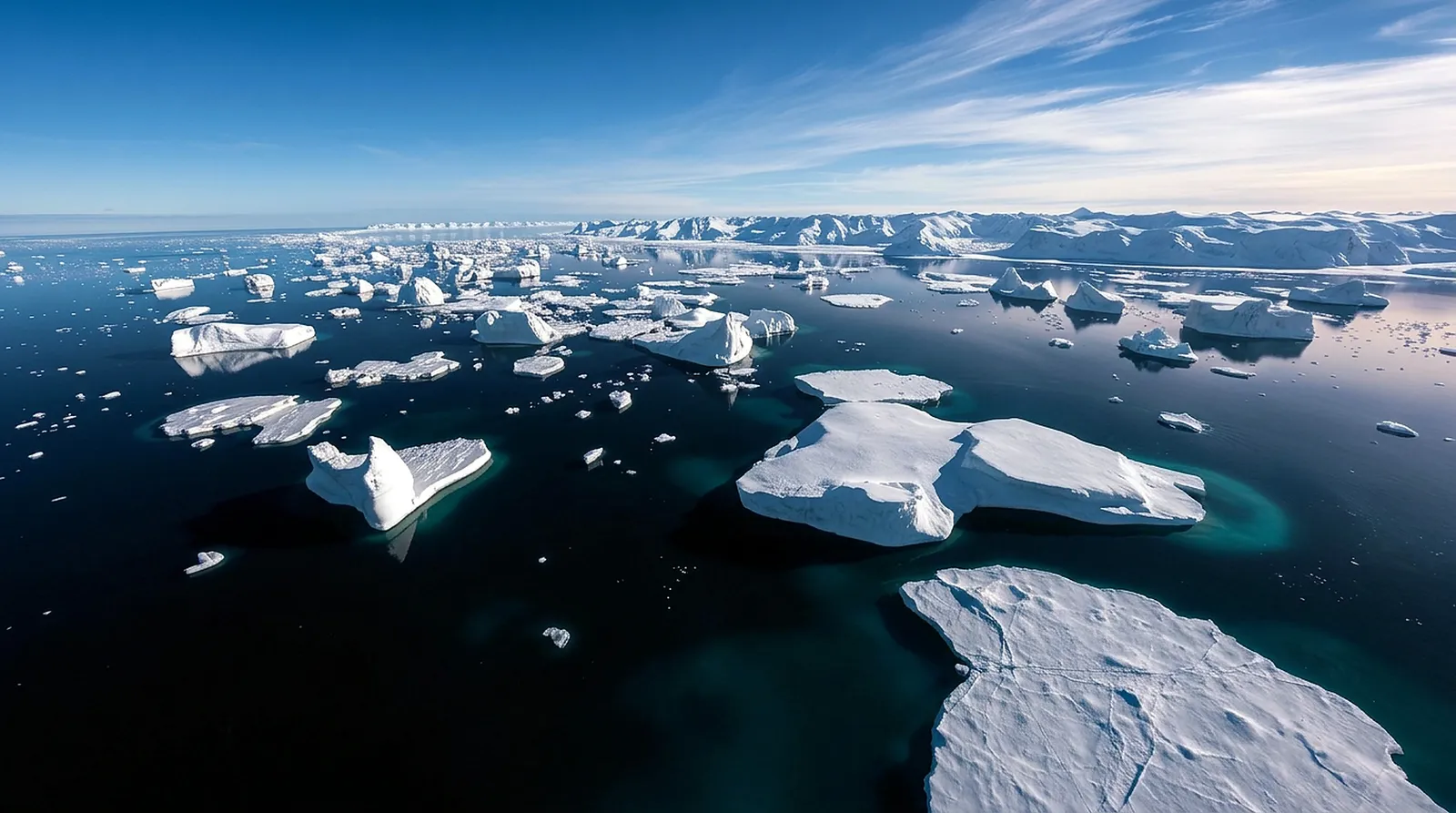
Diving in Antarctica during June is an experience unlike any other, primarily because it’s the heart of the Antarctic winter. Let's be upfront: this is an extremely challenging time to dive, and for good reason. Most dive operators and expeditions to the Antarctic Peninsula, where the majority of diving takes place, cease operations during the winter months due to the harsh and unpredictable conditions. The daylight hours are incredibly short, often limited to just a few hours around midday, if the sun even manages to peek through the thick clouds. Sea ice is at its most extensive, often forming a thick, impenetrable barrier across channels and bays, making navigation treacherous or impossible for most vessels. Sea states are generally rougher than during the austral summer, with frequent storms bringing high winds and significant swells, making boat operations and Zodiac transfers to dive sites a real challenge and often unsafe.
Water temperatures are at their absolute coldest in June, typically hovering around -1°C to 1°C (30°F to 34°F). This is bone-chillingly cold, even with the best drysuit gear, and demands expert cold-water diving experience. Visibility can be quite variable. While the water itself is often crystal clear, the increased presence of sea ice can sometimes stir up sediment in shallower areas or reduce ambient light significantly, impacting underwater clarity. However, in deeper, open water sections between icebergs, visibility can still be excellent, ranging from 15 to 30 meters. Currents are generally less of a concern in the sheltered bays and fjords typically chosen for diving, but exposed areas can experience strong, unpredictable flows, especially around headlands and narrow passages.
The vast majority of liveaboard expeditions catering to divers are not operational in June. The season typically runs from November to March, coinciding with the austral summer. Attempting to organize a dive trip in June would involve a highly specialized, private charter with significant logistical challenges, extremely high costs, and a much higher risk profile due to the extreme weather and ice conditions. Even then, the options for dive sites would be severely limited by ice cover.
What you will see
If, by some extraordinary means, you were to dive in Antarctica during June, the marine life would still be present, but perhaps in different patterns than during the warmer months. You'd be diving into a world beneath the ice, a truly alien landscape. Pelagic sightings, such as various species of whales, are less common closer to shore in the deep winter, as many cetaceans migrate north to warmer waters to breed. However, seals, particularly Weddell seals and crabeater seals, are resident year-round and can be found resting on ice floes or swimming beneath them. Leopard seals, formidable predators, are also present, though encounters underwater would be rare and require significant caution due to their predatory nature. While rare, you might glimpse various species of Antarctic fish, including notothenioids, adapted to extreme cold with antifreeze proteins in their blood.
Without the blooms of krill that characterize the summer, large aggregations of filter feeders are less prevalent. However, the ecosystem beneath the ice is still vibrant. You would encounter a stunning array of invertebrates: brightly colored sea anemones, sponges, crinoids, and starfishes clinging to walls and rocks, often in surprisingly diverse and dense communities. The stark contrast of these vivid organisms against the monochromatic backdrop of ice and rock is breathtaking. Penguins, though mostly on land during the breeding season in summer, can still be seen in the water, particularly emperor penguins, which breed during the winter. You might witness them porpoising through the water or even hunting for food beneath the surface. The sight of these birds gracefully navigating their icy world underwater is truly unforgettable.
The true marvel in June diving, however, would be the ice itself. Exploring the undersides of icebergs, seeing the light filter through cracks, and observing the intricate formations sculpted by currents and temperature is an experience reserved for the most intrepid. The marine life you encounter will be hardy, specialized species, perfectly adapted to this extreme environment, offering a unique glimpse into the Antarctic winter ecosystem.
Top dive sites this month
Given the extreme conditions and extensive ice cover in June, naming "top dive sites" in the traditional sense is challenging, as most are inaccessible. However, if conditions were to permit and a highly specialized ice-capable vessel were available, certain regions known for their sheltered bays and potential for lead formation (cracks/openings in the ice) might offer a chance for diving. The Lemaire Channel and Paradise Harbour, both iconic summer dive locations, could, in theory, offer limited access in carefully chosen, sheltered spots if breaks in the ice occur. These areas are known for their dramatic underwater topography and abundant sessile invertebrates. Visibility is often excellent here when ice conditions allow, revealing vibrant walls covered in an assortment of anemones and sponges.
Another potential region, again under highly specific and rare circumstances, might be certain bays around Palmer Archipelago, such as around Elephant Island (if conditions are unusually mild for winter) or smaller bays along the Antarctic Peninsula that might experience temporary ice breaks. These locations offer sheltered environments where the rich invertebrate life can thrive on rocky substrates. Diving here would primarily be about exploring the incredible beauty of the ice formations themselves and searching for small, hardy creatures clinging to the sub-ice environment, rather than large pelagic action. Again, it is crucial to reiterate that these are highly hypothetical scenarios for what is a virtually non-existent dive season.
Practical tips for your trip
Let's be unequivocally clear: planning a dive trip to Antarctica for June is currently not a feasible option for recreational divers. The vast majority of expedition liveaboards, including those with dedicated dive programs, operate strictly during the austral summer months (late November to early March). There are no regularly scheduled liveaboard departures for diving in June. Any attempt to dive in Antarctica during the winter would necessitate a private, extremely costly, and highly specialized charter of an ice-strengthened vessel, likely with dedicated scientific or extreme exploration objectives, rather than a tourist dive trip.
If, purely hypothetically, such an opportunity arose, you would absolutely need a full drysuit setup with comprehensive cold-water training and extensive experience diving in sub-zero temperatures. Think thick thermal undergarments, heated vests, double gloves (dry gloves essential), and redundant cold-water regulators. This month is definitively not suitable for beginners; it demands advanced cold-water diving skills, excellent buoyancy control, and a high level of physical fitness to manage exposure suit inflation and extreme gear. Packing would involve extreme cold-weather clothing for topside, along with all your specialized drysuit gear. Be aware of the very real risks of frostbite, hypothermia, and extreme weather variability. Given the current reality, Blue Rides emphasizes planning your Antarctic dive adventure for the conventional summer season when conditions are more permissible and operators are available to offer an incredible, albeit still challenging, experience.
Year-round overview for Antarctica
Frequently asked questions
Is June a good month to dive in Antarctica?
What can you see diving in Antarctica in June?
Should I book a Antarctica liveaboard for June or wait?
Find a liveaboard for June
Compare available Antarctica liveaboards departing in June.
Search and Book