Conditions in October
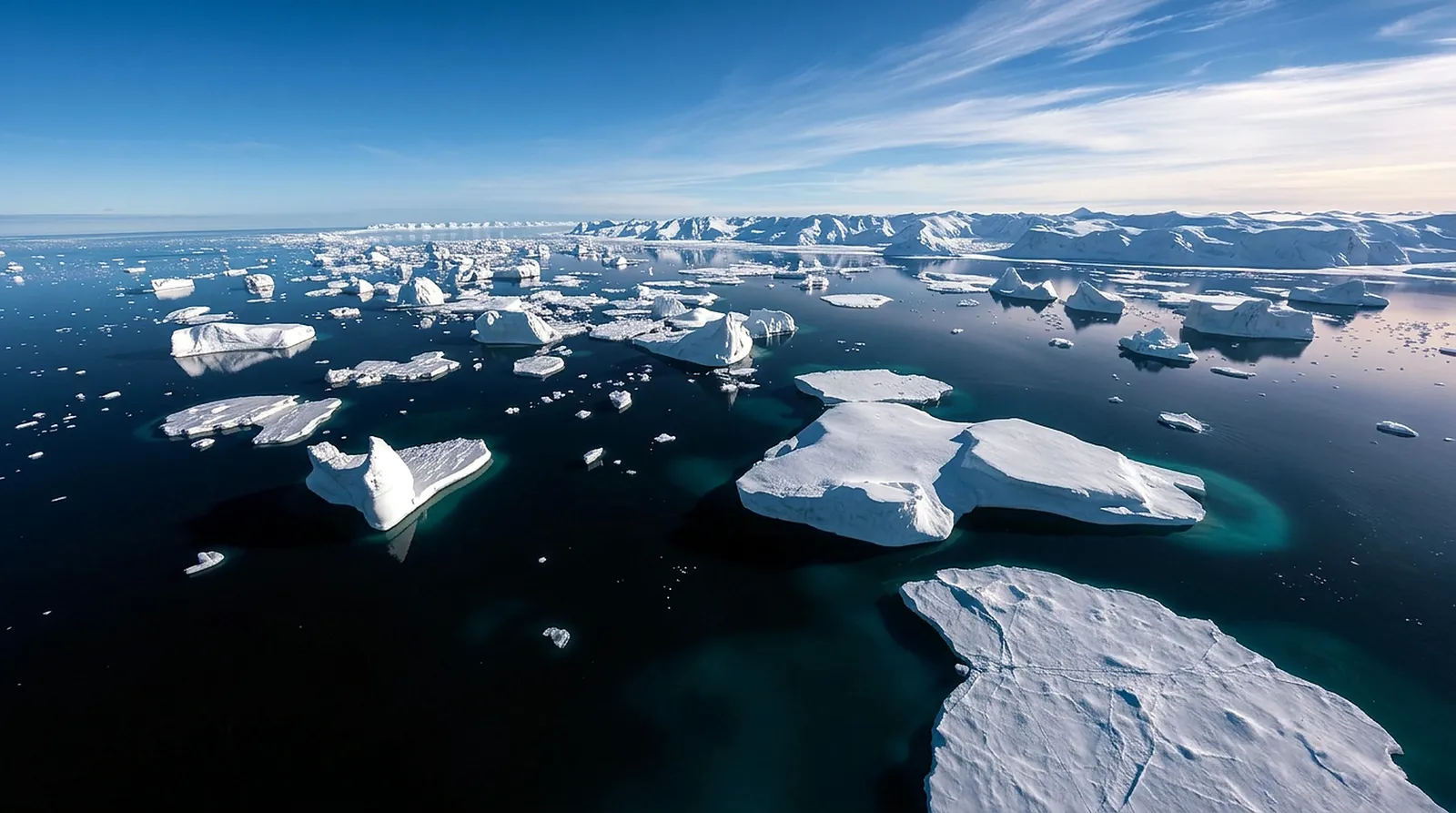
Diving in Antarctica in October is an experience for the truly adventurous, marking the very beginning of the austral summer season. Think of it less as a balmy escape and more as an icy, exhilarating adventure. Water temperatures are uniformly frigid and near freezing. You’ll be wearing thick drysuits, naturally, but even then, the cold is pervasive. Visibility, however, can be surprisingly good. As the ice begins its annual retreat, the waters are often clear, offering excellent visibility, especially before the full bloom of plankton later in the season. Surface conditions are a different story; October can be quite unpredictable. The Drake Passage, famous for its tumultuous waters, is often at its most boisterous, so prepare for a potentially rough crossing. Once you’re within the sheltered bays and channels of the Antarctic Peninsula, the sea state usually calms down significantly, allowing for relatively comfortable diving operations. However, icy conditions and brash ice can still be prevalent in coves and bays, adding to the logistical challenges and the sheer awe of the environment.
Weather-wise, October sees the first significant increase in daylight hours after the long winter, but sunshine is never guaranteed. Expect a mix of cloud cover, snowfall, and occasional clear skies. Air temperatures will often hover around or below freezing. Winds can be strong, contributing to the biting cold. Currents in the dive sites themselves are generally mild in October within the protected areas you’ll be exploring, but always listen carefully to your dive guides; conditions can change rapidly. The biggest challenge in October diving isn't necessarily strong currents, but rather navigating around icebergs, growlers, and bergy bits, which dictate dive site selection and entry/exit points more than anything else.
What you will see
October in Antarctica offers a glimpse into a world just awakening from its winter slumber, and it's a prime time for certain wildlife encounters. While you won't see the large aggregations of whales that appear later in the season, you might witness the first Humpback and Minke whales making their way south, often spotted from the surface. Beneath the waves, the ice itself is the star of the show. Imagine diving around monumental icebergs, their submerged parts glowing an ethereal blue, sculpted into fantastical shapes by the relentless ocean. You'll encounter fascinating ice formations, from vast ice caves to sparkling ice walls, each dive a unique exploration of frozen architecture. Keep an eye out for Weddell seals and Crabeater seals; these curious creatures are often spotted both on ice floes and gracefully gliding through the water, sometimes coming surprisingly close to divers. Leopard seals, apex predators of the Antarctic, are also present, though sightings underwater are rare and always managed with extreme caution by your expedition team.
The benthic life, though less colorful than tropical reefs, is remarkably diverse and resilient. Look for bizarre-looking Antarctic sea spiders (pycnogonids), various species of sea cucumbers, vivid sponges, and an incredible array of anemones clinging to the rocky seafloor. Juvenile fish are often found in the shallower, slightly warmer waters beneath the ice. While you won't find pelagic manta rays or sharks here, the Antarctic offers its own unique brand of pelagic life: krill. Billions of these tiny crustaceans form the base of the food chain and, though individually small, their massive aggregations are a sight to behold and attract all the larger marine life. October’s diving is about the pristine environment, the incredible ice formations, and the hardy, adapted species that thrive in this extreme wilderness, often with fewer other divers around compared to peak season.
Top dive sites this month
Given the early season and prevalence of ice, dive site selection in Antarctica in October is more dynamic than later in the summer, heavily influenced by ice conditions and weather. However, certain areas along the Antarctic Peninsula and its surrounding islands typically offer fantastic opportunities. Port Lockroy, a historic British base, often provides sheltered conditions and opportunities to dive near gentoo penguins and observe the rich benthic life around its rocky shores. The water here can be particularly clear, offering stunning views of submerged ice formations.
Another excellent region is the Melchior Islands archipelago. Its numerous islands and sheltered bays, like those around Omega Island, create calm diving environments, making it ideal for exploratory dives among icebergs and observing seals. Here, you can encounter some of the more unique invertebrate life. Finally, the waters around Deception Island, a flooded caldera, offer a truly unique experience. While a geothermal anomaly means slightly warmer water in some parts, the visual spectacle of diving around volcanic vents and abandoned whaling station relics submerged in cold water is unparalleled. The inner bay here is often more protected from the severe weather, making it a viable option even at the start of the season. These sites primarily offer ice diving, seal encounters, and exploration of unique benthic life.
Practical tips for your trip
If you're considering a dive trip to Antarctica in October, you’re looking at an adventure-first experience. This month is definitely for experienced drysuit divers. You’ll need excellent buoyancy control and comfort in cold, often challenging conditions. While you won’t encounter strong currents at typical dive sites, the overall environment demands a high level of preparedness and a solid understanding of cold-water diving protocols. Wetsuits are generally not an option for diving in these temperatures; a well-fitted, good-quality drysuit is absolutely essential, along with thick undersuits, dry gloves, and a hood. Many liveaboards will require you to bring your own drysuit and all associated gear, though some might have limited rental options for other equipment.
Liveaboard availability in October is limited as it’s the very start of the season, so booking well in advance is crucial. You’ll find fewer options compared to December or January, but this also means fewer people. Pack an abundance of warm layers, both for under your drysuit and for topside excursions. Think wool, fleece, and down. Waterproof and windproof outer layers are non-negotiable. Don't forget high-quality sunglasses, sunscreen (the UV rays reflecting off snow and ice are intense!), and rehydration packs, as the cold dry air can be surprisingly dehydrating. Be aware that itineraries are always flexible in Antarctica, especially in October. Ice conditions, weather, and wildlife sightings will dictate daily plans, so flexibility and an open mind are key. This isn't a trip for ticking boxes; it's an expedition into one of the planet's last true wildernesses, offering unparalleled photographic opportunities and truly unique diving experiences for those brave enough to embrace the cold.