Conditions in October
Diving in Jardines de la Reina in October presents a fantastic opportunity to experience Cuba's unspoiled marine sanctuary. You're generally looking at some truly pleasant conditions for exploration beneath the waves. Air temperatures remain warm, making surface intervals and topside activities very comfortable. humidity is relatively high, as is typical for the Caribbean, but the sea breeze offshore on your liveaboard mitigates this nicely.
The sea state in October is usually quite calm, with light to moderate swells being the norm. However, October falls within the regional hurricane season, which brings unsettled weather risks across Cuba, though calm spells still occur between systems. Long-term average sea temperatures in October: about 29 °C (85 °F) around Cienfuegos (south coast). This means you can comfortably dive with a thinner wetsuit, or even a rashguard for those who prefer minimal exposure protection.
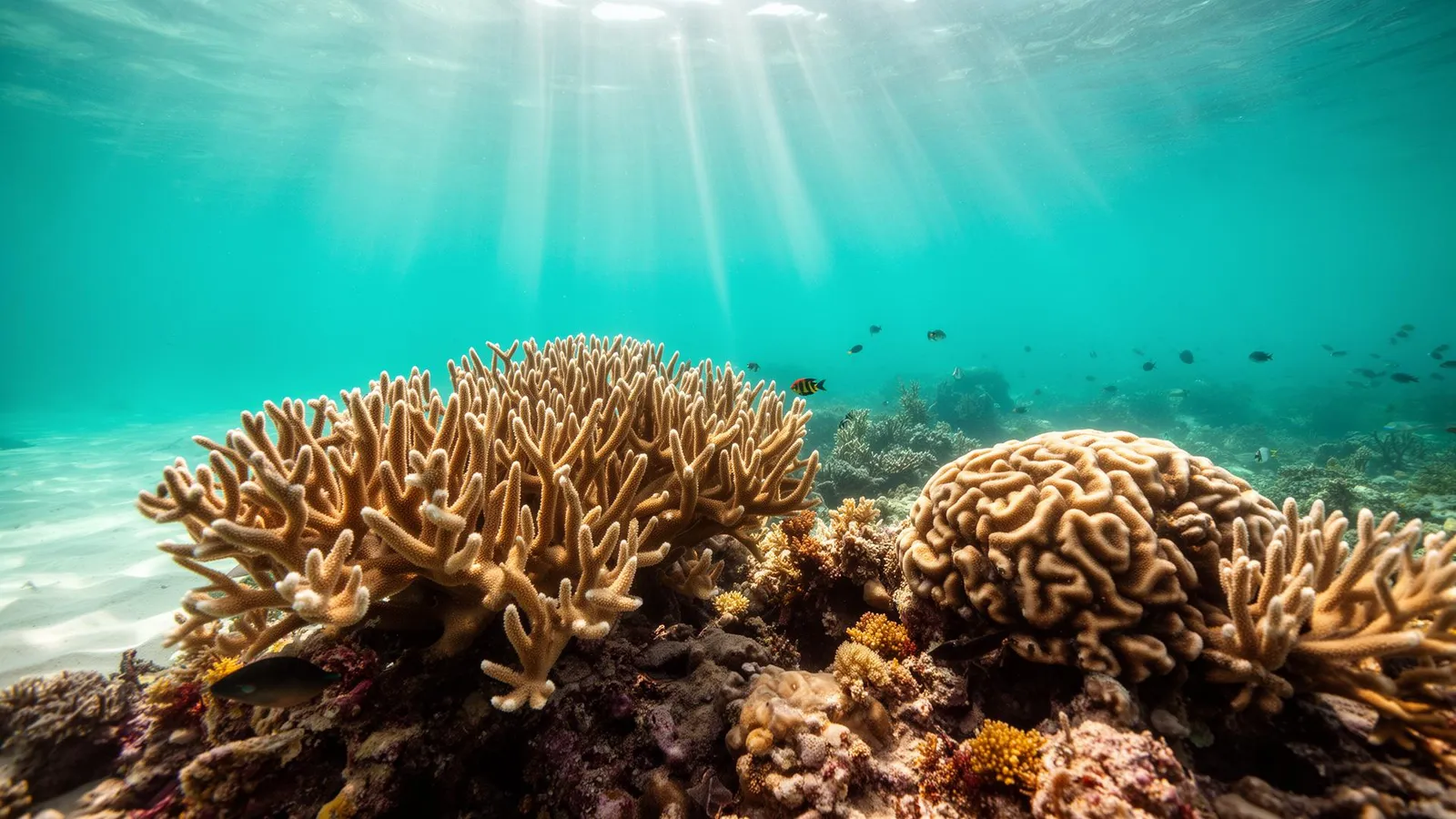
Visibility is typically excellent in October, often offering clear views. The clear Caribbean waters, combined with the protected nature of Jardines de la Reina, ensure stunning panoramic views of the vibrant coral reefs and abundant marine life. Currents are generally mild to moderate throughout the archipelago, making for relaxed drift dives and easy navigation. There aren't usually strong, unpredictable currents that would challenge less experienced divers, making it a great time for all skill levels.
What you will see
October in Jardines de la Reina is a prime time for exhilarating shark encounters. The healthy and protected ecosystem here means you'll consistently encounter Caribbean reef sharks on almost every dive. These magnificent creatures are curious and often approach divers closely, offering incredible photo opportunities. Beyond the reef sharks, you might also spot silky sharks cruising in the blue, especially around deeper walls and cleaning stations. Nurse sharks are common residents, often found resting under ledges or moving slowly across the sandy bottom. While less frequent, large pelagic sharks like hammerheads and even oceanic whitetips are occasionally sighted, adding an extra thrill to your dives.
While October isn't typically peak season for massive manta ray aggregations, you still have a decent chance of encountering the resident reef mantas gracefully feeding on plankton. Keep an eye out in channels and along reef edges where currents might bring nutrient-rich waters. The reefs themselves are teeming with life; expect to see a profusion of colorful reef fish such as snapper, grunt, angelfish, butterflyfish, and parrotfish. Large groupers, including goliath groupers, often patrol the reefs, especially around wrecks and rocky outcrops. The sheer abundance and pristine nature of the coral formations provide a spectacular backdrop to these lively ecosystems.
Macro enthusiasts won't be disappointed either. Look closely among the corals and sponges for fascinating smaller critters like various species of nudibranchs, cleaner shrimp, and crabs. Octopus and moray eels are common inhabitants, often peeking out from their rocky hideaways. The pristine condition of Jardines de la Reina means you're seeing a truly untouched Caribbean ecosystem, and every dive offers a chance for unique and memorable encounters. The biodiversity is outstanding, and the consistent presence of top predators like sharks truly sets this destination apart.
Top dive sites this month
In October, several dive sites in Jardines de la Reina truly shine, offering phenomenal experiences. Pipín is a perennial favorite, and for good reason. This site is renowned for its incredible Caribbean reef shark encounters, often with sharks approaching divers within arm's reach. The topography features a vibrant reef slope descending to a sandy bottom, with numerous swim-throughs and overhangs to explore. The consistent shark activity here makes it a must-do in October.
Another excellent choice is Laberinto (The Labyrinth), named for its intricate network of coral canyons, swim-throughs, and caverns. It's an explorer's paradise, offering diverse topography alongside healthy coral gardens and abundant reef fish. You'll often find nurse sharks resting in crevices and large schools of snapper moving through the channels. For a taste of the deeper reef and potential pelagic sightings, La Cara del Tiburón (Shark's Face) is a fantastic wall dive that drops off into the blue. Here, you're more likely to spot silkies or even the elusive hammerheads in the deeper waters while Caribbean reef sharks patrol the wall. These sites, combined with the generally excellent conditions in October, promise an unforgettable diving adventure.
Practical tips for your trip
The right wetsuit depends on the water temperature at your sites, how many dives you do and how easily you get cold, so ask your operator what guests usually wear. Some might even be comfortable in just a rashguard for sun protection and minimal warmth, though a 3mm suit offers better protection against potential stings or abrasions. This month is highly suitable for divers of all experience levels. The calm seas, excellent visibility, and generally mild currents make it a comfortable and rewarding experience for beginners, while the consistent shark action and pristine reefs provide plenty of thrill for advanced divers.
Liveaboard availability in Jardines de la Reina around October can vary. While it's outside the absolute peak season of spring, it's still a popular time due to the pleasant conditions. Booking well in advance is always recommended to secure your preferred liveaboard and cabin type, especially if you have specific dates in mind. When packing, think light and breathable clothing for topside. Don't forget your polarized sunglasses, a wide-brimmed hat, and plenty of reef-safe sunscreen. A good reusable water bottle is also a smart addition. Remember, you'll be on a liveaboard in a remote, protected area, so bring any personal medications, a good book, and extra camera batteries. Be aware that internet connectivity is very limited, if available at all, encouraging you to truly disconnect and immerse yourself in the natural beauty of this incredible destination.
Regional notes
Each note applies only to the named region, not to the whole country.
- Cienfuegos (south coast): Average sea temperature 29.3 °C (85 °F)