Conditions in October
October marks the beginning of the prime dive season in Djibouti, a time when the Red Sea currents start to bring in cooler, nutrient-rich waters, creating an exceptional environment for marine life. While the scorching summer heat has begun to mellow, you can still expect warm, sunny days. In October, historical mean daily air-temperature minima and maxima at Djibouti airport (Gulf of Tadjoura) are 25.6–33.1 °C (78–92 °F) (1961–1990). These are coastal station averages, not offshore forecasts. The sea state during October is generally calm, making for comfortable boat rides and easy entries and exits from your liveaboard. This is a significant advantage, especially when you're maximizing your dive time.
Long-term average sea temperatures in October: about 30 °C (86 °F) around Djibouti City (Gulf of Tadjoura). Visibility is excellent, providing clear views of the vibrant coral reefs and the pelagic action that Djibouti is famous for. While currents can be present, especially around the deeper pinnacles and drop-offs, they are generally manageable. Your experienced dive guides will always assess conditions and position the boat accordingly to ensure exhilarating drift dives without being overly challenging.
The transition from summer to autumn in Djibouti is a sweet spot for divers. It’s when the water is still bathtub warm, but the marine activity kicks up a notch as the plankton blooms start to attract larger filter feeders. You'll find yourself reveling in ideal conditions for both macro photography opportunities and breathtaking encounters with majestic big animals, making every dive an unforgettable experience.
What you will see
October in Djibouti is synonymous with one thing: whale sharks. This month is at the very beginning of the primary whale shark season, which typically runs from October through February. Young whale sharks congregate in the Gulf of Tadjoura, particularly around the areas fed by the Goubet al-Kharab. They are attracted by the plankton blooms, offering incredible opportunities for snorkeling and even diving encounters. Imagine surfacing from a dive to find a gentle giant cruising gracefully near your liveaboard – it’s a truly humbling experience. These encounters are generally shallow, making them accessible to snorkelers and divers alike, ensuring everyone gets a chance to see these magnificent creatures.
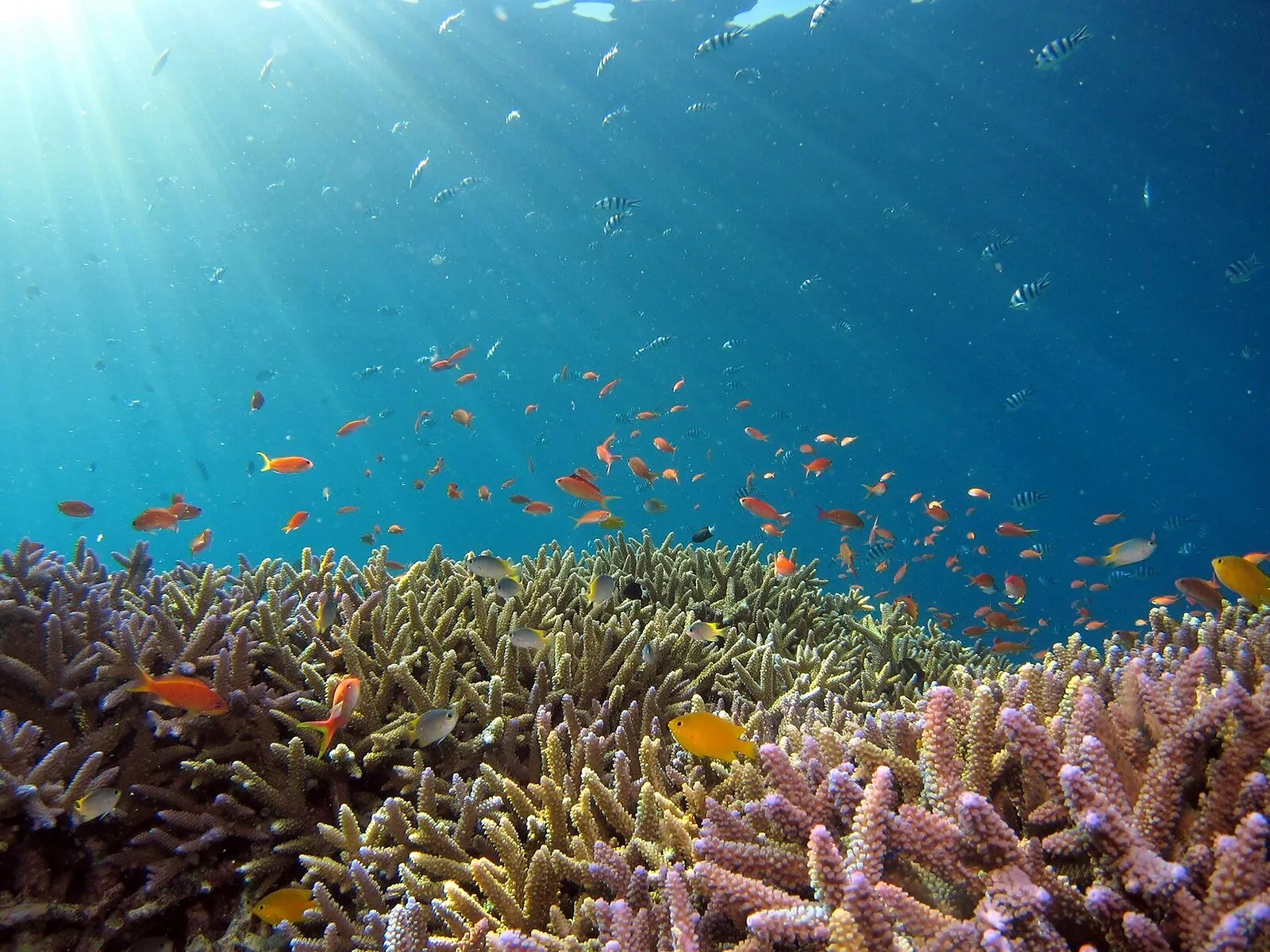
Beyond the iconic whale sharks, Djibouti's reefs are teeming with life. In October, the vibrant coral gardens are healthy and thriving, providing a home to an abundance of reef fish. You'll spot schools of fusiliers, snappers, and groupers swirling around the colorful hard and soft corals. Keep an eye out for resident pelagics like barracuda, trevally, and various species of reef sharks – both white-tip and black-tip reef sharks are common sightings. For those with a keen eye for macro, the healthy reefs also conceal critters like nudibranchs, gobies, and flamboyant cuttlefish.
The Red Sea's unique biodiversity, combined with the seasonal influx of nutrients, makes October a standout month for diverse marine encounters. While whale sharks are the unquestionable stars of the show, the sheer density of healthy reef ecosystems and the consistent presence of other large marine animals ensure that every dive offers something spectacular. You’re not just seeing one thing; you’re immersed in a thriving underwater world at its peak.
Top dive sites this month
For whale shark encounters in October, the areas around the Goubet al-Kharab and the Seven Brothers Archipelago are your absolute best bets. The Goubet al-Kharab, a deep water bay, acts as a nursery ground for juvenile whale sharks, making encounters here quite reliable. While it's largely a snorkeling experience with them, divers often encounter them during safety stops or as they ascend. The Seven Brothers (or Sept Frères) is a cluster of volcanic islands that offer breathtaking wall dives and vibrant coral reefs, attracting a greater diversity of marine life including reef sharks, large pelagics, and schooling fish, alongside the potential for whale shark sightings in the surrounding areas.
Another must-visit during October is the White Lady wreck. This tugboat, intentionally sunk, now serves as a vibrant artificial reef teeming with fish life and soft corals, offering fantastic penetration opportunities and excellent photography subjects. For a unique geological marvel combined with marine life, exploring the deeper parts of the Lake Assal region (though not a dive site itself, the surrounding areas' volcanic activity influences the marine environment) or the dramatic drop-offs of Khor Ambado are fantastic. These sites offer a diverse range of diving experiences, from shallow reef exploration to deeper drift dives, all benefiting from the month's excellent conditions and high marine activity.
Practical tips for your trip
The right wetsuit depends on the water temperature at your sites, how many dives you do and how easily you get cold, so ask your operator what guests usually wear. Some might even be comfortable in a rash guard if they tend to run warm. However, it's always a good idea to pack a full 3mm suit for protection against jellyfish (though rare) and extended bottom times. This month is fantastic for both beginner and advanced divers. The calm conditions, warm water, and abundant marine life create a welcoming environment for those still building their confidence, while the pelagic action and occasional currents provide excitement for experienced divers.
Liveaboard availability in October starts to pick up as the high season begins, so it's advisable to book your trip well in advance. Blue Rides offers a selection of premium liveaboards tailored for superb diving experiences in Djibouti, ensuring you have comfortable accommodation and access to all the best dive sites. What to pack? Besides your standard dive gear, don't forget plenty of reef-safe sunscreen, a wide-brimmed hat, sunglasses, and light, breathable clothing. A good camera (with appropriate housing, of course) is a must to capture those incredible whale shark encounters and vibrant reef scenes. Be aware that while Djibouti is generally safe, it's a conservative country, so respectful attire when visiting local communities is appreciated. Also, be mindful of local customs and always respect the marine environment – look, but don't touch!
Regional notes
Each note applies only to the named region, not to the whole country.
- Djibouti City (Gulf of Tadjoura): Average sea temperature 30.1 °C (86 °F)