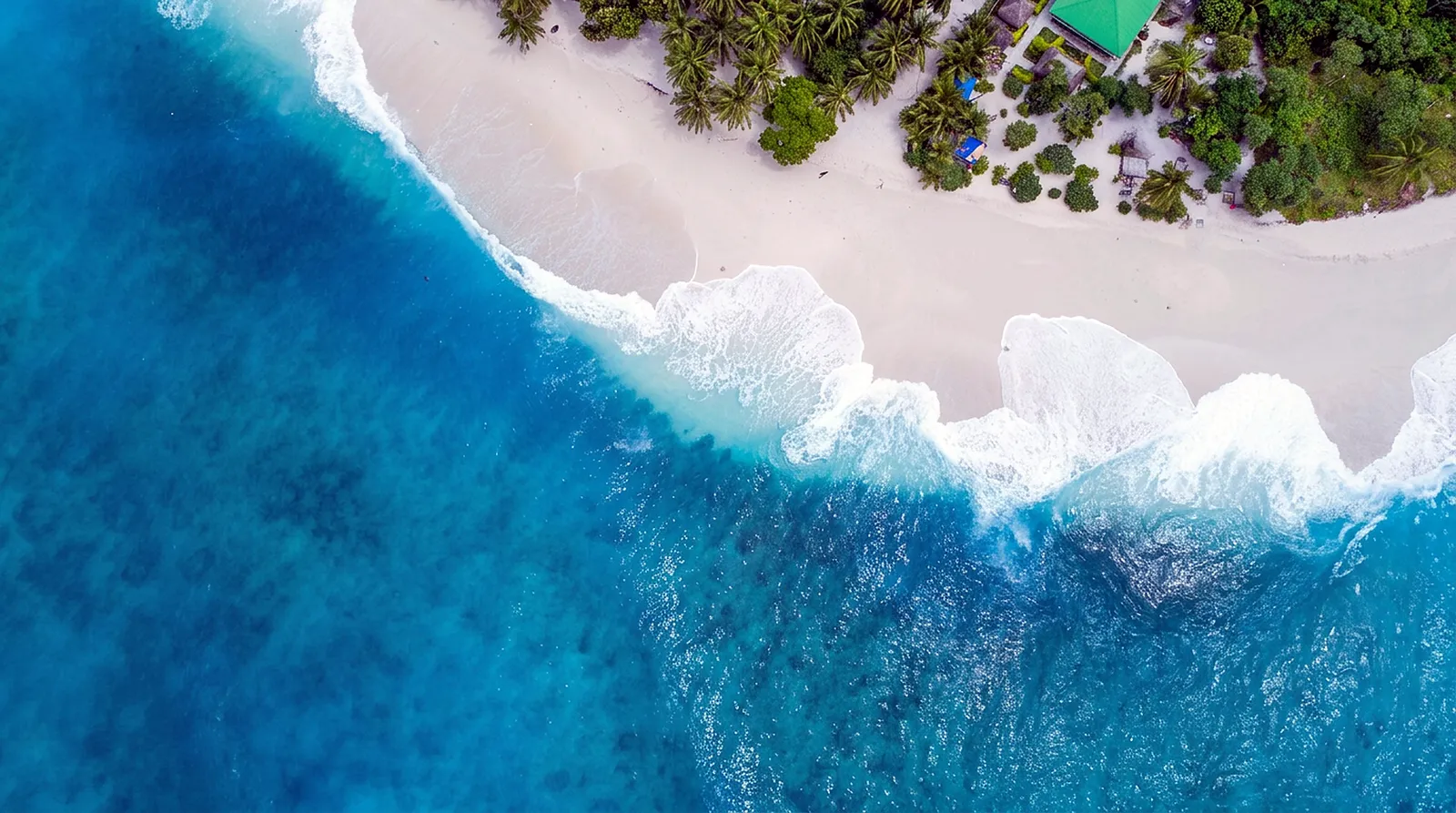
Conditions in October
October in Belize signals the beautiful transition from the wet to the dry season. While you should still anticipate some rain, it typically comes in short, powerful bursts, primarily overnight or in the afternoon, leaving plenty of sunshine for your surface intervals. The air is warm and humid, and the landscape is incredibly lush and vibrant from the preceding months of rain. One key consideration is that October is the final month of the official hurricane season. While the statistical risk is lower than in August and September, it’s not zero. The significant advantage of being on a liveaboard is that your experienced captain has the flexibility to navigate around any weather systems, constantly seeking out the calmest and safest conditions for your dives.
Once you slip beneath the surface, you’ll be rewarded with delightfully warm water. Expect temperatures consistently in the range of 28-29°C (82-84°F), making for incredibly comfortable and long dives. Visibility can be a mixed bag. Closer to the mainland, runoff from the rivers can reduce clarity. However, this is precisely why a liveaboard is the ultimate way to experience Belize. Out on the remote offshore atolls like Lighthouse Reef and Turneffe, you’re far from any coastal influence. Here, the visibility is typically very good to excellent, often ranging from 20 to over 30 meters (65-100+ feet). Sea states can be a little choppy on the crossings between atolls, but once moored, dive sites are almost always located on the protected, leeward sides of the islands, ensuring calm and easy entries and exits.
What you will see
While the famous whale shark aggregations of spring are a distant memory, October ushers in its own brand of pelagic magic. The outer atoll walls are highways for marine life, and you can expect fantastic encounters with the resident predators. Caribbean reef sharks are a near-certainty on almost every dive, circling gracefully in the blue or resting on sandy ledges. You’ll share the water with countless gentle nurse sharks, often found snoozing under coral overhangs. The stars of the walls are the spotted eagle rays; seeing a squadron of these majestic creatures soaring effortlessly past you is a moment you won’t forget. Keep a keen eye on the blue at the deeper sites, as the currents can sometimes bring in more elusive visitors like a solitary great hammerhead.
The reefs themselves are bursting with energy. The nutrient-rich waters from the tail-end of the rainy season fuel an explosion of life. You'll dive through immense, shimmering schools of horse-eye jacks, be surrounded by clouds of blue creole wrasse, and navigate past parades of yellowtail snappers. Belize’s barrier reef system, a UNESCO World Heritage site, is famously healthy. Prepare to be amazed by the sheer size and diversity of the sponges, including colossal barrel sponges and vibrant yellow tube sponges. Hawksbill and green turtles are also very common, often seen munching on sponges or leisurely swimming along the reef top. The sheer density of fish life is what makes Belizean diving so spectacular this time of year.
Don’t just look out into the blue; the reef’s nooks and crannies hold a treasure trove of macro wonders. Belize is home to the whitespotted toadfish, a fascinating and elusive creature endemic to the area, making a sighting a special treat for underwater photographers. Scan the gorgonians for slender filefish and trumpetfish trying their best to camouflage themselves. In the cracks, you’ll find spotted moray eels, arrow crabs with their spindly legs, and tiny Pederson's cleaner shrimp dancing to attract customers. Slowing down allows you to appreciate the smaller, intricate details of this complex ecosystem, providing a perfect contrast to the big-animal action on the walls.
Top dive sites this month
Your liveaboard itinerary will focus on the three spectacular outer atolls, taking you to Belize’s most iconic and pristine dive sites. The crown jewel is Lighthouse Reef, the most distant atoll. This is where you’ll dive the legendary Great Blue Hole. Descending into this perfectly circular, 124-meter (407-foot) deep sinkhole is a surreal experience. It’s a geological dive, not a reef dive; you’ll navigate between colossal stalactites formed when the cave was above sea level, an eerie and humbling experience. But the real marine life highlights of Lighthouse Reef are its walls. Half Moon Caye Wall is a world-famous vertical drop-off, plastered with gorgonians and sponges, and patrolled by eagle rays and reef sharks. Nearby, Long Caye Aquarium lives up to its name, offering a calmer dive with an incredible density and variety of reef fish.
You'll also explore Turneffe Atoll, the largest and most biologically diverse of the three. The must-do site here is The Elbow, located at the southern tip. This advanced drift dive is a magnet for marine life. As currents from different directions converge, they attract massive schools of jacks, snappers, and spadefish, with pelagics like sharks and eagle rays frequently making an appearance. It's a thrilling, high-voltage dive. Further south, Glover's Reef Atoll, another UNESCO World Heritage site and protected marine reserve, offers some of the most untouched coral formations in the Caribbean. Sites like The Pinnacles feature incredible coral spires rising from the depths, creating a unique underwater topography that is home to a staggering amount of fish life from top to bottom.
Practical tips for your trip
Packing for Belize in October is straightforward. With water temperatures a balmy 29°C (84°F), a 3mm shorty or a full-length wetsuit is more than sufficient for thermal protection, and many divers are comfortable in just a rash guard and shorts. This trip is wonderfully versatile, catering to a wide range of experience levels. While the currents at sites like The Elbow are best suited for advanced divers, the majority of wall dives at the atolls are breathtakingly beautiful drifts suitable for any certified diver with good buoyancy control. This makes it an excellent choice for groups or couples with mixed abilities – everyone will be challenged and amazed.
One of the best reasons to travel in October is that it’s considered the shoulder season. This means you’ll likely find better availability on top-tier liveaboards and enjoy the world-class dive sites with fewer other boats around. Besides your standard dive gear, be sure to pack a good quality, reef-safe sunscreen, a hat, polarized sunglasses, and a lightweight rain jacket for the occasional tropical shower. Insect repellent is also a must for any land excursions, like the fantastic visit to the red-footed booby sanctuary on Half Moon Caye. Finally, while the hurricane risk is low, it’s always prudent to have comprehensive travel and dive insurance. Your liveaboard crew are experts in weather tracking and will always prioritize your safety, ensuring you have a spectacular and secure adventure on the vibrant reefs of Belize.
Year-round overview for Belize
Frequently asked questions
Is October a good month to dive in Belize?
What can you see diving in Belize in October?
Should I book a Belize liveaboard for October or wait?
Find a liveaboard for October
Compare available Belize liveaboards departing in October.
Search and Book