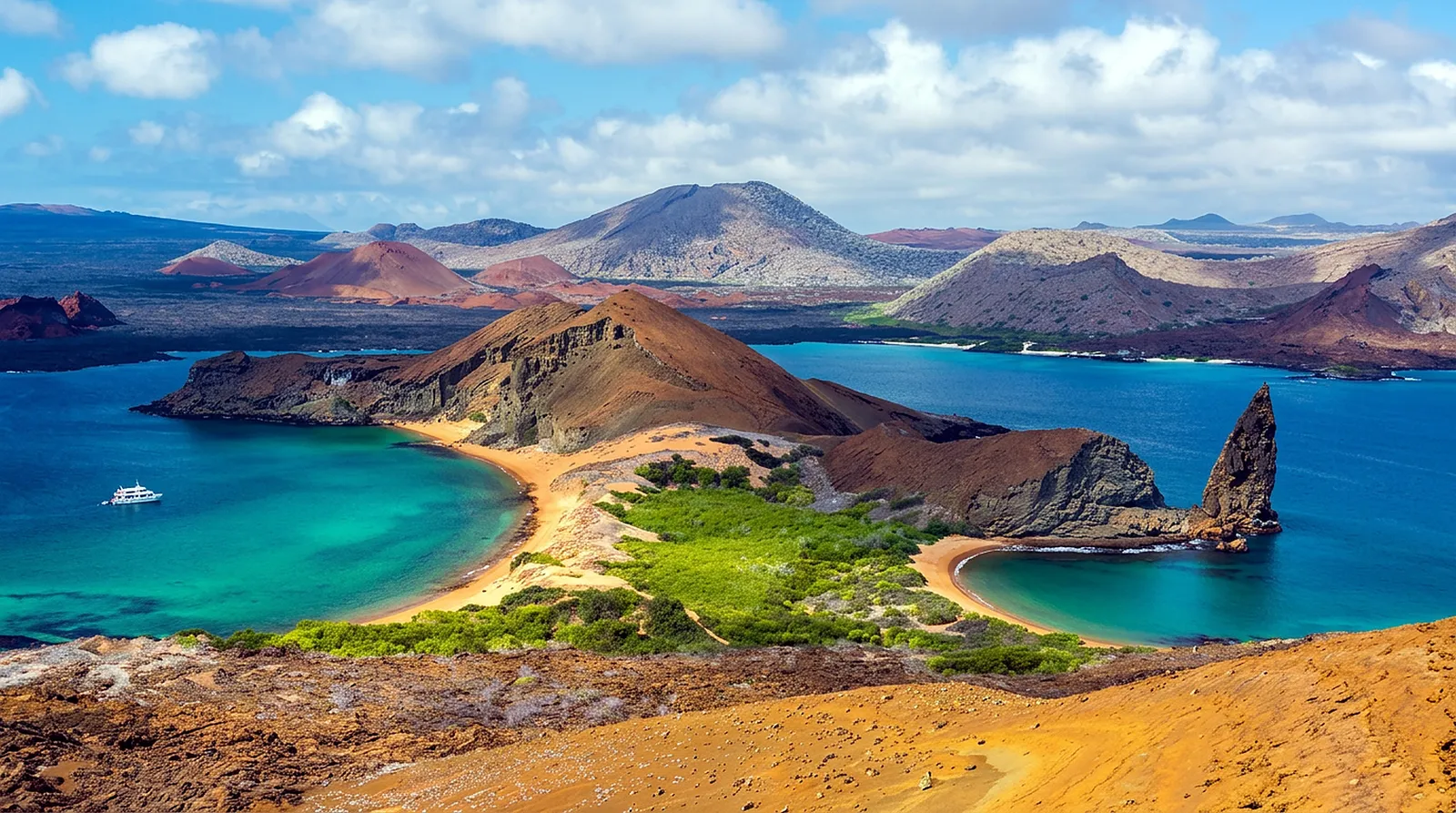
Conditions in October
October in the Galápagos Islands signals a transitional period, moving from the cooler, dry season towards warmer, wetter conditions, but still firmly within the influence of the Humboldt Current. This means you can expect air temperatures to average around 22-26°C (72-79°F), dropping slightly in the mornings and evenings. While the peak garúa (mist) season typically subsides by now, you might still encounter some overcast skies, particularly in the mornings, which often burn off to reveal sunshine. Surface conditions can be a mixed bag; while calmer seas are more prevalent around the central islands, the exposed northern sites like Darwin and Wolf will almost certainly present choppier waters due to oceanic swells and currents. If you're prone to motion sickness, be prepared for some rocking and rolling, especially during overnight transits.
Underwater, the water temperatures remain refreshingly cool, and this is precisely what makes October so exhilarating for marine life encounters. Expect an average of 20-24°C (68-75°F) around the central and southern islands. However, as you head north towards Darwin and Wolf, these temperatures can drop further, sometimes dipping to 18°C (64°F) or even lower due to upwellings of nutrient-rich water. This demands appropriate thermal protection, which we'll get to shortly. Visibility, while generally good in the Galápagos, can be variable in October. Near the nutrient-rich feeding grounds, especially around the northernmost islands, it might range from 15 to 25 meters. In other areas, you could enjoy splendid visibility exceeding 30 meters. What remains constant across the archipelago are the strong and often unpredictable currents. These are a hallmark of Galápagos diving, fueled by the convergence of several major ocean currents, and are a key factor in attracting the incredible pelagic life you're here to see. So, be prepared for drift dives and some serious finning – it’s all part of the adventure!
What you will see
October is a fantastic time for pelagic action in the Galápagos, largely thanks to the lingering cool, nutrient-rich waters brought by the Humboldt Current. While hammerhead shark aggregations at Darwin's Arch and Wolf Island are a year-round spectacle, October often sees them in prodigious numbers, forming massive schools that can number in the hundreds. You'll be constantly scanning the blue for the distinctive silhouette of these magnificent creatures. Silky sharks and Galápagos sharks are also abundant, often circling inquisitively. On a lucky day, you might also be treated to fleeting glimpses of tiger sharks or even whale sharks, though their peak season is typically winding down by this month; nonetheless, encounters are still possible and always breathtaking.
Beyond the sharks, the pelagic drama continues. Mobula rays and eagle rays are frequently sighted gliding gracefully through the water column, and the sheer number of green sea turtles and Galápagos sea lions you'll encounter is astounding. The playful sea lions are particularly curious and often interact with divers, providing unforgettable moments. Keep an eye out for unique Galápagos schooling fish, and if you’re diving in the right spots, you might even spot the intriguing red-lipped batfish. While October isn't typically known for large manta ray aggregations, individual sightings are always possible. The sheer density and variety of marine life during this month truly highlight why the Galápagos is a bucket-list destination for serious divers.
Top dive sites this month
For an October Galápagos dive trip, your liveaboard itinerary will undoubtedly focus on the legendary northern islands, Darwin and Wolf. These two remote outposts are the undisputed crown jewels of Galápagos diving and are where you'll experience the most exhilarating pelagic encounters. At Darwin's Arch, you'll be treated to the iconic hammerhead shark spectacle, often in incredible numbers, patrolling the reef. Wolf Island, with sites like Shark Bay and The Caves, offers similarly intense shark action, with massive schools of hammerheads, Galápagos sharks, and silvertips. The currents here are strong, but the reward is immense, making these sites perennial favorites for advanced divers seeking the ultimate adrenaline rush.
While Darwin and Wolf are the main draw, your liveaboard will also likely visit sites around Fernandina and Isabela, particularly Punta Vicente Roca. In October, the cold upwellings here create a prime feeding ground for various species. This is one of the best locations to spot the unique Galápagos marine iguanas foraging underwater, a truly surreal experience. You might also encounter Galápagos penguins zipping through the water, as well as sunbathing Galápagos fur seals on the surface. These central and western sites offer a fascinating contrast to the pelagic action of the north, showcasing the incredible biodiversity and endemism that defines the Galápagos.
Practical tips for your trip
Given the cooler water temperatures in October, a 5mm wetsuit is an absolute minimum, and for most divers, a 7mm wetsuit with a hood (or even a semi-dry suit for those who get cold easily) is highly recommended, especially for multiple dives a day at Darwin and Wolf. Your dive computer will be your best friend, along with a surface marker buoy (SMB) and a reef hook, which can be invaluable for holding position in strong currents. This month is generally best suited for experienced, advanced divers who are comfortable with strong currents, drift diving, and potential choppy surface conditions. While not exceptionally difficult, the environment demands good buoyancy control and an understanding of how to manage dynamic underwater situations.
Liveaboard availability in October can vary, but generally, it's a popular month due to the excellent pelagic action, so booking well in advance (6-12 months) is crucial to secure your spot on your preferred vessel. Beyond your dive gear, pack layers of clothing for varying air temperatures, good sunscreen, a wide-brimmed hat, and motion sickness medication – even if you don't usually need it, it's better to have it on hand for the potentially rougher seas. Remember that the Galápagos is a remote destination, so bringing any personal medications, toiletries, and extra batteries for your camera is always a good idea. Prepare for an unparalleled diving adventure; the wildlife encounters in the Galápagos in October are truly second to none.
Year-round overview for the Galápagos
Frequently asked questions
Is October a good month to dive in the Galápagos?
What can you see diving in the Galápagos in October?
Should I book a the Galápagos liveaboard for October or wait?
Find a liveaboard for October
Compare available the Galápagos liveaboards departing in October.
Search and Book