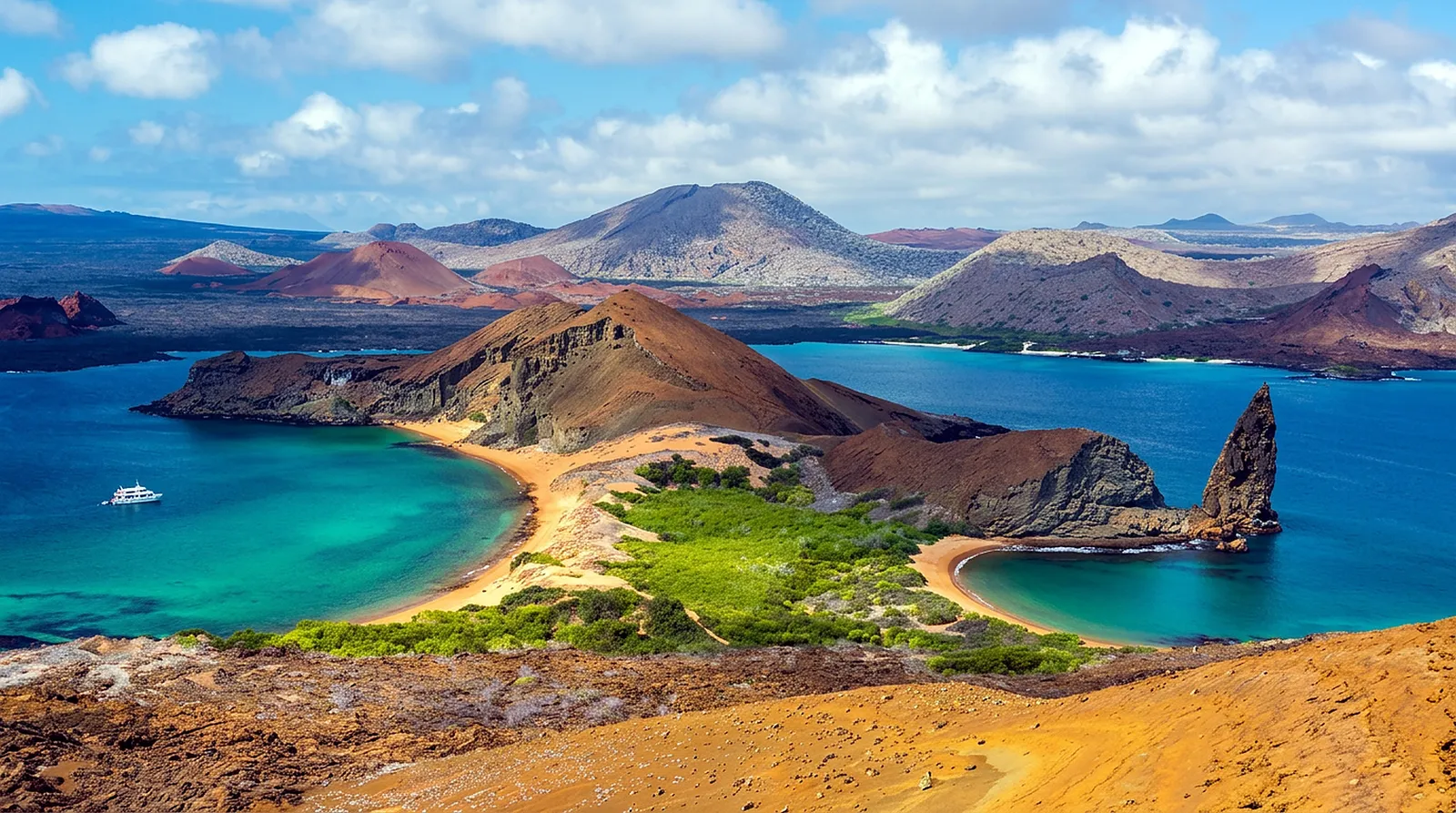
Conditions in December
So, you’re thinking about diving the Galápagos in December? Excellent choice! This month really kicks off the warm season, often called the "wet" or "dry" season depending on who you ask, but for us divers, it means a shift in conditions that can be incredibly rewarding. The air temperature hovers comfortably between 26-30°C (79-86°F), making surface intervals a joy. While it's technically the start of the "wet" season, usually this refers to more humidity and occasional afternoon showers, rather than continuous downpours. Don't expect monsoons; these are typically short and sweet, often clearing up quickly to reveal glorious sunshine.
When it comes to the water, you're in for a treat. December sees the Humboldt Current starting to recede, leading to a gradual increase in water temperature. Expect averages around 23-26°C (73-79°F) in the central and southern islands, though the northern sites like Darwin and Wolf can still be a bit cooler, perhaps 20-23°C (68-73°F) early in the month. This warmth brings with it a fascinating change in marine life behavior. Visibility can vary, but generally, it's good, ranging from 15 to 25 meters. You might encounter thermoclines, especially at deeper depths, where the colder, nutrient-rich water still bubbles up, attracting the big stuff.
Currents are always a feature of Galápagos diving, and December is no exception. They can range from mild to very strong, especially at those iconic northern dive sites. Drift diving is definitely par for the course here, and it’s how you cover a lot of ground and see an incredible amount of action. Keep an eye on your dive guide; they’re experts at reading the water and positioning you for the best encounters. While the waters are generally calmer than the cooler months, you should still be prepared for some choppiness, particularly when transiting between islands.
What you will see
December is a fantastic time for marine life in the Galápagos, largely due to the changing water temperatures. As the water warms, you’ll find a bustling underwater world. This is a prime time for massive schools of fish – think jacks, snappers, and barracuda – creating shimmering walls of silver. The warmer water also signals a good period for mantas and mobula rays, which are often seen gracefully gliding through the currents, especially around cleaning stations. You might also spot some of the endemic Galápagos sharks, like the Galápagos hogfish and the Galápagos bullhead shark, going about their business.
Now, let's talk about the big pelagics that put Galápagos on every diver’s bucket list. While whale sharks are more prevalent during the cooler months, you can still have lucky encounters in December, particularly in the northern reaches. However, December shines for its hammerhead shark aggregations. At sites like Darwin and Wolf, you can expect to see hundreds, if not thousands, of scalloped hammerheads schooling in impressive formations. This truly is an unforgettable spectacle. Blacktip reef sharks, whitetip reef sharks, and silvertip sharks are also abundant, making almost every dive an adrenaline-filled experience.
Beyond the sharks and rays, keep your eyes peeled for the unique local residents. Galápagos sea lions are playful and curious, often coming right up to divers to investigate. Marine iguanas can be seen foraging underwater for algae, a truly unique sight found nowhere else. Eagle rays, golden rays, turtles (green and hawksbill), and a vast array of colorful reef fish add to the vibrant tapestry of these waters. Even though it's not known for its macro, you’ll still find interesting nudibranchs, seahorses, and crustaceans if you take the time to look closely.
Top dive sites this month
Without a doubt, the stars of the show in December are the northern islands of Darwin and Wolf. These two remote islands are legendary for a reason. Darwin’s Arch and Wolf Island's various dive locations are where you'll encounter those incredible aggregations of scalloped hammerhead sharks, often schooling in the hundreds. You'll also likely see Galápagos sharks, silvertips, and the ever-present playful sea lions. While whale sharks are less frequent than in the colder months, they are still known to pass through, and the sheer volume of other pelagics makes up for it. The currents here can be robust, so embrace the drift and enjoy the ride.
Moving south, Cape Douglas off Fernandina Island is a phenomenal spot in December. This is one of the few places in the world where you can witness marine iguanas feeding underwater, something truly unique to the Galápagos. The cooler upwellings here also attract mola mola (oceanic sunfish) and a diverse range of other marine life. Close by, the waters around Isabela Island, particularly sites like Punta Vicente Roca, are superb for finding mola mola, Galápagos penguins, and various species of colorful reef fish. Cousin’s Rock, a small triangular-shaped islet, is another excellent choice for schooling hammerheads, eagle rays, and a vibrant reef system teeming with life, making it a reliable and exciting dive in December.
Practical tips for your trip
Considering the water temperatures in December, we strongly recommend a 5mm wetsuit, and if you tend to get cold, a 7mm or a 5mm with an additional vest or hooded vest wouldn’t go amiss, especially for those longer dives at depth in the northern sites. Galápagos diving is generally considered advanced, primarily due to the strong currents and the open ocean nature of many sites. While experienced divers will thrive, brave beginners with good buoyancy control and a sense of adventure could manage, but it's important to be realistic about your skills. You should ideally have experience with drift diving and comfortable in choppy conditions.
Liveaboard availability in December can be tight due to its popularity, being on the cusp of the dry, warmer season and holiday periods. Booking well in advance – think 9-12 months out – is absolutely essential to secure your spot on your preferred vessel. What should you pack? Beyond your dive gear, bring layers for surface intervals, reef-safe sunscreen, a good hat, and motion sickness medication if you’re prone to seasickness, as rough crossings can occur. Be aware that the Galápagos National Park has strict regulations to protect its unique ecosystem; follow your guide's instructions meticulously for responsible diving. Also, consider arriving a day or two early in Ecuador before your liveaboard departs to avoid any travel delays impacting your trip.
Year-round overview for the Galápagos
Frequently asked questions
Is December a good month to dive in the Galápagos?
What can you see diving in the Galápagos in December?
Should I book a the Galápagos liveaboard for December or wait?
Find a liveaboard for December
Compare available the Galápagos liveaboards departing in December.
Search and Book