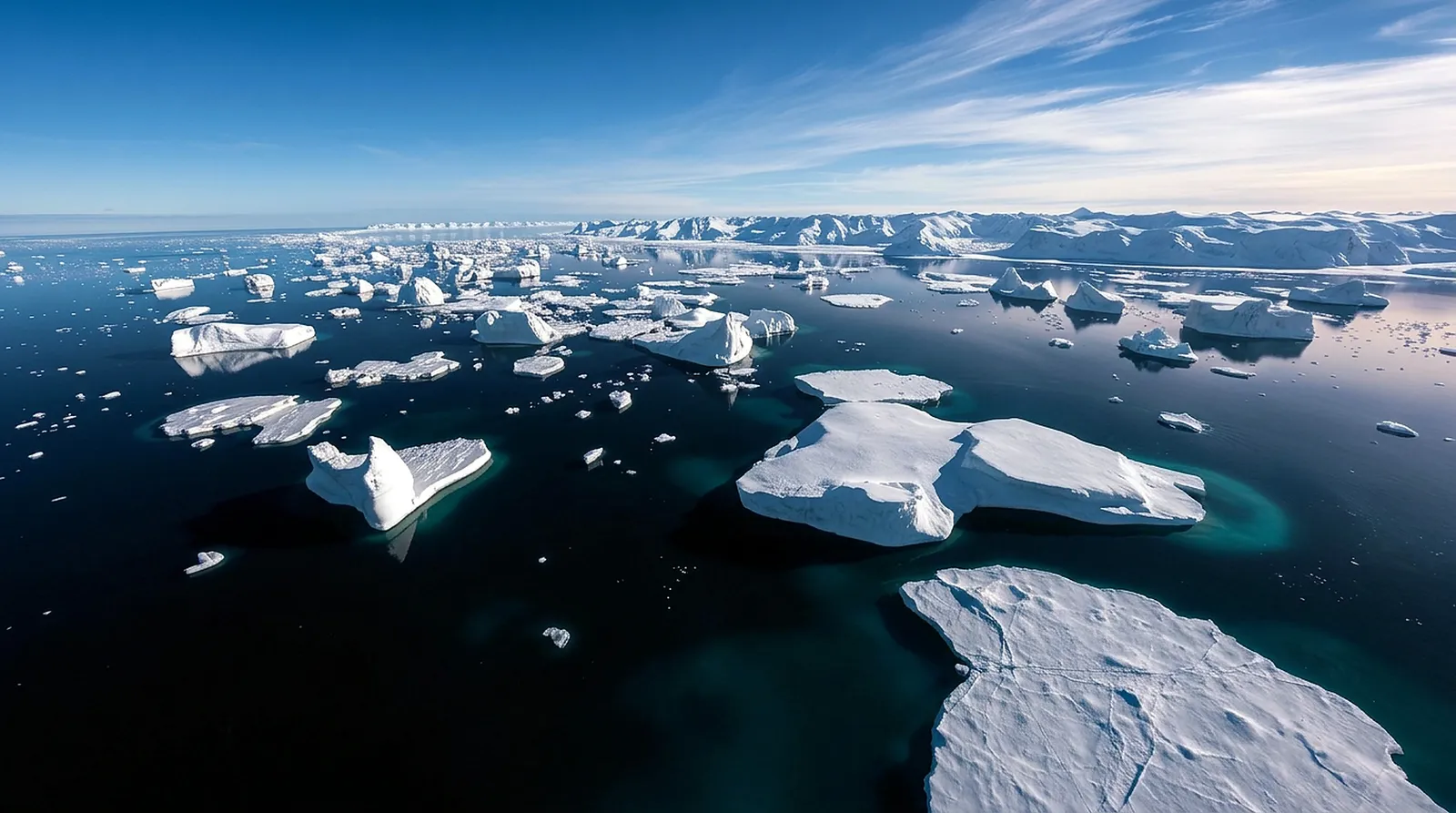
Conditions in December
So, you're contemplating a dive adventure to Antarctica in December? Excellent choice! December marks the very beginning of the austral summer, making it an ideal time to explore the frozen continent both above and below the surface. While it's considered summer, don't expect balmy tropical warmth. Air temperatures during December typically range from -2°C to 2°C (28°F to 36°F), so you'll still be bundling up when topside. The days are incredibly long, with almost 24 hours of daylight in the higher latitudes, which is fantastic for maximizing your time both diving and simply soaking in the breathtaking scenery.
When it comes to the water, you're looking at strikingly clear conditions. Visibility in December is generally excellent, often reaching 20-30 meters (65-100 feet) or even more in undisturbed areas. This is before the significant phytoplankton blooms of late summer reduce clarity, giving you an unobstructed view of the underwater world. Water temperatures, as you might expect, are frigid, hovering around -1°C to 2°C (30°F to 36°F). This means dry suit diving is not just recommended, but absolutely essential.
Sea conditions in the Drake Passage, which you’ll need to cross to reach the Antarctic Peninsula, can still be unpredictable in December, living up to its reputation. However, once you're among the islands and protected channels of the Peninsula, the waters are typically calmer, offering sheltered diving opportunities. Currents around the dive sites are generally mild to moderate, though local conditions can always vary, so listening to your dive master is key.
What you will see
December is a spectacular time for wildlife sightings in Antarctica, and this extends underwater. What you'll encounter is a unique blend of colossal ice formations and surprisingly resilient marine life. Forget about pelagics like mantas and sharks; Antarctica offers something entirely different. You’ll be diving among towering icebergs, intricately sculpted by wind and water, creating dramatic cathedrals of blue and white beneath the surface. The light filtering through these icy giants is truly otherworldly.
The underwater landscapes are dominated by vast kelp forests, creating an ecosystem teeming with life. As you explore these environments, keep your eyes peeled for Nudibranchs in vibrant hues, giant isopods, and a variety of colorful starfish clinging to the rocky seafloor. Crabs and shrimp are also common sights, often camouflaged among the abundant marine flora. The unique adaptations of these creatures to such extreme cold are fascinating to observe up close.
But it’s not just macro life you’ll encounter. December is when the penguin colonies are bustling with activity as they begin their breeding season, and you might spot penguins (Adélie, Gentoo, Chinstrap) darting through the water on their fishing expeditions. Leopard seals and Weddell seals are also frequently sighted, often resting on ice floes near dive sites, or gracefully moving through the water. While you won't be swimming with large pelagic sharks, the sheer density of primary producers during this early summer period supports a rich food web, making every dive an exciting exploration of an extreme environment.
Top dive sites this month
For incredible diving experiences in December, you’ll want to focus on several key areas along the Antarctic Peninsula. One standout is Port Lockroy, often referred to as the "penguin post office," where you can dive amongst Gentoo penguins busily going about their lives, occasionally whizzing past you underwater. The waters here are relatively sheltered, offering clear views of the abundant benthic life.
Another excellent choice is the area around Deception Island. This active volcano offers a unique geothermal influence on the underwater environment. While the water is still cold, the volcanic activity sometimes creates a noticeable difference. More importantly, the caldera walls and surrounding areas provide fascinating topography and interesting macro life. Finally, the dramatic ice formations in places like Paradise Bay and the Lemaire Channel are unparalleled. These areas combine stunning scenery with diverse marine habitats, making them incredible sites for exploring vast kelp forests and spotting seals and various invertebrates.
Practical tips for your trip
Let's talk practicalities. Given the extreme water temperatures, a dry suit is non-negotiable for diving in Antarctica. You'll need at least a 7mm undergarment, if not thicker, to maintain warmth. Make sure your dry suit skills are honed before you go, as buoyancy control and managing gear in these conditions are crucial. This destination is definitely better suited for experienced dry suit divers; beginners might find the conditions overly challenging. If you’re not highly comfortable in a dry suit, December in Antarctica might not be the best place to learn.
Liveaboard availability in December can be competitive as it’s the start of the prime season, so booking well in advance is essential. Expect to spend a significant amount on a trip of this nature – it's a once-in-a-lifetime experience, so it's a worthwhile investment. In terms of packing, think layers, layers, and more layers for topside. Waterproof and windproof outer shells are vital. Don't forget high-quality sunglasses to combat the bright glare off the snow and ice, and a good sunscreen. A strong camera system, preferably in an underwater housing, is a must-have to capture the unparalleled beauty of this unique dive destination. Be aware that rescue and medical facilities are extremely limited in Antarctica, so having comprehensive travel and dive insurance is absolutely critical. Also, be mentally prepared for the potential for rough seas during the Drake Passage crossing – it's part of the adventure!
Year-round overview for Antarctica
Frequently asked questions
Is December a good month to dive in Antarctica?
What can you see diving in Antarctica in December?
Should I book a Antarctica liveaboard for December or wait?
Find a liveaboard for December
Compare available Antarctica liveaboards departing in December.
Search and Book