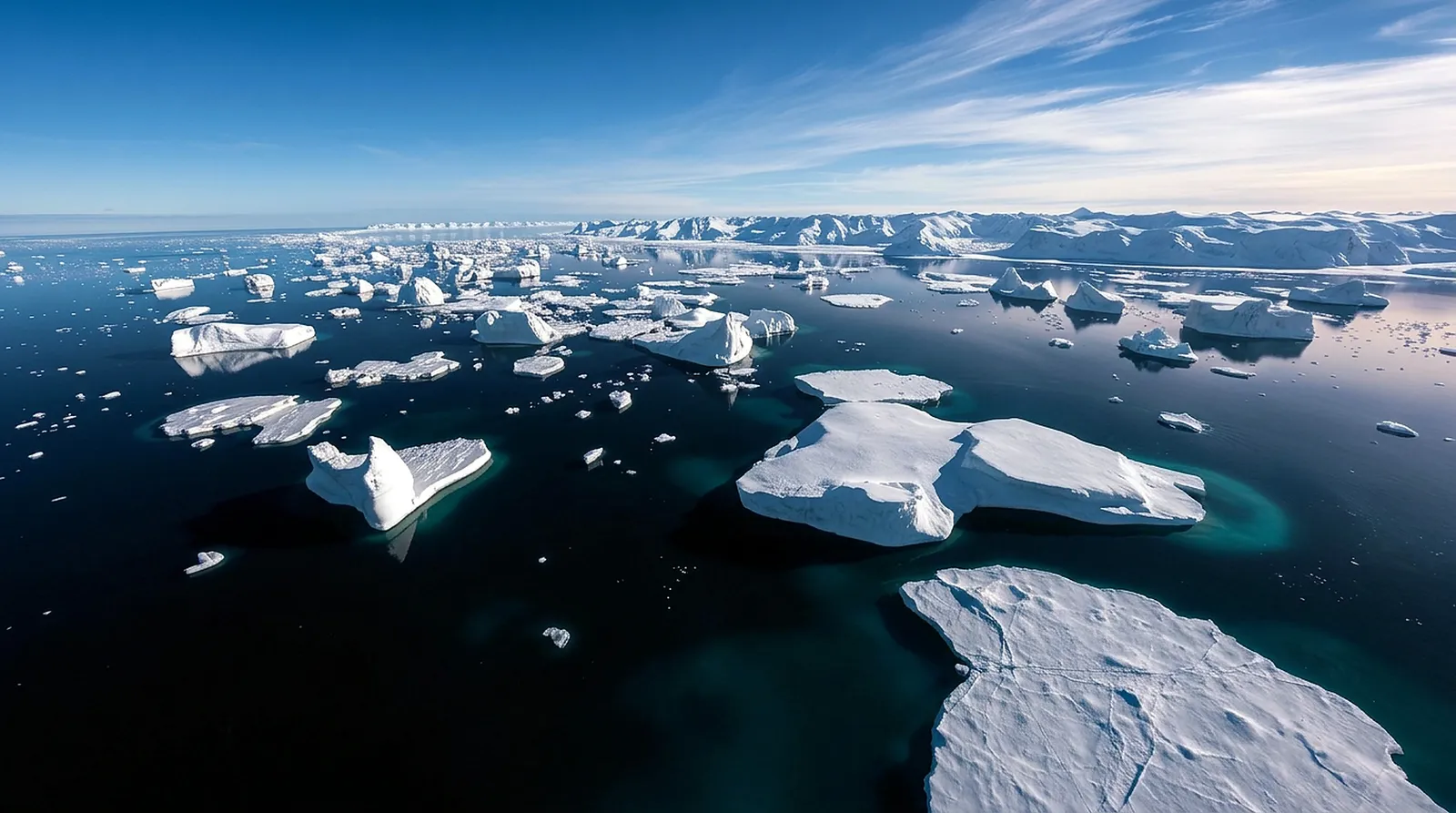
Conditions in May
Diving in Antarctica in May offers a truly unique and challenging experience. You're entering the shoulder season, transitioning from the tail end of summer into the encroaching Antarctic winter. This means you’ll encounter colder conditions, but also a pristine, less crowded environment. Air temperatures typically hover around -5°C to 0°C (23°F to 32°F), feeling even colder with the notorious Antarctic wind chill. Be prepared for robust winds and potentially rougher seas on the Drake Passage crossing. However, once you reach the sheltered bays and channels of the Antarctic Peninsula, you'll find more manageable conditions. Sea state within the calmer areas is generally good, allowing for comfortable zodiac operations and dives.
Water temperatures in May are consistently cold, typically ranging from -1°C to 2°C (30°F to 36°F). This necessitates excellent cold-water diving gear, primarily a drysuit with appropriate thermal undergarments. Visibility can be exceptional, often exceeding 20-30 meters, as the plankton blooms of the summer months have subsided. This clarity provides incredible opportunities for underwater photography and truly immersive experiences. Currents within the dive sites themselves are usually light to moderate, but always something to be mindful of, especially in channels and around headlands. The major challenge in May isn't necessarily the currents, but rather the increased likelihood of ice. While spectacular, navigating through tabular icebergs and ice floes requires experienced liveaboard captains and expedition leaders.
What you will see
Diving in Antarctica in May offers a captivating glimpse into a world few others experience. While the summer months boast massive krill blooms, May brings a different kind of spectacle. You'll likely encounter a good variety of larger marine mammals, as they prepare for or are in the midst of their winter routines. Leopard seals are often seen patrolling the ice edge or resting on ice floes, their powerful bodies a marvel to behold, both above and below the surface. Weddell seals are also common, often curious and unafraid, allowing for incredible close encounters underwater as they glide effortlessly through the frigid water. These encounters are a highlight, offering a chance to witness these magnificent creatures in their natural habitat.
Expect to see various species of penguins, both on land and in the water. Gentoo, Chinstrap, and Adélie penguins are often encountered, darting through the water like torpedoes, hunting for fish and krill. Their agility and speed underwater are astonishing. Whale sightings, particularly Minke whales, are still possible, though less frequent than in the height of summer. These elusive giants might make a surprise appearance. Beneath the surface, the clarity of the water allows for stunning views of the rich benthic life. You'll be amazed by the vibrant colors of sponges, sea stars, anemones, and soft corals that cling to rocky walls and ice formations. The sheer abundance and diversity of these invertebrates, thriving in seemingly harsh conditions, is truly inspiring.
While mantas and tropical sharks are obviously not found in Antarctica, you will encounter ice formations and icebergs like nowhere else on Earth. The underwater landscapes created by these frozen giants are breathtakingly beautiful, with shafts of light penetrating the clear water, illuminating intricate shapes and creating an ethereal atmosphere. You might also spot various notothenoids, the unique fish species that have evolved antifreeze proteins to survive in these extreme conditions. Keep an eye out for krill swarms, though smaller than in summer, as they are still a vital food source for many creatures.
Top dive sites this month
May diving in Antarctica often focuses on the sheltered bays and passages around the Antarctic Peninsula, as conditions further south become too challenging. Port Lockroy is an excellent site for its combination of historical significance and diverse marine life. The clear waters here often reveal large aggregations of sea stars, anemones, and numerous types of fish. You might also encounter curious penguins and seals. Its protected nature typically means calmer conditions for diving.
Another fantastic location is the Lemaire Channel, often dubbed the "Kodak Gap" for its dramatic scenery. While primarily known for its topside views, diving here, when conditions allow, offers breathtaking wall dives against a backdrop of towering ice cliffs. The visibility is usually superb, showcasing the vibrant benthic life clinging to the sheer rock faces. Finally, the waters around Deception Island, a flooded caldera, provide a truly unique geothermal diving experience. While not warm, the volcanic activity means localized warmer spots and a different array of marine life adapted to these conditions, including some intriguing anemones and sponges. Diving around the outer rim or within the caldera offers diverse experiences, from thriving walls to sandy bottoms.
Practical tips for your trip
Diving in Antarctica in May is strictly for experienced drysuit divers. You MUST be comfortable and proficient in using a drysuit in extreme cold conditions. If you're a beginner or not thoroughly practiced with drysuit diving, this is definitely not the trip for you. The water temperatures are consistently sub-zero, demanding a high level of thermal protection. You'll need a robust drysuit – trilaminate or compressed neoprene are ideal – paired with multiple layers of quality thermal undergarments. Don't skimp on insulation for your hands and feet; thick dry gloves (with thin liners) and well-insulated drysuit boots are crucial. A full-face mask is also highly recommended to protect your face from the intense cold and improve communication. Bring redundant dive computers and sufficient batteries for all your equipment.
Liveaboard availability in May can be limited compared to the peak summer season, but this also means fewer crowds and a more intimate experience. Book well in advance with specialized expedition operators that have extensive experience in polar diving. What to pack? Think layers, layers, layers! Beyond your dive gear, bring warm, waterproof outer layers (parka, trousers), thermal base layers, wool socks, hats, gloves, and waterproof boots for zodiac transfers. A good quality camera with a waterproof housing is essential – you'll want to capture the incredible landscapes and marine life. Be aware that the weather is unpredictable. Flexibility is key; itineraries can change quickly due to ice conditions or storms. Embrace the adventure and the raw beauty of this incredible continent. Prepare for the cold, but know that the rewards of diving in Antarctica in May are unparalleled.