Conditions in May
May in Mexico brings a delightful blend of warm weather and increasingly stable dive conditions across many of its premier destinations. On the Pacific coast, particularly around Baja California Sur, you'll find the last vestiges of the cooler season transitioning into the sunnier, calmer summer months. Air temperatures typically range from a comfortable 25-30°C (77-86°F) during the day, with nights remaining pleasantly mild. The sea state is generally calm, offering smooth boat rides to dive sites. Water temperatures in the Sea of Cortez are usually around 24-26°C (75-79°F), making a 3mm or 5mm wetsuit ideal. Visibility is excellent, often exceeding 20-30 meters (65-100 feet), providing crystal-clear views of the vibrant underwater world. Currents are typically mild to moderate, depending on the specific site, and rarely pose a significant challenge for experienced divers.
On the Caribbean side, around the Yucatán Peninsula, May marks the official start of the wet season, but don't let that deter you. While there might be occasional afternoon showers, they are usually brief and bring a refreshing break from the heat. Air temperatures soar to 30-33°C (86-91°F), and the water temperature mirrors this warmth, consistently staying around 28-30°C (82-86°F), perfect for a shorty or even just a rash guard. Visibility in the Caribbean is consistently spectacular, often exceeding 30 meters (100 feet), especially in the open ocean. Inside the cenotes, visibility is virtually infinite, an unparalleled experience. Currents on the Caribbean reef systems can be moderate, particularly on outer walls, but are often manageable drift dives. Overall, May presents a prime window for diving in Mexico, offering comfortable conditions on both coasts before the full intensity of summer heat or hurricane season.
What you will see
Mexico in May is a spectacle of marine biodiversity, especially for those seeking encounters with pelagic giants. On the Pacific side, particularly around the Revillagigedo Archipelago (Socorro Islands), May still offers incredible opportunities to witness majestic giant oceanic manta rays. These gentle giants, with wingspans of up to seven meters, are incredibly curious and often interact closely with divers. You'll also encounter several species of sharks, including hammerheads (though in smaller schools than the winter months), silky sharks, and Galapagos sharks, patrolling the blue. Large schools of yellowfin tuna, wahoo, and amberjacks are also frequently sighted, making for exhilarating dives. Furthermore, the rocky outcrops and seamounts are teeming with diverse reef fish, moray eels, and occasional pods of dolphins joyfully swimming alongside the liveaboards.
Moving to the Sea of Cortez, May is a fantastic time for sea lions. The playful California sea lions at Los Islotes are particularly active and interactive, often circling divers with boundless curiosity. You might also spot mobula rays beginning their aggregations, though their massive numbers are more common later in the summer. Hammerhead sharks are resident in some deeper sites, and whale sharks can still be encountered in areas like La Paz, especially if the season extends slightly. For those interested in macro life, the varied topography of the Sea of Cortez, with its unique blend of desert and ocean, hosts an incredible array of nudibranchs, seahorses, and cryptic crustaceans, making every crevice worth a closer look. Over on the Caribbean coast, the Mesoamerican Barrier Reef provides a vibrant tapestry of coral gardens, teeming with colorful reef fish, sea turtles (green, hawksbill, and loggerhead), nurse sharks resting under ledges, and numerous stingrays. Keep an eye out for eagle rays gliding gracefully in the deeper sections of the reef and barracuda patrolling the blue.
Top dive sites this month
For an unparalleled big animal experience, the Revillagigedo Archipelago (Socorro Islands) remains a top choice in May, right at the tail end of its prime season. Sites like Roca Partida and El Boiler are legendary for their manta ray encounters and schooling hammerheads. While the main humpback whale season has passed, the pelagic action is still incredibly strong. In the Sea of Cortez, the area around La Paz is exceptional. Dive sites such as Los Islotes for the charismatic sea lions, El Bajo for schooling hammerheads and other sharks, and the Salvatierra wreck for artificial reef exploration are all in prime condition. Further north in the Sea of Cortez, the Loreto Bay National Park offers pristine reefs and abundant marine life.
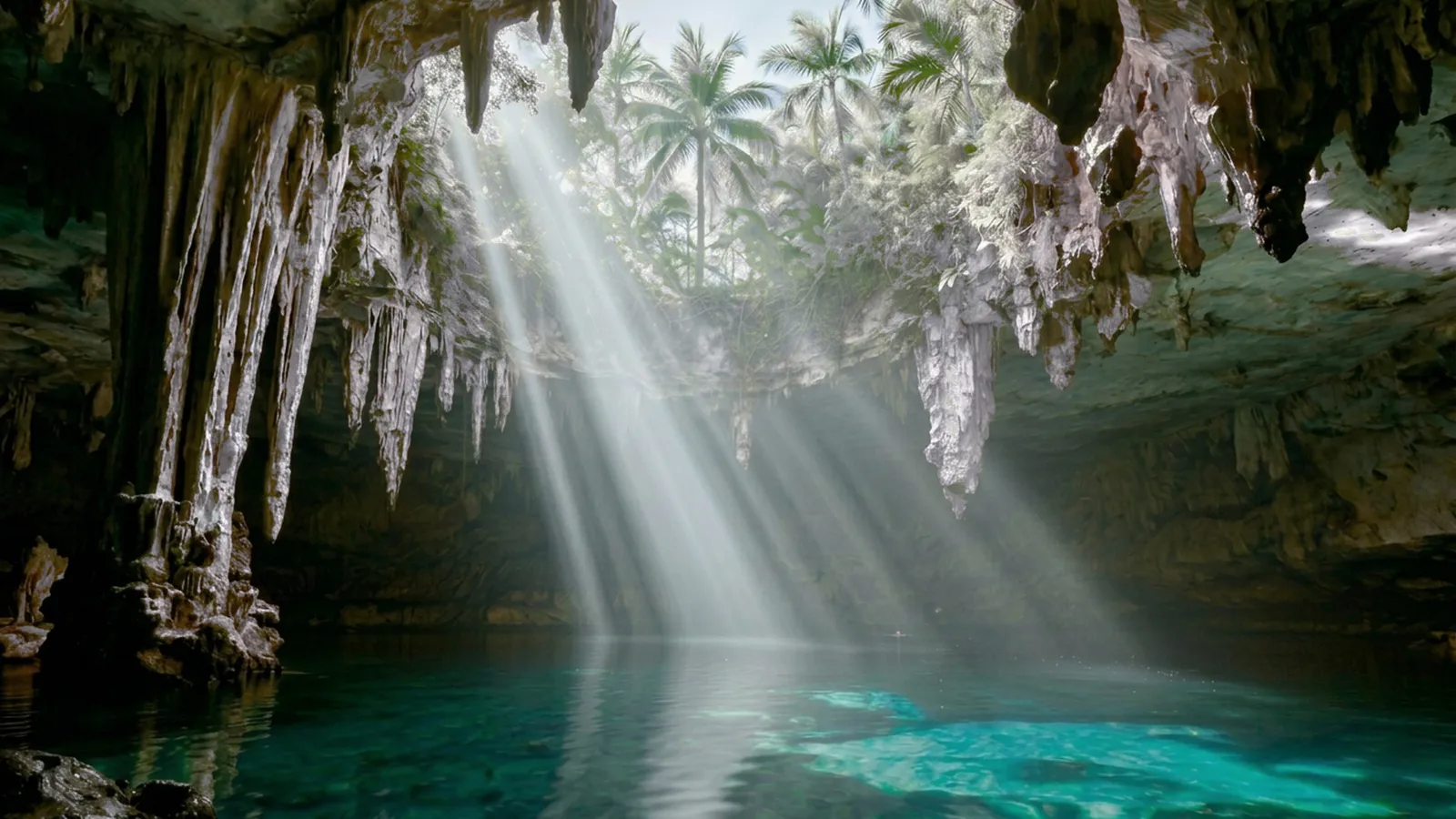
On the Caribbean side, the coral reefs off Cozumel are magnificent in May. Famous drift dives like Palancar Reef, Santa Rosa Wall, and Columbia Wall showcase breathtaking coral formations, huge sponges, and a kaleidoscope of reef fish. The clarity here is often astounding. For those seeking a truly unique experience, the Yucatan's cenotes are a must. Dos Ojos, Chac Mool, and El Pit offer incredible cavern and cave diving experiences, with stunning light beams, ancient formations, and unparalleled visibility. These unique freshwater systems provide a refreshing and surreal alternative to ocean diving, revealing a hidden side of Mexico's natural beauty.
Practical tips for your trip
For diving in May, particularly on the Pacific side, a 3mm full wetsuit is a good all-rounder, with a 5mm potentially preferred if you chill easily or plan multiple dives each day in the cooler parts of Socorro. On the Caribbean coast, a 3mm shorty or even just a rash guard and board shorts will suffice given the consistently warm waters. This month generally suits all levels of divers. Beginners will find the calm conditions and excellent visibility of the Sea of Cortez and Cozumel reefs very accommodating. Advanced divers will relish the pelagic encounters at Socorro and the unique challenges and rewards of cenote diving. Liveaboard availability tends to be good in May, as it's not the absolute peak season for all destinations, though booking in advance, especially for popular Socorro trips, is always advisable to secure your preferred itinerary.
When packing, consider lightweight, breathable clothing for the warm weather. Don't forget reef-safe sunscreen, a wide-brimmed hat, and insect repellent, especially if you plan any inland excursions on the Yucatán. A good quality underwater camera is a must, given the incredible visibility and abundant marine life. Be aware that while May is generally beautiful, it does mark the start of the hurricane season in the Caribbean, so it’s always wise to monitor weather forecasts closer to your travel date. Mexico operates on 127V/60Hz, so bring appropriate power adapters if needed. Most importantly, remember appropriate dive behavior: maintain neutral buoyancy, avoid touching marine life or corals, and follow your guide's instructions to ensure both your safety and the preservation of Mexico's stunning underwater ecosystems.