Conditions in February
February in Mexico offers a compelling blend of comfortable surface conditions and exciting underwater prospects, making it a prime time for a dive adventure. On the Pacific coast, particularly around the Baja California Peninsula and Socorro Island, you’ll typically enjoy clear, sunny skies and pleasant air temperatures ranging from 20°C to 28°C (68°F to 82°F). The sea state tends to be calm to moderate, though open ocean sites like Socorro can always present a bit more swell. Water temperatures in Socorro during February average around 23°C to 25°C (73°F to 77°F), while closer to the Baja coast, it might dip slightly lower but generally remains comfortable. Visibility is often outstanding, frequently exceeding 25-30 meters (80-100 feet), offering crystal-clear views of the spectacular marine life. Currents can vary from mild to strong depending on the specific dive site and lunar phase, so being comfortable with drift diving is always a plus.
Over on the Caribbean side, along the Yucatán Peninsula, February is right in the heart of the dry season. Expect consistent sunshine and warm air temperatures, usually between 25°C and 30°C (77°F and 86°F). The Caribbean Sea generally remains calm, perfect for boat rides and surface intervals. Water temperatures are a balmy 26°C to 28°C (79°F to 82°F) which means comfortable diving even with extended bottom times. Visibility here is consistently excellent, often well beyond 30 meters (100 feet), especially in the famous cenotes. While currents on the reefs are generally mild, they can pick up at certain exposed sites, offering exhilarating drift dives. February provides some of the most stable and enjoyable weather and sea conditions across Mexico, minimizing the chances of weather-related disruptions.
What you will see
February is a fantastic month for pelagic action in Mexico, particularly if you’re heading to the Revillagigedo Archipelago, more famously known as Socorro Island. This time of year is peak season for giant oceanic manta rays (Manta birostris), and you'll encounter them in incredible numbers. These magnificent creatures are known for their inquisitive nature here, often approaching divers closely for an unforgettable interactive experience. You can also expect to see several species of sharks including hammerheads, silky sharks, and Galápagos sharks. Keep an eye out for humpback whales, as February falls within their migration season, offering the thrilling possibility of hearing their calls underwater or even catching a glimpse of them during surface intervals. Schools of tuna, jacks, and various reef fish add to the vibrant underwater tapestry of the Pacific.
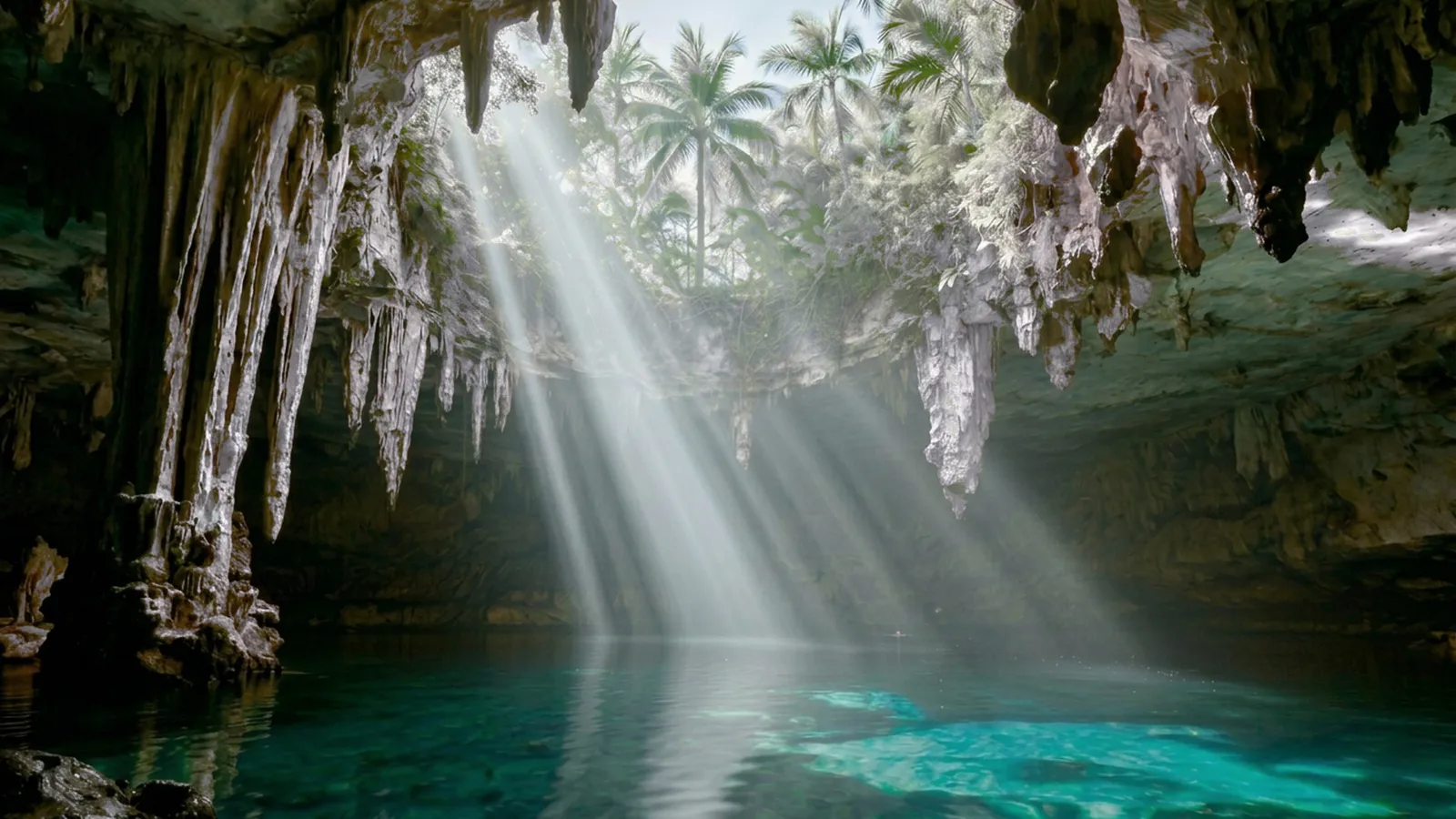
On the Caribbean coast, the reefs of Quintana Roo are teeming with life. While large pelagic encounters are less common than in Socorro, you'll still be mesmerized by the abundance of reef fish, including angelfish, parrotfish, groupers, and snappers. Sea turtles (green, loggerhead, and hawksbill) are frequent sightings here, along with graceful eagle rays cruising the deeper sections of the reefs. February also offers excellent opportunities for macro enthusiasts, with critters like nudibranchs, seahorses, and various crabs and shrimps hiding amongst the corals. The unique draw of the Yucatán, however, are the freshwater cenotes. Diving in these ancient sinkholes allows you to explore stunning geological formations, stalactites, and stalagmites, often encountering a rare cave fish or freshwater turtle. The crystal-clear water and dramatic light beams create an ethereal experience unlike any other.
Top dive sites this month
For truly world-class pelagic encounters in February, the Revillagigedo Archipelago (Socorro Island) is simply unparalleled. Dive sites like Roca Partida and San Benedicto are legendary for their interactions with giant manta rays, various shark species, and the high probability of humpback whale encounters. Being a liveaboard-only destination, you'll spend days immersed in this remote marine sanctuary where the big animals reign supreme. It’s an advanced diving destination due to its remote nature and potential for strong currents, but the rewards are immeasurable.
If you're seeking a blend of reef diving and unique geological wonders, the Yucatán Peninsula is your ideal destination. Cozumel, just off the coast of Playa del Carmen, boasts vibrant coral reefs and exhilarating drift dives at sites like Palancar Reef and Santa Rosa Wall, where you'll encounter healthy corals, sponges, and abundant reef fish, along with turtles and eagle rays. For an unforgettable experience, diving the Cenotes like Dos Ojos or The Pit near Tulum offers an ethereal journey through ancient caves, magnificent stalactites, and dramatic light effects, providing a stark and beautiful contrast to ocean diving. These freshwater cavern dives are accessible to certified divers and are a must-do in February's clear dry season conditions.
Practical tips for your trip
When packing for your February dive trip to Mexico, consider the water temperatures. For Socorro, a 5mm wetsuit is generally ideal, perhaps with a hood or hooded vest if you tend to get cold, given the slightly cooler waters and multiple dives per day. For the Caribbean, particularly Cozumel and the Cenotes, a 3mm shorty or full suit will be perfectly comfortable due to the warmer tropical waters. Many opt for just a rashguard in the cenotes, but a thin wetsuit adds a layer of protection and buoyancy control. Bring reef-safe sunscreen, a wide-brimmed hat, and sunglasses for surface intervals, particularly if you’re on a liveaboard.
February is a fantastic month for both beginners and advanced divers, depending on your chosen region. The calm, warm waters of the Caribbean are perfect for novice divers looking to explore vibrant reefs or try their first cenote dive. The more remote and exposed nature of Socorro, however, is best suited for experienced divers comfortable with deeper dives, potential currents, and open ocean conditions. Liveaboard availability, especially for Socorro, can be tight in February as it’s prime season, so booking well in advance (6-12 months out) is highly recommended. For the Yucatán, you’ll find plenty of options, but popular dive shops and cenote excursions can still fill up, so booking a few weeks ahead is a good idea. Always have valid dive insurance and ensure your dive computer and other essential gear are in good working order before you travel.
Year-round overview for Mexico
Frequently asked questions
Is February a good month to dive in Mexico?
What can you see diving in Mexico in February?
Should I book a Mexico liveaboard for February or wait?
Find a liveaboard for February
Compare available Mexico liveaboards departing in February.
Search and Book