Conditions in February
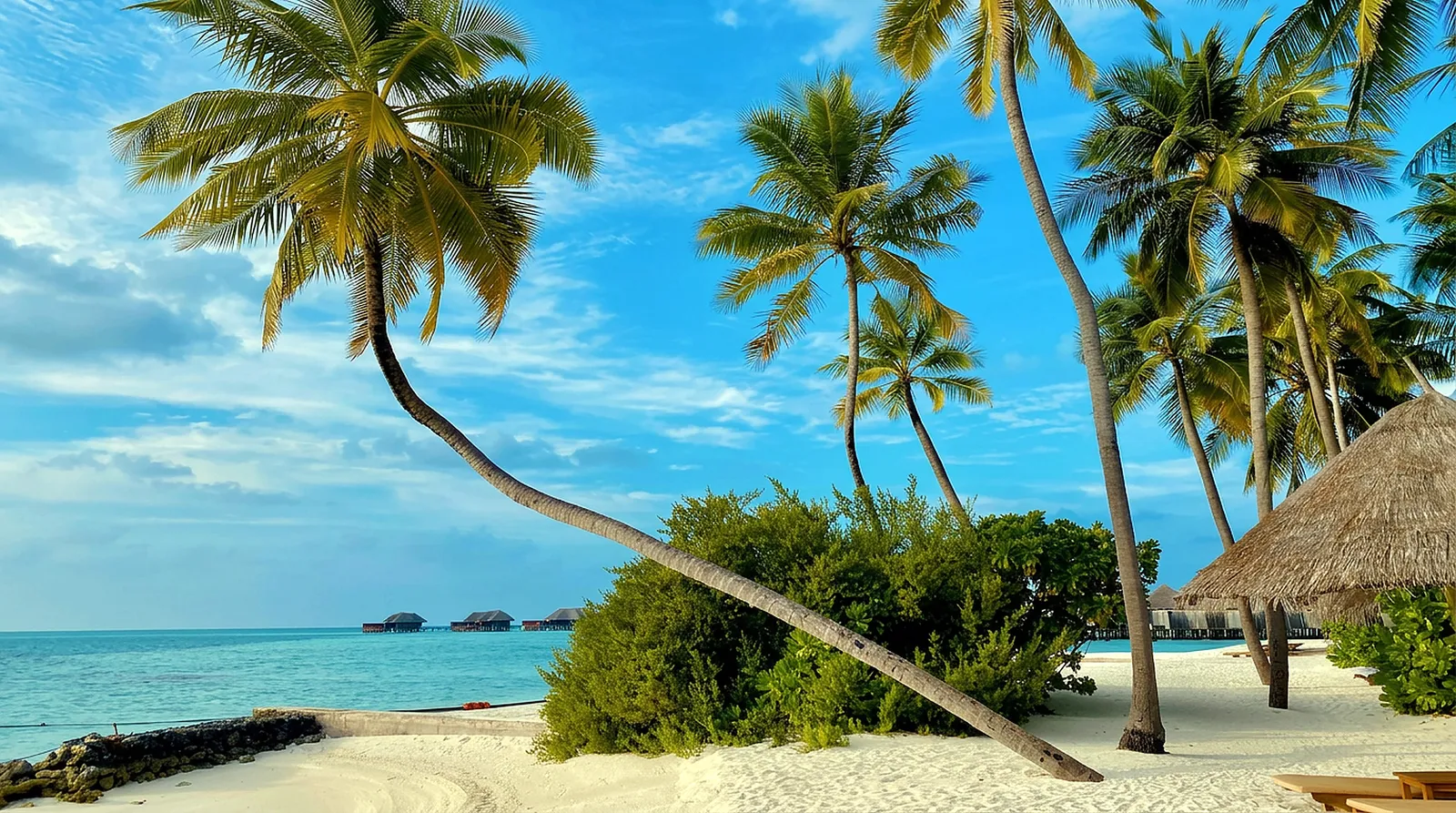
If you're dreaming of escaping the winter cold for some world-class diving, you’ve picked the perfect time and place. February in the Cayman Islands is smack in the middle of the dry season, which means you can expect glorious sunshine, minimal rain, and comfortably low humidity. Topside temperatures hover around a delightful 28°C (82°F), making your surface intervals as pleasant as your time underwater. It’s the kind of weather that feels specifically designed for a premium liveaboard holiday, letting you soak up the vitamin D on the sun deck between dives.
The sea conditions are typically at their best this time of year. The prevailing northeasterly trade winds mean the legendary west and south walls of the islands are protected and often glassy calm. This grants easy access to the most famous dive regions, particularly on Grand Cayman and Little Cayman. While an occasional "nor'wester" front can roll through and stir things up for a day or two, this is the exception, not the rule. A liveaboard gives you the ultimate advantage, as your captain can simply navigate to the calmest, most pristine sites on any given day. It’s a far cry from the summer months when hurricane season can introduce uncertainty to your travel plans.
Underwater, the conditions are just as spectacular. Water temperatures are at their coolest for the year, but "cool" is a relative term here. Expect a consistently refreshing 26-27°C (79-81°F). Visibility is where February truly shines. Without the summer plankton blooms and with very little rainfall causing runoff, the water is phenomenally clear. You can realistically expect visibility of 25 to 40 meters (80-130 feet) on most dives, and on a good day, it can feel like you’re floating in air. Currents are generally mild, making most dives relaxed and easy drifts along the breathtaking walls, allowing you to focus on the marine life and topography without a struggle.
What you will see
The Cayman Islands in February are a theater of vibrant reef life set against a backdrop of deep blue. The reefs are incredibly healthy, adorned with enormous barrel sponges, intricate gorgonian sea fans, and a rich tapestry of hard and soft corals. You'll be surrounded by clouds of chromis, with schools of horse-eye jacks, curious Nassau groupers, and elegant angelfish going about their business. Turtles, both hawksbill and green, are a common sight, often found resting on a ledge or leisurely munching on sponges. Keep your eyes peeled for spotted eagle rays, which are frequently seen gliding gracefully along the walls, sometimes in pairs or small groups. They are a true highlight of winter diving here.
While the Caymans aren't primarily known as a big shark destination, you'll almost certainly encounter Caribbean reef sharks patrolling the edges of the reef and nurse sharks tucked away under ledges. For something truly special, February falls within the window for the annual Nassau Grouper spawning aggregations. These incredible natural events, typically occurring around the full moon in January or February, see thousands of groupers gather to reproduce. The specific aggregation sites are strictly protected conservation zones, and access during the spawning itself is heavily restricted. However, being on a liveaboard in the area gives you a front-row seat to the heightened energy on surrounding reefs and is a testament to the Caymans' successful conservation efforts.
It’s not all about the big stuff, either. Look closer into the reef and you'll find a bustling macro world. The sandy patches near the walls are home to colonies of yellowhead jawfish, their heads poking out of their burrows. You can spot arrow crabs scuttling over sponges, find Pederson cleaner shrimp at their stations, and marvel at the intricate patterns of the lettuce sea slug. And, of course, a trip to Grand Cayman isn’t complete without a visit to the world-famous Stingray City, where you'll interact with dozens of friendly southern stingrays in shallow, crystal-clear water. It’s a magical experience you won’t forget.
Top dive sites this month
A liveaboard journey is the undisputed best way to experience the sheer diversity of diving across all three Cayman Islands, and in February, the itinerary is packed with A-list sites. Your adventure will undoubtedly focus on Little Cayman’s Bloody Bay Wall Marine Park, a place that consistently ranks among the best dive destinations on the planet. Here, sites like Mixing Bowl offer a stunning transition from a shallow, reef-topped sand flat to a vertical drop-off that plummets into the abyss. The wall itself is a work of art, covered in neon-yellow tube sponges and populated by every kind of reef fish imaginable. Another must-dive is Jackson’s Bight, famous for its intricate network of tunnels, canyons, and swim-throughs that cut through the reef crest before opening out onto the breathtaking deep blue of the wall.
The journey between islands offers more incredible opportunities. On Cayman Brac, you'll have the chance to explore the MV Captain Keith Tibbetts, a 330-foot Russian frigate deliberately sunk as an artificial reef. It's the only diveable Soviet warship in the Western Hemisphere, and its sheer size is awe-inspiring. Over on Grand Cayman, the wreck of the USS Kittiwake is another unmissable dive. This former submarine rescue vessel sits perfectly upright in shallow, clear water, with multiple decks and rooms to explore safely. Conditions in February are typically perfect for both of these world-class wrecks. To round out the experience, your itinerary will include iconic Grand Cayman wall dives, perhaps on the North Wall at a site like Babylon or Ghost Mountain, where the visibility and dramatic topography will leave you breathless.
Practical tips for your trip
With water temperatures in the 26-27°C (79-81°F) range, a 3mm full wetsuit is the ideal choice for most divers. While you might feel warm on the first dive, after multiple dives a day on a liveaboard, that little bit of extra thermal protection will keep you comfortable and happy. If you tend to get cold easily, a 5mm suit isn't out of the question, but for most, it will be too warm. The calm, clear, and current-free conditions of February make the Cayman Islands an outstanding destination for divers of all experience levels. The easy conditions are perfect for beginners looking to build confidence, while the sheer walls, deep wrecks, and stunning reef health will captivate even the most seasoned veterans.
February is the heart of the high season, so it is essential to book your spot on a liveaboard well in advance to avoid disappointment. This is the best, and frankly only, way to dive all three islands comfortably in a single trip. When packing, don't forget your certification card, logbook, and all your personal dive gear. Essentials include a good dive computer, a torch for looking into crevices, and a camera, a wide-angle lens is a must for capturing the immense scale of the walls and wrecks. Also pack plenty of reef-safe sunscreen, a hat, polarized sunglasses, and a light windbreaker or sweater for cooler evenings on deck. The local currency is the Cayman Islands Dollar (KYD), but US Dollars are accepted almost everywhere. Finally, be prepared to witness conservation in action; you may see guides culling the invasive lionfish, an important activity that helps protect the native reef fish you’ve come all this way to see.
Year-round overview for the Cayman Islands
Frequently asked questions
Is February a good month to dive in the Cayman Islands?
What can you see diving in the Cayman Islands in February?
Should I book a the Cayman Islands liveaboard for February or wait?
Find a liveaboard for February
Compare available the Cayman Islands liveaboards departing in February.
Search and Book