Conditions in February
Thinking about escaping the winter chill for some equatorial warmth? February in Indonesia can be a truly spectacular time to dive, but it's important to understand where to go to maximize your experience. This month generally falls into the tail end of the wet season for some of Indonesia's most famous diving regions, while others are hitting their stride during their dry season. The weather can be a mixed bag depending on your chosen destination. For instance, in Raja Ampat, you're looking at a sweet spot – the weather is typically glorious, with calm seas and plenty of sunshine. However, move across to Komodo, and February means you're diving right in the middle of their monsoon season. While it's not entirely undivable, you can expect choppier seas, more rain, and potentially reduced visibility.
Water temperatures across the archipelago remain wonderfully warm, a consistent delight for divers. Expect average temperatures to hover around 27-30°C (81-86°F) in places like Raja Ampat, the Banda Sea, and Cenderawasih Bay. Visibility varies significantly. In prime February destinations like Raja Ampat, you can anticipate stunning visibility often exceeding 20-30 meters. However, in regions experiencing their wet season, like Komodo, visibility can drop to 10-15 meters, or even less after heavy rainfall. Currents are, as always in Indonesia, a key feature of the diving experience. They can range from gentle to exhilarating, and often bring with them the rich nutrients that support the incredible biodiversity you're there to see. Liveaboard operators are experts at timing their dives to leverage these currents for the best drift experiences.
What you will see
February in Indonesia is a feast for the eyes, particularly in the eastern regions. If you crave pelagic action, Raja Ampat is your golden ticket. This time of year sees a high probability of encountering schooling barracuda, massive trevally, and various species of reef sharks, including the elusive wobbegong. Manta rays are also a major draw, with incredible cleaning stations around sites like Manta Sandy providing front-row seats to their graceful ballet. The sheer biomass in Raja Ampat is astounding; expect to be surrounded by colorful reef fish in quantities that defy belief. As for macro life, the nooks and crannies of Raja Ampat’s reefs are teeming with critter delights – pygmy seahorses, flamboyant cuttlefish, and an endless array of nudibranchs await the keen-eyed.
While the focus often switches to pelagics, the macro scene remains vibrant across most of Indonesia, even in areas with varying conditions. In Cenderawasih Bay, while not strictly a February-specific aggregation, the resident whale sharks are a year-round marvel, accessible by liveaboard. You can almost guarantee an encounter with these gentle giants as they feed on baitfish released by traditional local fishing platforms. For divers seeking unique and less common pelagics, the deep waters of the Banda Sea, accessible particularly from Sorong in February, offer chances for hammerheads and other offshore species, though these encounters are less predictable.
Top dive sites this month
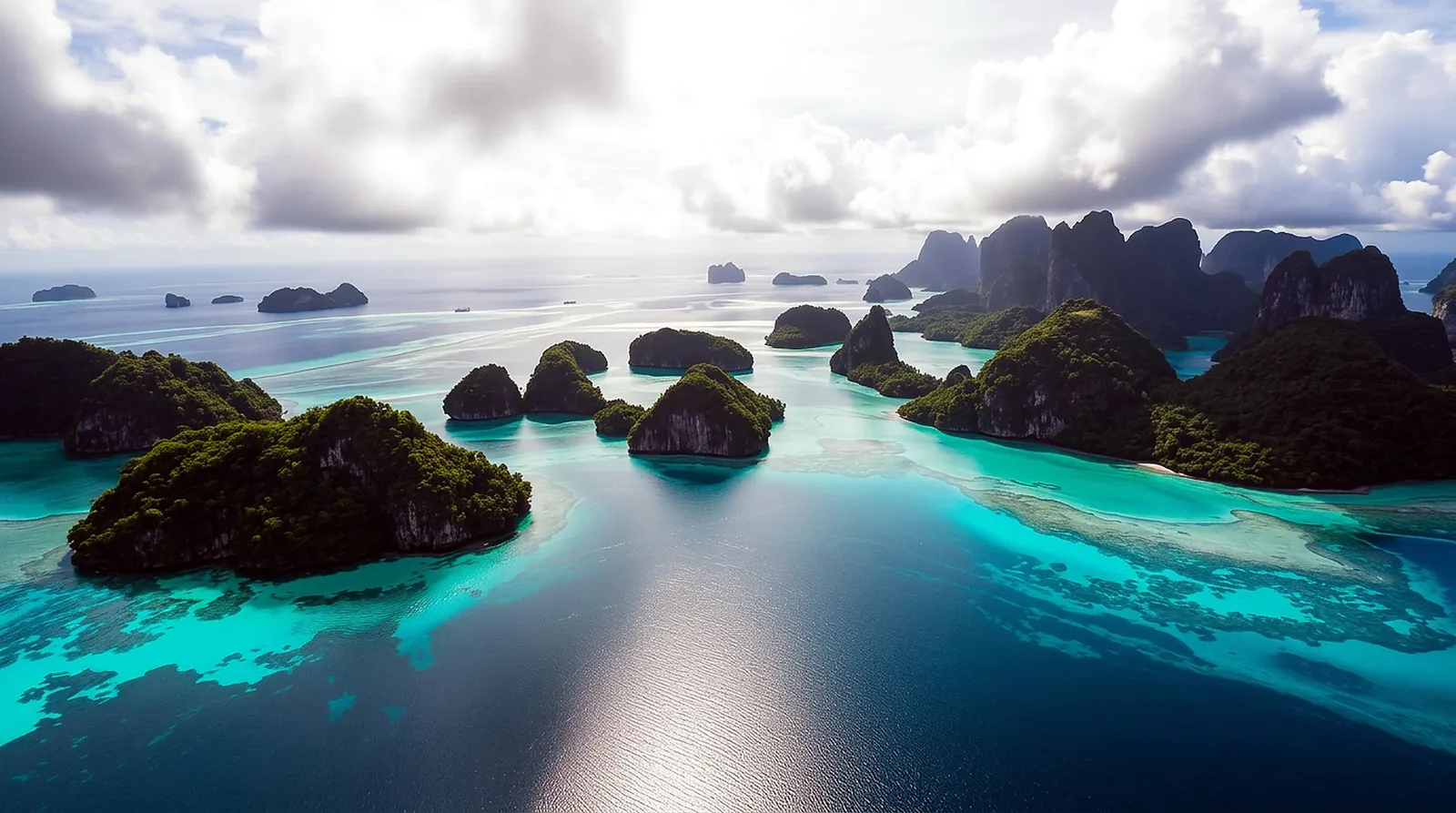
For an unforgettable February diving experience, set your sights firmly on Raja Ampat. This archipelago of over 1,500 islands off the coast of West Papua is at its prime. Dive sites like "The Passage" between Gam and Waigeo islands offer unique drift dives through narrow channels adorned with soft corals. Cape Kri, near Kri Island, holds records for the most fish species sighted on a single dive and consistently delivers incredible biodiversity and current-fueled action. Don't miss Manta Ridge or Manta Sandy for guaranteed manta ray encounters, where these gentle giants gracefully circle cleaning stations.
Another excellent choice for February is Cenderawasih Bay. While not as reef-rich as Raja Ampat, its unique draw is the near-guaranteed interaction with numerous whale sharks at fishing platforms. Imagine swimming alongside these magnificent creatures, observing their feeding habits up close. It’s a truly humbling experience. Finally, for those wanting a deep and rich experience, the southern areas of the Banda Sea can be accessed from Sorong at this time of year, offering more remote diving and the chance for larger pelagics, though the conditions can be more exposed.
Practical tips for your trip
Given the reliably warm water temperatures, a 3mm full wetsuit or even a shorty will be ample for most divers. Some choose just a rash guard for protection. However, if you plan on multiple dives a day, especially with longer bottom times, a 3mm suit can offer a comfortable buffer against any slight chills. February diving in places like Raja Ampat is fantastic for all experience levels, from advanced open water divers who can revel in the drift dives to newer divers who can enjoy the calmer, shallower reefs. Due to the high biodiversity and some stronger currents, an advanced certification is always recommended to maximize your opportunities, but it's not strictly necessary for every site.
Liveaboard availability during February for prime destinations like Raja Ampat can be competitive, as it’s a highly sought-after time. We strongly recommend booking your liveaboard several months in advance to secure your spot and preferred vessel. What to pack? Besides your dive gear, light, breathable clothing, reef-safe sunscreen, a good hat, and insect repellent are essential. A dry bag is invaluable for keeping electronics safe on tenders. Be aware that most of Indonesia operates on a cash basis for many smaller purchases, so have some local currency (IDR) readily available. Ensure you have appropriate travel insurance that covers diving activities, and remember to respect local customs and marine life – look but don’t touch!
Year-round overview for Indonesia
Frequently asked questions
Is February a good month to dive in Indonesia?
What can you see diving in Indonesia in February?
Should I book a Indonesia liveaboard for February or wait?
Find a liveaboard for February
Compare available Indonesia liveaboards departing in February.
Search and Book