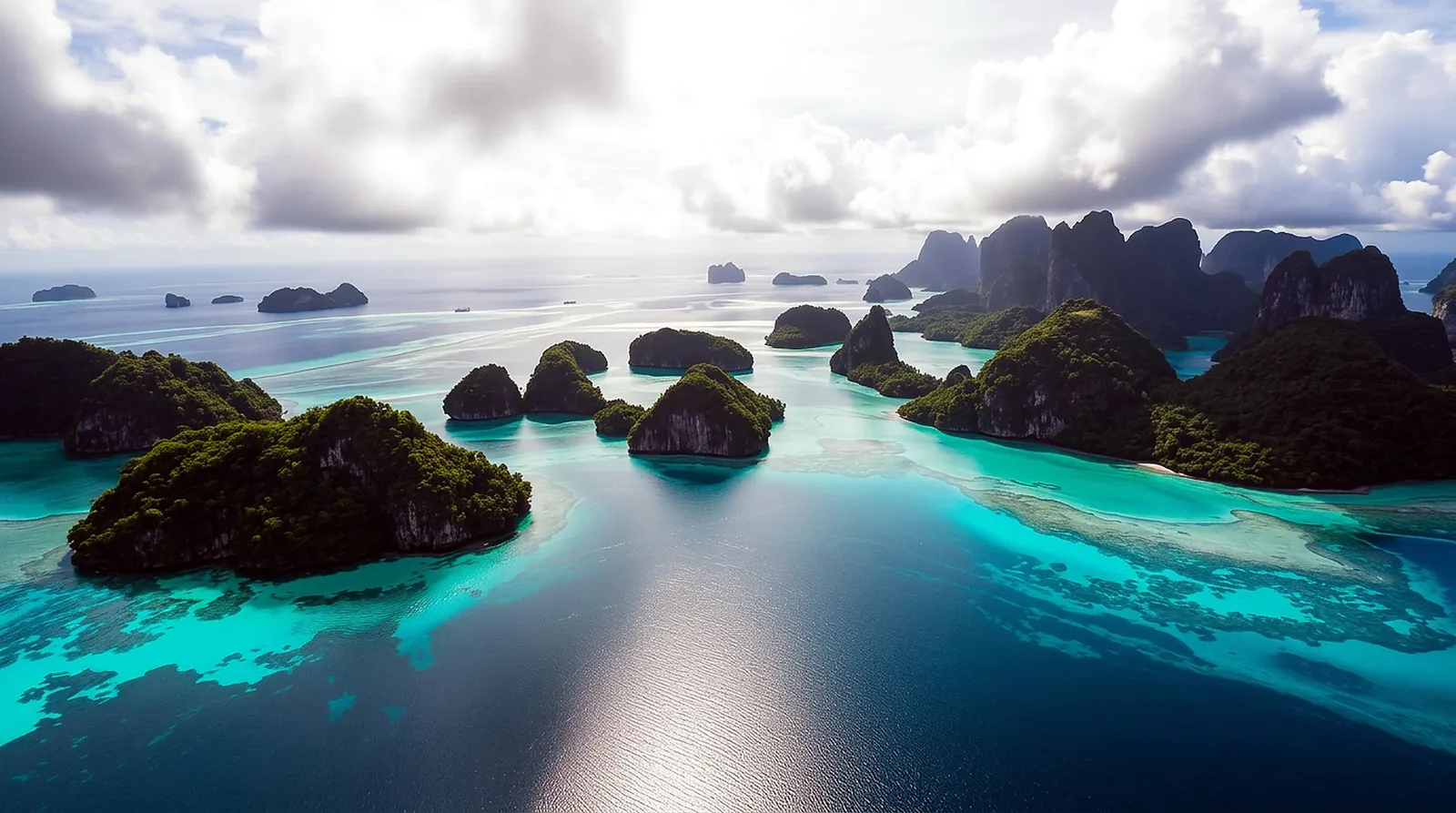
Conditions in November
So you're thinking about diving Indonesia in November? Excellent choice, because you're catching the tail end of the dry season, especially across much of the central and eastern archipelago. This period often brings a sweet spot before the full onset of the rainy season, delivering generally favorable conditions for divers. While you might encounter the occasional rain shower, especially as the month progresses towards December, these are typically short-lived and rarely impact diving significantly. Air temperatures hover comfortably between 27-32°C (81-90°F), making surface intervals a delight.
Sea conditions during November are usually calm, particularly in regions like Raja Ampat or the Banda Sea, which are transitioning from their drier periods. Expect gentle swells and minimal chop, perfect for smooth liveaboard journeys and comfortable entries into the water. Water temperatures are consistently warm, generally ranging from 27-30°C (81-86°F) across most dive sites. This often means a 3mm wetsuit is more than sufficient, or even just a rash guard for those who prefer less thermal protection. Visibility can be truly spectacular, with averages often exceeding 20-30 meters (65-100 feet), providing crystal-clear views of the vibrant coral reefs and abundant marine life. Currents can still be a factor in some areas, especially around pinnacles and channels, but experienced local dive guides will always navigate these with your safety and enjoyment in mind.
What you will see
November in Indonesia is a truly phenomenal time for marine encounters, particularly if you're chasing pelagics and unique seasonal events. The Banda Sea, for example, is still very much in its prime, offering exhilarating drift dives teaming with large schooling fish. You'll likely witness massive aggregations of jacks, barracudas, and fusiliers swirling in synchronized ballets. This is also a fantastic time for hammerhead shark sightings, especially around the “Ring of Fire” islands like the Serua and Manuk, where these magnificent predators congregate in significant numbers before dispersing. Keep your eyes peeled for other pelagic wonders too, including various reef sharks, dogtooth tuna, and even occasional thresher sharks.
While the Banda Sea shines for its pelagics, other regions also offer unique treats. In Raja Ampat, which is entering its prime season, you'll be greeted by an explosion of biodiversity. Expect to encounter several species of manta rays – oceanic and reef mantas – cruising gracefully over cleaning stations. Dive sites like Manta Sandy or Manta Ridge are renowned for these charismatic giants. For macro enthusiasts, areas like Lembeh Strait are consistently excellent, and November is no exception. You'll find a bewildering array of critters: pygmy seahorses, flamboyant cuttlefish, mimic octopuses, various frogfish, and an incredible diversity of nudibranchs, all thriving in their rich volcanic sandy habitats or vibrant coral gardens. The sheer volume and variety of marine life are truly staggering, ensuring every dive is an adventure.
Top dive sites this month
For an unparalleled November diving experience, your sights should be firmly set on the Banda Sea, which is concluding its peak season with a bang. Dive sites around the volcanic islands of the "Ring of Fire," such as Manuk and Serua, are legendary for their schooling hammerhead sharks during this period. The nutrient-rich waters here create an ecosystem that supports immense biodiversity, from swirling schools of fish to healthy coral reefs. Another must-visit in the Banda Sea is Nusantara for its incredible wide-angle reefscapes and dense fish life. Further east, a Raja Ampat liveaboard during November is an absolute treat. While many consider January-March its peak, November offers fantastic conditions with fewer crowds, allowing you to experience world-class sites like Dampier Strait's Cape Kri or Manta Sandy with more intimacy. Here, you'll find some of the highest coral and fish diversity on the planet.
Don't overlook the Alor archipelago if you're seeking extraordinary macro life combined with healthy reefs and occasional current-driven pelagic encounters. Sites like "Wicked Wreck" offer a unique blend of artificial reef habitat with vibrant soft corals and a plethora of macro critters. While Komodo generally transitions into its rainy season around this time, early November can still offer good conditions, particularly around the northern sites. However, for consistent and truly spectacular diving, the Banda Sea and Raja Ampat are your best bets for November.
Practical tips for your trip
Given the consistently warm water temperatures of 27-30°C (81-86°F), a 3mm full-length wetsuit or even a shorty will be perfectly adequate for most divers. If you tend to get cold easily or plan on doing multiple dives a day, a 5mm might offer extra comfort, but it's rarely essential. This month suits a wide range of dive experience levels. While many of the prime sites, particularly in the Banda Sea, can involve currents and deeper profiles, liveaboards always cater to various skill sets with excellent dive guides. However, to truly appreciate the richness of Indonesia's pelagic hotspots, some experience with currents (Advanced Open Water certification or higher) will certainly enhance your enjoyment.
Liveaboard availability in November can be quite competitive, especially for the popular Banda Sea routes as it's the end of their best season, and Raja Ampat's transition into its prime. We highly recommend booking your trip well in advance – at least 6 to 12 months out – to secure your preferred vessel and itinerary. What to pack? Beyond your standard dive gear, bring light, breathable clothing for surface intervals, reef-safe sunscreen, a good wide-brimmed hat, and insect repellent. A decent underwater camera is a must – you'll want to capture the incredible biodiversity. Be aware that in some remote areas, internet connectivity can be sporadic, so embrace the digital detox and immerse yourself fully in the pristine underwater world. Also, ensure your travel insurance covers diving activities, just in case.
Year-round overview for Indonesia
Frequently asked questions
Is November a good month to dive in Indonesia?
What can you see diving in Indonesia in November?
Should I book a Indonesia liveaboard for November or wait?
Find a liveaboard for November
Compare available Indonesia liveaboards departing in November.
Search and Book