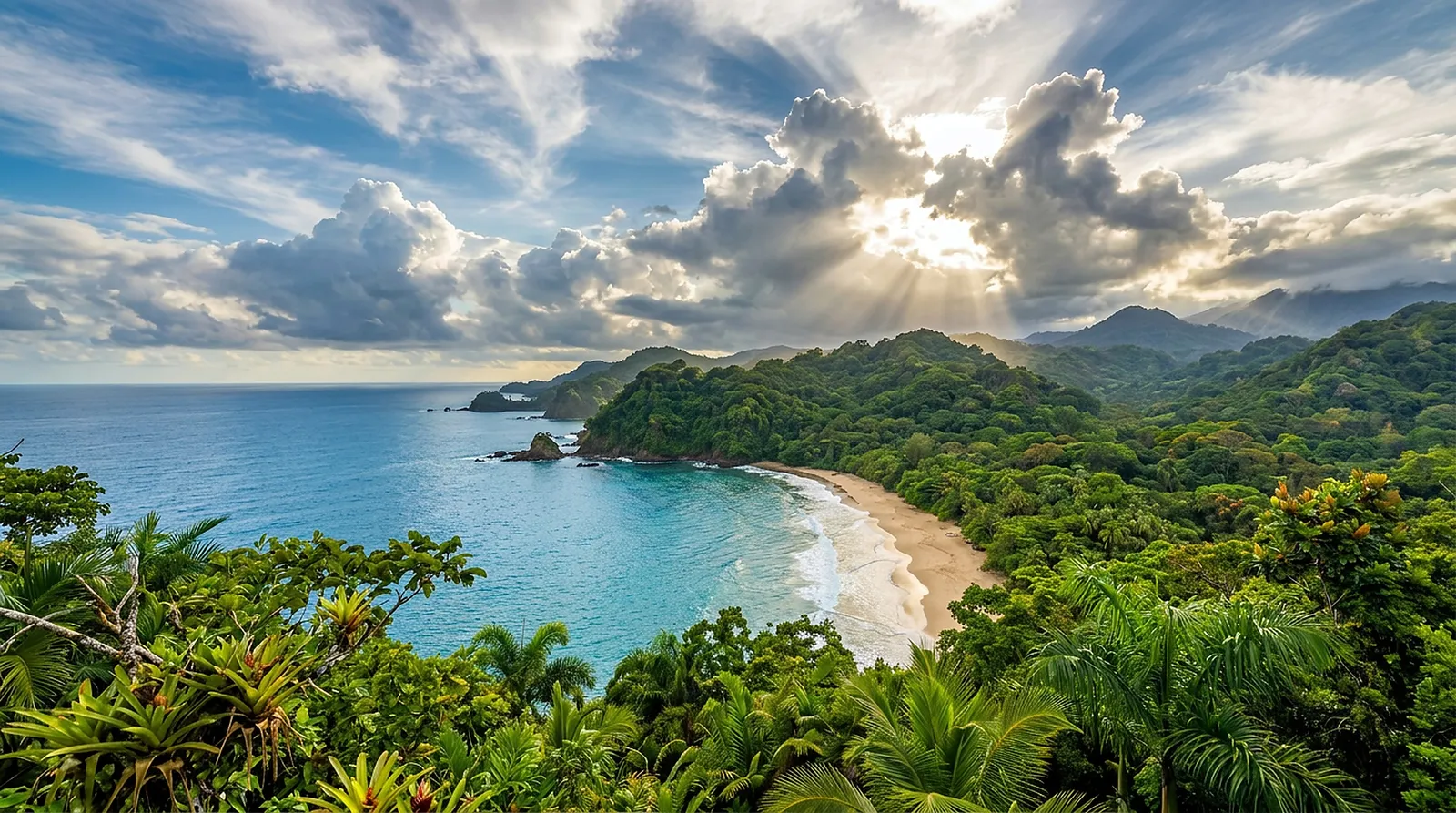
Conditions in November
November marks the transition from Costa Rica's wet season to the dry season, making it a truly exceptional time to dive Cocos Island. You're catching the tail end of the plankton bloom that energizes this remote outpost, yet you'll typically experience significantly calmer surface conditions compared to the peak wet months. While the Pacific can always be unpredictable, November generally offers a sweet spot where sea states are beginning to settle, making liveaboard journeys to this UNESCO World Heritage Site more comfortable. Think fewer rollicking waves on the journey out and back, allowing you to conserve energy for those epic dives.
Water temperatures around Cocos Island in November are consistently warm and inviting. Expect the thermometer to register between 26-28°C (79-82°F) at the surface, though thermoclines can drop it a few degrees, particularly on deeper dives. Visibility can be a fascinating blend of the spectacular. While the plankton that draws the big pelagics might reduce visibility in certain areas to around 15-20 meters, you'll still encounter days with crystal-clear conditions reaching up to 30 meters or more. These plankton-rich waters are a trade-off worth making, as they are the very reason Cocos is an underwater mecca. Currents vary from mild to strong, as is typical for an oceanic island, and you should always be prepared for drift dives, especially at specific sites known for their vigorous flow.
What you will see
November at Cocos Island is simply phenomenal for pelagic encounters, and it's perhaps one of the best months to witness the sheer abundance of its star attraction: hammerhead sharks. The nutrient-rich waters are still buzzing with life, attracting massive schools of scalloped hammerheads that gather in their hundreds at cleaning stations. You'll likely see white-tip reef sharks, often resting in crevices or actively hunting. Silky sharks and Galapagos sharks are also frequent visitors, cruising in the blue at virtually every dive site. If you're lucky, and Cocos often rewards the lucky, you might even spot a tiger shark or a thresher shark. This is not the time for macro; this is the time for truly mind-boggling big fish action.
Beyond the sharks, manta rays are a common sight in November, gliding gracefully overhead, often curious and approaching divers. Eagle rays are also prevalent, soaring in formation. Massive schools of jacks and tuna create breathtaking spectacles as they move as one, occasionally forming bait balls that attract hungry predators. Frogfish and moray eels are present but take a back seat to the larger, more dramatic marine life. Keep an eye on the blue during safety stops; you never know what might cruise by – whale sharks are an occasional, magnificent bonus, especially when plankton is abundant.
Top dive sites this month
While every dive site around Cocos Island is a potential hotspot, some truly shine in November. Manuelita Coral Garden is an absolute must. Its resident hammerhead population is often robust, offering incredible opportunities to observe these majestic creatures, particularly on its deeper wall. The sheer number of sharks here can be mind-blowing, and the shallower coral garden is beautiful for the safety stop.
Another top contender is Dirty Rock. This iconic site is famous for its abundant shark action, especially hammerheads, and the underwater topography creates incredible swim-throughs and overhangs where you can shelter from currents and observe the action. You'll find schooling fish, mantas, and a general air of palpable excitement here. Don't miss Bajo Alcyone, a submerged seamount that is a magnet for hammerheads year-round, but exceptionally so in November. Prepare for strong currents but also for an unforgettable experience as schools of hundreds of hammerheads swirl around you. Finally, Chatham Bay, while often used for night dives, can also offer fantastic daytime shark encounters, especially with white-tips and the occasional bigger pelagic cruising by.
Practical tips for your trip
Given the typical water temperatures, a 3mm or 5mm wetsuit will be sufficient for most divers in November, though a 5mm offers a bit more warmth during multiple dives and longer bottom times, especially if you're prone to getting cold or encounter unexpected thermoclines. While proficient buoyancy control and experience with currents are highly beneficial, November is generally a good month for intermediate to advanced divers. Beginners with excellent dive skills and a willingness to learn might also find it manageable, but it’s definitely not a destination for a first open water dive.
Liveaboard availability for Cocos Island can be tight, as it's a popular destination, so booking well in advance is crucial, especially for November, which is considered prime season. Be prepared for a significant ocean crossing – usually around 36 hours each way – and pack sea sickness medication if you're susceptible. Bring all your dive essentials, as there are no dive shops on the island! A good quality dive computer, your own mask, and a surface marker buoy (SMB) are non-negotiables. Don't forget reef-safe sunscreen, a wide-brimmed hat, and plenty of spare batteries for your camera equipment. Expect to be unplugged for the duration; satellite internet, if available, is often slow and expensive, allowing you to fully immerse yourself in this unparalleled diving adventure.
Year-round overview for Costa Rica (Cocos)
Frequently asked questions
Is November a good month to dive in Costa Rica (Cocos)?
What can you see diving in Costa Rica (Cocos) in November?
Should I book a Costa Rica (Cocos) liveaboard for November or wait?
Find a liveaboard for November
Compare available Costa Rica (Cocos) liveaboards departing in November.
Search and Book