Conditions in November
So, you’re thinking about diving in Djibouti in November? Excellent choice, my friend! This is when the Red Sea meets the Indian Ocean in a truly spectacular way, offering some fantastic conditions for underwater exploration. You'll find the weather above the surface to be pleasantly warm, typically hovering around 28-32°C (82-90°F) during the day, with clear blue skies being the norm. The sea state during November in Djibouti usually ranges from calm to moderately choppy, especially around the outer islands and channels. We’re not talking about raging storms here, but rather a comfortable swell that often adds a bit of excitement to the boat ride.
Underwater, the conditions are equally inviting. Water temperatures in November are generally a balmy 27-29°C (81-84°F), which means you can comfortably dive in a 3mm shorty or even a rash guard if you're a warm-blooded individual. Visibility is typically quite good, often reaching 15-25 meters (50-80 feet), though it can occasionally drop slightly in areas with higher plankton concentration – and trust me, you'll be happy for that plankton when you see what it attracts! Currents can be a factor, particularly in the channels and around some of the more exposed sites. They can range from mild to strong, offering some thrilling drift dives for the experienced, but liveaboard operators are always excellent at timing dives to make the most of the prevailing conditions.
What you will see
November in Djibouti is synonymous with one thing for many divers: whale sharks! This is prime whale shark season in the Gulf of Tadjoura, and you're highly likely to encounter these gentle giants feeding near the surface. It's an incredible experience to snorkel or dive alongside them, watching them glide effortlessly. But it's not just about the big spots; the plankton blooms that attract the whale sharks also bring in other pelagic species. Think manta rays gracefully dancing through the water, often in small groups. You might also spot various reef sharks, like grey reef sharks and white-tip reef sharks, patrolling the reefs, especially around the Seven Brothers Islands.
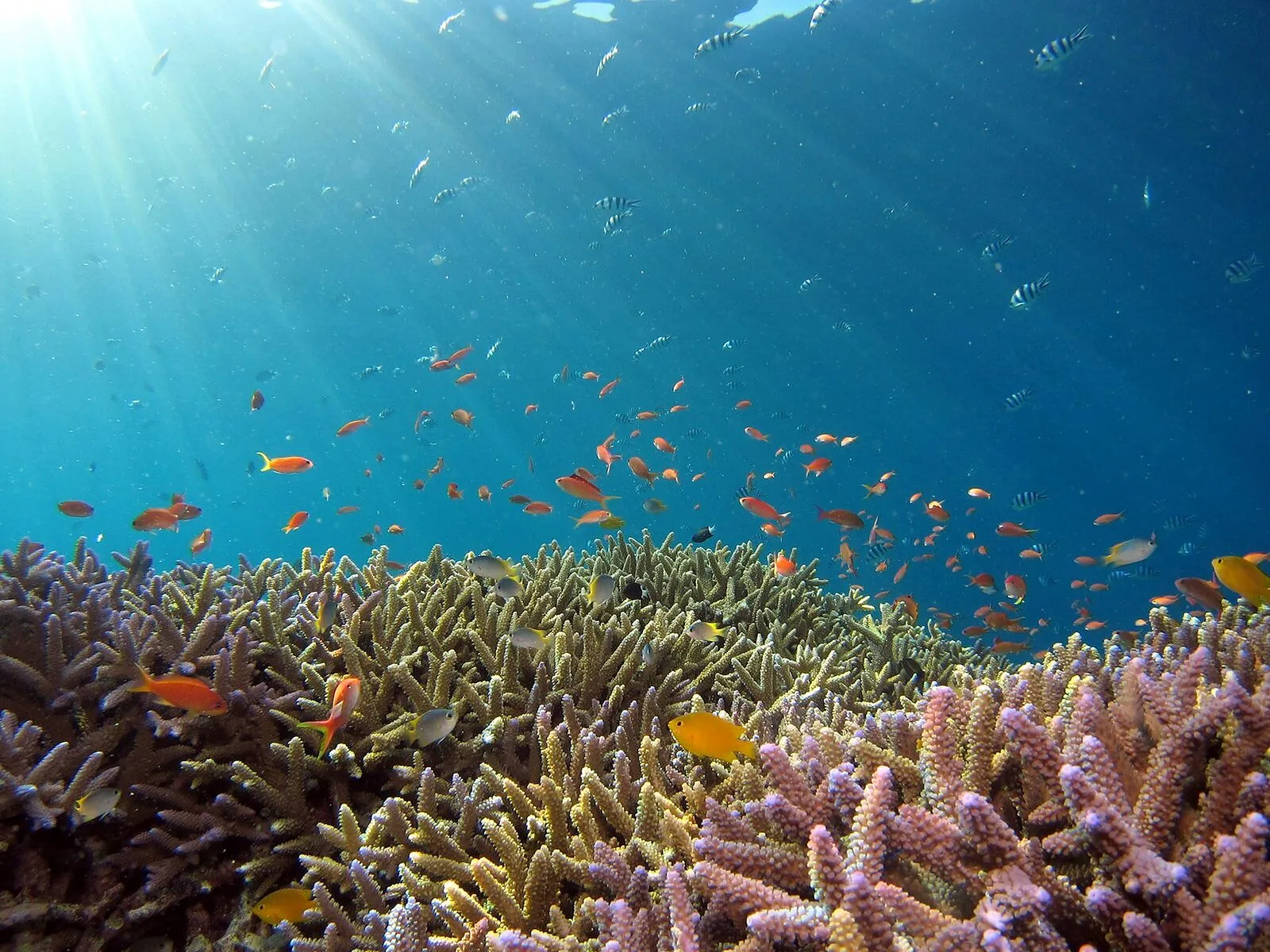
Beyond the headline acts, Djibouti's reefs are teeming with a vibrant diversity of marine life. Keep your eyes peeled for schools of barracuda, snapper, and fusiliers swirling around the coral formations. On the macro front, you’ll find an abundance of nudibranchs, colorful reef fish like angelfish and butterflyfish, and various moray eels peeking out from their rocky hideaways. The hard and soft corals themselves are a spectacle, showcasing a riot of colors and intricate structures, especially in less exposed areas. The ecosystems here are rich and healthy, providing ample opportunities for photographers and wildlife enthusiasts alike. While specific aggregations beyond the whale sharks might not be as pronounced as in some other regions, the overall density and variety of marine life make every dive an adventure.
Top dive sites this month
When you're diving in Djibouti in November, there are a few must-visit spots that really shine. The Gulf of Tadjoura is undoubtedly the star of the show for whale shark encounters. Here, you'll spend exhilarating time in the water with these magnificent creatures, often right from your liveaboard's tender. It’s an experience that truly defines a trip to Djibouti in November.
Beyond the whale sharks, the Seven Brothers Islands (Sawabi) are legendary. These islands, located near the Bab-el-Mandeb Strait, are renowned for their strong currents and spectacular drift dives, which in turn nourish vibrant coral gardens and attract a huge variety of fish life, including numerous reef sharks. Specific sites like "The Canyon" and "Japanese Garden" at the Seven Brothers offer exhilarating dives with stunning coral formations and plenty of pelagic action. Another fantastic site to explore is "The Ghoubet al Kharab," a dramatic fjord-like bay with walls plummeting to great depths, often revealing unique coral species and the occasional larger pelagic passing through.
Practical tips for your trip
For your wetsuit, as mentioned, a 3mm full suit or even a 3mm shorty should be perfectly adequate for the November temperatures. If you tend to get cold easily, or if you plan on doing multiple dives a day, a 5mm might offer a bit more comfort, but it’s certainly not essential. This month is fantastic for both beginner and advanced divers. Beginners will appreciate the generally calm conditions and the incredible opportunity to snorkel with whale sharks, often in relatively shallow waters. Advanced divers will relish the drift dives around the Seven Brothers and the chance to explore deeper areas and chase larger pelagics.
Liveaboard availability in November can be quite competitive, given that it’s peak whale shark season. So, my advice is to book your trip well in advance – think several months ahead – to secure your spot on one of the excellent liveaboards operating in the region. What to pack? Beyond your usual dive gear and swimwear, definitely bring a good quality camera (with underwater housing, of course) for those once-in-a-lifetime whale shark shots. A light jacket or sweater for evenings on deck is always a good idea, and don't forget plenty of reef-safe sunscreen and a wide-brimmed hat. Also, a good book or some podcasts for downtime between dives will be welcome. Be aware that internet connectivity can be spotty out at sea, so download anything you need beforehand. Finally, embrace the adventure – Djibouti offers a truly unique and wild diving experience that you won't soon forget!
Year-round overview for Djibouti
Frequently asked questions
Is November a good month to dive in Djibouti?
What can you see diving in Djibouti in November?
Should I book a Djibouti liveaboard for November or wait?
Find a liveaboard for November
Compare available Djibouti liveaboards departing in November.
Search and Book