Conditions in August
August in Djibouti presents a unique and often misunderstood set of conditions for divers. Let’s not beat around the bush; August is hot, significantly hotter than the more popular diving months. The air temperature regularly hovers in the mid-30s °C (low 90s °F) and can climb even higher, making surface intervals something you’ll want to spend in the shade or on a comfortable, air-conditioned liveaboard deck. The sea temperature mirrors this intensity, with averages sitting comfortably at a balmy 30-31°C (86-88°F). This means no need for thick neoprene – a rash guard or a 3mm shorty is usually more than enough, sometimes even too much.
Visibility during August also tends to be different. While Djibouti is generally known for its crystal-clear waters, the warmer temperatures can sometimes lead to increased plankton blooms, subtly reducing visibility compared to the peak season. Expect visibility to range from a good 15-20 meters (50-65 feet) rather than the stellar 25-30+ meters of cooler months. However, don’t view this as a negative; these plankton blooms are often the very reason certain pelagic species find their way here! Sea conditions are typically calm, especially within the protected confines of the Goubet al Kharab and the Bay of Ghoubbet, offering smooth sailing and comfortable dives. Currents are generally mild to moderate, depending on the specific dive site and tidal movements, but nothing an experienced diver can't handle.
What you will see
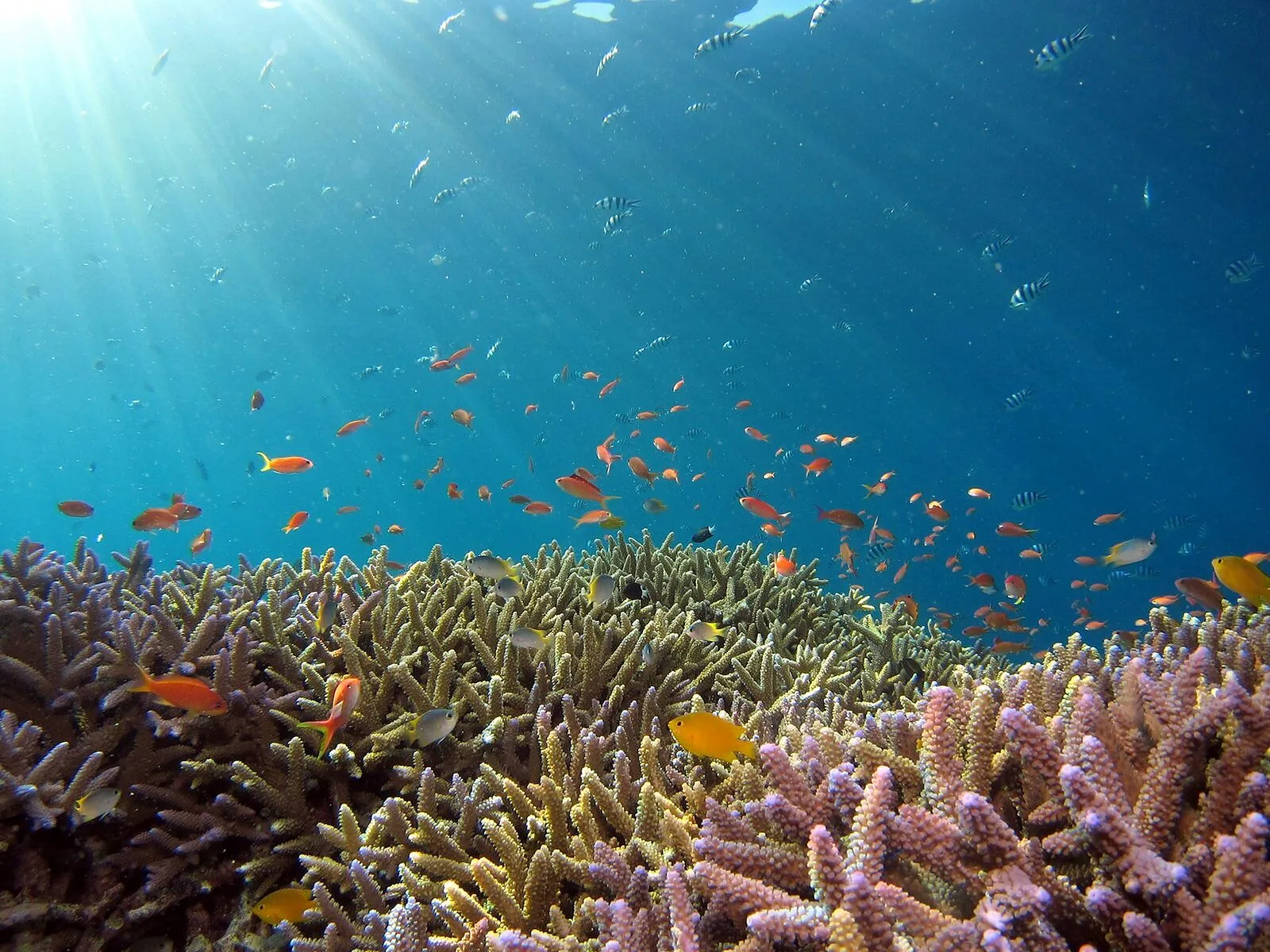
Diving in Djibouti in August truly shifts the focus to what the warmer waters bring. While whale sharks are typically the star attraction during the cooler months, their presence in August is significantly diminished. If you’re coming solely for whale sharks, this might not be your month. However, August has its own special draws, primarily centering around the sheer abundance of reef fish and the fascinating macro life that thrives in these conditions. The reefs are buzzing with activity, from schools of vibrant fusiliers and snappers to colorful parrotfish, angelfish, and butterflyfish busy feeding on the coral. Look closely, and you’ll discover a treasure trove of smaller creatures, including various nudibranchs, flatworms, and ghost pipefish hiding amongst the soft corals and anemones.
While a whale shark sighting might be a rare occurrence in August, other pelagic life can still make an appearance. You might encounter schooling barracuda, tuna, and trevally on the deeper sites or patrolling the reef edges. Keep an eye out for various species of reef sharks, such as blacktips and whitetips, gracefully gliding through the water. Manta rays, though not as predictable as in other prime destinations, are always a possibility, particularly around cleaning stations or areas rich in planktonic food sources. The warmer waters also mean sponges and corals are in their element, presenting lush and vibrant reefscapes that are a joy to explore.
Top dive sites this month
Given the conditions in August, focusing on the vibrant reef systems and protected bays is usually your best bet. The Gulf of Tadjoura, with its numerous islands and sheltered areas, offers a plethora of fantastic sites. The Seven Brothers Islands (Sept Frères) remain a highlight, even in August, offering spectacular coral gardens and a healthy population of reef fish. You'll find intricate reef systems perfect for exploring, with opportunities to spot reef sharks, schooling fish, and a rich array of macro life. The protection offered by the islands also often means calmer conditions, making for very enjoyable dives.
Another excellent area to explore in August is the Bay of Ghoubbet. While often associated with whale sharks, the bay itself hosts some very interesting dive sites like "The Crack" and "The Devil's Cauldron". These sites, known for their dramatic geological formations, offer unique dive experiences. You can explore intriguing volcanic formations, discover hidden caves, and observe fascinating marine life adapted to these unique environments. The warmer waters can also make the shallow reef tops here incredibly vibrant, teeming with juvenile fish and colorful invertebrates.
Practical tips for your trip
If you're considering a Djibouti dive trip in August, be prepared for tropical heat. Your wetsuit choice is easy: a 3mm shorty or even just a rashguard is perfectly adequate given the 30-31°C (86-88°F) water temperatures. This month is well-suited for all levels of divers, from beginners who will appreciate the calm conditions and warm water, to advanced divers who can enjoy longer bottom times and focus on macro photography or exploring the deeper reef systems at a leisurely pace.
Liveaboard availability in August might be less frequent than during peak whale shark season, so booking well in advance with a reputable agency like Blue Rides is crucial to secure your spot. What to pack? Light, breathable clothing is a must for surface intervals. Sunscreen, a wide-brimmed hat, and sunglasses are essential. Definitely bring a good quality reusable water bottle, as staying hydrated is paramount in the heat. Be aware that the main focus shifts from large pelagic encounters (whale sharks in particular) to healthy reefs and macro life. Come with an open mind to appreciate the smaller wonders, and you'll have an incredibly rewarding dive trip to Djibouti in August!
Year-round overview for Djibouti
Frequently asked questions
Is August a good month to dive in Djibouti?
What can you see diving in Djibouti in August?
Should I book a Djibouti liveaboard for August or wait?
Find a liveaboard for August
Compare available Djibouti liveaboards departing in August.
Search and Book