Conditions in August
So, you’re thinking about diving Raja Ampat in August? Let’s talk about what that really means. August falls right in the heart of Raja Ampat’s off-season. While many might jump to conclusions about monsoon conditions, it’s not quite as dramatic as some other tropical destinations. What you’ll typically encounter is a shift in weather patterns. Expect more overcast days and a higher likelihood of rain showers, though these are often sporadic rather than continuous downpours. The good news is that the air temperature remains consistently warm, typically hovering around 28-32°C (82-90°F), so you won’t be shivering on deck.
When it comes to the sea state, August can be a mixed bag. Some days will be beautifully calm, offering glassy surfaces perfect for crossings. However, it’s also when you're more likely to encounter choppier conditions, especially in more exposed areas or during transfers between island groups. This isn’t usually extreme, but it’s something to be aware of if you’re prone to seasickness. Water temperatures are wonderfully balmy, usually a consistent 28-30°C (82-86°F), so warmth won't be an issue underwater.
Visibility can be more variable in August compared to the peak season. While you can still expect excellent visibility on many dives, particularly in sheltered bays and specific sites, some areas might experience slightly reduced visibility due to runoff from rain or increased plankton blooms. This isn't necessarily a bad thing, as we’ll discuss later! Typically, you’re looking at visibility ranging from 15 to 25 meters, which is still fantastic by most standards. Currents are always a feature of Raja Ampat, regardless of the month, and August is no exception. You’ll still encounter exhilarating drifts, which are part of the thrill of diving here. Your experienced dive guides will be adept at planning dives around these currents, ensuring your safety and maximizing your sightings.
What you will see
Despite being the "off-season," August in Raja Ampat can offer some truly unique and rewarding encounters. The increased plankton in the water, which sometimes affects visibility, can also act as a magnet for larger pelagic species. While manta sightings are reliable year-round in Raja Ampat, August can sometimes see larger aggregations, especially at cleaning stations like Manta Sandy or Blue Magic, where the mantas seem to revel in the nutrient-rich water. You might find yourself surrounded by these majestic creatures, a truly breathtaking experience. Keep your eyes peeled for mobula rays too; they often school in these very same conditions.
Sharks are another consistent highlight in Raja Ampat, and August is no different. You’ll regularly encounter reef sharks – blacktips, whitetips, and even grey reef sharks – patrolling the coral gardens. Wobbegong sharks are nearly guaranteed at their favored hangouts like Mike’s Point or The Passage, tucked under ledges or camouflaged on the reef floor. For the keen-eyed, the nutrient-rich waters can also bring in fleeting glimpses of larger, shyer pelagics, though these are never guaranteed. Schooling barracuda and jacks are a common sight, often swirling in immense tornadoes around pinnacles and current-swept ridges.
And let's not forget the macro life! Raja Ampat’s sheer biodiversity means that even with slightly reduced visibility, the vibrant coral reefs are teeming. Nudibranchs in every conceivable color, pygmy seahorses clinging to gorgonian fans, decorator crabs, and various species of shrimps are all present and accounted for. In fact, some argue that the slightly cooler water temperatures in August (even if only by a degree or two) can sometimes invigorate the smaller critters. Keep an eye out for a multitude of frogfish, stonefish, and lionfish perfectly camouflaged against the diverse reef backdrop. The sheer volume of fish life, from enormous schools of fusiliers to colourful parrotfish and angelfish, remains undiminished.
Top dive sites this month
Given the potential for choppier seas in more exposed areas, liveaboards in August often gravitate towards the more sheltered regions of Raja Ampat. The Dampier Strait remains a consistently excellent choice. Dive sites like Cape Kri, famous for its record-breaking fish diversity, continues to deliver incredible action with huge schools of fish, barracudas, and reef sharks. Another gem in the Strait is Sardine Reef (don’t let the name fool you, there are no sardines, just an insane amount of fish life!), which thrives with currents and offers spectacular wide-angle opportunities. The protected coves and islands around Misool are also fantastic this time of year, offering a respite from any potential swell and boasting some of the richest soft coral gardens you’ll ever see.
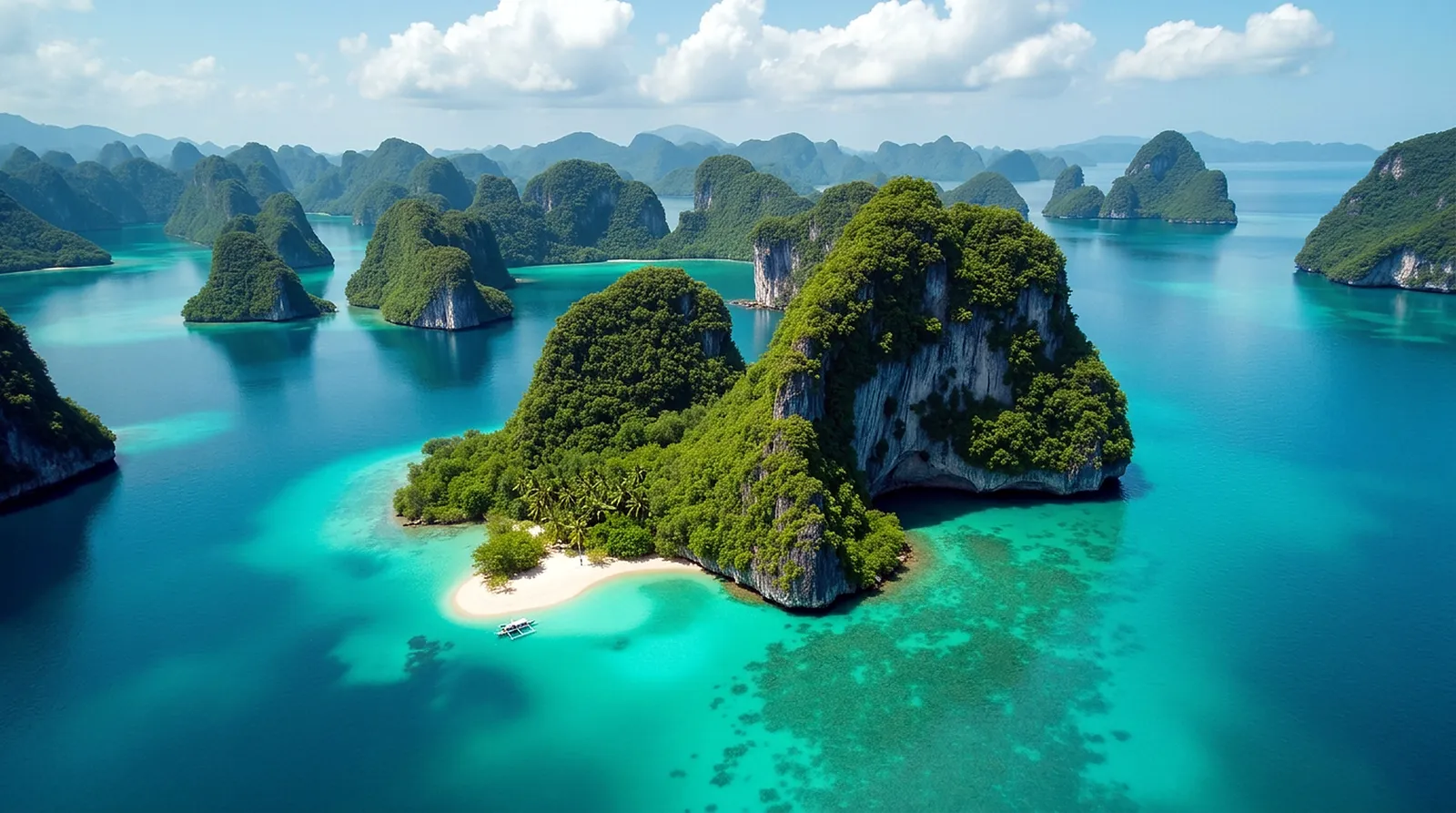
Further south, Wayag, although a journey, remains a picturesque highlight for its iconic limestone karsts above water and vibrant reefs below. While the conditions for reaching it might require careful planning, the sheltered bays within the Wayag area offer spectacular diving even in August. For those seeking manta encounters, Manta Ridge and Manta Sandy in the Dampier Strait are still prime locations, as mantas are resident here year-round and can be particularly active in the slightly richer waters. Liveaboard itineraries are thoughtfully designed to maximize your diving experience, focusing on sites that consistently perform well and offer shelter during this period.
Practical tips for your trip
If you're planning a trip to Raja Ampat in August, a 3mm full wetsuit is perfect. The water is incredibly warm, but a full suit will protect you from minor bumps, potential stinging hydroids, and provide thermal comfort on longer dives. This month is particularly well-suited for intermediate to advanced divers, mainly due to the potential for choppier surface conditions and the inherently strong currents that are a hallmark of Raja Ampat. While beginners can certainly dive here, having some experience with drift diving and managing slightly less predictable conditions will enhance your enjoyment.
Liveaboard availability in August tends to be more open than in peak season, meaning you might find better deals or last-minute spots. However, Blue Rides always advises booking in advance to secure your preferred vessel. What to pack? Light rain gear is a must – a decent waterproof jacket will save you from intermittent showers. As always, reef-safe sunscreen, a wide-brimmed hat, and insect repellent are essential. Be aware that transfers between the airport (Sorong) and your liveaboard might be slightly less comfortable if the sea is choppy, so consider taking seasickness medication beforehand if you're susceptible. Embrace the adventure and the slightly wilder side of Raja Ampat; you’ll be rewarded with incredible diving and fewer crowds.
Year-round overview for Raja Ampat
Frequently asked questions
Is August a good month to dive in Raja Ampat?
What can you see diving in Raja Ampat in August?
Should I book a Raja Ampat liveaboard for August or wait?
Find a liveaboard for August
Compare available Raja Ampat liveaboards departing in August.
Search and Book