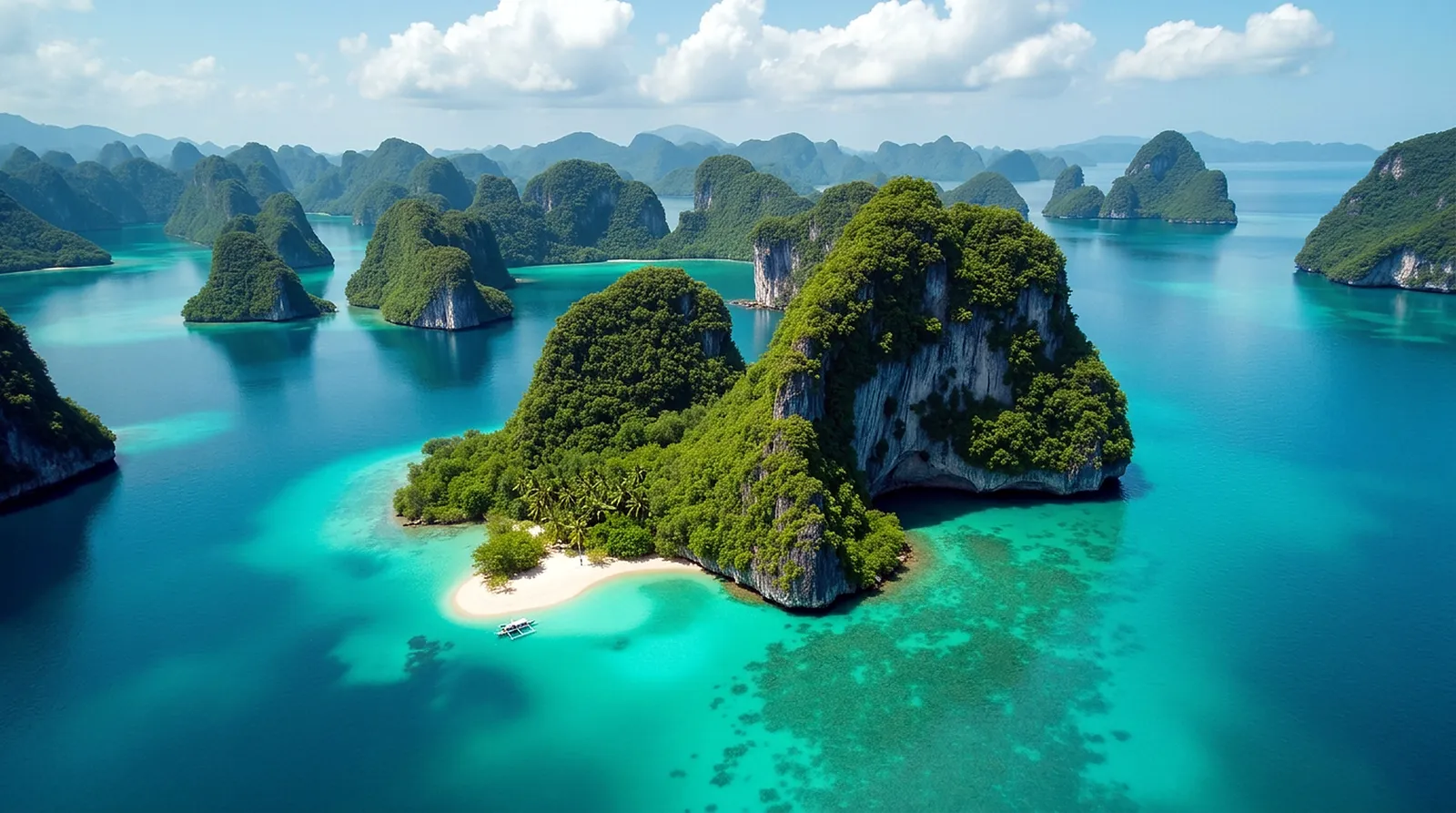
Conditions in March
March in Raja Ampat offers some of the most stable and enjoyable diving conditions of the year, making it a prime month for exploring this biodiverse wonderland. You'll find yourself amidst what's largely considered to be the end of the region's prime diving season, benefiting from calm seas and generally clear skies. The southwest monsoon (known locally as the West Monsoon) usually begins to transition around this time, but March typically still falls within the dry season's tail end, meaning fewer rain showers compared to later months. This results in minimal surface chop, making for comfortable boat rides between dive sites and easy entries and exits from the water. You won't be battling strong currents at the surface, which is always a plus.
Water temperatures in Raja Ampat are consistently warm throughout the year, and March is no exception. Expect tropical warmth, with temperatures typically hovering around 28-30°C (82-86°F). This means you'll be comfortable in lighter wetsuits, or even just a rash guard. Visibility is usually superb, often extending beyond 20-30 meters (65-100 feet). While localized upwellings can sometimes bring cooler, nutrient-rich water and temporarily reduce visibility in certain spots, these are generally short-lived and contribute to the area's incredible biodiversity rather than detracting from the overall dive experience. Currents are an inherent part of Raja Ampat’s dynamic ecosystem, acting as highways for nutrients and marine life. In March, you can encounter a range of currents, from gentle drifts to exhilarating rides, depending on the tidal phase and specific dive site. Your liveaboard dive guides will always assess and plan dives accordingly, ensuring you get the most out of every current.
So, to sum it up, March presents a fantastic window for a Raja Ampat dive safari. The weather is clement, the waters are warm and clear, and the sea state is mostly calm and inviting. It's the kind of conditions that make for memorable underwater adventures, allowing you to fully immerse yourself in the vibrant tapestry of the world's most biodiverse marine region without the added challenge of rough seas or inclement weather. You'll spend more time enjoying the reef and less time worrying about surface conditions.
What you will see
March in Raja Ampat is truly a spectacle of marine life, as the stable conditions often means increased activity. This month is particularly favorable for manta ray encounters. While mantas are present year-round, the calm seas and predictable currents allow liveaboards to more easily access key cleaning stations and feeding sites where these majestic creatures congregate. You can expect to see both reef and oceanic manta rays gliding gracefully, especially around sites like Manta Sandy or Blue Magic. It's not uncommon to witness multiple individuals at once, a truly humbling experience as they effortlessly navigate the currents. Besides mantas, the pelagic action is generally robust in March. You'll likely encounter grey reef sharks, blacktip and whitetip reef sharks patrolling the outer reefs, and if you’re lucky, perhaps even a silvertip. Larger schools of barracuda, trevally, and fusiliers are a common sight, forming mesmerizing tornado-like aggregations.
Beyond the larger animals, Raja Ampat's macro life is always a highlight, and March is no exception. The pristine reefs are home to a staggering array of smaller creatures. Keep your eyes peeled for pygmy seahorses (Bargibant, Denise, and Pontohi are all residents here) expertly camouflaged on seafans. Nudibranchs in every imaginable color and pattern slowly traverse the corals, while various species of frogfish, stonefish, and scorpionfish patiently wait for their next meal. The healthy coral ecosystems, bustling with reef fish like damselfish, anthias, and butterflyfish, are a constant source of fascination. You'll be amazed by the sheer density and diversity of life on every single reef, a testament to Raja Ampat's protected status.
Furthermore, March can sometimes coincide with specific aggregations or spawning events, which, while not always guaranteed, add another layer of excitement. The nutrient-rich waters support incredibly diverse food chains, meaning there's always something happening. You might witness hunting events between predators and their prey, or observe parrotfish diligently munching on corals. The sheer abundance of fish life, from tiny gobies to massive bumphead parrotfish, will leave you breathless. The reefs are vibrant and healthy, dominated by soft corals, hard corals, and anemones, providing perfect habitats for an endless list of critters. If you're a photographer, prepare for sensory overload – every dive will offer countless photo opportunities, from wide-angle reefscapes to intricate macro shots.
Top dive sites this month
Given the excellent conditions in March, most of Raja Ampat’s iconic dive sites are at their best. For incredible pelagic action and manta encounters, you absolutely must visit Manta Sandy and Blue Magic. These sites, located in the Dampier Strait, are renowned cleaning stations where you can observe numerous manta rays being attended to by smaller cleaner fish. The calm waters of March make approaching and observing these gentle giants particularly easy and rewarding. You’ll find yourself captivated by their grace as they circle above the cleaning stations. Nearby, Cape Kri is consistently ranked as one of the world's most biodiverse dive sites, literally teeming with fish life. In March, with good visibility, you'll witness its full glory: massive schools of barracuda, trevally, snappers, and an incredible density of reef fish, all thriving in its mild to moderate currents.
Moving further into the heart of Raja Ampat, the pristine reefs of the Misool region are exceptional in March. Sites like Boo Windows and Magic Mountain offer breathtaking soft coral gardens, vibrant with color, and often host schooling fish and reef sharks. Boo Windows is famous for its iconic swim-throughs and mushroom-shaped islets, leading to incredible reef scapes. Magic Mountain is a seamount known for its reliable encounters with oceanic manta rays and often boasts patrolling sharks. These southern sites benefit greatly from the stable weather during March, allowing for easy access and extended bottom times to fully appreciate their beauty. You'll discover a world of vibrant colors, intricate topographies, and an explosion of marine life that will cement Raja Ampat's reputation as a top-tier diving destination in your mind.
Practical tips for your trip
For your comfort in the warm Raja Ampat waters, a 3mm shorty or full wetsuit is usually more than sufficient. While water temperatures hover around a balmy 28-30°C (82-86°F), repeated dives can sometimes lead to a slight chill, so a 3mm suit offers good protection without being overly warm. If you tend to get cold easily, a 5mm suit might be a consideration, but it's rarely necessary. March is an excellent month for divers of all experience levels. The generally calm surface conditions make it welcoming for beginners or those prone to seasickness, while the potential for stronger currents at specific sites like Cape Kri means advanced divers will still find plenty of exhilarating drift dives. However, most dive sites have varying current conditions depending on the tide, and your guides will always choose locations appropriate for the group's skill level.
Liveaboard availability in March can be competitive, as it falls within the tail end of the peak season. You should aim to book your liveaboard well in advance, ideally 6-12 months out, to secure your preferred vessel and itinerary. Raja Ampat is remote, and most access is via Sorong (SOQ) airport, requiring domestic flights, often from Jakarta or Makassar, followed by transfer to your liveaboard. Pack light, quick-drying clothing, swimwear, and plenty of reef-safe sunscreen. A good quality dive computer, surface marker buoy (SMB), and a whistle are essential safety items. Given the remote nature of the region, reliable internet access is limited and often only available at specific points or for an additional cost on liveaboards. Embrace the digital detox! Be aware that marine park fees are mandatory and contribute directly to conservation efforts in Raja Ampat. Your liveaboard operator will typically handle the payment and logistics for this, but it’s a cost to factor in. Finally, bring a good underwater camera – the photographic opportunities in March are boundless!
Year-round overview for Raja Ampat
Frequently asked questions
Is March a good month to dive in Raja Ampat?
What can you see diving in Raja Ampat in March?
Should I book a Raja Ampat liveaboard for March or wait?
Find a liveaboard for March
Compare available Raja Ampat liveaboards departing in March.
Search and Book