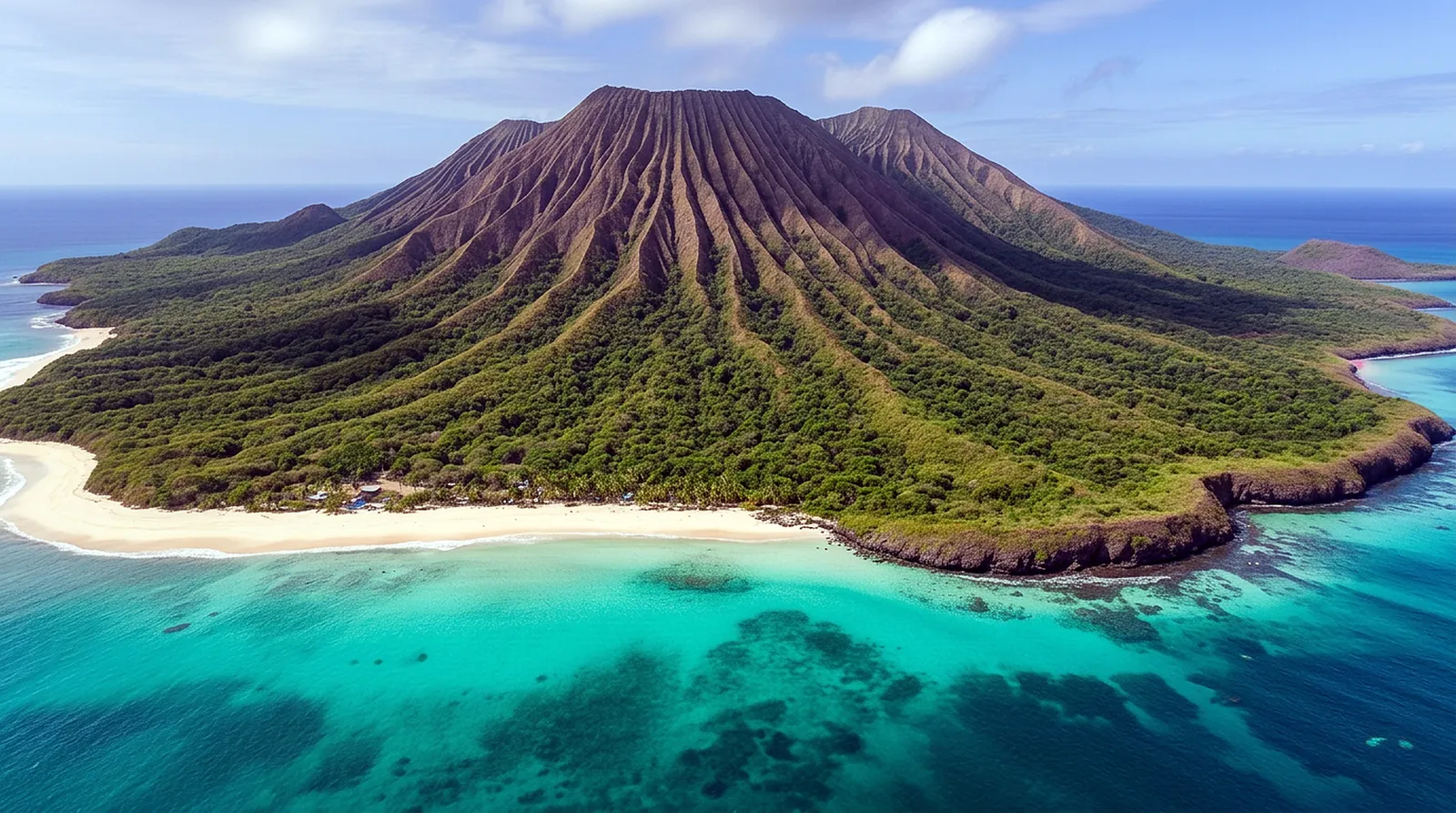
Conditions in March
Diving in Komodo during March offers a unique experience as it marks the end of the rainy season and the transition towards the drier months. While you might still encounter occasional showers, especially in the early part of the month, these are typically short-lived and rarely impact diving plans significantly. The seas are generally calmer compared to the peak of the rainy season, making for more comfortable liveaboard journeys and easier access to dive sites. Expect water temperatures to be consistently warm, hovering around 26-28°C (79-82°F) throughout most of the park. This comfortable warmth means you won't need a super thick wetsuit, making for more enjoyable, extended dives.
Visibility during March in Komodo can be a delightful surprise. As the nutrient-rich runoff from the land begins to settle and the dry season approaches, underwater clarity often improves considerably. You can generally expect visibility ranging from 15 to 25 meters, and on exceptional days, it can push even further, offering breathtaking views of the vibrant reefs and passing pelagics. Of course, Komodo is renowned for its currents, and March is no exception. While perhaps not as ferocious as during the peak dry season, you'll still encounter a good mix of mild to strong currents, particularly in some of the more famous aggregation sites. These currents are the lifeblood of Komodo’s marine ecosystem, bringing in nutrients and driving the spectacular biodiversity.
Experienced divers familiar with drift diving will revel in these conditions, as they offer thrilling rides alongside schooling fish and larger marine life. Liveaboard operators are highly experienced in navigating Komodo's currents, ensuring your dives are both safe and exhilarating. Briefing will always include detailed information about anticipated currents at each site, and your dive guides are experts at reading the water and positioning you for the best encounters. Don't let the mention of currents deter you; they are an integral part of what makes Komodo such an incredible dive destination, and March provides an excellent window to experience them.
What you will see
March in Komodo is a fantastic time for encounters with impressive pelagic species. While mantas are a year-round highlight, their activity tends to remain high as the water temperatures are still on the warmer side, encouraging them to frequent cleaning stations and feeding grounds. You can anticipate thrilling encounters with both reef and oceanic manta rays at sites like Manta Point and Karla's Crack, often in large numbers. Large schools of barracuda, trevally, and fusiliers are commonplace, swirling around the reefs in mesmerizing formations, creating dynamic underwater landscapes that are a photographer's dream.
For shark enthusiasts, March doesn't disappoint. White tip and black tip reef sharks are regularly observed patrolling the reefs, especially around pinnacles and current-swept areas. While not guaranteed, the occasional grey reef shark or even hammerhead can make an appearance, particularly in the deeper, more exposed sections of dive sites. Keep your eyes peeled into the blue! Beyond the impressive pelagics, Komodo's macro life is always a draw, and March offers excellent opportunities for finding fascinating critters. Nudibranchs in a dazzling array of colors, pygmy seahorses tucked away on gorgonian corals, various species of frogfish, and an abundance of colorful reef fish are waiting to be discovered by the keen-eyed diver.
The transition month often brings a diverse mix of marine life, as some species linger from the richer waters of the rainy season while others become more active with the clearing conditions. You'll find healthy hard and soft coral gardens thriving in the currents, providing shelter and hunting grounds for an incredible variety of reef dwellers. Komodo's biodiversity is legendary, and March offers a vibrant cross-section of its permanent residents alongside some seasonal visitors, ensuring every dive brings new and exciting discoveries, from the smallest invertebrates to the largest ocean giants.
Top dive sites this month
March is an excellent time to explore the diverse offerings of Komodo, with several key sites often performing exceptionally well. For classic manta ray action, Manta Point (often called Karang Makassar) remains a top contender, with regular sightings of these gentle giants gliding gracefully through the shallows. The warmer waters of March tend to keep them active and numerous at their cleaning stations. Equally rewarding for pelagic encounters is Castle Rock, known for its strong currents and the subsequent schooling fish action, including hordes of barracuda, jacks, and occasionally grey reef sharks and even the elusive dogtooth tuna hunting in the blue.
Another must-visit during March is Batu Bolong. This iconic pinnacle, famous for its incredible biodiversity, tends to be less exposed to the strongest southerly winds during March, potentially offering calmer surface conditions for exploration. Its walls are absolutely teeming with life, from colorful soft corals to dense schools of anthias, snappers, and fusiliers, often with reef sharks patrolling the deeper sections. For those seeking macro delights and vibrant reef scenes, sites in the south, such as Pillarsteen or Cannibal Rock, are often in prime condition. These sites boast incredible soft coral gardens and a myriad of small creatures, from nudibranchs to frogfish, providing a stark but beautiful contrast to the adrenalin-pumping pelagic dives in the north.
Practical tips for your trip
Given the comfortable water temperatures of 26-28°C (79-82°F) in March, a 3mm full wetsuit is generally sufficient for most divers, offering adequate thermal protection for multiple dives a day. Some divers who are less sensitive to cold might even opt for a 2mm or a shorty, but a full suit always provides better protection against accidental stings or scrapes. March is a fantastic month that caters to a wide range of diving experience levels. While the currents can be challenging at some sites, most liveaboard itineraries are designed to offer a mix of exhilarating drift dives suitable for advanced divers and calmer, more sheltered reefs that are enjoyable for intermediate and confident beginner divers.
Liveaboard availability in March is generally good as it's just outside the peak dry season, but it's always wise to book in advance to secure your preferred vessel and cabin. While Komodo is beautiful year-round, March offers a sweet spot with improving visibility and still-abundant marine life, making it a highly desirable time to visit. When packing, remember to bring lightweight, breathable clothing for life on the boat, a good quality reef-safe sunscreen, a wide-brimmed hat, and insect repellent for evenings. Don't forget your certification card, logbook, and any personal dive equipment you prefer to use. Be aware that internet connectivity can be spotty to non-existent on some liveaboards, so embrace the digital detox and immerse yourself fully in the natural beauty of Komodo. Finally, remember to bring some cash for tips and any small purchases, as card facilities are limited away from the main towns.