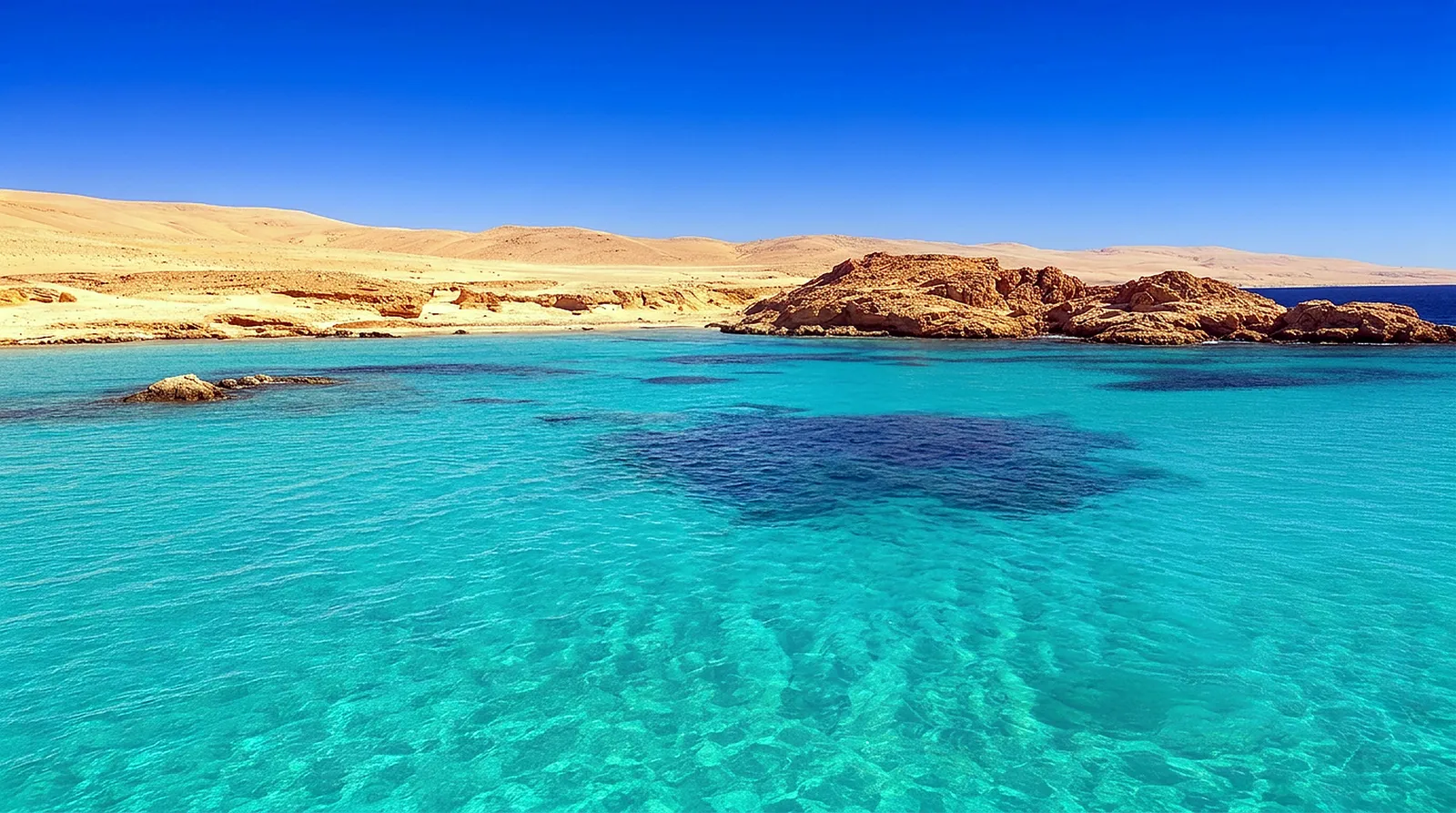
Conditions in March
Diving in Egypt during March offers a fantastic escape from late winter blues, providing a refreshing start to the dive season. The weather on the Red Sea coast begins to warm up, with air temperatures typically ranging from a comfortable 20°C to 25°C (68°F to 77°F). You'll still want a light jacket for evenings, but daytime sun is generally plentiful and pleasant. The sea state is usually quite calm, especially in the sheltered northern dive areas, though a liveaboard trip to the more exposed southern sites might encounter some choppier conditions. That's part of the adventure, right?
Water temperatures in March are on the cooler side compared to the summer months, but perfectly manageable and invigorating. Expect readings between 21°C and 23°C (70°F and 73°F). This cooler water often contributes to phenomenal visibility, which frequently exceeds 30 meters (98 feet), sometimes reaching an incredible 40 meters (131 feet) or more on a good day. Currents can vary greatly depending on the dive site and lunar cycle. Exposed offshore reefs like the Brothers or Daedalus will almost always have some current, which is precisely why they attract such abundant marine life. However, sheltered bays and inshore reefs offer gentler conditions for those who prefer a more relaxed drift.
What you will see
March is a particularly exciting time for pelagic encounters in the Red Sea. The cooler waters act as a magnet for larger marine life, making it a prime month for shark sightings. Oceanic whitetip sharks are frequently spotted around offshore reefs like Elphinstone, the Brothers, and Daedalus, often making bold and curious passes. Hammerheads, including schooling scalloped hammerheads, become a more common sight, especially on early morning dives at Daedalus and the Brother Islands. You might also encounter grey reef sharks and silvertips cruising the deep blue.
While mantas are not a guaranteed sighting in March as they are during specific feeding aggregations later in the year, there's always a chance, particularly around cleaning stations at sites like Big Brother. Beyond the big stuff, the Red Sea’s vibrant coral reefs are always a spectacle. You'll be dazzled by the kaleidoscopic array of soft and hard corals teeming with reef fish, including anemonefish, butterflyfish, angelfish, and vast schools of fusiliers. Keep an eye out for curious Napoleon wrasse, often larger than a diver, and elegant eagle rays gliding gracefully overhead. March also offers excellent opportunities for macro enthusiasts, with many nudibranchs and smaller crustaceans flourishing on the reefs.
Top dive sites this month
For an unparalleled diving experience in March, you absolutely must consider a liveaboard itinerary that includes the legendary offshore reefs. The Brothers Islands (Big Brother and Little Brother) are a non-negotiable. These remote pinnacles are shark central, offering incredible encounters with oceanic whitetips and hammerheads, alongside stunning wrecks like the Numidia and Aida. The thriving coral gardens here are among the Red Sea’s best.
Another essential destination is Daedalus Reef. Its distinctive lighthouse marks a massive reef featuring a sheer wall that plunges into the abyss, attracting schooling hammerheads and other large pelagics, particularly in the morning. Completing the "Deep South" trifecta is Elphinstone Reef, famous for its dramatic drop-offs and consistent opportunities to see oceanic whitetips and sometimes even thresher sharks. These three sites truly showcase the best of Egypt's pelagic action in March.
Practical tips for your trip
Given the water temperatures of 21-23°C (70-73°F), a 5mm wetsuit is generally recommended for adequate thermal protection, especially if you plan on doing multiple dives a day or are prone to feeling the cold. Some divers might even prefer a 7mm or a 5mm with a hood or vest for extended bottom times. March is an excellent month for both experienced and intermediate divers. The offshore sites, with their potential for strong currents and deeper profiles, are best suited for those comfortable with drift diving and managing varying conditions. However, many liveaboard trips also incorporate sheltered sites perfect for less experienced divers or for refreshing skills.
Liveaboard availability in March starts to pick up as the peak season approaches, so it's wise to book your trip in advance to secure your preferred boat and itinerary. What to pack? Beyond your usual dive gear and suitable wetsuit, remember to bring a reef-safe sunscreen, a hat, sunglasses, and a good dive computer. Given the cooler evenings, a light jacket or fleece for relaxing on deck is a good idea. Be aware that remote offshore sites mean limited or no mobile phone signal; embrace the digital detox and focus on the incredible underwater world waiting for you!