Conditions in March
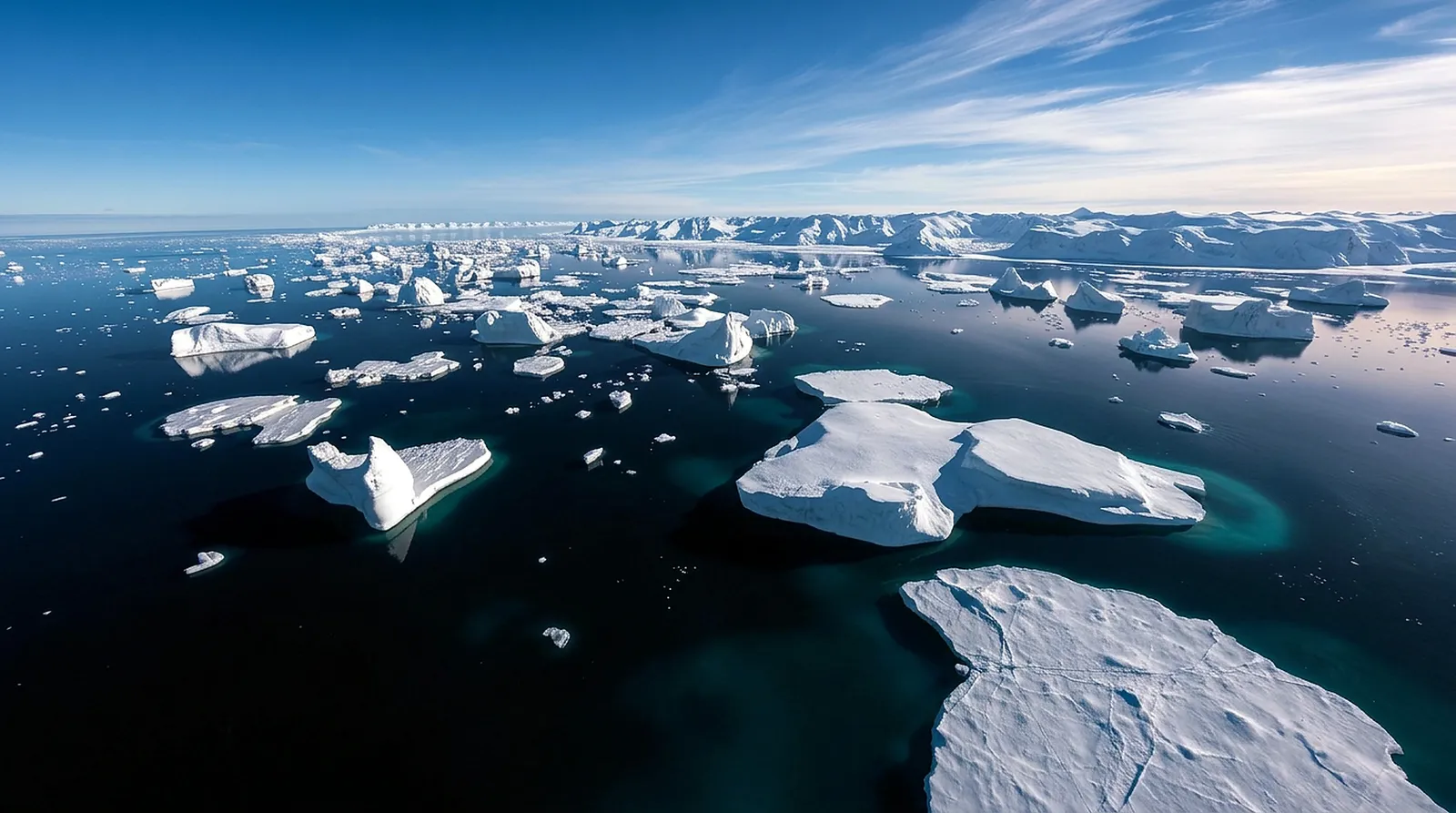
So, you’re thinking about diving in Antarctica in March? Fantastic choice! As the austral summer starts to wind down, March offers a unique window into the White Continent that’s a little different from the bustling peak season. Weather-wise, you’re looking at temperatures that are still relatively “mild” for Antarctica, typically ranging from -5°C to 5°C (23°F to 41°F) topside, but dress in layers, because that Antarctic wind can cut right through you! The days are shortening compared to December and January, but you’ll still have ample daylight for multiple dives and Zodiac cruises. This time of year often sees slightly calmer sea states, especially within the sheltered bays and channels of the Antarctic Peninsula, though crossing the Drake Passage is always an adventure and can still be quite bumpy.
Underwater, the conditions remain consistently chilly, as you'd expect. Water temperatures typically hover around -1°C to 2°C (30°F to 36°F), so a thick drysuit is not just recommended, it’s absolutely essential. Visibility can be excellent in March, often ranging from 15 to 30 meters (50 to 100 feet), sometimes even more in pristine areas. This is because the plankton blooms that are at their peak earlier in the season are beginning to subside, leading to clearer waters. While strong currents aren’t typically a major concern at most dive sites, you should always be prepared for some gentle drift, especially around more exposed areas or during tidal changes. The dive operations are meticulously planned, taking all these factors into account to ensure your safety and enjoyment.
What you will see
March diving in Antarctica is nothing short of epic, and you're in for some incredible wildlife encounters. This is a brilliant time to witness the tail end of the feeding season for many marine mammals before they migrate north. You’ll likely encounter various species of seals, including the curious Weddell seals, Leopard seals (from a respectful distance, of course!), and Crabeater seals, often seen resting on ice floes or gracefully swimming beneath them. Penguins are still abundant, with Adelie, Gentoo, and Chinstrap penguins diving for their meals, offering fantastic photo opportunities both above and below the surface. Keep your eyes peeled for playful encounters as they zip past or even try to inspect your camera!
While Antarctia isn't about tropical reef fish, the invertebrate life is surprisingly vibrant and often bizarrely beautiful. You'll discover a world of colourful nudibranchs, giant sea spiders, soft corals, sponges, and anemones clinging to the rocky seafloor and ice walls. The sheer diversity and size of some of these creatures, unconstrained by warm water, is truly mesmerising. And of course, whales! While the peak of whale watching is often cited for earlier months, March still offers excellent chances to spot Humpback whales, Minke whales, and Orcas as they continue to feed actively. Witnessing a majestic whale breach from the water while on a dive trip is an unforgettable experience, even if you’re not in the water with them at that exact moment. The colder clear waters of March are ideal for seeing some of these deeper-dwelling creatures that might be obscured by plankton blooms earlier in the season.
Top dive sites this month
When diving Antarctica in March, several specific regions and sites truly shine. The Antarctic Peninsula remains the primary focus for liveaboard expeditions, offering a multitude of sheltered bays and dramatic landscapes. Within the Peninsula, the Lemaire Channel, often dubbed the "Kodak Gap" for its breathtaking beauty, provides incredible visibility and opportunities to dive amongst stunning ice formations and possibly spot feeding seals. Nearby, Cuverville Island is known for its large Gentoo penguin colonies, meaning you might find these curious birds joining your dive or certainly be audible underwater.
Another fantastic location is the Deception Island, part of the South Shetland Islands. This active volcano’s flooded caldera offers unique geothermal-warmed waters in some areas, providing a fascinating contrast and some truly unusual opportunities for underwater photography, alongside a rich history. Finally, Petersen Island often provides incredible encounters with Weddell seals, which tend to be quite inquisitive and can offer incredible close-up experiences for divers. These sites, combined with the general clarity of the water in March, offer some of the most memorable Antarctic diving experiences.
Practical tips for your trip
Alright, let’s talk practicality for your March Antarctic adventure. First things first, your gear. A drysuit is non-negotiable. Seriously, do not even think about a wetsuit here unless you have some kind of superhero metabolism. You'll want a thick undersuit (think 400g or more), dry gloves, and a hood. Make sure your drysuit is in excellent condition and you're comfortable with it in cold water – perhaps do a few practice dives in similarly chilly conditions before you go. This trip is best suited for experienced drysuit divers. While some operators may take advanced open water divers with extensive cold water experience, it's not a trip for novices. You’ll be diving from Zodiacs, often in exposed conditions, and quick entries/exits are essential.
Liveaboard availability in March is generally good, as the peak season crowds start to thin out. However, don't leave it to the last minute; these trips are popular, and spots fill up. Book well in advance, usually 12-18 months out, to secure your preferred vessel and dates. What to pack besides dive gear? Layer, layer, layer! Thermal base layers, fleece mid-layers, and a waterproof/windproof outer shell are crucial. Don’t forget a warm hat, sunglasses (the glare off the ice is intense), high-SPF sunscreen, and motion sickness medication for the Drake Passage. Be aware that Antarctica is heavily regulated for environmental protection, so follow all guidelines from your expedition leader to ensure we keep this incredible place pristine for future generations. Prepare for an adventure of a lifetime, where every day brings something new and awe-inspiring!
Year-round overview for Antarctica
Frequently asked questions
Is March a good month to dive in Antarctica?
What can you see diving in Antarctica in March?
Should I book a Antarctica liveaboard for March or wait?
Find a liveaboard for March
Compare available Antarctica liveaboards departing in March.
Search and Book